
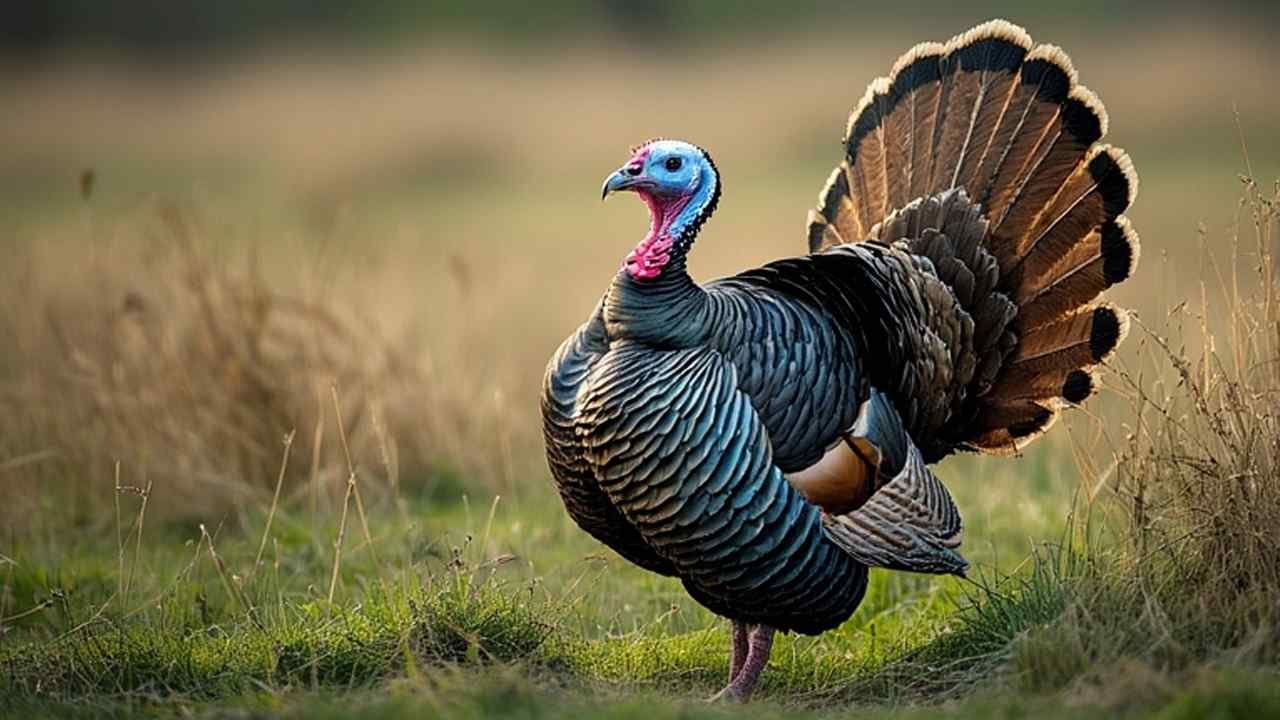
Iowa’s 2026-2027 Turkey Season: Hunting Periods and Applications
If you’re getting ready for a spring gobbler hunt or an autumn outdoor activity, it’s important to know how the 2026–2027 hunting calendar in the Hawkeye State will function. Based on my experience getting ready for spring hunts, knowing exactly when you may go out and what the laws say makes all the difference between a successful trip and a last-minute scramble to follow the restrictions.
This guide tells you everything you need to know, such the exact times when the store opens and closes, the rules for each zone, the licenses you need, and the items you may use. Whether you’re a first-time hunter or an experienced one, you’ll discover everything you need to organize a safe, legal, and fun hunt in Iowa’s many different types of terrain.
Quick Overview Table
| Turkey Type | Open Date | Close Date | Legal Methods |
|---|---|---|---|
| Wild Turkey (Spring) | April 12, 2026 | May 17, 2026 | Shotgun, bow, crossbow, muzzleloader |
| Wild Turkey (Fall) | October 10, 2026 | December 6, 2026 | Shotgun, bow, crossbow, muzzleloader |
| Wild Turkey (Youth Spring) | April 4, 2026 | April 5, 2026 | Shotgun, bow, crossbow, muzzleloader |
| Wild Turkey (Youth Fall) | October 3, 2026 | October 4, 2026 | Shotgun, bow, crossbow, muzzleloader |
All Turkey Seasons (Detailed Table)
| Season Name | Exact Dates | Zones/Regions | Bag Limits | Permit/Tag Details |
|---|---|---|---|---|
| Youth Spring Season | April 4–5, 2026 | Statewide | 1 bearded bird | Youth license + spring tag required |
| Spring Season (1st Period) | April 12–16, 2026 | Statewide | 1 bearded bird per period | Spring license + valid tag |
| Spring Season (2nd Period) | April 17–21, 2026 | Statewide | 1 bearded bird per period | Spring license + valid tag |
| Spring Season (3rd Period) | April 22–26, 2026 | Statewide | 1 bearded bird per period | Spring license + valid tag |
| Spring Season (4th Period) | April 27–May 17, 2026 | Statewide | 1 bearded bird per period | Spring license + valid tag |
| Youth Fall Season | October 3–4, 2026 | Statewide | 1 bird (either sex) | Youth license + fall tag required |
| Fall Season | October 10–December 6, 2026 | Statewide | 1 bird (either sex) | Fall license + valid tag |
Note: Spring hunters may take one bearded bird per period, with a maximum of two bearded birds for the entire spring. Fall hunters are limited to one bird of either sex for the entire fall period.
More Bird Species 🕊️
Beyond wild turkeys, the Hawkeye State offers opportunities to pursue other upland game birds. Here’s a quick look at what else you can hunt during the 2026–2027 cycle:
- Pheasant Season: Opens October 31, 2026, and runs through January 10, 2027. Daily bag limit is three roosters.
- Bobwhite Quail Season: October 31, 2026–January 31, 2027. Daily bag limit is eight birds.
- Gray (Hungarian) Partridge Season: October 31, 2026–January 31, 2027. Daily bag limit is eight birds.
- Ruffed Grouse Season: October 10, 2026–January 31, 2027. Daily bag limit is five birds.
These dates complement your gobbler pursuits nicely, especially if you’re looking to extend your time in the field after spring wraps up or before fall opens.
Iowa Turkey Regulations 🌾
Understanding the rules isn’t just about staying legal—it’s about respecting wildlife, landowners, and fellow hunters. Here’s what you need to know:
- Legal Weapons: Shotguns (10-gauge or smaller), bows, crossbows, and muzzleloaders are all permitted. Rifles and handguns are prohibited for wild birds.
- Shooting Hours: Spring hours run from 30 minutes before sunrise to sunset. Fall hours mirror this window.
- Electronic Calls: Legal during fall only. Spring hunters must rely on manual calls or their own voice.
- Decoys: Allowed in both spring and fall.
- Tagging Requirements: Immediately upon harvest, attach your transportation tag to the bird’s leg. The tag must remain attached until the bird is processed or consumed.
- Transport Rules: Fully feathered birds must be transported with evidence of sex naturally attached (beard in spring, head or leg in fall).
- Land Access: Always secure written permission before hunting private property. Public land access is available through state wildlife management areas and select federal lands—check Iowa’s public land access programs for detailed maps and regulations.
- Ethical Standards: Retrieve downed birds immediately. Never shoot from a vehicle or across roadways. Practice responsible firearms safety training and brush up on your marksmanship before opening day.
License & Tag Fees 🎟️
Fees for the 2026–2027 cycle remain consistent with prior years, though it’s wise to verify current pricing with the Iowa Department of Natural Resources (DNR) closer to your hunt date.
Resident Pricing:
- Spring license + one tag: $27.50
- Additional spring tags: $17.50 each (up to two tags total)
- Fall license + one tag: $27.50
- Youth spring or fall license: $11.00
Non-Resident Pricing:
- Spring license + one tag: $120.00
- Fall license + one tag: $120.00
- Youth non-resident license: $35.00
Where to Buy:
Licenses and tags can be purchased online through the Iowa DNR website, by phone, or at authorized license vendors statewide, including sporting goods retailers and some county recorder offices. If you’re planning to hunt on public land, consider bundling your purchase with a habitat stamp to support conservation efforts.
Seniors aged 65 and older who are residents may qualify for reduced-fee or free hunting licenses—contact the DNR directly to confirm eligibility.
License Requirements
Not everyone needs the same paperwork. Here’s a breakdown:
- Who Needs a License: Anyone aged 16 and older pursuing wild game birds must possess a valid state hunting license and the appropriate game-specific tag.
- Hunter Education: First-time hunters born after January 1, 1972, must complete an approved hunter education course before purchasing a license. Proof of completion is required at the time of purchase.
- Youth Hunters: Those under 16 may hunt during youth-only periods or regular dates if accompanied by a licensed adult (age 18+). The adult must remain within immediate reach and control at all times.
- Landowner Exemptions: Resident landowners and their immediate family members hunting on their own land may qualify for exemptions on certain licenses, but spring and fall tags are still required.
- Non-Resident Rules: Out-of-state hunters follow the same education and tag requirements. If you’ve hunted in neighboring states like Illinois or Indiana, the application process will feel familiar, though pricing and bag structures vary by location.
FAQs Section
Q: What’s the best time of day to hunt during the spring?
A: Early morning is prime time. Gobblers are most vocal on the roost at first light, making it easier to locate and set up on birds. Late afternoon can also be productive as birds return to roosting areas.
Q: Can I hunt during the youth-only weekends if I’m an adult supervising a young hunter?
A: No. Adults may accompany youth hunters for safety and mentorship, but only the youth may carry a firearm or bow and take a bird during youth-only periods.
Q: Are electronic calls legal during spring hunts?
A: No. Electronic or battery-powered calls are prohibited during the spring. Manual calls—box calls, slate calls, diaphragms—are your only options.
Q: Where can I find public land to hunt without paying for guided hunts?
A: The Iowa DNR manages hundreds of wildlife management areas open to public hunting. The DNR’s online atlas provides maps, access points, and habitat details. Federal lands like some Corps of Engineers properties also allow hunting with the proper permits.
Q: Do I need hunter orange during the fall period?
A: While not required for fall bird hunting specifically, wearing blaze orange is strongly recommended for safety, especially during overlapping firearms deer periods in November and December.
Q: Can I use a crossbow if I’m not disabled?
A: Yes. Crossbows are legal for all hunters during both spring and fall periods, regardless of physical ability.
Q: What should I do if I accidentally harvest a hen during spring?
A: Immediately report the incident to the Iowa DNR. Unintentional violations are treated more leniently when self-reported, but failing to report can result in serious penalties.
Conservation & Safety Add-Ons
The regulations you’re following aren’t arbitrary—they’re the product of decades of research and fieldwork by biologists committed to sustaining healthy bird populations. Limiting spring harvests to bearded birds protects breeding hens, while the shorter fall window balances recreational opportunity with long-term flock stability.
Your license fees directly fund habitat restoration, population surveys, and access improvements. Every tag purchased contributes to programs like the Habitat Stamp, which supports grassland and woodland projects critical for nesting success.
Safety Reminders:
- Always positively identify your target before pulling the trigger.
- Wear eye and ear protection.
- Never shoot at sounds or movement alone.
- Inform someone of your hunting location and expected return time.
- Carry a first-aid kit and fully charged phone.
- Be aware of other hunters—spring woods can be crowded on opening weekends.
Respecting private land boundaries is non-negotiable. Trespassing damages relationships between landowners and the hunting community. If you’re uncertain about property lines, use GPS or contact the landowner for clarification.
Conclusion
Getting ready for a successful hunt in Iowa means knowing your dates, following the restrictions, and checking with the Iowa Department of Natural Resources to make sure there are no last-minute changes before you go. Following the rules makes sure that everyone has a safe, legal, and fun time, whether you’re calling in a longbeard on a foggy April morning or tracking an autumn flock through golden hardwoods.
Spend some time scouting, practicing your call, and checking your gear again. The memories you form will endure a lifetime, even though the seasons are short.
This guide is intended for informational purposes only. Regulations can change due to weather, population surveys, or legislative updates. Always verify current rules, dates, and licensing requirements with the official Iowa Department of Natural Resources before your hunt.