
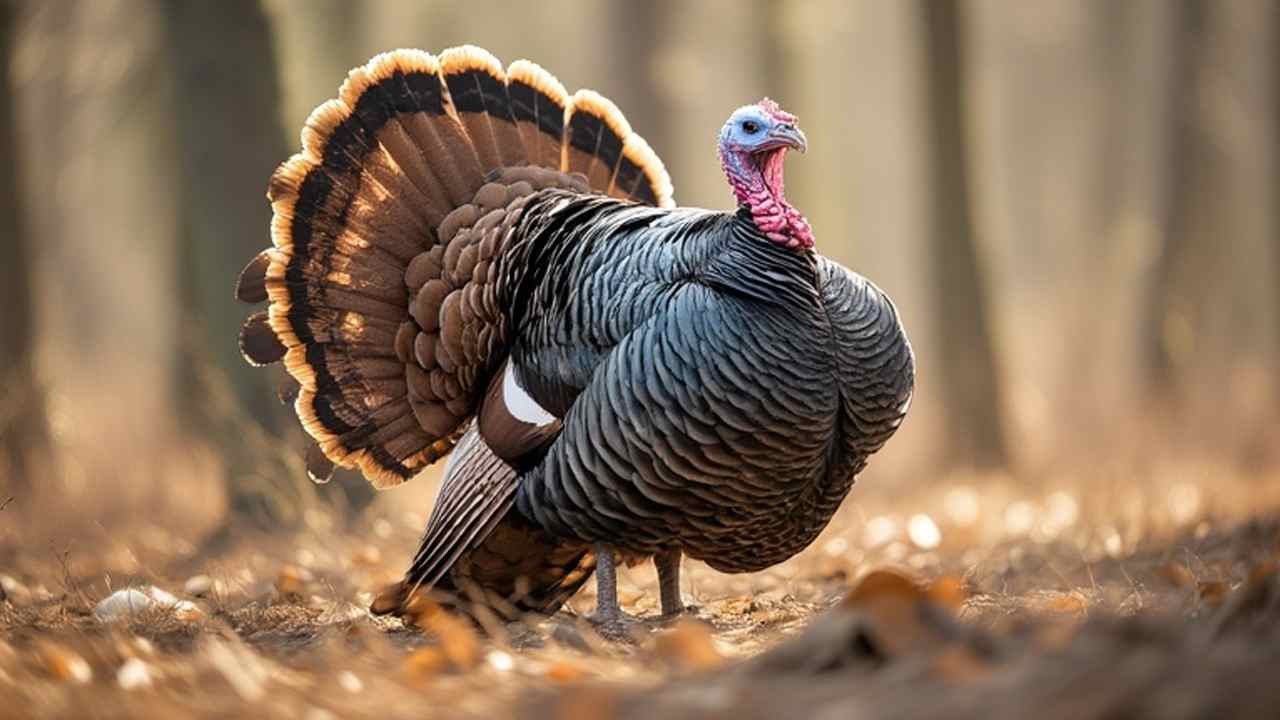
Louisiana Turkey Season 2026-2027: Public Land Hunting Rules
If you want to hunt gobblers in the Pelican State from 2026 to 2027, you’re in for a treat. Louisiana has a wide range of habitats, from bottomland hardwoods to pine savannas, that are home to robust populations of Eastern wild turkeys. This guide tells you everything you need to know, such the specific dates, the different zones, the license requirements, and the most important rules to follow to make sure your hunt is legal, moral, and successful.
Knowing the regulations and when to go hunting may make or break your experience, whether it’s your first time or your hundredth. Let’s get started.
Quick Overview Table
| Turkey Type | Season Dates (2026-2027) | Legal Methods |
|---|---|---|
| Spring Youth Hunt | March 14-15, 2026 | Shotgun, archery, crossbow |
| Spring General Hunt | March 20 – April 30, 2026 | Shotgun, archery, crossbow |
| Fall Archery Hunt | November 7, 2026 – January 31, 2027 | Archery, crossbow only |
| Fall Either-Sex Hunt | November 7, 2026 – January 31, 2027 | Shotgun, archery, crossbow |
Note: Always verify dates with the Louisiana Department of Wildlife and Fisheries (LDWF) before heading out.
All Turkey Seasons (Detailed Table)
| Season Name | Dates | Zones/Regions | Bag Limit | Permit/Tag Details |
|---|---|---|---|---|
| Spring Youth Weekend | March 14-15, 2026 | Statewide | 1 bearded bird per day | Valid hunting license + turkey tag |
| Spring General Season | March 20 – April 30, 2026 | Statewide | 2 bearded birds total | Valid hunting license + turkey tags |
| Fall Archery Season | November 7, 2026 – January 31, 2027 | Statewide | 1 bird per day (either sex) | Valid hunting license + archery endorsement |
| Fall Either-Sex Season | November 7, 2026 – January 31, 2027 | Statewide | 1 bird per day (either sex) | Valid hunting license + turkey tag |
From my experience preparing for spring hunts, marking these dates early and scouting your preferred wildlife management areas (WMAs) in late winter can give you a serious advantage come opening day.
More Bird Species 🕊️
Louisiana isn’t just about turkeys. The state offers opportunities to pursue other upland and migratory game birds, each with its own set of rules and seasons:
- Mourning Dove: Split seasons typically run September through January. Bag limit is 15 per day.
- Woodcock: Generally opens in mid-December and runs through late January, with a daily bag limit of 3.
- Snipe: Season aligns closely with woodcock dates; daily limit is 8.
- Quail: Season usually runs from late November through February, though populations vary by region. Limit is 8 per day.
- Rails (Clapper, King, Virginia): Coastal and marsh areas offer limited opportunities during fall and winter months.
Always check the LDWF’s annual regulations booklet for exact dates and any area-specific restrictions. If you’re exploring options in neighboring states, you might also want to review the Arkansas turkey season for comparison.
Louisiana Turkey Regulations 🌾
Understanding the rules isn’t just about staying legal—it’s about respecting the resource and other hunters. Here’s what you need to know:
- Legal Weapons: Shotguns (10-gauge or smaller), archery equipment (including crossbows), and muzzleloading firearms are permitted. No rifles or centerfire pistols.
- Shooting Hours: One-half hour before sunrise to one-half hour after sunset. Spring hunts often end earlier in the afternoon on certain WMAs—check area-specific rules.
- Land Access: Public land access is available on numerous WMAs and national forests. Some areas require a Wild Louisiana Stamp or self-clearing permits. Always respect posted boundaries and private property.
- Tagging & Transport: Immediately upon harvest, attach your turkey tag to the bird. The tag must remain attached during transport and storage until the bird is processed.
- Electronic Calls: Allowed statewide during spring and fall seasons. However, always double-check WMA-specific rules, as some areas may have restrictions.
- Baiting Restrictions: Hunting over bait (including grain, salt, or other attractants) is prohibited. Maintain ethical hunting practices.
- Safety Expectations: Wear hunter orange when required by area regulations (typically during firearms deer seasons). Never shoot at sound or movement—positively identify your target.
For a deeper dive into firearms safety training or guided hunts, the LDWF website offers resources and approved course listings.
License & Tag Fees 🎟️
Licensing fees vary based on residency status and age. Here’s a breakdown for the 2026-2027 period:
Resident Hunters:
- Basic Hunting License: $15
- Turkey Tags (included with license): 2 spring tags, additional tags available for purchase
- Wild Louisiana Stamp (required for WMA access): $5.50
Non-Resident Hunters:
- Basic Hunting License: $150
- Turkey Tags: Included with non-resident license
- Wild Louisiana Stamp: $5.50
Youth & Senior Discounts:
- Resident hunters aged 60+ can purchase a lifetime license or discounted annual options.
- Youth under 16 hunt free with a licensed adult but must possess a free youth hunting license.
Where to Purchase:
Licenses can be bought online through the Louisiana Department of Wildlife and Fisheries website, at authorized retail vendors (sporting goods stores, rural retailers), or by phone. Avoid third-party resellers—stick to official sources for peace of mind.
If you’re comparing costs across states, checking out the Alabama turkey season regulations might give you additional context on regional pricing trends.
License Requirements
Not everyone needs the same credentials. Here’s who qualifies and what’s required:
- Who Needs a License: All hunters aged 16 and older pursuing game on public or private land (unless exempt).
- Hunter Education: Louisiana requires completion of a hunter education course for anyone born after September 1, 1969. Approved courses are available online and in-person through LDWF.
- Age Limits: Youth hunters under 16 may hunt without purchasing a license but must be accompanied by a licensed adult aged 18 or older.
- Landowner Exemptions: Resident landowners and their immediate family members hunting on their own property do not need a basic hunting license, but WMA access and certain tags may still apply.
- Out-of-State Licenses: Non-residents must purchase a Louisiana hunting license; reciprocity agreements do not apply for upland game.
Make sure your hunter education card is readily available—game wardens may ask to see it alongside your license and tags.
FAQs Section
Q: What’s the best time of day to hunt turkeys in Louisiana?
A: Early morning, right at legal shooting light, is prime time during spring. Gobblers are vocal on the roost and eager to meet up with hens. Late morning can also be productive as flocks break up. In fall, midday movement increases as birds forage.
Q: Can beginners hunt during the spring youth weekend?
A: Absolutely. The youth weekend (March 14-15, 2026) is designed specifically for hunters under 18. It’s a fantastic way for newcomers to experience the thrill with less pressure and mentorship from experienced adults.
Q: Are electronic calls legal in Louisiana?
A: Yes, electronic calls are permitted statewide for both spring and fall hunts. However, some WMAs have specific restrictions, so always review area regulations before heading out.
Q: What’s the difference between hunting public and private land?
A: Public land (WMAs, national forests) requires a Wild Louisiana Stamp and adherence to area-specific rules. Private land offers more flexibility but requires written landowner permission. Public land can be crowded during peak weekends—scouting less-pressured zones pays off.
Q: Do I need to wear hunter orange while turkey hunting?
A: Not during dedicated spring or fall turkey-only seasons. However, if hunting during overlapping firearms deer seasons, orange is required. Always prioritize visibility and safety, especially in heavily hunted areas.
Q: Can I hunt hens during spring season?
A: No. Spring season is for bearded birds only (gobblers and bearded hens, which are rare). Fall season allows either-sex harvest with proper tags.
Q: How do I access detailed WMA regulations?
A: Visit the Louisiana Department of Wildlife and Fisheries official site for downloadable maps, area-specific rules, and self-clearing permit instructions. Each WMA has unique regulations—don’t assume statewide rules apply everywhere.
Conservation & Safety Reminders
Louisiana’s wild turkey populations have rebounded significantly thanks to science-based wildlife management and careful regulation. Bag limits, season dates, and weapon restrictions aren’t arbitrary—they’re designed to ensure sustainable harvests and healthy ecosystems for future generations.
Quick Safety Checklist:
- Always positively identify your target before shooting.
- Never stalk a gobbling bird—set up and call instead.
- Wear hunter orange when required, and consider wearing it even when optional for added visibility.
- Inform someone of your hunting location and expected return time.
- Carry a first aid kit, GPS or map, and plenty of water.
- Respect other hunters—avoid setting up close to occupied spots.
Respecting Access:
Whether on public or private land, leave no trace. Pack out trash, avoid damaging vegetation, and follow all posted rules. Public land belongs to everyone—your actions impact the experience of fellow outdoorsmen and the health of the habitat.
Conclusion
The 2026-2027 hunting period in the Pelican State offers excellent opportunities to connect with wild birds, test your skills, and enjoy Louisiana’s rich outdoor traditions. From the early spring youth weekend to the extended fall either-sex season, there’s something for every hunter.
Planning ahead, understanding the regulations, and respecting the resource are keys to a successful and ethical hunt. Before you head out, double-check dates, purchase your license and tags, and verify any area-specific rules with the Louisiana Department of Wildlife and Fisheries.
Stay safe, hunt responsibly, and enjoy the experience. Good luck out there.
This guide is intended for informational purposes only. Regulations and dates are subject to change. Always verify current rules and requirements with the Louisiana Department of Wildlife and Fisheries before hunting.