
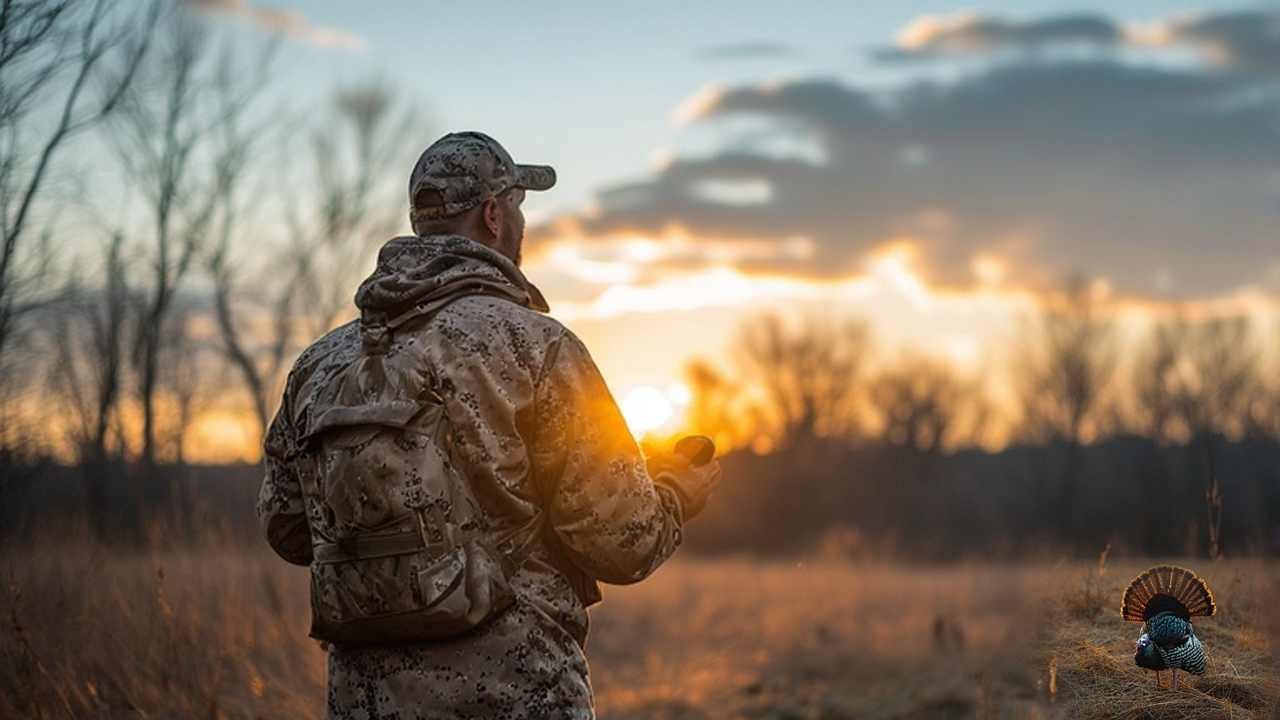
Massachusetts 2026-2027 Turkey Season: Hunting Rules Overview
You’ve come to the right place if you want to chase gobblers around the Bay State this year. This guide tells you everything you need to know about the 2026-2027 wild turkey hunting season in Massachusetts, including the exact opening days, bag limits, licensing information, and the small rules that can make or break your hunt. We’ll go over the basics in plain English, whether you’re an experienced caller or getting ready for your first spring morning in the woods.
The Massachusetts Division of Fisheries and Wildlife (MassWildlife) has been carefully managing wildlife for decades, which has helped the state build a strong reputation for having good wild turkey populations. The state has chances in both spring and fall, and each one is unique and difficult in its own way. During the breeding season, spring hunts focus on bearded birds. In the fall, hunters can harvest birds of either sex in certain areas. Let’s get into the details so you can plan your trips with confidence.
Quick Overview
| Turkey Type | Season Dates (2026-2027) | Legal Methods |
|---|---|---|
| Spring Bearded Bird | April 26 – May 29, 2027 | Shotgun, archery, crossbow |
| Fall Either-Sex | October 26 – November 6, 2026 | Shotgun, archery, crossbow |
| Archery-Only Fall | October 19 – November 27, 2026 | Archery, crossbow only |
All Turkey Seasons: Detailed Breakdown
Here’s the full picture for the 2026-2027 cycle. Massachusetts structures its spring hunt into multiple permit periods to distribute pressure and improve hunter experience. Fall hunts are shorter and zone-specific.
| Season Name | Dates | Zones/Regions | Bag Limit | Permit Details |
|---|---|---|---|---|
| Youth Spring Hunt | April 24–25, 2027 | Statewide | 1 bearded bird | Youth hunters age 12–17 with licensed adult |
| Spring Period A | April 26 – May 8, 2027 | Statewide | 1 bearded bird | Lottery permit required |
| Spring Period B | May 10 – May 22, 2027 | Statewide | 1 bearded bird | Lottery permit required |
| Spring Period C | May 24 – May 29, 2027 | Statewide | 1 bearded bird | Lottery permit required |
| Archery-Only Fall | October 19 – November 27, 2026 | Zones 1–14 (select WMAs) | 1 bird either sex | Archery stamp required |
| Fall Shotgun | October 26 – November 6, 2026 | Zones 10–14 only | 1 bird either sex | Permit required, limited zones |
Important: Spring permits are awarded through a lottery system. You can apply for one period per application cycle, and MassWildlife typically opens the lottery in late winter. If you draw a permit, it’s valid for the entire period you selected—giving you flexibility to hunt multiple days within that window.
From my experience preparing for spring hunts, applying early and having backup plans for public land access makes a huge difference. The lottery can be competitive, especially for Period A when gobbling activity peaks.
More Bird Species 🕊️
Massachusetts offers additional upland bird hunting opportunities throughout the year. While this guide centers on wild turkeys, it’s worth noting these other legal game birds:
- Ruffed Grouse: October 10, 2026 – February 28, 2027 (statewide, daily bag limit 3)
- Ring-Necked Pheasant: October 10, 2026 – November 28, 2026 (select WMAs and zones, daily bag limit 2 roosters)
- American Woodcock: October 10, 2026 – November 23, 2026 (statewide, daily bag limit 3)
- Bobwhite Quail: October 10, 2026 – November 28, 2026 (limited zones, daily bag limit 2)
These dates complement the turkey calendar nicely, giving upland enthusiasts plenty of reasons to stay active in the field through late autumn. Always verify zone-specific rules before heading out, as some species have restricted areas.
Massachusetts Turkey Regulations 🌾
Understanding the rulebook keeps you legal and ethical. Here are the core regulations governing wild turkey pursuits across the Commonwealth:
- Legal Weapons: Shotguns (10-gauge or smaller), archery equipment including longbows and recurves, and crossbows. No rifles or handguns for turkey.
- Ammunition: Shot size restricted to #4 through #8 for shotguns. No larger shot permitted.
- Shooting Hours: One-half hour before sunrise until sunset during spring. Fall hours mirror this schedule.
- Electronic Calls: Legal for fall hunts only. Spring hunts require mouth calls or mechanical friction devices (no electronic amplification).
- Decoys: Permitted, but use caution—always positively identify your target and what’s beyond it.
- Tagging: Harvest must be tagged immediately with your permit validation. Keep the tag attached during transport.
- Transportation: Birds must remain identifiable as to species and sex until processed. Beards must stay attached during transport in spring.
- Land Access: Written permission required for private property. Many Wildlife Management Areas (WMAs) allow public hunting, but some have special regulations or require check-in.
- Hunter Orange: Not required for turkey hunting in Massachusetts, but strongly recommended when moving through areas with other game seasons open simultaneously.
- Baiting: Illegal to hunt over bait or within 10 days of bait removal. This includes feeding stations and food plots established primarily for hunting.
MassWildlife emphasizes ethical hunting practices, including passing on uncertain shots and respecting property boundaries. These rules exist not just for safety, but to ensure sustainable populations for future generations.
License & Tag Fees 🎟️
Licensing costs in Massachusetts are straightforward. Prices below reflect the 2026-2027 period and are subject to legislative updates, so confirm current rates through the MassWildlife website before purchase.
Resident Fees:
- Hunting License (annual): $27.50
- Sportsman’s License (includes hunting, fishing, archery/primitive firearms stamps): $150.00
- Spring Turkey Permit: $15.00 per period
- Fall Turkey Permit: $10.00
- Archery Stamp (required for archery fall turkey): $5.10
Non-Resident Fees:
- Hunting License (annual): $99.50
- Spring Turkey Permit: $45.00 per period
- Fall Turkey Permit: $30.00
- Archery Stamp: $5.10
Youth & Senior Discounts:
- Hunters aged 65-69: 50% discount on base license
- Hunters aged 70+: Free hunting license (permits still required)
- Youth under 15: License-free, but must complete hunter education and hunt with licensed adult
Where to Purchase:
Licenses and permits can be acquired online through the MassWildlife Online Licensing Portal, at authorized vendors statewide (sporting goods stores, town clerks), or by visiting a MassWildlife office directly. Online purchases are processed instantly, making them convenient for last-minute applications. Keep your confirmation and permit numbers handy—you’ll need them for harvest reporting.
Investing in quality hunting gear and ensuring you have proper outdoor insurance coverage can also protect your investment in this rewarding pastime, though these are personal choices beyond the licensing requirements.
License Requirements
Not everyone needs a full license, but understanding who does—and what education or stamps are necessary—keeps you compliant.
Who Needs a License:
- All hunters aged 15 and older must possess a valid Massachusetts hunting license.
- Non-residents hunting on private land or public WMAs need the appropriate non-resident license.
- Landowners hunting on their own property of 10 acres or more are exempt from the base license but still need species-specific permits (spring/fall turkey permits).
Hunter Education:
- First-time license applicants born after January 1, 1970, must complete a state-approved hunter education course before purchasing a license.
- Massachusetts accepts certifications from other states and provinces, provided they meet International Hunter Education Association (IHEA) standards.
- Courses cover firearms safety training, wildlife identification, ethics, and regulations—foundational knowledge that benefits every hunter.
Age Limits:
- Youth aged 12-14 may hunt without a license but must be accompanied by a licensed adult (21+) within arm’s reach at all times.
- Youth hunters are eligible for special youth-only spring turkey days, giving them first crack at the season.
Additional Stamps:
- Waterfowl hunters need a state waterfowl stamp and federal duck stamp, but these don’t apply to upland turkey pursuits.
- Archery equipment users during fall turkey hunts must purchase the archery stamp.
These requirements ensure hunters have the skills and knowledge to participate safely and responsibly, aligning with MassWildlife’s conservation mission.
FAQs Section
Q: What’s the best time of day to hunt wild turkeys in Massachusetts?
A: Early morning, right around sunrise, is prime time during spring. Gobblers are vocal on the roost and actively seeking hens. Late afternoon can also produce action as birds move back toward roosting areas. In fall, midday movement increases as flocks forage.
Q: Can beginners hunt turkeys, or do I need advanced skills?
A: Absolutely beginners are welcome—just complete your hunter education and practice calling before opening day. Many guided hunts and mentorship programs exist across the state to help newcomers learn the ropes. Public land access on select WMAs offers budget-friendly opportunities to get started.
Q: Are electronic calls allowed in Massachusetts?
A: Only during fall hunts. Spring regulations prohibit electronic or battery-powered calling devices to maintain traditional fair-chase standards. Stick with mouth diaphragms, box calls, or slate friction calls in spring.
Q: Can I hunt on public land without a reservation?
A: Most WMAs allow walk-in access without reservations, but some popular areas have check-in requirements or parking limits. A few WMAs require advance registration during spring turkey periods. Check MassWildlife’s WMA-specific regulations before your trip.
Q: What happens if I don’t draw a spring lottery permit?
A: You can reapply in subsequent lottery rounds if additional permits become available, or focus on fall opportunities. Some hunters also explore neighboring states’ seasons like Connecticut or Maine for expanded options.
Q: Do I need to report my harvest?
A: Yes. All harvested turkeys must be reported within seven days via the MassWildlife online system or by phone. This data drives population management decisions.
Q: Is hunting allowed on Sundays in Massachusetts?
A: Generally no. Sunday hunting remains prohibited in most of Massachusetts, with limited exceptions for specific properties or private preserves. Always verify local ordinances.
Conservation & Safety Add-Ons
Massachusetts’ thriving wild turkey population didn’t happen by accident. Decades of habitat restoration, regulated harvest limits, and science-based management by MassWildlife have turned the state into a model for successful wildlife recovery. When you buy a permit, those funds directly support ongoing research, land stewardship, and hunter education programs. Bag limits and permit quotas ensure sustainable harvests that keep populations healthy for the long haul.
Safety Reminders:
- Always positively identify your target—never shoot at movement, sound, or color alone.
- Avoid wearing red, white, or blue clothing that resembles a gobbler’s head.
- Set up with a solid backstop and know your safe shooting zone.
- Communicate with other hunters in your area, especially on public land.
- Carry a first-aid kit and let someone know your hunting location and return time.
- If using decoys, position them safely and retrieve them before moving.
Respecting Land Access:
Private land requires written landowner permission—no exceptions. If hunting public WMAs, follow posted regulations, pack out all trash, and leave gates as you found them. Many landowners welcome respectful hunters, but trespassing or careless behavior closes doors for everyone. Treat every property like it’s your own, and public land access will remain a privilege we can all enjoy.
For additional guidance on ethical hunting practices, the National Wild Turkey Federation (NWTF) offers excellent resources, including calling tips and conservation updates.
Conclusion
Planning a successful wild turkey hunt in Massachusetts comes down to preparation and respect—for the regulations, the land, and the birds themselves. With clear lottery dates for spring, zone-specific fall opportunities, and straightforward licensing through MassWildlife, you’ve got everything you need to make the 2026-2027 cycle memorable. Double-check permit deadlines, scout your spots early, and verify any regulation updates on the official MassWildlife page before you head out.
Whether you’re calling in a vocal tom on a misty May morning or slipping through October hardwoods with your bow, the Bay State delivers quality experiences for hunters willing to put in the effort. Stay safe, hunt ethically, and good luck out there.