
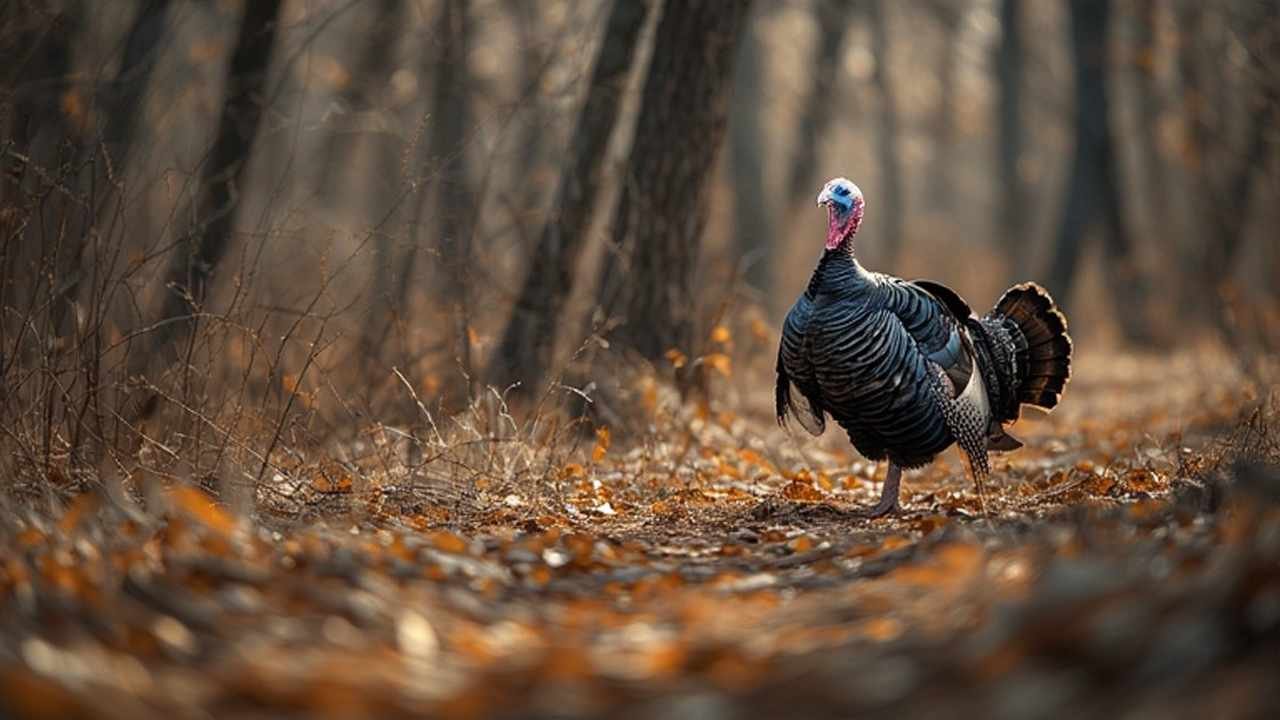
Mississippi Turkey Season 2026-2027: Zone-Based Hunting Dates
You know how amazing it is to hear a gobbler in the Mississippi woods at dawn. The state’s different habitats, from the pine-covered hills in the north to the bottomland hardwoods along the Delta, make it one of the best places in the Southeast to hunt. This guide tells you everything you need to know to plan a successful hunt in 2026–2027, such as the exact dates, zone breakdowns, licensing requirements, and the rules that protect our wild bird populations.
This resource has everything you need, whether you’re a first-timer trying to figure out what kind of permits you need or a veteran trying to make sure you’re following the rules. Let’s look at what makes Mississippi such a great place to visit in the spring and fall.
Quick Overview
| Turkey Type | Season Dates (2026-2027) | Legal Methods |
|---|---|---|
| Eastern Wild Turkey (Spring Youth) | March 14–15, 2026 | Shotgun, bow, crossbow |
| Eastern Wild Turkey (Spring) | March 21 – May 1, 2026 | Shotgun, bow, crossbow |
| Eastern Wild Turkey (Fall) | October 15 – November 1, 2026; November 20, 2026 – January 31, 2027 | Shotgun, bow, crossbow |
All Mississippi Turkey Seasons
| Season Name | Dates | Zones/Regions | Bag Limit | Permit/Tag Details |
|---|---|---|---|---|
| Spring Youth Hunt | March 14–15, 2026 | Statewide | 1 bearded bird per day | Youth must be 15 or younger; adult non-hunting companion required |
| Spring Gobbler Season | March 21 – May 1, 2026 | Statewide | 1 bearded bird per day; 3 per season | Valid hunting license + turkey permit required |
| Fall Either-Sex Season (Segment 1) | October 15 – November 1, 2026 | Statewide | 1 per day; 3 per season (combined spring/fall) | License + turkey permit required |
| Fall Either-Sex Season (Segment 2) | November 20, 2026 – January 31, 2027 | Statewide | 1 per day; 3 per season (combined spring/fall) | License + turkey permit required |
Note: The fall season includes a brief closed period in early November to accommodate other game activities and ensure sustainable harvest.
More Bird Species 🕊️
Mississippi offers additional upland bird opportunities beyond wild turkeys. Here’s a quick snapshot:
- Mourning Dove: September 1 – October 4, 2026; November 20, 2026 – January 15, 2027
Daily bag: 15 birds - Woodcock: December 18, 2026 – January 31, 2027
Daily bag: 3 birds - Snipe: December 18, 2026 – February 28, 2027
Daily bag: 8 birds - Quail: November 26, 2026 – March 1, 2027
Daily bag: 8 birds
These species add variety to your field time and help you stay active during the quieter months between spring gobbler hunts.
Mississippi Turkey Regulations 🌾
Understanding the rules isn’t just about avoiding fines—it’s about respecting the resource and ensuring future generations can enjoy the same opportunities. Here’s what you need to know:
- Legal Weapons: Shotguns (10-gauge or smaller), muzzleloading shotguns, bows, and crossbows are permitted. Rifles are prohibited for wild bird hunting.
- Shooting Hours: Spring hunts begin 30 minutes before sunrise and end at sunset. Fall hunts follow the same sunrise-to-sunset window.
- Electronic Calls: Legal for fall hunts only. Spring hunters must rely on traditional friction calls, box calls, or diaphragms.
- Tagging Requirements: Birds must be tagged immediately upon harvest using the confirmation number from your electronic license or a physical tag if you purchased a paper permit.
- Transport Rules: Leave one fully feathered wing or the head attached during transport to prove species and sex.
- Baiting Prohibition: Hunting over bait or within 100 yards of a baited area is illegal and can result in license revocation.
- Land Access: Always secure written permission before hunting private property. Public lands managed by the Mississippi Department of Wildlife, Fisheries, and Parks (MDWFP) offer ample opportunities, but some areas require special permits or have quota systems.
- Safety and Ethics: Wear hunter orange when required during overlapping seasons. Never shoot at sounds alone—always positively identify your target. Practice ethical shot distances and aim for clean, humane harvests.
From my experience preparing for spring hunts, double-checking your gear the night before and printing a copy of current regulations can save headaches at the access gate.
License & Tag Fees 🎟️
Investing in a hunting license directly funds habitat restoration, wildlife research, and law enforcement. Here’s the breakdown for 2026-2027:
Resident Fees:
- All-Game Hunting License: $24.00
- Turkey Permit: $14.00
- Sportsman’s License (includes all-game hunting, freshwater fishing, and assorted permits): $60.00
Non-Resident Fees:
- All-Game Hunting License: $251.00
- Turkey Permit: $51.00
- Non-Resident 5-Day All-Game Trip License: $76.00
Youth and Senior Discounts:
- Youth (ages 16 and under): Hunting license not required; turkey permit: $6.00
- Senior Residents (65+): Reduced All-Game License: $8.00
Where to Buy:
Licenses and permits can be purchased online through the MDWFP website, at authorized retail agents (sporting goods stores, outdoor outfitters), or by calling the license office. The state has embraced a streamlined electronic system, so your confirmation number serves as your legal proof of licensure. Keep a screenshot or printed copy in your pack.
Avoid last-minute rushes—purchasing early also gives you access to planning tools like interactive public land maps and harvest reporting systems.
License Requirements
Not everyone needs a full license, but understanding the rules prevents confusion:
- Who Needs a License?: All hunters age 16 and older must carry a valid all-game hunting license and turkey permit while afield.
- Hunter Education: First-time license buyers born after January 1, 1972, must complete a hunter education course approved by MDWFP or another state. The course covers firearms safety training, wildlife identification, and hunting ethics. Online and in-person options are available.
- Age Limits: Youth hunts are open to anyone 15 years old or younger. Adult supervision is mandatory, and the supervising adult must hold a valid license (though they cannot harvest a bird during the youth-only weekend).
- Landowner Exemptions: Resident landowners hunting on their own property, along with their spouses and minor children, do not need a hunting license but still require a turkey permit for compliance with bag limits and reporting.
- Military and Disability Considerations: Mississippi offers free or reduced-cost licenses for active-duty military, disabled veterans, and individuals with certain disabilities. Check the MDWFP website for eligibility and application procedures.
FAQs Section
Q: What’s the best time of day to hunt Mississippi turkeys?
A: Early morning remains prime time. Birds typically fly down from roost around sunrise, making the first two hours after daylight your best window. However, mid-morning action can pick up as hens leave gobblers to nest, especially in late April.
Q: Can beginners hunt during spring season, or is it experts-only?
A: Absolutely! Spring hunts are beginner-friendly. Consider joining a mentored hunt program or tagging along with an experienced friend. The youth weekend is specifically designed to introduce newcomers in a lower-pressure environment.
Q: Are electronic calls allowed in Mississippi?
A: Only during fall hunts. Spring regulations require manual calling devices to preserve the traditional challenge of the chase.
Q: How much public land access does Mississippi offer?
A: Quite a bit. MDWFP manages over 1 million acres of Wildlife Management Areas (WMAs), national forests, and other public lands. Some WMAs operate on a quota system requiring advance registration, while others are open access. Check the Public Land Hunting Guide for specifics.
Q: What should I do if I harvest a bird on the last day of the season?
A: Tag it immediately and report your harvest through the electronic system or by phone within 24 hours. Prompt reporting helps biologists track population trends and set sustainable limits for future years.
Q: Can I hunt both spring and fall seasons?
A: Yes, but your combined annual bag limit is three bearded birds across both seasons. Plan accordingly if you hunt aggressively in spring.
Q: Do I need special permits for guided hunts?
A: Your standard license and permit cover most situations, but if you book a commercial guided hunt, the outfitter will inform you of any additional requirements or access fees.
Conservation & Safety: Why Regulations Matter
Mississippi’s wild bird populations have rebounded dramatically since restoration efforts began in the mid-20th century. Bag limits, controlled seasons, and habitat management ensure that harvest remains sustainable. When you follow the rules—like reporting your take and respecting closed periods—you’re directly contributing to conservation success.
Safety Reminders:
- Treat every firearm as if it’s loaded
- Keep your finger off the trigger until ready to shoot
- Always identify your target and what’s beyond it
- Wear hunter orange during overlapping deer or small game seasons
- Let someone know your hunting location and expected return time
- Carry a first aid kit and know basic wilderness first aid
Respecting private land boundaries and practicing Leave No Trace principles on public lands protects access for everyone. If you’re fortunate enough to secure permission on private property, a thank-you note or offer to help with land maintenance goes a long way.
Conclusion
To plan a successful Mississippi hunt in 2026–2027, you need to know the dates, the rules, and how to respect the resource. Getting ready makes all the difference, whether you’re chasing a spring gobbler through blooming dogwoods or fall birds in the cool Delta air. Before you go out, make sure to check the new rules with the Mississippi Department of Wildlife, Fisheries, and Parks. Always hunt in a way that is fair.
If you’re exploring opportunities in neighboring states, you might also want to review details on Alabama’s spring structure or learn how Louisiana’s coastal zones compare. For the latest research on wild bird management practices, the National Wild Turkey Federation and U.S. Fish & Wildlife Service offer excellent resources.
Now get out there, practice your calls, and make this your best hunt yet.