
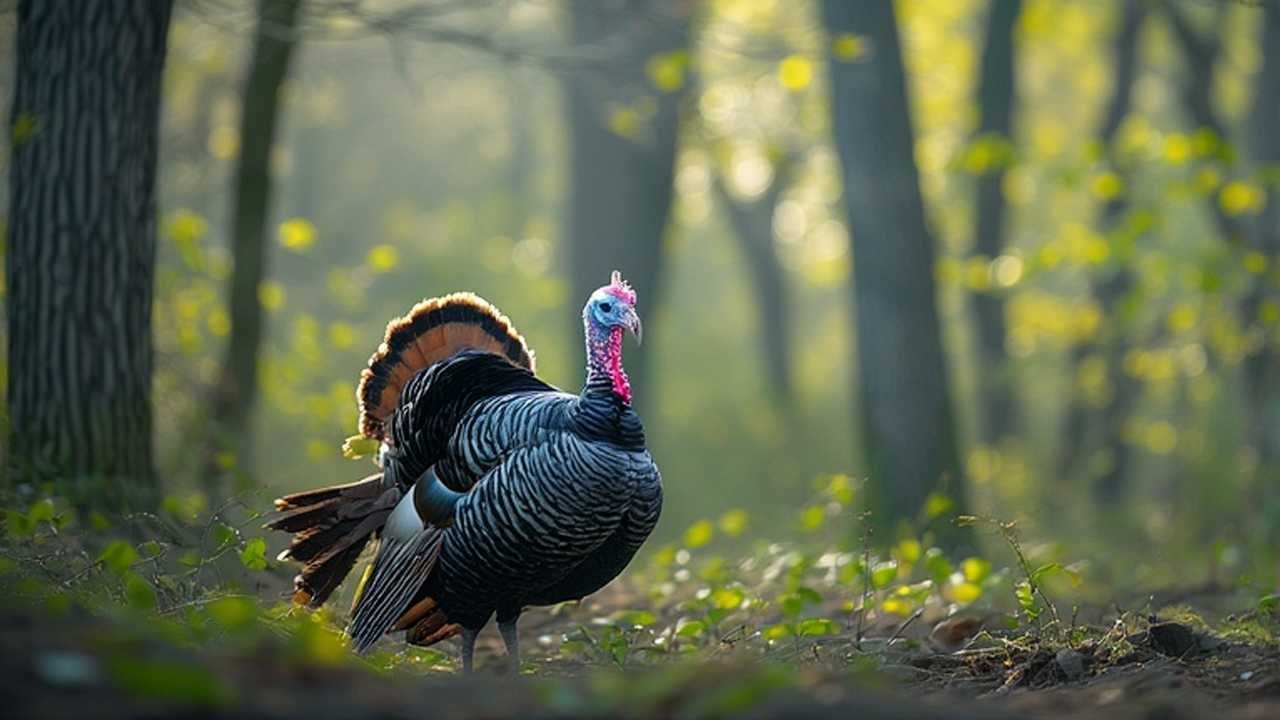
New Jersey’s Turkey Season 2026-2027: Permit-Based Hunting Periods
You might be surprised by New Jersey. If you know when and where to go, the Garden State, which is tucked away between major cities, offers some truly rewarding spring gobbler hunting. Everything you need for the 2026–2027 hunting season is covered in this guide, including precise dates, zone breakdowns, bag limits, and the rules that maintain healthy hunter and bird populations.
You can find the information here, whether you’re an experienced person looking for new public land access locations or a novice figuring out hunting licenses. We’ll talk about the wild birds that roam the forests of New Jersey, the permits you’ll need, and some useful advice I’ve gathered over the years for Northeast spring hunts.
🦃 Quick Overview
| Species | Season Dates | Legal Methods |
|---|---|---|
| Wild Turkey (Spring) | April 19 – May 23, 2027 | Shotgun, bow, crossbow |
| Wild Turkey (Fall/Winter) | October 30 – November 27, 2026 | Shotgun, bow, crossbow |
| Wild Turkey (Youth Spring) | April 10 – 11, 2027 | Shotgun, bow, crossbow |
📅 All Turkey Seasons: Detailed Breakdown
| Season Name | Dates (2026-2027) | Zones/Regions | Bag Limit | Permit Details |
|---|---|---|---|---|
| Youth Spring Gobbler | April 10–11, 2027 | Statewide | 1 bearded bird per day (2 total) | Youth turkey permit required |
| Spring Gobbler (Regular) | April 19 – May 23, 2027 | Statewide | 1 bearded bird per day (2 total) | Spring turkey permit required |
| Fall/Winter (Either-Sex) | October 30 – November 27, 2026 | Statewide | 1 bird per day (either sex) | Fall turkey permit required |
| Shotgun Permit (6-Day) | April 19 – May 23, 2027 | Statewide | 1 bearded bird | Optional 6-day permit available |
Note: The youth weekend gives young hunters (ages 10–15) a head start before the general opener. From my experience preparing for spring hunts, this is a fantastic way to introduce kids to the sport without the pressure of crowded woods.
🕊️ More Bird Species
New Jersey doesn’t stop at turkeys. The state offers additional upland bird opportunities worth noting:
- Ruffed Grouse: October 2026 – January 2027 (limited distribution, mostly northwestern counties)
- Ring-Necked Pheasant: November 2026 – February 2027 (stocked on select Wildlife Management Areas)
- Quail (Bobwhite): November 2026 – February 2027 (rare, mostly found in southern agricultural regions)
- Mourning Dove: September 2026 – January 2027 (split seasons, check regulations for exact dates)
- Woodcock: October 2026 – January 2027 (migratory, best in wet woodlands)
If you’re planning a multi-species outing, be sure to verify zone-specific rules and possession limits through the New Jersey Division of Fish and Wildlife.
🌾 New Jersey Turkey Regulations
Staying legal and ethical keeps the resource healthy and your license valid. Here’s what you need to know:
- Legal Weapons: Shotguns (10-gauge or smaller), muzzleloaders, bows, and crossbows are permitted. No rifles or pistols.
- Shooting Hours: Spring gobbler hunts run from one-half hour before sunrise to sunset. Fall/winter hunts follow the same window.
- Calls & Decoys: Electronic calls are prohibited for wild turkey hunting. Mouth calls, box calls, and slate calls are all fair game.
- Tagging Requirements: Immediately upon harvest, attach your transportation tag to the bird. Keep it attached during transport and storage.
- Land Access: New Jersey has numerous Wildlife Management Areas open to public hunting. Always confirm boundaries and respect posted private property. Some WMAs require firearms safety training certifications or special permits.
- Bearded Bird Rule (Spring): Only bearded turkeys may be taken during spring hunts. If you’re new to this, the “beard” is the tuft of feathers hanging from the chest—most mature gobblers sport one, but occasionally hens do too.
- Blaze Orange: Not required for turkey hunting, but wearing an orange hat or vest when moving through the woods can prevent tragic mistakes.
- Harassment & Baiting: It’s illegal to bait wild turkeys or hunt over baited areas. Respect fair-chase principles.
🎟️ License & Tag Fees
Here’s the breakdown for the 2026-2027 period. Prices are approximate and subject to change, so verify with the New Jersey Division of Fish and Wildlife before purchasing:
Resident Hunters:
- Firearm Hunting License: ~$42
- Archery License: ~$32
- Spring Turkey Permit: ~$28
- Fall Turkey Permit: ~$20
- Youth Turkey Permit: ~$11
Non-Resident Hunters:
- Firearm Hunting License: ~$135
- Archery License: ~$95
- Spring Turkey Permit: ~$61
- Fall Turkey Permit: ~$45
Youth & Senior Discounts:
- Hunters aged 10–15 qualify for reduced youth permits.
- Seniors (65+) may receive discounted base hunting licenses.
Where to Buy:
Licenses and permits are available online through the official state portal, at authorized sporting goods retailers, and at select municipal offices. I always recommend purchasing early—turkey tags can sell out in popular zones, and you’ll want your paperwork squared away before scouting trips.
If you’re planning a guided hunt with an outfitter, confirm whether permits are included or if you need to secure them separately.
📋 License Requirements
Not everyone needs the same credentials. Here’s who qualifies and what’s required:
- Age Minimum: Hunters aged 10–15 must be accompanied by a licensed adult (21+) and possess a valid youth permit.
- Hunter Education: New Jersey mandates completion of a hunter education course for anyone born after January 1, 1980. This includes classroom or online instruction covering firearms safety training, wildlife identification, and ethical hunting practices.
- Landowner Exemptions: If you own or lease at least 50 acres in New Jersey, you may qualify for a landowner license exemption on your own property. Verify eligibility and documentation requirements with the Division of Fish and Wildlife.
- Previous License Holders: If you’ve held a New Jersey hunting license in the past, you’re generally exempt from hunter education but still need to renew annually.
❓ Frequently Asked Questions
Q: What’s the best time of day to hunt turkeys in New Jersey?
A: Early morning is prime time. Gobblers typically roost at night and fly down at first light, making the first hour or two after sunrise ideal. Late afternoon can also be productive as birds move toward roosting sites.
Q: Can I use electronic calls?
A: No. Electronic or battery-powered calls are illegal for turkey hunting in New Jersey. Stick with mouth calls, box calls, or slate calls.
Q: Are beginners allowed to hunt turkeys?
A: Absolutely, as long as you’ve completed the required hunter education course and have the proper permits. I always suggest tagging along with an experienced hunter your first time out—turkey behavior can be tricky to read.
Q: How much public land is available for turkey hunting?
A: New Jersey has over 350,000 acres of Wildlife Management Areas. Popular spots include Wharton State Forest, Peaslee Wildlife Management Area, and Greenwood Forest. Check public land access maps on the state website for boundaries and parking areas.
Q: Can I hunt both spring and fall seasons?
A: Yes, but you’ll need separate permits for each. Spring hunts target bearded birds only, while fall/winter hunts allow either sex.
Q: What shotgun choke and load should I use?
A: A full or extra-full choke paired with #4, #5, or #6 shot is standard for turkeys. Pattern your shotgun at 40 yards to ensure clean, ethical kills. Many hunters also invest in quality hunting gear like turkey vests and seat cushions for long sits.
Q: Do I need outdoor insurance for hunting trips?
A: While not legally required, some hunters carry liability insurance or join conservation organizations that offer coverage. It’s especially useful if you hunt private land or guide others.
🌿 Conservation & Safety
New Jersey’s turkey population wasn’t always robust. Reintroduction efforts in the 1970s and 80s brought wild turkeys back from near-extinction in the state. Today’s regulations—including limited bag limits, spring-only gobbler hunts, and mandatory permits—ensure sustainable populations for future generations.
Safety Reminders:
- Always positively identify your target. Never shoot at movement or sound alone.
- Wear camouflage to blend in, but avoid red, white, or blue—colors that resemble a gobbler’s head.
- Choose your setup carefully. Sit against a tree wider than your shoulders and ensure a safe backstop.
- Let someone know your hunting location and expected return time.
- Carry a first-aid kit and know the basics of wilderness emergency response.
Respecting Land Access:
Public lands are a shared resource. Pack out what you pack in, avoid disturbing non-target wildlife, and follow all posted regulations. If you’re fortunate enough to hunt private property, always ask permission, respect boundaries, and offer to help with habitat management or invasive species control.
🏁 Conclusion
It looks like 2026–2027 will be another good year for wild turkey opportunities in New Jersey. The secret is preparation, whether you’re trying your luck in the fall either-sex hunt, chasing spring gobblers through May, or heading to the woods for the youth opener in April. Before opening day, double-check your permits, inspect your locations, and review your calling strategies.
The purpose of regulations is to safeguard resources and ensure everyone’s safety. To avoid any last-minute changes, confirm all dates and regulations with the New Jersey Division of Fish and Wildlife before you leave.
If you’re exploring options in nearby states, you might also check out Pennsylvania’s turkey opportunities or compare notes with hunters tackling Connecticut’s spring gobbler regulations. For national perspectives on wild turkey management and best practices, the National Wild Turkey Federation is an excellent resource.
Good luck this spring, and now go out there and practice your yelps. Waiting are the Garden State gobblers.