
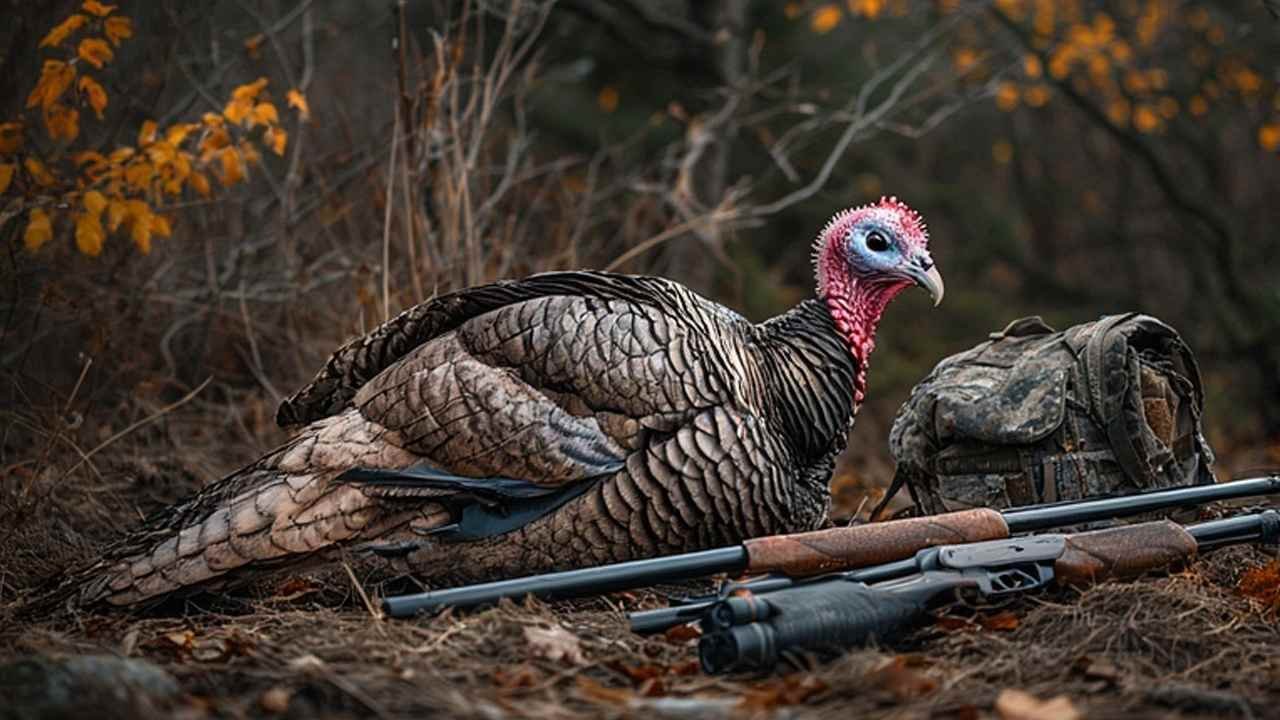
Rhode Island Turkey Season 2026-2027: State Hunting Rules
Despite being the smallest state in the country, Rhode Island’s wild turkey population has significantly increased over the past several decades, providing hunters with worthwhile spring and autumn hunting chances. This book includes everything you need to know for the 2026–2027 hunting season, from precise dates and bag limits to license requirements and ethical hunting techniques, regardless of whether you’re a novice gobbler hunter or an experienced hunter seeking to try something new.
My experience getting ready for spring hunts in New England has taught me that respecting the property you hunt, knowing the regulations, and scouting your zones early are the first steps toward success. The Department of Environmental Management (DEM) in Rhode Island closely controls wild turkey numbers to preserve habitat and guarantee sustainable harvests. To help you prepare with confidence and hunt properly, this book will take you through the most recent laws, hunting techniques, and license information.
Quick Overview
| Turkey Type | Open Date | Close Date | Legal Methods |
|---|---|---|---|
| Spring Gobbler | April 20, 2026 | May 31, 2026 | Shotgun, bow, crossbow |
| Fall Either-Sex | October 1, 2026 | November 30, 2026 | Shotgun, bow, crossbow |
All Turkey Seasons – Detailed Guide🦃
| Season Name | Dates (2026-2027) | Zones/Regions | Bag Limit | Permit/Tag Details |
|---|---|---|---|---|
| Spring Gobbler | April 20 – May 31, 2026 | Statewide | 1 bearded bird | Valid hunting license and turkey permit required |
| Youth Spring Hunt | April 18 – 19, 2026 | Statewide | 1 bearded bird | Youth must be accompanied by licensed, non-hunting adult |
| Fall Either-Sex | October 1 – November 30, 2026 | Statewide | 1 bird (any sex) | Valid hunting license and turkey permit required |
Note: Hunters may take one bird during the spring period and one during the fall period, for a total of two birds per license year. Always verify current regulations with the Rhode Island Department of Environmental Management before heading out, as dates and limits are subject to change.
More Bird Species 🕊️
Rhode Island offers opportunities for upland game bird enthusiasts beyond wild turkeys. While the Ocean State’s small footprint limits some species, dedicated hunters can pursue the following during their respective open periods:
- Ruffed Grouse: October 1 – January 31, 2027 (statewide; daily bag limit of 2)
- Bobwhite Quail: October 15 – February 28, 2027 (limited availability; daily bag limit of 4)
- Ring-Necked Pheasant: October 15 – February 28, 2027 (primarily in wildlife management areas; daily bag limit of 2 roosters)
- Woodcock: October 10 – November 23, 2026 (daily bag limit of 3)
These species offer variety for hunters looking to extend their time afield after turkey season wraps up. Public lands managed by the DEM often provide stocked pheasant opportunities, especially popular among hunters seeking to introduce newcomers to the sport.
Rhode Island Turkey Regulations 🌾
Hunting regulations exist to promote safety, fairness, and conservation. Here’s what you need to know:
- Legal Weapons: Shotguns (10-gauge or smaller), bows with a minimum pull of 30 pounds, and crossbows are permitted. Rifles and handguns are prohibited for turkey hunting.
- Shooting Hours: One-half hour before sunrise to one-half hour after sunset. Always confirm daily sunrise and sunset times before your hunt.
- Calling Restrictions: Electronic calls and recorded sounds are not allowed. Use only hand-operated calls like box calls, slate calls, or diaphragms.
- Tagging Requirements: Immediately upon harvest, attach your turkey permit tag to the bird. Keep the tag affixed during transport and storage.
- Land Access: Always obtain written permission before hunting on private property. Public wildlife management areas are open to licensed hunters but may have specific entry rules or seasonal closures.
- Decoys and Blinds: Legal to use, but be mindful of visibility to other hunters. Wear blaze orange when moving to and from your setup for safety.
- Baiting: Using bait or hunting over baited areas is illegal. Bait is defined as any grain, salt, or other feed placed to attract wildlife.
- Ethical Harvest: Only shoot at turkeys within effective range. Aim for the head and neck to ensure a clean, humane kill. Avoid shooting at birds on the roost.
Rhode Island’s compact geography means you’re often hunting near residential areas or hiking trails, so heightened awareness and safe firearm handling are critical.
License & Tag Fees 🎟️
Understanding the cost structure helps you budget your hunt and stay compliant. Here are the standard fees for the 2026-2027 period:
- Resident Hunting License: $18 (annual)
- Resident Turkey Permit: $10 (required in addition to the base hunting license)
- Non-Resident Hunting License: $51 (annual)
- Non-Resident Turkey Permit: $28
- Youth Hunting License (ages 13-17): $6 (Rhode Island residents only)
- Youth Turkey Permit: $5
Where to Purchase: Licenses and permits can be purchased online through the Rhode Island DEM’s licensing portal, at authorized retail vendors across the state, or by visiting the DEM office in Providence. Many hunters appreciate the convenience of online renewals, which allow you to print confirmations immediately. If you’re planning a hunt in neighboring states like Connecticut or Massachusetts, be sure to review their specific regulations and licensing requirements as well.
Senior and military discounts may be available—check the official DEM website for the latest details.
License Requirements
Not everyone needs a full hunting license, but most do. Here’s the breakdown:
- Who Needs a License: Anyone age 15 or older hunting wild turkeys in Rhode Island must possess a valid hunting license and turkey permit.
- Hunter Education: All first-time hunters born after January 1, 1967, must complete a state-approved hunter education course before purchasing a license. Rhode Island accepts courses certified by the International Hunter Education Association (IHEA).
- Age Rules: Youth under 15 may hunt with a valid youth license and must be accompanied by a licensed adult (21 or older) within normal voice contact at all times.
- Landowner Exemptions: Residents who own and hunt exclusively on their own land (10 acres or more) may qualify for reduced fees, but a turkey permit is still required.
Keeping your education certificate handy—whether digital or printed—will save you headaches if a conservation officer requests verification in the field.
FAQs Section
Q: What’s the best time of day to hunt wild turkeys in Rhode Island?
A: Spring mornings are prime time. Gobblers are most vocal shortly after fly-down, typically within the first two hours after sunrise. Late morning can also be productive as birds move between feeding and roosting areas. In fall, midday scouting and patient setups near feeding zones often yield results.
Q: Can I hunt as a beginner, or do I need prior experience?
A: Beginners are absolutely welcome. Completing a hunter education course equips you with essential knowledge about firearms safety, wildlife identification, and ethical practices. Consider joining a mentored hunt or connecting with a local hunting club for hands-on guidance.
Q: Are electronic turkey calls legal in Rhode Island?
A: No. Electronic or recorded calls are prohibited. Stick with manual calls—friction calls, mouth calls, and wingbone calls are all fair game and provide a more authentic experience.
Q: Where can I hunt turkeys in Rhode Island—public land only or private too?
A: Both are options. Public wildlife management areas like Arcadia, Great Swamp, and Big River offer accessible hunting, but they can see pressure during peak times. Private land requires written landowner permission but often provides quieter, less-crowded opportunities.
Q: How many turkeys can I harvest in one year?
A: You may harvest one bird during the spring season (bearded bird only) and one bird of either sex during the fall, for a total of two birds per license year.
Q: Do I need to wear blaze orange while turkey hunting?
A: Rhode Island does not require blaze orange during turkey season, but wearing it while entering and leaving your hunting area significantly increases visibility and safety. Remove it once you’re set up to avoid spooking birds.
Q: What should I do immediately after harvesting a turkey?
A: Attach your turkey permit tag to the bird right away. Report your harvest through the DEM’s online system or phone hotline within 24 hours. Proper reporting helps biologists monitor population health and adjust future regulations.
Conservation & Safety
Rhode Island’s wild turkey recovery is a conservation success story. Once extirpated from the state, turkeys were reintroduced starting in the 1980s through careful trapping and relocation efforts. Today’s healthy, huntable population exists because of science-based management, habitat protection, and hunter-funded conservation programs.
Hunting regulations—such as bag limits, restricted methods, and closed seasons—are designed to maintain sustainable populations while preventing overharvest. When you purchase a hunting license or turkey permit, a portion of those fees supports wildlife research, habitat restoration, and public land access.
Safety Reminders:
- Always positively identify your target and what lies beyond it before firing.
- Never stalk a turkey. Calling birds into range is safer and more effective.
- Use a blaze orange vest or hat when moving through the woods during general gun seasons.
- Inform someone of your hunting location and expected return time.
- Avoid wearing red, white, or blue clothing—colors that resemble a gobbler’s head.
- Practice firearm safety at all times: treat every gun as if it’s loaded, keep your finger off the trigger until ready to shoot, and control your muzzle direction.
Respecting private property boundaries and public land rules protects access for future generations. Always pack out what you pack in, and leave the land better than you found it.
For additional safety tips and hunting best practices, the National Wild Turkey Federation (NWTF) offers excellent resources for hunters of all skill levels.
Conclusion
The forecast for wild turkey hunting in Rhode Island for 2026–2027 is favorable, with organized spring and autumn chances for both locals and tourists. Success depends on planning, adherence to rules, and a dedication to ethical hunting, whether you’re filling your fall tag in the hardwoods of Arcadia or pursuing a noisy gobbler in April.
Prior to opening day, scout the sites you have selected, confirm dates, and obtain permissions in advance. Always check the Rhode Island DEM for the most recent information before traveling far from home because regulations might change depending on environmental variables and demographic data. Clean shots, tight lines, and the satisfying challenge of chasing one of the most recognizable game birds in North America.
For a comprehensive overview of Rhode Island’s hunting regulations and additional resources, visit the official Rhode Island hunting seasons page.