Wyoming’s Turkey Season 2026-2027: Hunting Areas and Rules
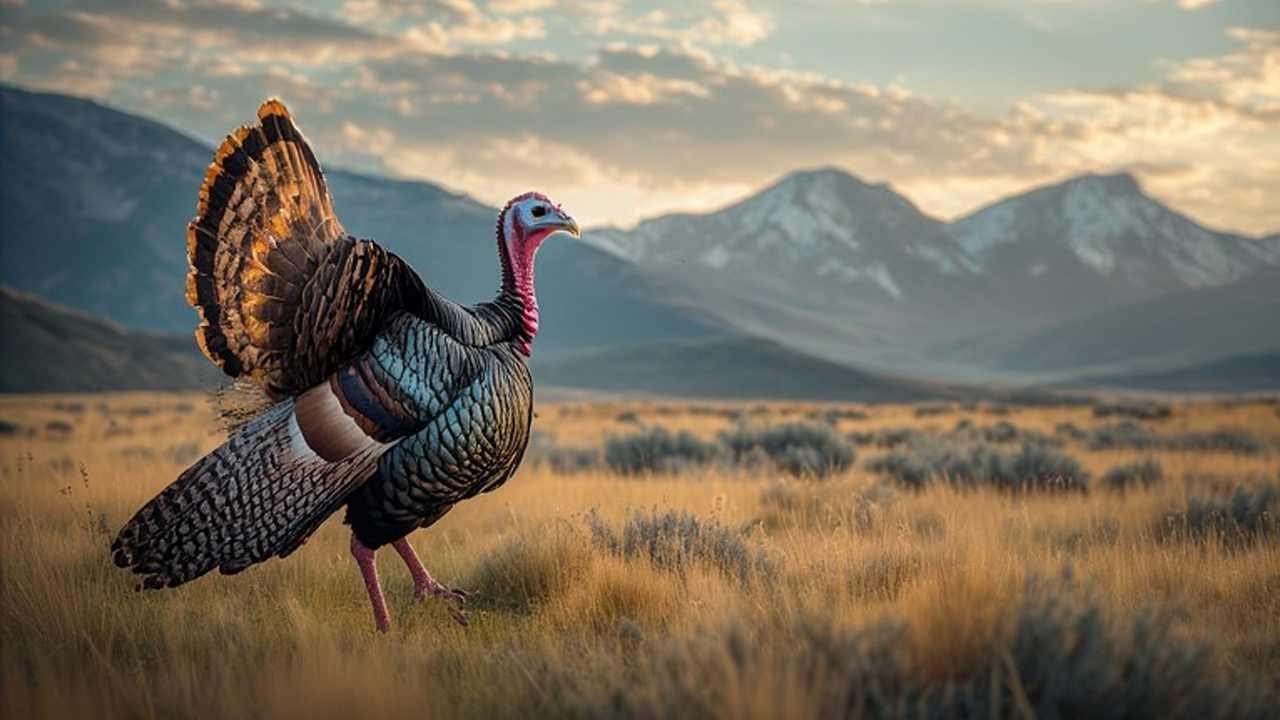
You will understand the allure of chasing wild turkeys in the Cowboy State if you have ever waited in the coolness of a predawn Wyoming spring morning, waiting for that first gobble to reverberate across the sagebrush hills. When people think of excellent bird hunting, Wyoming may not be the first destination that springs to mind, but those who have visited know better. The number of Merriam’s wild turkeys has been rapidly increasing, and both novices and seasoned hunters will have some very thrilling possibilities during the 2026–2027 hunting season.
Everything you need to know is covered in this guide, including precise opening and closing times, local hunting zones, bag restrictions, license requirements, and the rules that ensure the health of our flocks for future generations. You may find all the information you need here, whether you’re a local organizing your yearly spring hunt or a visitor wishing to add a Wyoming gobbler to your collection.
Quick Overview
| Bird Type | Primary Dates (2026-2027) | Legal Methods |
|---|---|---|
| Merriam’s Wild Turkey (Spring) | April 1 – May 31, 2026 | Shotgun, archery, crossbow |
| Merriam’s Wild Turkey (Fall) | September 1 – December 31, 2026 | Shotgun, archery, crossbow |
| Merriam’s Wild Turkey (Spring) | April 1 – May 31, 2027 | Shotgun, archery, crossbow |
All Turkey Seasons – Detailed Breakdown
| Season Name | Dates | Hunt Areas | Bag Limit | Permit Notes |
|---|---|---|---|---|
| Spring General | April 1 – May 31, 2026 | Statewide (where populations exist) | 2 bearded birds | General hunting license required; turkey tag needed |
| Fall General | September 1 – December 31, 2026 | Statewide (check local WMU availability) | 2 birds of either sex | General license + turkey tag; verify unit-specific rules |
| Spring General | April 1 – May 31, 2027 | Statewide (where populations exist) | 2 bearded birds | General hunting license required; turkey tag needed |
Wyoming’s wild turkey hunting is structured around two main windows: a spring pursuit focused on breeding gobblers and a fall opportunity that allows hunters to take birds of either sex. The spring hunt is when most people hit the field, and for good reason—gobblers are vocal, responsive to calls, and the weather is generally cooperative (though you’ll want layers; Wyoming springs can surprise you).
From my experience preparing for spring hunts, I always recommend scouting your chosen Wildlife Management Unit (WMU) a week or two ahead of time. Listen for roosting birds at dawn and dusk, look for tracks near water sources, and talk to locals if you can. The Wyoming Game and Fish Department provides detailed maps showing where Merriam’s populations are most concentrated, primarily in the Black Hills region, along the eastern foothills, and scattered pockets in central and northern counties.
Fall hunting is less predictable because birds aren’t as vocal, but it can be incredibly rewarding if you’re willing to put in the footwork. You’re not limited to bearded birds during autumn, so hens are fair game—just be sure you’re comfortable with your target identification and shot placement.
More Bird Species 🕊️
While wild turkeys get a lot of attention, Wyoming offers a variety of upland bird opportunities throughout the year. Here’s a quick snapshot of other game birds you can pursue:
- Sage Grouse: Limited by special permit due to conservation concerns; check annual draws and hunt area restrictions carefully.
- Sharp-tailed Grouse: September 1 – January 10, 2027; found in grassland and sagebrush areas.
- Blue Grouse (Dusky Grouse): September 1 – December 31, 2026; common in forested mountain zones.
- Ring-necked Pheasant: October 1 – January 10, 2027; primarily in agricultural areas of the eastern plains.
- Chukar Partridge: September 1 – January 31, 2027; scattered populations in rocky, arid terrain.
- Hungarian Partridge: September 1 – January 10, 2027; often found alongside pheasants in farm country.
Each species has its own bag limits and area-specific rules, so double-check the current regulations digest before heading out. If you’re planning a mixed-bag upland adventure, Wyoming’s diverse landscapes can keep you busy from September straight through to the new year.
Wyoming Turkey Regulations 🌾
Understanding the rules isn’t just about staying legal—it’s about respecting the resource and ensuring future generations can enjoy these pursuits. Here’s what you need to know:
- Legal Weapons: Shotguns (10-gauge or smaller), archery equipment (including crossbows with proper draw weight), and muzzleloading firearms are all allowed. Rifles are not legal for wild turkey hunting.
- Shooting Hours: One-half hour before sunrise to one-half hour after sunset. Don’t be that person who starts calling in the dark—it’s unsafe and illegal.
- Electronic Calls: As of the 2026 regulations, electronic calls and decoys are permitted. Some purists prefer mouth calls and slate, but there’s no restriction if you want to use a modern setup.
- Land Access: Wyoming has generous public land access through state Wildlife Management Areas, BLM lands, and national forest parcels. Always verify boundaries using onX Maps or similar tools, and never assume you can cross private ground without permission—Wyoming landowners take trespassing seriously.
- Tagging & Transport: Your turkey tag must be validated immediately upon harvest. Attach it securely to the bird and keep it with the carcass during transport. If you’re crossing state lines, check additional documentation requirements.
- Hunter Orange: Not required for turkey hunting, but use your judgment—if you’re in an area with concurrent big game activity, wearing blaze orange on your back and head (not while calling, of course) is a smart safety move.
- Ethical Shots: Only take clean shots within your effective range. Wild turkeys are tough birds, and a wounded gobbler that escapes is a loss for everyone. Pattern your shotgun or practice with your bow long before opening day.
License & Tag Fees 🎟️
Licenses and tags are your ticket to legal, ethical hunting, and they directly fund habitat conservation and population management efforts. Here’s what you’ll be looking at for 2026–2027:
Resident Pricing:
- Conservation Stamp: $21.50 (required annually for hunting/fishing)
- Bird Hunting License: $24
- Turkey Tag: $12 each (you can purchase up to two tags per year)
Non-Resident Pricing:
- Conservation Stamp: $21.50
- Bird Hunting License: $95
- Turkey Tag: $38 each
Youth & Senior Discounts:
Wyoming offers reduced-cost or sometimes free licenses for young hunters and senior residents. Kids under 18 can often hunt under a youth license, and seniors (65+) qualify for special pricing. Visit the Wyoming Game and Fish Department website or call your local office to confirm current discount structures.
Where to Buy:
You can purchase hunting licenses online through the official Game and Fish licensing portal, at authorized sporting goods retailers across the state, or directly at regional department offices. I recommend buying early, especially if you’re planning a spring opener trip—having your paperwork sorted ahead of time means one less thing to worry about when you’re packing your gear.
License Requirements
Before you can legally hunt wild turkeys in Wyoming, you need to meet a few key criteria:
- Who Needs a License: Anyone 14 years or older pursuing game birds must have a valid hunting license and appropriate tags. Younger hunters can participate under a youth license with adult supervision.
- Hunter Education: All hunters born after January 1, 1966, must complete a state-approved hunter safety course before purchasing their first license. Wyoming recognizes certifications from other states, so if you’ve already got your card, you’re good to go. The course covers firearms safety training, wildlife identification, and ethical hunting practices—essential knowledge whether you’re brand new or just need a refresher.
- Age Limits: Kids under 14 can hunt under direct supervision of a licensed adult. At 14, they can hunt independently if they’ve completed hunter education.
- Landowner Exemptions: Some states offer special landowner privileges, but Wyoming does not have a blanket exemption for residents hunting on their own property. You still need a valid license and tag, though landowner preference programs exist for certain big game draws (not applicable to wild turkeys).
FAQs Section
Q: What’s the best time of day to hunt wild turkeys in Wyoming?
A: Early morning is prime time. Gobblers typically fly down from their roosts around sunrise and are most vocal for the first few hours of daylight. That said, mid-morning and late afternoon can also be productive, especially if birds are feeding or moving between areas. Don’t pack up at 9 a.m.—some of my best encounters have happened around 10 or 11 when the woods quieted down and a lonely tom came looking for company.
Q: Can beginners hunt turkeys in Wyoming, or is it only for experienced hunters?
A: Absolutely beginners are welcome! If you’ve completed hunter safety and secured your license and tag, you’re legally good to go. I’d recommend starting with spring hunts when birds are more responsive, and consider tagging along with a mentor or joining a local hunting club for your first outing. There’s no substitute for on-the-ground experience.
Q: Are electronic calls and decoys allowed?
A: Yes. Wyoming regulations permit the use of electronic calling devices and turkey decoys. Some hunters feel strongly about sticking to traditional calls, but there’s no legal restriction. Use what works for you—just be mindful that overcalling, electronic or not, can spook educated birds.
Q: Can I hunt on public land, or do I need private access?
A: Wyoming has abundant public land opportunities, including BLM tracts, national forests, and state Wildlife Management Areas. You do not need permission to hunt on these parcels, though you should always verify boundaries and be aware of any area-specific closures. If you’re after private land access, politely ask landowners ahead of time—many are willing to grant permission if you’re respectful and explain your plans. Guided hunts are also available through outfitters if you prefer a turnkey experience with local expertise.
Q: How do I know which Wildlife Management Unit has the best turkey population?
A: The Wyoming Game and Fish Department publishes annual reports and harvest statistics by unit. Historically, the northeastern counties (think Crook, Weston, and Niobrara) and areas around the Black Hills have strong Merriam’s populations. Central and north-central units are also showing growth. Check the department’s website or give them a call for the latest intel.
Q: What should I do if I harvest a turkey on the last day of the season and can’t transport it immediately?
A: Your tag must remain attached to the bird at all times during transport. If you need to store it briefly, keep it cool and out of direct sun. Be sure you’re complying with any state-specific game care regulations, and if you’re traveling across state lines, have your license and tag documentation handy.
Q: Do I need a separate habitat stamp or conservation fee?
A: Yes—the Conservation Stamp is mandatory for all hunters and anglers in Wyoming. It’s a small additional cost that goes directly toward habitat improvement, wildlife research, and access programs. Think of it as an investment in the future of hunting.
Conservation & Safety Add-Ons
Why Regulations Matter for Conservation:
Wyoming’s turkey population wasn’t always as robust as it is today. Through careful management, habitat restoration, and science-based bag limits, the state has successfully expanded Merriam’s wild turkey numbers into areas where they were once scarce or absent. The two-bird bag limit and seasonal structure are designed to maintain healthy flock dynamics, ensuring there are plenty of breeding birds each spring. Every license fee you pay supports ongoing research, habitat projects, and enforcement efforts that keep wildlife thriving for the long haul. For more insight into how other states manage their flocks, you might compare notes with Colorado’s turkey hunting regulations, which also focus on Merriam’s populations in similar terrain.
Quick Safety Reminders:
- Always positively identify your target—never shoot at sound or movement alone.
- Treat every firearm as if it’s loaded, and keep the muzzle pointed in a safe direction.
- Wear appropriate hearing and eye protection when patterning your shotgun.
- Let someone know where you’ll be hunting and when you plan to return.
- Be aware of other hunters—spring woods can be crowded on opening weekend.
- Avoid wearing red, white, or blue clothing (colors that can resemble a gobbler’s head).
- If you’re hunting near agricultural areas or public campgrounds, respect non-hunting users and keep noise to a minimum outside of legal shooting hours.
Public Land and Private Property Respect:
Wyoming’s outdoor culture is built on mutual respect between hunters, landowners, and other recreationists. If you’re on public land, pack out what you pack in, follow Leave No Trace principles, and be courteous to hikers, campers, and wildlife watchers. On private ground, always ask permission, close gates behind you, and stay within agreed-upon boundaries. A courteous hunter today is often welcomed back next year—burn that bridge, and you’ve lost access for good.
For additional context on ethical hunting practices and regulations across the West, the National Wild Turkey Federation offers excellent resources and educational materials that align with Wyoming’s management goals.
Conclusion
Thanks to wise management and better habitat conditions, Wyoming’s 2026–2027 wild turkey hunting possibilities are looking to be among the greatest in recent memory. Taking the time to learn the rules, obtain the required permissions, and research your hunt location will make all the difference, whether you’re planning a family fall hunt on a private ranch or a solitary spring chase in the foothills.
Keep in mind that while these dates and laws are current as of this writing, they may change depending on environmental factors and population surveys. Before going out into the field, always check with the Wyoming Game and Fish Department for the most recent information. There’s nothing like seeing the sun rise over Wyoming’s high country while a far-off gobbler heralds the beginning of a new day, so respect the resource, hunt ethically, and savor every moment.
Safe hunting and best of luck!