
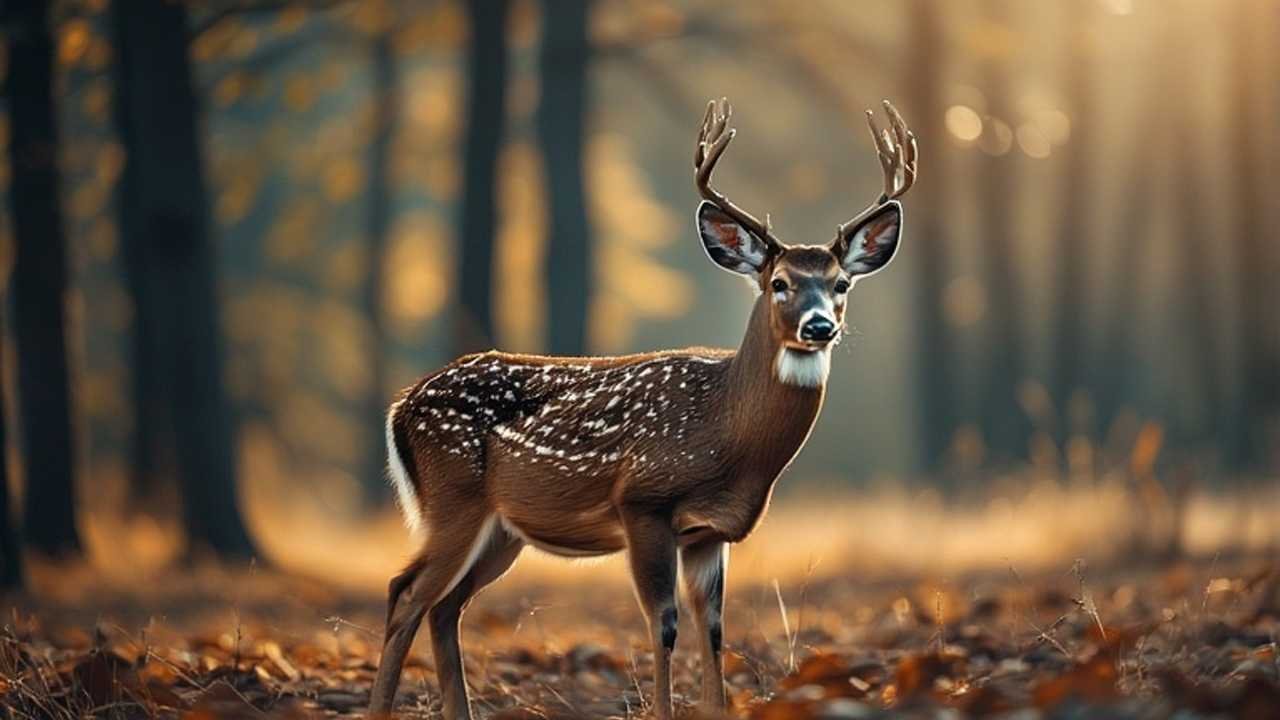
Iowa Outdoor Hunting Adventures 2026-2027: From Whitetails to Waterfowl
So you’re ready to plan the next couple of years of time in the field, and you want the straight facts about the Hawkeye State’s game calendar. Whether you grew up chasing whitetails in the river bottoms or you’re a visitor hoping to draw a tag for the first time, this guide lays out the verified schedule for the 2026–2027 stretch: solid dates for deer, turkey, waterfowl, upland birds, furbearers, and everything in between, plus the permit requirements that keep you legal.
Every date below comes from the official Iowa DNR hunting seasons page and the agency’s 2026/27 regulations booklet — not guesswork. Keep in mind that agencies occasionally tweak a date or a limit after publication, so it’s smart to double-check the booklet again right before you head out. Now let’s break it down species by species.
If you also compare nearby regulations before building a Midwest trip, it can help to look at neighboring states too, especially if you split time across borders. One solid comparison point is Illinois hunting seasons.
📅 Quick Reference Points
Here’s the fast version for anyone who just wants the headline numbers. Full details and legal-method notes follow in each section below.
| Species | 2026–27 Window (highlights) | Legal Methods | Youth Options |
|---|---|---|---|
| Deer | Archery Oct 1 – Jan 10 (two splits) | Bow, muzzleloader, shotgun, straight-wall rifle | Sept 19 – Oct 4 |
| Turkey (spring 2027) | Apr 9 – May 16 | Gun/bow combo; archery-only | Apr 9 – 11 (residents) |
| Turkey (fall 2026) | Oct 1 – Dec 4 | Gun/bow; archery-only (residents) | Fall youth not offered |
| Pheasant | Oct 31 – Jan 10 | Shotgun, rimfire, bow | Oct 24 – 25 |
| Rabbit | Sept 5 – Feb 28 | Shotgun, .22, bow | Runs with regular season |
| Ducks | Oct 3 – Dec 22 by zone | Shotgun (non-toxic shot) | Youth waterfowl late Sept – mid Oct |
| Geese | Sept 26 – Jan 23 by zone | Shotgun, electronic calls allowed for snows | Youth waterfowl above |
| Coyote | Year-round | Firearms, bow, traps with license | N/A |
| Crow | Two splits, fall & late winter | Shotgun, .22 rimfire | N/A |
That’s the skeleton. Now for the meat of the schedule.
🦌 Big Game Overview
Iowa is a whitetail state, full stop. There’s no bear population to target and no general elk season — those species simply don’t live here in huntable numbers, and the DNR doesn’t offer tags for them. If you came hoping for elk or bear, you’d need to head west to states like Colorado or Montana instead.
What Iowa lacks in exotic big game it makes up for in deer quality. The state is famous for record-book bucks and genuinely good antler genetics, and the 2026–27 layout keeps the traditional rhythm intact.
Deer Season Calendar (2026/27)
| Season | Dates | Notes |
|---|---|---|
| Youth | Sept 19 – Oct 4 | Ages 15 and under, must be accompanied |
| Disabled Hunter | Sept 19 – Oct 4 | Special permit holders |
| Archery – Early Split | Oct 1 – Dec 4 | Bows, crossbows now legal for all |
| Archery – Late Split | Dec 21 – Jan 10, 2027 | Same license covers both halves |
| Early Muzzleloader | Oct 17 – 25 | Inline and traditional muzzleloaders |
| Late Muzzleloader | Dec 21 – Jan 10, 2027 | |
| Shotgun 1 | Dec 5 – 9 | The classic gun opener |
| Shotgun 2 | Dec 12 – 20 |
Legal firearms during the youth, disabled, and the two shotgun windows include pistols and revolvers with at least a 4-inch barrel, plus straight-wall and “necked-down” cartridge rifles firing an expanding bullet between .350 and .500 caliber with at least 500 foot-pounds of muzzle energy. Popular picks like .350 Legend, .450 Bushmaster, .444 Marlin, and .45-70 all fit the rules. If your cartridge is borderline, run it by a local conservation officer before opening day.
How Deer Licensing Works
Residents can buy up to two General Deer licenses — one archery tag and one firearm tag of choice. Tags break down as any-sex (buck plus antlerless where quotas allow), first antlerless, and additional antlerless at different price points. Landowners and tenants get heavily discounted tags on their own ground.
Zones: Iowa now runs a two-zone framework for resident deer hunting:
- Zone A – most counties, with county-specific antlerless quotas and the antlered-buck-only restriction during first gun season (except landowner-tenant permits).
- Zone B – the eight counties of Crawford, Ida, Lyon, O’Brien, Plymouth, Shelby, Sioux, and Woodbury. Zone B is antlered-buck-only in all standard seasons, allows only limited county any-deer licenses sold first-come at 9 a.m. on Aug. 15, and prohibits party hunting — each hunter tags their own deer.
Nonresidents: applications open the first Saturday in May and close the first Sunday in June, run through a quota draw. It’s a lottery for most out-of-state hunters, so don’t dawdle — and note that nonresident access in Zone B is restricted.
🦃 Turkey Dates
Wild turkeys are a legit comeback story in Iowa, and spring is prime time. The DNR reports strong hatches in both 2024 and 2025, which should translate into plenty of jakes and young toms for the 2027 spring run. Roughly half of the state’s 99 counties saw birds harvested last spring — the turkey isn’t scarce anywhere.
Fall 2026 Turkey
| Season | Dates | Who’s Eligible |
|---|---|---|
| Gun/Bow Combination | Oct 12 – Dec 4 | Residents only |
| Archery-Only | Oct 1 – Dec 4 | Residents |
| Archery-Only (late) | Dec 21 – Jan 10, 2027 | Residents |
Nonresidents can’t get fall turkey tags in Iowa — that’s a resident-only deal. Fall limits run one bird per valid license.
Spring 2027 Turkey
| Season | Dates | Notes |
|---|---|---|
| Youth | Apr 9 – 11 | Residents only, age 15 and under |
| Season 1 | Apr 12 – 15 | Gun/bow combo |
| Season 2 | Apr 16 – 20 | Gun/bow combo |
| Season 3 | Apr 21 – 27 | Gun/bow combo |
| Season 4 | Apr 28 – May 16 | Gun/bow combo, longest stretch |
| Archery-Only | Apr 12 – May 16 | Residents |
Spring hunters may pick up to two seasons, with at least one being Season 4 — that spreads pressure across the whole month of May. Resident turkey tags cost $28.50; landowner/tenant tags drop to $1. Spring licenses go on sale Dec. 15, while fall tags hit the market Aug. 15. Bag limit is one bearded or male bird per tag, and you must report any harvest by midnight the day after you tag it. Shooting hours are half-hour before sunrise to sunset for guns, with bows allowed a half-hour past sunset.
Midwestern public-land enthusiasts look forward to spring turkey hunting in Iowa each April, where zone-based seasons help manage the state’s dense river-bottom flocks.
🦝 Furbearer Opportunities
Furbearer hunting and trapping in Iowa is a long season with generous limits, and it’s a great winter pastime once the big-game dates wrap up. A furharvester license is required to hunt or trap any furbearer, including raccoon — that’s a non-negotiable rule even for private landowners. Raccoon and coyote have continuous open hunting seasons on private land; the formal furbearer calendar applies to most other species.
| Species | Season Dates | Daily / Possession Limit | Notes |
|---|---|---|---|
| Coyote | Year-round (hunting) | No limit | Also Nov 7 – Feb 28 for trapping |
| Raccoon (private land) | Continuous | No limit | License needed regardless |
| Raccoon, Opossum, Badger, Mink, Skunk, Muskrat, Foxes, Weasel | Nov 7 – Feb 28, 2027 | No limit | Covers hunting & trapping |
| Beaver | Nov 7 – Apr 15, 2027 | No limit | Extra-long window |
| Bobcat | Nov 7 – Feb 28, 2027 | Per regs booklet | Check county quotas |
| River Otter | Nov 7 – Feb 28, 2027 | Per regs booklet | Check county quotas |
Interesting quirk: furbearer seasons don’t open until 8 a.m. on the first day, an Iowa tradition that keeps the opener from turning into another gun season. Coyote calling is effectively a year-round pursuit here, and bobcat/otter tags carry county-by-county quotas — some units sell out fast, so apply early.
🐦 Small Game Section
If you like walking fencerows with a dog and a shotgun, Iowa’s small-game lineup is solid. Pheasant country lives mostly in the northwest half of the state, but birds can show up anywhere with decent habitat. Cottontail rabbit is the most widespread option, and fox/gray squirrel offers the longest-running pursuit of the group.
| Species | Season Dates | Daily Bag | Possession |
|---|---|---|---|
| Pheasant – Youth | Oct 24 – 25 | 1 (rooster) | 2 |
| Pheasant – Rooster | Oct 31 – Jan 10, 2027 | 3 | 12 |
| Bobwhite Quail | Oct 31 – Jan 31, 2027 | 8 | 16 |
| Gray Partridge | Oct 10 – Jan 31, 2027 | 8 | 16 |
| Ruffed Grouse | Oct 3 – Jan 31, 2027 | 3 | 6 |
| Cottontail Rabbit | Sept 5 – Feb 28, 2027 | 10 | 20 |
| Fox & Gray Squirrel | Sept 5 – Jan 31, 2027 | 6 | 12 |
| Mourning Dove | Sept 1 – Nov 29 | 15 (federal framework) | 45 |
Shooting hours for pheasant, quail, and partridge are 8 a.m. to 4:30 p.m., which keeps birds alive through the morning flight and protects late-day roosting. Grouse and rabbit run sunrise to sunset, and squirrel has no hour restrictions at all — you can hunt them all day. Dove season sits inside the federal framework and pairs with the state’s $11.50 migratory bird fee plus a Harvest Information Program registration.
🦆 Complete Waterfowl Seasons
Waterfowl is where Iowa’s three-zone system really matters. The state splits into North, Central, and South zones, each with its own duck and goose calendar. A federal duck stamp (now available as an E-Stamp through the Go Outdoors Iowa portal and valid for the entire season) is required for anyone 16 and older chasing ducks — details live on the US Fish & Wildlife Service duck stamp program page. Iowa also runs a special September teal-only season, opening this year for nine days beginning Sept. 5 statewide.
| Zone | Youth Waterfowl | Ducks, Coots & Mergansers | Dark & Light Geese |
|---|---|---|---|
| North | Sept 26 – 27 | Oct 3 – 9 & Oct 17 – Dec 8 | Sept 26 – Oct 11; Oct 17 – Dec 8; Dec 12 – Jan 9 |
| Central | Oct 3 – 4 | Oct 10 – 16 & Oct 24 – Dec 15 | Oct 3 – 18; Oct 24 – Dec 15; Dec 19 – Jan 16 |
| South | Oct 10 – 11 | Oct 17 – 23 & Oct 31 – Dec 22 | Oct 10 – 25; Oct 31 – Dec 22; Dec 26 – Jan 23 |
Standard duck limits sit at six birds daily with species sub-limits (mallards, pintails, and canvasbacks each carry their own caps), and shooting hours run from a half-hour before sunrise to sunset. Non-toxic shot is mandatory everywhere for waterfowl — steel, bismuth, or tungsten only.
Beyond ducks and geese, the migratory lineup covers several other species under the same federal framework. Statewide windows for snipe, rail, and woodcock generally mirror the federal seasons; doves are Sep 1 – Nov 29. Hunters need the state migratory bird fee and HIP registration in addition to a base license, and those rules apply to every migratory species, not just ducks.
🐗 Other Available Game
Beyond the headline species, Iowa keeps the oddballs covered — and a couple of them have genuinely funny rules.
| Species | Window | Notes |
|---|---|---|
| Crow | Two splits: fall and Jan – Mar | Hunting has long been considered unregulated in Iowa, but federal migratory rules technically apply; check the booklet |
| Groundhog | Year-round | No bag limit, no closed season |
| Pigeon | Year-round | Same continuous open status |
| Coyote | Year-round | Covered under furbearer rules above |
| Bullfrog / Green Frog | Take tied to fishing regs | A fishing license covers frogging; limits in the regs booklet |
Two clarifications worth making: Iowa does not have a sandhill crane season (unlike neighbors like Wisconsin or Tennessee, cranes are protected here), and there’s no bear hunting at all. Frog gigging and noodling remain fun low-cost outings for families — grab a fishing license and a flashlight, and you’re set for summer evenings. For oddball rules like these, the regulation booklet is genuinely worth a scan before you go because they change more often than the headline seasons.
🗺️ Hunting Zones
Iowa doesn’t use one giant uniform map for everything. You’ll juggle three different geographic systems depending on what you chase:
- Deer: two zones (A and B) plus county-specific antlerless quotas. The DNR publishes a deer zone map PDF showing exactly which counties fall where.
- Waterfowl: North / Central / South zones, with most hunters in the Central and South regions.
- Turkey & small game: statewide seasons with no zone divisions.
Before you set foot on any property, remember the golden rule: Iowa is roughly 97% private land. Public access comes through state wildlife management areas, county conservation land, federal refuges, and the state’s walk-in access program. Always confirm you’re on public ground or have written permission from the landowner — trespassing is one of the fastest ways to lose access privileges for everyone. The DNR’s hunting atlas layers all public parcels onto one interactive map, which is the single most useful tool for scouting new ground.
🎟️ Permits, Tags & Licenses Details
Here’s the full breakdown of what it costs to play, straight from the DNR fee schedule. One universal rule: anyone born after Jan. 1, 1972 must hold a hunter education certificate before buying a license — no exceptions.
Resident & Nonresident Base Licenses
| License | Cost |
|---|---|
| Resident Hunting | $22.00 |
| Resident Hunting / Habitat | $35.00 |
| Resident Habitat Fee (add-on) | $15.00 |
| Resident Apprentice License | $35.00 |
| Resident Fur Harvest 16+ | $26.00 |
| Resident Fur Harvester / Habitat 16+ | $39.00 |
| Nonresident Hunting / Habitat 18+ | $144.00 |
| Nonresident Hunting / Habitat under 18 | $45.00 |
| Nonresident 5-Day Hunt / Habitat | $90.00 |
| Nonresident Fur Harvester / Habitat | $247.00 |
| Resident Migratory Bird Fee | $11.50 |
Deer & Turkey Tags (Resident)
- Any-sex deer tag: $33.00
- First antlerless tag: $28.50
- Additional antlerless tags: $15.00 each
- Landowner/tenant any-sex: $2.00
- Landowner/tenant doe: $2.00
- Resident turkey tag: $28.50
- Landowner/tenant turkey: $1.00
A few extra things everyone should know:
- Physical tags are required for deer and turkey — no online delivery; you’ll get paperwork at the counter or by mail.
- The nonresident deer application runs from the first Saturday in May through the first Sunday in June, and it’s a quota draw.
- Furharvester license covers raccoon, coyote, bobcat, and everything else fur-bearing — even on land you own.
- The Outdoor Combo (hunting/fishing/habitat) at $55 is the value play for residents who do both.
- Every deer and turkey harvest must be reported by midnight the day after tagging — the DNR uses that data to set next year’s quotas.
Need to compare costs across state lines before committing to a destination? The Minnesota hunting seasons guide covers license prices, season layouts, and zone structures north of the border, which makes side-by-side planning straightforward.
❓ Iowa Hunting Quick FAQ
Do I need hunter education to buy a license?
Yes, if you were born after January 1, 1972. You must show proof of an approved hunter education course from Iowa or any other state before purchasing your first license. The apprentice license lets new hunters try it for one season with a licensed mentor before completing the course.
Can nonresidents hunt deer in Iowa?
Yes, but it’s a quota draw. The application window opens the first Saturday in May and closes the first Sunday in June, with results based on available permits. Nonresident deer hunting in Zone B is further restricted, so check eligibility before you apply.
Is there elk or bear hunting in Iowa?
No, and there isn’t a season to apply for. Iowa’s big-game scene is whitetail deer and turkey only. Hunters chasing elk or bear need to look at western states entirely outside this guide’s scope.
What do I need to hunt ducks?
A resident hunting (or hunting/habitat) license, the $11.50 migratory bird fee, a completed HIP registration, and a federal duck stamp — now available as an E-Stamp that’s valid the entire season. Non-toxic shot only.
When do spring turkey tags go on sale?
Dec. 15 for the following spring, and you can pick up to two seasons with at least one in Season 4. Fall turkey licenses go on sale Aug. 15, and they’re residents-only.
Can I shoot coyotes all year?
Yes — coyote hunting is a continuous open season in Iowa with no daily limit. Trapping coyotes, though, falls inside the formal furbearer calendar (Nov 7 – Feb 28), and you need a furharvester license either way.
Is party hunting allowed for deer?
In Zone A, yes, within certain rules. In Zone B, no — every hunter must tag their own deer. That’s one of the clearest differences between the two deer zones.
Conclusion
That’s the 2026–2027 Iowa picture in one place: deer stays on its familiar October-to-January rhythm with the two-zone system and separate shotgun splits; turkey offers spring and fall pages of the calendar with strict residency rules on fall permits; waterfowl runs zone-by-zone from late September through January; and the furbearer, small-game, and oddball seasons fill in everything else. There’s no bear or elk here — it’s a whitetail-and-turkey state built on public land access and solid habitat.
The practical takeaways are simple. Buy permits early — especially nonresident deer draws, Zone B county tags, and bobcat/otter quotas that sell out. Double-check the dates one more time against the official Iowa DNR regulations booklet before each outing, because late tweaks happen. And respect private land, because Iowa’s best hunting lies behind permission slips and open gates.
Bookmark this page and check back each year — we refresh the schedule annually as soon as the DNR publishes new dates, so you’ll always have a single, verified place to start your planning. Now get out there, scout smart, hunt safe, and enjoy the Hawkeye State.