
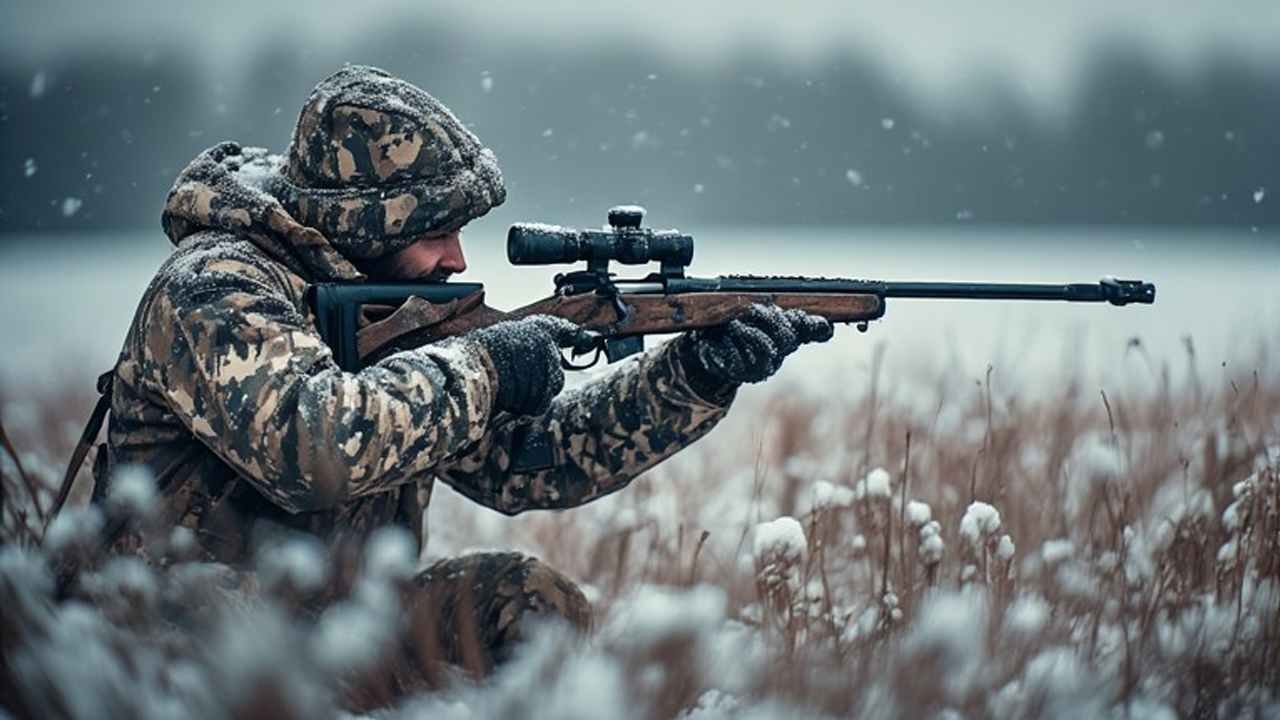
January Hunting Guide: 25+ Species You Can Hunt Right Now Across America
With many game species still in season during this winter month, January offers outstanding opportunities for hunters throughout the United States. Understanding regional variances, state-specific laws, and species availability is necessary to determine which animals are permissible to pursue in January. Predators and furbearers, upland birds like pheasants and quail, waterfowl like various duck and goose species, and big game species like white-tailed deer, elk, and wild hogs are all covered in this extensive guide to the main game animals that are available during the January hunting season. This resource offers state-by-state breakdowns, species-specific information, and useful tips for successful winter hunts, whether you’re an experienced hunter organizing your next trip or a novice looking into January hunting opportunities.
In the hunting calendar, January is a time of transition, with some seasons coming to an end and others continuing through the winter. While waterfowl seasons usually last until late January or early February, many states have open deer hunting seasons in January, especially for antlerless deer and muzzleloader hunts. During this time, hunting for small game is very popular, and most areas have access to rabbits, squirrels, and different upland birds. As the fur quality reaches premium condition in January, predator hunting—including that of coyotes and bobcats—reaches its peak.
Hunters must confirm the current state’s season and obtain the appropriate license before going out into the field because laws differ greatly between jurisdictions and can change every year depending on the goals of wildlife management.
Big Game Species Available in January
White-Tailed Deer
White-tailed deer hunting continues in numerous states throughout January, though opportunities vary considerably by region and weapon type.
States with January Deer Seasons:
| Region | States | Season Type | Typical Dates |
|---|---|---|---|
| Southeast | Alabama, Florida, Georgia, South Carolina | Antlerless, General | Early to mid-January |
| Midwest | Iowa, Kansas, Missouri | Antlerless, Late Muzzleloader | Throughout January |
| Northeast | New York, Pennsylvania, New Jersey | Special Permits, Antlerless | Early January |
| South Central | Arkansas, Louisiana, Mississippi, Texas | General, Does | Through late January |
| West | California (select zones) | Archery, General | Varies by zone |
January deer hunting typically focuses on antlerless deer and population management hunts. Many states offer extended seasons specifically targeting does to help maintain healthy deer populations. Late-season tactics differ from fall hunting, as deer patterns change with colder temperatures and reduced food availability.
January Deer Hunting Considerations:
- Deer concentrate around remaining food sources
- Snow tracking advantages in northern states
- Reduced hunting pressure compared to fall
- Colder temperatures require proper preparation
- Thermal cover becomes critical for locating deer
- Agricultural fields and food plots see increased activity
- Breeding behavior has concluded, changing movement patterns
Mule Deer
Western states maintain limited mule deer opportunities during January, primarily in southern regions with milder climates.
Active January Mule Deer States:
- Arizona: Select units with late seasons
- New Mexico: Specific game management units
- Texas: Trans-Pecos region
- California: Limited zones
- Nevada: Special late hunts (limited tags)
Mule deer hunting in January requires different strategies than earlier seasons, as bucks have shed antlers or are in late stages of antler retention, and deer have moved to winter ranges at lower elevations.
Elk
Elk hunting during January remains available in several western states, though opportunities are more limited than peak fall seasons.
January Elk Hunting Locations:
| State | Hunt Type | Areas | Notes |
|---|---|---|---|
| Montana | General, Cow | Various units | Primarily antlerless |
| Idaho | Controlled hunts | Southern zones | Special permits required |
| Wyoming | Late season | Select areas | Cow elk focus |
| Colorado | Late rifle, PLO | Limited units | Leftover licenses available |
| New Mexico | Select units | Various GMUs | Check specific unit dates |
| Arizona | Archery, general | Northern units | Premium tags |
January elk have moved to winter ranges, often on lower elevation public lands or private agricultural areas. Late-season elk hunts serve important management functions, particularly for cow elk population control.
Wild Hogs
Wild hog hunting represents one of the most consistently available January opportunities, with year-round seasons in most states where these invasive animals exist.
States with Year-Round Hog Hunting:
- Texas (no closed season, no bag limit)
- Florida (year-round on private land, seasonal on WMAs)
- Georgia (year-round with proper licensing)
- Louisiana (no closed season)
- Alabama (year-round availability)
- Oklahoma (year-round on private land)
- South Carolina (year-round opportunities)
- Arkansas (year-round hunting allowed)
- Mississippi (year-round with restrictions)
- California (year-round as non-game animal)
Wild hogs provide excellent January hunting because these invasive species cause agricultural damage and ecological harm, making population control a management priority. Cold weather doesn’t significantly impact hog activity, and reduced vegetation in winter improves visibility.
Black Bear
Limited black bear hunting continues in January in select southern states where seasons extend through winter months.
January Bear Hunting States:
- Florida: Active through February in most zones
- North Carolina: Mountain regions (limited)
- Virginia: Select counties with extended seasons
- California: Specific zones (check current regulations)
January bear hunting typically occurs in warmer climates where bears remain more active and don’t enter full hibernation. Southern black bears exhibit different behavior patterns than northern populations.
Upland Game Birds in January
Ring-Necked Pheasants
Pheasant hunting remains popular throughout January across much of their range, providing excellent cold-weather hunting opportunities.
States with January Pheasant Seasons:
| State | Season Status | Typical Closing Date |
|---|---|---|
| South Dakota | Open | Early to mid-January |
| Kansas | Open | Mid-January |
| Iowa | Open | Early January |
| Nebraska | Open | Late January |
| North Dakota | Open | Early January |
| Montana | Open | Early January |
| Wyoming | Open | Late January |
| Idaho | Open | Late January |
| Washington | Open | Mid-January |
| Oregon | Open | Late January |
Late-season pheasants concentrate in heavy cover areas, particularly cattail marshes, thick grasslands, and shelterbelts. Birds become more wary after months of hunting pressure, requiring different tactics than opening weekend approaches.
Bobwhite Quail
Bobwhite quail hunting continues strong in January throughout southern and southeastern states where populations remain healthy.
Prime January Quail States:
- Georgia: Through February
- Alabama: Through February
- Florida: Through March
- South Carolina: Through March
- Texas: Through February
- Oklahoma: Through mid-January
- Kansas: Through January
- Mississippi: Through February
January quail hunting benefits from reduced vegetation, making birds easier to locate and coveys more visible. Quail concentrate in predictable cover types during cold weather.
Scaled Quail and Gambel’s Quail
Western quail species provide January hunting opportunities in southwestern states.
Available Locations:
- New Mexico: Through mid-February
- Arizona: Through mid-January
- Texas: Through February (western regions)
- Oklahoma: Through mid-January (panhandle)
- Colorado: Through January (limited areas)
Ruffed Grouse
Northern states maintain ruffed grouse seasons through January, though some close by mid-month.
January Grouse States:
- Minnesota (through January)
- Wisconsin (through January)
- Michigan (through January)
- New York (varies by zone)
- Pennsylvania (through January)
- Vermont (through January)
Chukar Partridge
Western states known for chukar hunting maintain seasons through January.
Top Chukar States in January:
- Idaho: Through January
- Nevada: Through January
- Oregon: Through January
- Utah: Through late January
- Washington: Through January
- California: Through January
Waterfowl Hunting Opportunities
Duck Hunting
January represents the peak of late-season duck hunting across the United States, with all four flyways maintaining open seasons for most of the month.
Flyway Season Frameworks:
| Flyway | Typical January Status | Common Closing Dates |
|---|---|---|
| Atlantic | Open | Late January |
| Mississippi | Open | Late January |
| Central | Open | Late January |
| Pacific | Open | Late January |
Species Commonly Available in January:
- Mallards
- Pintails
- Widgeon
- Gadwall
- Teal (Green-winged)
- Scaup
- Canvasback
- Redheads
- Ring-necked ducks
- Buffleheads
- Goldeneyes
- Mergansers
January duck hunting presents unique challenges and advantages. Cold weather pushes ducks southward, concentrating birds in unfrozen waters. Late-season ducks are educated from months of hunting pressure, requiring skilled calling and realistic decoy spreads.
Goose Hunting
Canada goose and light goose hunting remains available throughout January in most states.
January Goose Hunting Categories:
Canada Geese:
- Regular season continues through late January
- Available in all flyways
- Resident populations supplement migrant birds
- Agricultural fields and open water remain key
Light Geese (Snow and Ross’s):
- Conservation order begins February 1 in some states
- Regular seasons through late January
- Large concentrations in mid-continent
- Special regulations apply in many areas
Prime January Goose States:
- Missouri (concentrated populations)
- Arkansas (peak migration timing)
- Texas (massive overwintering populations)
- California (Sacramento Valley)
- Louisiana (gulf coast concentrations)
- Maryland (Eastern Shore)
- North Carolina (coastal areas)
Sea Ducks
Specialized sea duck hunting continues in coastal states throughout January.
Available Species:
- Common eiders
- King eiders
- Harlequin ducks
- Long-tailed ducks (Oldsquaw)
- All three scoter species
- Both goldeneye species
Primary Locations:
- Maine (Atlantic coast)
- Massachusetts (coastal waters)
- Rhode Island (Narragansett Bay)
- New York (Long Island Sound)
- Washington (Puget Sound)
- Alaska (various coastal areas)
Small Game Hunting in January
Cottontail Rabbits
Rabbit hunting peaks during January across most of the United States, with seasons remaining open nationwide where populations exist.
Advantages of January Rabbit Hunting:
- Reduced vegetation improves visibility
- Snow tracking capabilities
- Active throughout winter months
- Excellent training opportunities for hunting dogs
- High populations in many areas
- Minimal hunting pressure
Primary Rabbit States:
Nearly all states maintain open rabbit seasons through January, with notable populations in Kansas, Missouri, Illinois, Indiana, Ohio, Pennsylvania, and throughout the South.
Squirrels (Gray and Fox)
Squirrel hunting continues strong through January in most states, providing accessible opportunities.
January Squirrel Hunting States:
Almost every state with squirrel populations maintains open seasons through January, including:
- All southeastern states
- Midwest states
- Mid-Atlantic region
- Southern New England
- Portions of western states
January squirrel hunting benefits from leafless trees, making animals more visible. Squirrels remain active during winter, particularly on warmer days and during mid-morning periods.
Snowshoe Hares
Northern states maintain snowshoe hare seasons through January in areas where populations exist.
Available States:
- Minnesota
- Wisconsin
- Michigan
- Maine
- Vermont
- New Hampshire
- Montana
- Idaho
- Washington
- Alaska
Predator and Furbearer Hunting
Coyotes
January represents prime time for coyote hunting across the entire United States, with most states maintaining year-round or extended winter seasons.
Why January is Peak Coyote Season:
- Breeding season activity increases movement
- Premium fur quality
- Reduced vegetation aids visibility
- Snow tracking advantages
- Increased vocalization responses
- Open seasons in nearly all states
State Regulations:
Most states classify coyotes as either unprotected animals or maintain generous year-round seasons. Notable exceptions require verification of specific state regulations.
Bobcats
Bobcat hunting and trapping seasons peak during January in states where these predators are managed as furbearers.
January Bobcat States:
| State | Season Status | License Requirements |
|---|---|---|
| Montana | Open | Furbearer license |
| Idaho | Open | Trapping/hunting license |
| Wyoming | Open | Valid license |
| Utah | Open | Permit required |
| Nevada | Open | Harvest reporting |
| Arizona | Open | Special permit |
| New Mexico | Open | Restricted units |
| Kansas | Open | Furbearer permit |
| Oklahoma | Open | Hunting license |
January provides optimal bobcat fur quality, making this month particularly valuable for trappers and hunters targeting these elusive predators.
Foxes (Red and Gray)
Fox hunting and trapping continues through January in most states with managed populations.
Available Throughout January:
- All southeastern states
- Midwest states
- Mid-Atlantic region
- Western states
- Northern states
Fox populations remain healthy in most regions, with liberal seasons reflecting their adaptability and reproductive success.
Raccoons
Raccoon hunting and trapping remains available through January nationwide, though regulations vary by state.
Hunting Methods:
- Night hunting with hounds (where legal)
- Trapping
- Daytime hunting
- Calling techniques
January raccoon hunting is particularly effective as animals are active and fur quality remains excellent throughout winter.
Exotic and Non-Native Species
Nilgai Antelope
Texas offers year-round nilgai antelope hunting, with January providing excellent opportunities.
Location: South Texas, particularly Kenedy and Willacy counties
Characteristics:
- Large Asian antelope species
- Free-ranging populations
- No closed season
- Excellent table fare
Axis Deer
Axis deer hunting continues year-round in Texas, with January representing prime opportunity.
Key Details:
- Central and South Texas ranches
- Year-round availability
- No seasonal restrictions
- Spot-and-stalk and stand hunting
Aoudad (Barbary Sheep)
Free-range aoudad hunting in Texas and New Mexico maintains open seasons through January.
Locations:
- West Texas (Palo Duro Canyon region)
- New Mexico (various units)
Wild Turkeys (Limited)
While most states close turkey seasons well before January, a few maintain limited winter opportunities.
January Turkey States:
- Florida: Limited areas with special seasons
- California: Select zones with winter hunts
- Texas: Special permits in certain counties
These represent exceptional opportunities rather than widespread availability.
Regional Hunting Breakdown
Northeastern United States
January Hunting Priorities:
- Late deer seasons (antlerless)
- Rabbit and squirrel hunting
- Waterfowl (until late January)
- Predator hunting (coyotes, foxes)
- Late pheasant seasons (select states)
- Ruffed grouse (early January)
Key States: New York, Pennsylvania, Vermont, Maine, New Hampshire, Massachusetts
Southeastern United States
Peak January Opportunities:
- Deer hunting (extended seasons)
- Waterfowl (ducks and geese)
- Quail hunting (bobwhite)
- Small game (rabbits, squirrels)
- Wild hogs (year-round)
- Predators (coyotes, foxes, bobcats)
Key States: Georgia, Alabama, Florida, South Carolina, North Carolina, Mississippi, Louisiana, Arkansas
Midwest
January Hunting Focus:
- Late deer seasons
- Pheasant hunting (early January)
- Waterfowl (prime timing)
- Rabbit hunting
- Squirrel hunting
- Coyote hunting
- Quail (southern areas)
Key States: Iowa, Missouri, Kansas, Nebraska, South Dakota, Illinois, Indiana, Ohio
Western Mountain States
Available Species:
- Elk (late seasons)
- Mule deer (limited units)
- Coyotes
- Mountain lions (with proper permits)
- Bobcats
- Pheasants
- Chukar partridge
- Waterfowl
Key States: Montana, Idaho, Wyoming, Colorado, Utah
Southwestern States
Hunting Opportunities:
- Quail species (scaled, Gambel’s)
- Javelina
- Mule deer (select units)
- Waterfowl
- Predators
- Wild hogs (Texas)
- Exotic species (Texas)
Key States: Arizona, New Mexico, Texas
West Coast
January Options:
- Waterfowl hunting (peak season)
- Deer (limited zones)
- Wild pigs (year-round)
- Upland birds (pheasants, chukar, quail)
- Predators
- Black-tailed deer (select areas)
Key States: California, Oregon, Washington
Essential January Hunting Considerations
Weather and Safety
January hunting presents unique challenges requiring proper preparation:
Cold Weather Preparedness:
- Layered clothing systems
- Insulated and waterproof boots
- Hand and foot warmers
- Emergency survival equipment
- Communication devices
- Weather monitoring
- Hypothermia awareness
Winter Hazards:
- Ice conditions on lakes and ponds
- Reduced daylight hours
- Severe weather potential
- Frostbite risks
- Snow and ice travel challenges
Licensing and Regulations
January hunters must ensure proper documentation before heading afield. Legal hunting requirements vary by state and species, making verification essential.
Required Documentation:
- Valid hunting license for target state
- Appropriate game tags or permits
- Federal waterfowl stamp (duck hunters)
- State waterfowl stamp (where required)
- Habitat stamps or conservation permits
- HIP certification (migratory bird hunters)
Equipment Needs
January hunting often requires specialized equipment beyond standard hunting gear:
Cold Weather Essentials:
- Insulated waders (waterfowl hunters)
- Hand muffs for duck blinds
- Heated insoles or socks
- Face masks and balaclavas
- Heavy-duty gloves with trigger finger
- Extreme cold rated clothing
Species-Specific Gear:
- Snow camouflage (northern states)
- Ice fishing shelters (field blinds)
- Snowshoes or cross-country skis
- Snow tracking aids
- Heated ground blinds
Game Care in Cold Weather
January temperatures benefit game care but require specific considerations:
Advantages:
- Natural refrigeration prevents spoilage
- Longer field time before processing
- Reduced insect concerns
Challenges:
- Freezing can complicate field dressing
- Meat can freeze before processing
- Snow and ice contamination
- Equipment maintenance in extreme cold
Frequently Asked Questions
What is the most popular game to hunt in January?
Waterfowl, particularly ducks and geese, represent the most popular January hunting activity across the United States. Late-season waterfowl hunting coincides with peak migrations and bird concentrations, drawing thousands of hunters to wetlands, agricultural fields, and coastal areas. White-tailed deer hunting in states with extended seasons and wild hog hunting in southern states also rank among top January pursuits.
Can you hunt deer in January?
Yes, numerous states maintain deer hunting seasons through January, though availability varies significantly by location. Many states offer antlerless deer seasons, special permit hunts, or extended muzzleloader seasons during January. States with January deer hunting include Alabama, Florida, Georgia, South Carolina, Texas, Arkansas, Louisiana, Missouri, Kansas, Iowa, and portions of several other states. Always verify specific dates and regulations with your state wildlife agency.
Is January a good time to hunt?
January provides excellent hunting opportunities for multiple reasons. Reduced hunting pressure after peak fall seasons means less competition for access and more relaxed game behavior. Cold weather concentrates animals around food sources and thermal cover, making patterns more predictable. Premium fur quality during January benefits predator and furbearer hunters. Waterfowl hunting peaks during January as migrations concentrate birds. Late-season hunting also offers unique challenges that appeal to experienced hunters seeking different experiences.
What states have the best January hunting?
Texas offers exceptional January hunting diversity, including deer, wild hogs, waterfowl, quail, and exotic species with year-round seasons. Arkansas and Louisiana provide outstanding waterfowl hunting with massive duck and goose concentrations. South Dakota and Kansas maintain excellent late pheasant seasons. Florida offers unique opportunities with deer, hogs, waterfowl, and quail all available. Georgia and Alabama provide excellent mixed-bag opportunities across multiple species. Missouri combines waterfowl, deer, small game, and predator hunting effectively.
Do I need special permits for January hunting?
Licensing requirements for January hunting depend on target species and location. Basic hunting licenses remain mandatory for all game species. Waterfowl hunters require Federal Duck Stamps and HIP certification, plus state waterfowl stamps in many jurisdictions. Some late-season deer hunts require special permits or drawings. Predator hunting typically requires only basic hunting licenses, though furbearer permits may be necessary for species like bobcats. Always research specific requirements before hunting, as regulations vary considerably between states and species.
What time of day is best for January hunting?
Optimal hunting times during January vary by species and weather conditions. Waterfowl hunting peaks during morning flights from roosts to feeding areas and afternoon returns. Deer movement increases during warmer midday periods in extreme cold, contrary to fall patterns when dawn and dusk dominate. Predator hunting succeeds throughout the day, though early morning, midday, and late afternoon often produce best results. Small game hunting typically excels during mid-morning through early afternoon when animals are most active during warmer daylight hours.
Is January hunting dangerous?
January hunting presents specific safety considerations but isn’t inherently more dangerous than other seasons when proper precautions are followed. Cold weather risks include hypothermia, frostbite, and ice-related hazards requiring appropriate clothing and awareness. Reduced daylight hours necessitate time management to avoid being caught after dark. Ice conditions on lakes and flooded timber pose drowning risks for waterfowl hunters. However, following essential hunting safety rules and proper cold-weather preparation makes January hunting as safe as any other period.
Can you hunt with dogs in January?
Yes, many forms of January hunting utilize dogs effectively. Waterfowl hunting commonly employs retrievers for recovering downed birds from water and fields. Rabbit hunting with beagles represents a classic January activity. Coon hunting with hounds continues through winter in most states. Upland bird hunting for pheasants and quail benefits greatly from pointing breeds and flushing dogs. Specific regulations regarding dog use vary by state and species, with some areas restricting or prohibiting dogs for certain game. Always verify local regulations before hunting with dogs.
Conclusion
From late-season big game opportunities in western mountains to waterfowl concentrations in southern wetlands, January hunting in the United States offers an incredible variety. Successful January expeditions depend on knowing which species are still in season, where opportunities are, and how hunting tactics are affected by winter conditions. January offers distinctive experiences that set it apart from more crowded fall seasons, whether you’re chasing white-tailed deer in southern timber, calling coyotes across snowy fields, or setting decoys for late-season mallards.
Understanding species-specific winter behavior patterns, preparing for cold weather, and researching current regulations are all necessary for successful January hunting. For those who are prepared to face the bitter cold, winter hunting offers unique challenges, concentrated game populations, and less hunting pressure. Because management goals and regulations are subject to annual changes based on wildlife population dynamics, make sure you are aware of all licensing requirements, season dates, and specific regulations for your target species and hunting location before you go afield.
With species-specific information, state-specific specifics, and useful hunting tactics for successful winter expeditions, this extensive guide gives hunters comprehensive, actionable information about January hunting opportunities across the United States.