
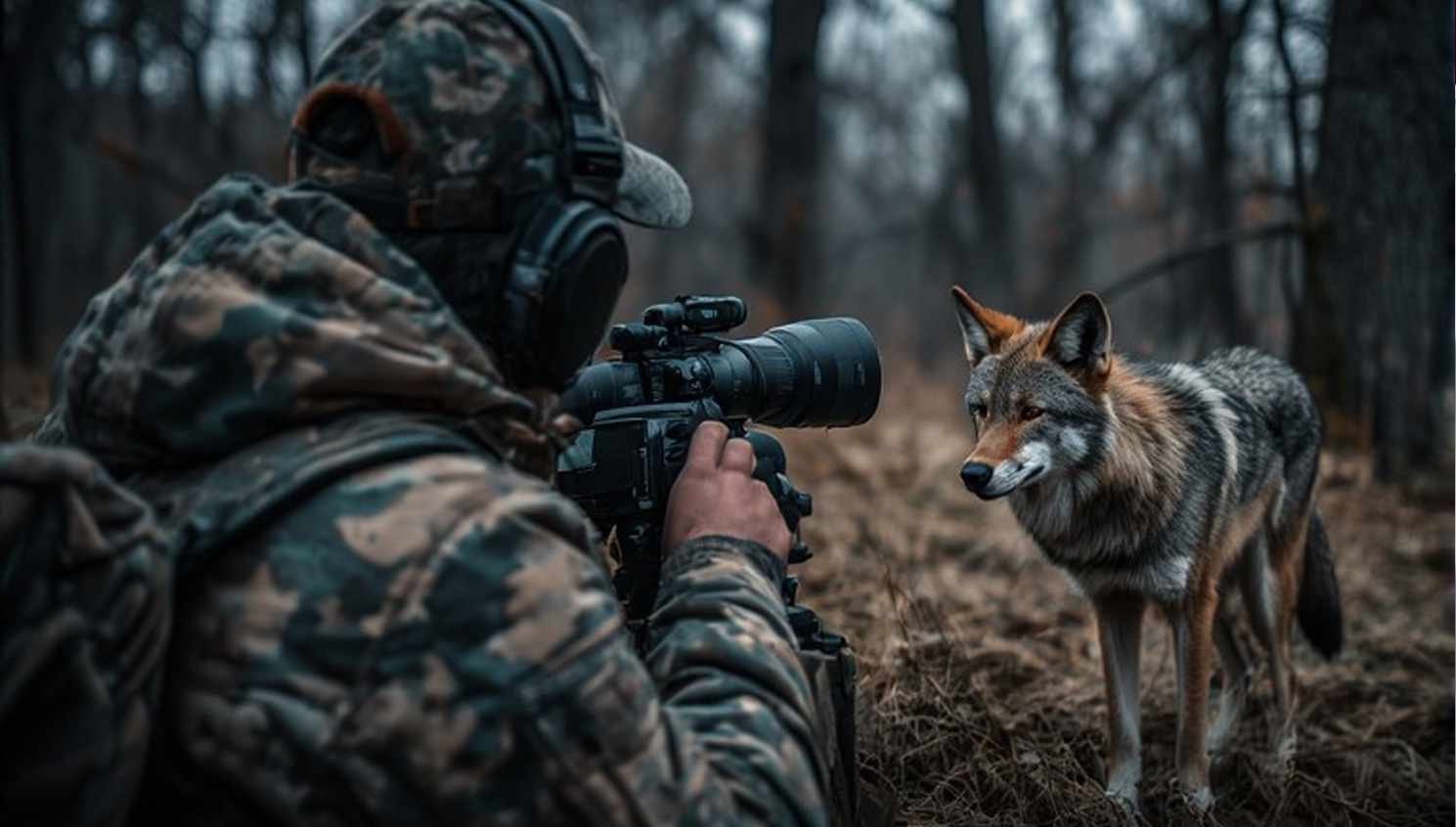
What You Can Legally Hunt After Dark: U.S. Night Hunting Regulations Explained
In the US, night hunting is a specialized aspect of wildlife management that is subject to intricate laws that differ significantly between states. While most traditional game hunting happens during daylight hours, select species can be legally pursued after sunset under precisely defined circumstances. Hunters must be aware of these rules since breaking them can lead to severe fines, license suspension, and even criminal charges. Although some states allow nighttime hunting of specific game animals during designated seasons with appropriate permits and approved equipment, the legal framework surrounding nocturnal hunting primarily targets nuisance animals, predators, and invasive species that cause agricultural damage, threaten livestock, or disrupt ecological balance.
Under the migrating Bird Treaty Act, federal restrictions forbid killing migrating birds at night. These regulations establish a foundation upon which state laws are based. While shooting deer, elk, and other large game after dark is strictly prohibited, with the exception of depredation licenses, the majority of states authorize the pursuit of predators such as coyotes, feral pigs, raccoons, and foxes during the night. Equipment constraints often include requirements for artificial light sources, thermal imaging equipment, and night vision technologies, with many jurisdictions needing particular permits or formal landowner consent for nocturnal activity. Before engaging in any night hunting, prudent hunters must verify current state legislation, understand weapon and light limits, secure relevant licenses, and ensure they can properly identify their target species in low-light situations.
Understanding Federal Restrictions on Night Hunting
The federal government establishes baseline protections that supersede state laws in specific circumstances. The Migratory Bird Treaty Act prohibits hunting waterfowl, upland game birds, and other migratory species between sunset and sunrise nationwide. This federal mandate protects species during their most vulnerable periods and applies uniformly across all states.
Wildlife refuges managed by the U.S. Fish and Wildlife Service typically prohibit all night hunting unless specifically authorized for population management purposes. National forests and Bureau of Land Management properties defer to state regulations but may impose additional restrictions through local management plans.
Understanding these federal frameworks helps hunters recognize which activities face uniform prohibition regardless of their location within the United States.
State-by-State Night Hunting Regulations Overview
Regulations governing nocturnal hunting exhibit remarkable variation across state boundaries. Each jurisdiction balances agricultural interests, wildlife management objectives, public safety concerns, and hunting traditions when crafting their specific statutes.
Northeastern States Night Hunting Laws
| State | Primary Legal Species | Equipment Restrictions | Permit Requirements |
|---|---|---|---|
| Maine | Raccoon, coyote, fox | Artificial light permitted | Standard hunting license |
| New Hampshire | Raccoon, fox, coyote | Light restrictions apply | Hunting license required |
| Vermont | Raccoon, coyote, fox | Artificial illumination allowed | Valid hunting license |
| Massachusetts | Raccoon (with restrictions) | Strict light limitations | Special permit may be required |
| New York | Raccoon, coyote, fox | Light use regulated | Hunting license needed |
| Pennsylvania | Coyote, fox, raccoon | Artificial light with restrictions | Hunting license required |
| New Jersey | Limited species | Heavy restrictions | Special permits often required |
Pennsylvania allows year-round coyote hunting at night with proper licenses, making it particularly accommodating for predator control. However, hunters must be cautious to properly identify targets, as mistaking protected species can result in serious legal consequences. For comprehensive information about hunting regulations and safety protocols, reviewing essential hunting safety rules becomes paramount before venturing into nocturnal environments.
Southeastern States Night Hunting Regulations
| State | Legal Night Species | Season Restrictions | Special Conditions |
|---|---|---|---|
| Florida | Hogs, coyotes, armadillos | Year-round for most species | Private land permission required |
| Georgia | Feral hogs, coyotes, armadillos | Year-round predator hunting | Must not be hunting deer areas during deer season |
| Alabama | Hogs, coyotes, raccoons | Limited restrictions | Landowner permission mandatory |
| South Carolina | Coyotes, hogs, raccoons | Year-round for predators | Cannot use lights to locate deer |
| North Carolina | Foxes, raccoons, opossums | Season-specific regulations | Special permits for certain methods |
| Tennessee | Coyotes, hogs, raccoons | Year-round for nuisance species | Cannot hunt near deer feeding areas during season |
| Virginia | Coyotes, foxes, raccoons | Limited to certain seasons | Artificial light restrictions |
Southern states generally provide more permissive night hunting regulations due to significant agricultural damage from feral hogs and expanding coyote populations. Texas stands out for its liberal approach to nocturnal hunting of non-game animals and predators.
Midwestern States Night Hunting Laws
| State | Permitted Species | Equipment Allowed | Notable Restrictions |
|---|---|---|---|
| Ohio | Coyotes, foxes | Artificial lights with limitations | Cannot hunt near deer feeding areas |
| Michigan | Coyotes (limited), raccoons | Restricted artificial illumination | Special provisions apply |
| Indiana | Coyotes (limited seasons) | Equipment regulations strict | Cannot use from vehicles |
| Illinois | Coyotes, skunks, opossums | Light restrictions significant | Special permits required |
| Wisconsin | Foxes, raccoons (with dogs) | Traditional hunting methods | Limited night hunting window |
| Minnesota | Foxes, coyotes (restricted) | Light use highly regulated | Very limited permissions |
| Iowa | Limited predator hunting | Restrictive regulations | Special circumstances only |
Midwestern states typically impose stricter regulations due to overlapping deer populations and concerns about poaching during night hours. Most prohibit using artificial lights to spot or hunt deer specifically.
Western States Night Hunting Regulations
| State | Legal Species After Dark | Technology Permissions | Key Requirements |
|---|---|---|---|
| Texas | Hogs, coyotes, bobcats | Night vision and thermal allowed | Landowner permission |
| Oklahoma | Coyotes, hogs, foxes | Liberal equipment rules | Hunting license required |
| Kansas | Coyotes, hogs, raccoons | Limited artificial light use | Cannot hunt during deer season near deer habitat |
| Montana | Predators with special permits | Restrictive on thermal/NV | Special predator management permits |
| Wyoming | Very limited species | Heavy restrictions | Special circumstances only |
| Colorado | Limited predator hunting | Strict regulations | Special licenses required |
| New Mexico | Coyotes (limited), hogs | Equipment restrictions | Specific season limitations |
| Arizona | Predators (limited), hogs | Night vision restrictions vary | Special permits for many species |
| Nevada | Coyotes, other predators | Equipment regulated | Hunting license mandatory |
| California | Very restricted | Extremely limited permissions | Heavy regulations apply |
Texas offers particularly liberal night hunting opportunities for managing destructive hog populations, allowing hunters to use sophisticated thermal and night vision technology on private land with permission. Meanwhile, California maintains some of the nation’s strictest nocturnal hunting prohibitions.
Common Species Legal for Night Hunting
While regulations vary by jurisdiction, certain species appear consistently across state laws as permissible targets for nocturnal hunting activities.
Coyotes After Dark
Coyotes represent the most universally permitted night hunting target across American states. These adaptable predators thrive in diverse habitats from rural farmland to suburban areas, often causing livestock losses and threatening domestic pets.
Most states allow year-round coyote hunting with few restrictions, though some impose seasonal limitations during deer seasons to prevent mistaken identity incidents. Hunters typically need only a standard hunting license, though some jurisdictions require predator-specific permits.
Equipment considerations for night coyote hunting:
- Electronic calls to simulate prey distress
- Red or green filtered lights that preserve hunter night vision
- Thermal imaging devices where legal
- Rifles in appropriate calibers (.223, .243, .22-250)
- Shotguns with predator loads
Understanding local predator hunting laws by state ensures compliance before pursuing coyotes after sunset. Successful night hunting requires different tactics than daytime pursuits, including understanding wind patterns, using moonless nights for optimal calling, and positioning near travel corridors.
Feral Hog Hunting at Night
Feral hogs cause an estimated $2.5 billion in agricultural damage annually across the United States, making them priority targets for eradication efforts. Their nocturnal feeding habits make night hunting particularly effective.
States with liberal nighttime hog hunting:
- Texas (most permissive)
- Oklahoma
- Florida
- Georgia
- Alabama
- Louisiana
- Arkansas
- South Carolina
These invasive animals reproduce rapidly, with sows capable of producing two litters annually. Night hunting helps control populations that devastate crops, compete with native wildlife, and spread diseases like pseudorabies and brucellosis.
Most jurisdictions treating feral hogs as invasive pests impose minimal restrictions on hunting methods, seasons, or equipment. Some states even permit hunting from vehicles on private property specifically for hog control.
Raccoon Hunting After Sunset
Raccoons maintain legal status for night hunting across most states, reflecting traditional hunting practices dating back generations. These intelligent mammals cause agricultural damage, raid garbage, and occasionally carry rabies.
Traditional raccoon hunting methods:
- Hound hunting with trained dogs
- Tree walking with artificial lights
- Trapping in conjunction with hunting
- Calling techniques using distress sounds
Many northern states maintain strong raccoon hunting traditions, with organized competitions and established hunting clubs. However, regulations typically require hunters to use shotguns or small-caliber rifles to minimize safety risks from stray bullets traveling long distances in darkness.
Fox Hunting During Nighttime Hours
Both red and gray foxes appear on legal night hunting lists across numerous states. These predators impact ground-nesting bird populations and occasionally threaten small livestock like chickens.
Red fox versus gray fox hunting considerations:
- Red foxes prefer open agricultural areas
- Gray foxes inhabit wooded terrain
- Both respond to prey distress calls
- Different pelage seasons affect hide value
- Habitat preferences influence hunting strategies
Hunters pursuing foxes at night often employ similar techniques as coyote hunting but may adjust calling sequences and use lighter-caliber firearms appropriate for smaller body sizes.
Opossum and Skunk Night Hunting
These smaller mammals frequently appear on permissible species lists for nocturnal hunting, though they generate less hunter interest than larger predators.
Opossums cause minimal agricultural damage but may raid gardens and compete with beneficial wildlife. Skunks present rabies concerns and create odor problems near residential areas. Most states classify these species as unprotected or nuisance animals with few restrictions on hunting methods or seasons.
Armadillo Hunting After Dark
Armadillos occupy an interesting niche in night hunting regulations across southern states. These armored mammals damage lawns, gardens, and agricultural areas through their extensive digging behavior.
States permitting nighttime armadillo hunting:
- Texas
- Louisiana
- Florida
- Georgia
- Alabama
- Mississippi
- Arkansas
Armadillos carry leprosy bacteria, creating public health concerns that justify liberal hunting regulations. Their primarily nocturnal activity patterns make night hunting the most practical control method.
Bobcat Night Hunting Regulations
Bobcats present more complex regulatory considerations than other predators. Some states permit night hunting during specific seasons, while others prohibit it entirely to protect populations from overharvest.
Bobcat night hunting typically requires:
- Special trapping or furbearer licenses
- Adherence to season dates
- Mandatory harvest reporting
- Pelt sealing or tagging requirements
- Restricted equipment in some jurisdictions
The valuable pelts of bobcats motivate some hunters, though populations face pressure in certain regions requiring careful management.
Equipment and Technology Regulations
The tools used for night hunting face significant regulatory scrutiny, as inappropriate equipment creates safety hazards and enables potential poaching activities.
Artificial Light Regulations
Laws governing artificial lights represent one of the most complex aspects of night hunting regulations. States recognize legitimate uses while preventing illegal spotlighting of protected species.
Common artificial light restrictions:
- Prohibited for locating deer, elk, or big game
- Must be handheld rather than vehicle-mounted in many states
- Red or green filtered lights often preferred
- Cannot shine lights from public roadways
- Distance restrictions from roads apply in some jurisdictions
- Prohibited in certain wildlife management areas
Some states differentiate between lights used for hunting legal species versus those used for harassment or observation of protected wildlife. Intent becomes a critical factor in enforcement, though possession of firearms while spotlighting protected species creates presumption of illegal activity in most jurisdictions.
Night Vision and Thermal Imaging Devices
Advanced optics technology has transformed night hunting capabilities, prompting states to address their legality through updated regulations.
States permitting night vision/thermal for hunting:
- Texas (very permissive)
- Oklahoma
- Florida
- Georgia
- Alabama
- Louisiana
- Arkansas
States prohibiting or restricting thermal/night vision:
- Montana (prohibited for hunting)
- Wyoming (restricted)
- Colorado (limited use)
- Pennsylvania (prohibited)
- Virginia (prohibited)
The high cost of quality thermal and night vision equipment creates barriers to entry for many hunters. Units capable of detecting heat signatures at 300+ yards cost several thousand dollars, while entry-level night vision devices start around $500-800.
Technology advocates argue these tools enable ethical shot placement and positive target identification in darkness. Critics contend they provide excessive advantage and enable potential poaching activities that are difficult to detect or prosecute.
Weapon Restrictions for Night Hunting
Firearm regulations for nocturnal hunting prioritize safety and appropriate power levels for target species.
Common weapon restrictions include:
- Centerfire rifle caliber limitations in some states
- Shotgun gauge and load specifications
- Muzzle velocity restrictions in certain jurisdictions
- Archery equipment generally permitted where legal
- Crossbow regulations vary significantly
- Air rifles (high-powered) gaining acceptance in some states
Many states prohibit fully automatic firearms and suppressors for hunting despite their legal ownership status under federal law. Some jurisdictions mandate specific ammunition types to reduce ricochet risks or ensure humane kills.
Electronic Calling Device Regulations
Electronic game calls have revolutionized predator hunting by accurately replicating distress sounds that attract coyotes, foxes, and other carnivores.
Most states permit electronic calls for hunting predators and unprotected species, with restrictions typically applying to migratory birds and some game animals. Quality electronic callers range from $50 handheld units to $300+ remote-controlled systems with multiple speakers.
Effective sounds for night hunting:
- Rabbit distress (universal predator attractor)
- Rodent squeals (effective for foxes and bobcats)
- Fawn bleats (attractive to coyotes during summer)
- Coyote vocalizations (territorial challenges)
- Bird distress (effective in certain situations)
Understanding when and how to use electronic calls separates successful hunters from those who merely own equipment. Proper calling sequences, volume control, and strategic positioning significantly impact results.
Permit and License Requirements
Legal night hunting requires proper documentation beyond simply knowing which species regulations permit.
Standard Hunting License Sufficiency
Most states consider standard hunting licenses adequate for pursuing predators and unprotected species during nighttime hours. These base licenses cost between $20-50 for residents, with non-resident licenses commanding premium prices from $100-400 depending on jurisdiction.
Hunters must carry valid licenses while afield and present them to conservation officers upon request. Many states now offer electronic license options through mobile applications, though some require physical copies in certain circumstances.
Special Night Hunting Permits
Certain jurisdictions require additional permits specifically for nocturnal hunting activities beyond standard licenses.
Examples of special permit requirements:
- Massachusetts commercial nuisance animal control permits
- Connecticut nighttime hunting permits
- Special predator management tags in Montana
- Depredation permits for crop damage situations
- Hog eradication permits in some southern states
These additional permits often involve applications demonstrating need, land ownership documentation, or completion of specialized training courses. Costs vary from free depredation permits to several hundred dollars for commercial pest control authorizations.
Hunter Education Certification
All states require hunter education certification for hunters born after specific cutoff dates, typically ranging from 1970-1990 depending on jurisdiction. These courses cover firearm safety, wildlife identification, hunting ethics, and legal requirements.
Night hunting presents unique safety challenges that basic hunter education may not adequately address. Responsible hunters should consider supplemental training focusing on nocturnal shooting, target identification in low light, and specialized equipment operation.
Landowner Permission Documentation
Most night hunting occurs on private property, making documented landowner permission essential for legal compliance. Written permission provides legal protection and clarifies authorized hunting areas.
Recommended permission documentation includes:
- Property owner name and contact information
- Specific property description or address
- Authorized hunting dates and times
- Species permitted to be hunted
- Signature of property owner
- Any special restrictions or requirements
Some states provide standardized permission forms, while others accept any written documentation. Verbal permission creates enforcement challenges if disputes arise, making written agreements strongly advisable.
Safety Considerations for Night Hunting
Hunting in darkness introduces hazards that require additional precautions beyond daytime hunting safety protocols.
Target Identification Challenges
Positive target identification becomes exponentially more difficult in low-light conditions. Tragic accidents occur when hunters mistake livestock, pets, or even other humans for legal game animals.
Critical identification protocols:
- Never shoot at movement or sounds alone
- Positively identify species before shouldering firearm
- Use appropriate illumination to verify target
- Understand silhouette differences between similar species
- Know livestock and domestic animal presence on property
- Wait for clear shots with adequate background
- Pass on questionable opportunities
The use of quality optics, proper illumination, and patience prevents mistakes that can result in civil liability, criminal prosecution, and devastating emotional consequences. According to the International Hunter Education Association, approximately 1000 hunting-related shooting accidents occur annually in North America, with a significant percentage involving misidentification.
Navigation and Terrain Hazards
Navigating unfamiliar terrain in darkness presents obvious challenges. Hunters risk falls, getting lost, encountering obstacles, or walking into hazardous areas.
Night navigation safety measures:
- Scout hunting areas during daylight first
- Use GPS devices with marked waypoints
- Carry multiple light sources with fresh batteries
- Wear appropriate footwear for terrain
- Inform others of hunting location and return time
- Avoid hunting alone when possible
- Mark routes to and from hunting locations
Understanding basic wilderness navigation and natural navigation techniques provides backup capabilities if technology fails. Responsible hunters prepare for equipment failures by carrying backup lighting, communication devices, and emergency supplies appropriate for conditions.
Communication and Emergency Preparedness
Cell phone coverage may be unreliable in rural hunting areas, requiring alternative communication plans.
Recommended communication equipment:
- Fully charged cell phone in waterproof case
- Portable battery pack for phone recharging
- Two-way radios when hunting with partners
- Satellite communicator for remote locations
- Emergency whistle for signaling
- Signal mirror or other attention devices
Basic wilderness first aid knowledge proves invaluable when accidents occur far from immediate help. Carrying a well-stocked first aid kit and understanding how to treat common hunting injuries like cuts, sprains, hypothermia, and traumatic wounds can save lives.
Visibility and Hunter Orange Requirements
Many states mandate hunter orange clothing during daylight hunting hours but exempt night hunters from these requirements. However, wearing reflective or high-visibility gear when moving to and from hunting locations improves safety near roads or other human activity.
Some hunters attach small LED markers visible to partners but not alerting distant wildlife. Communication among hunting parties about positions and intended movements prevents accidents from crossfire or hunters inadvertently positioning themselves in unsafe locations.
Ethical Considerations in Night Hunting
Legal compliance represents the minimum standard, while ethical hunting practices exceed mere law adherence.
Fair Chase Principles
The Boone and Crockett Club defines fair chase as the ethical, sportsmanlike pursuit of free-ranging wild game animals in a manner that does not give the hunter improper or unfair advantage. Night hunting raises fair chase questions, particularly when utilizing advanced technology.
Fair chase considerations include:
- Allowing animals reasonable opportunity for escape
- Avoiding hunting over bait in jurisdictions where prohibited
- Not using vehicles to pursue or herd animals
- Limiting technology to appropriate levels
- Respecting property boundaries and regulations
- Taking only shots within competence range
- Avoiding hunting during particularly vulnerable periods
Different hunters draw fair chase boundaries at different points along the technology spectrum. Some feel thermal imaging provides excessive advantage, while others view it as legitimate tool evolution similar to historical adoption of scopes or rangefinders.
Humane Harvest Standards
Night hunting’s reduced visibility increases wounding risks if hunters take marginal shots or exceed their skill limitations.
Humane harvest practices require:
- Shooting only within demonstrated accuracy range
- Using appropriate calibers and bullets for target species
- Waiting for clear, ethical shot presentations
- Passing shots when uncertain of clean kill
- Tracking wounded animals diligently
- Carrying appropriate tools for dispatching wounded game
- Practicing regularly with equipment used for hunting
Hunters bear responsibility for every shot fired, including ensuring quick, humane deaths with minimal suffering. Taking shots beyond competency levels or in conditions preventing accurate placement violates ethical hunting standards regardless of legality.
Property Respect and Neighbor Relations
Night hunting generates more complaints than daytime activities due to noise concerns and light visibility from considerable distances.
Maintaining positive neighbor relations:
- Limit shooting hours to reasonable times
- Position away from occupied dwellings when practical
- Keep light discipline to minimize nuisance
- Control noise from vehicles, calls, and celebrations
- Pick up spent shells and dispose of carcasses properly
- Communicate plans with adjacent property owners
- Address complaints professionally and respectfully
Loss of hunting access frequently results from neighbor complaints about inconsiderate behavior. Maintaining positive relationships with surrounding landowners protects hunting opportunities for current and future seasons.
Carcass Disposal and Utilization
Predators and nuisance animals hunted primarily for population control rather than consumption still deserve respectful treatment after death.
Responsible carcass management options:
- Pelt preservation for fur value when appropriate
- Donation to trappers or furriers
- Deep burial to prevent scavenger attraction
- Composting in designated areas
- Rendering services in some locations
- Use as training aids for hunting dogs where legal
Leaving carcasses scattered creates unsightly conditions, attracts scavengers, and generates complaints from landowners or neighboring property users. States may regulate carcass disposal, with some prohibiting abandonment of certain species.
Enforcement and Penalties
Wildlife law enforcement faces unique challenges when addressing night hunting violations, while convicted offenders face serious consequences.
Common Night Hunting Violations
Conservation officers frequently encounter specific illegal activities during nocturnal patrols.
Typical night hunting violations include:
- Spotlighting deer or other protected species
- Hunting without proper licenses or permits
- Trespassing on posted or private property
- Using prohibited equipment or methods
- Shooting from vehicles or roadways
- Hunting outside legal hours
- Taking protected species
- Exceeding bag limits
- Failing to tag harvested animals
Intent proves difficult to establish in some cases. Hunters caught spotlighting deer while armed may claim they were driving home from hunting predators, not actively hunting illegal species. Most states address this through laws prohibiting possession of firearms while illuminating protected wildlife, regardless of stated intent.
Detection and Surveillance Methods
Wildlife enforcement agencies employ various tactics for detecting illegal night hunting activities.
Common enforcement techniques:
- Patrol of known problem areas during night hours
- Use of robotic decoys (trophy bucks, elk, etc.)
- Thermal and night vision surveillance equipment
- Investigation of citizen complaints
- Property access with landowner cooperation
- Aircraft surveillance in some jurisdictions
- Analysis of social media posts and photos
Robotic decoy operations prove particularly effective, with remote-controlled, realistic animal replicas placed in visible locations near roadways. When violators shoot at decoys, officers positioned nearby immediately apprehend them with overwhelming evidence.
Penalties and Consequences
Night hunting violations carry substantial penalties beyond standard hunting infractions due to poaching associations.
Potential consequences include:
- Fines ranging from $500-$10,000+ per violation
- Hunting license suspension or revocation
- Loss of hunting privileges through interstate compacts
- Seizure of vehicles, firearms, and equipment
- Jail time for serious violations
- Restitution payments for illegally taken animals
- Permanent loss of hunting rights for repeat offenders
- Civil penalties in addition to criminal sanctions
Many states participate in the Interstate Wildlife Violator Compact, enabling reciprocal license revocation across member jurisdictions. A serious violation in one state can result in hunting privilege loss across most of the United States.
Trophy animal restitution values assigned by state wildlife agencies often shock violators. A mature whitetail buck illegally killed might carry a $5,000-$20,000 restitution value beyond criminal fines.
Understanding comprehensive penalties for violating hunting laws helps hunters appreciate the serious nature of wildlife crimes and maintain ethical behavior even when enforcement presence seems limited.
Tips for Successful Legal Night Hunting
Maximizing success while maintaining legal and ethical standards requires understanding nocturnal animal behavior and adapting hunting strategies accordingly.
Scouting and Preparation
Effective night hunting begins with thorough preparation during daylight hours.
Pre-hunt scouting activities:
- Identify travel corridors and feeding areas
- Locate suitable shooting positions with safe backgrounds
- Mark terrain hazards and obstacles
- Assess wind patterns typical for hunting hours
- Determine optimal entry and exit routes
- Test electronic equipment and verify function
- Range distances to likely shooting zones
- Identify nearby structures or livestock areas to avoid
Understanding target species behavior patterns increases encounter probability. Coyotes often travel pasture edges and fence lines, while hogs follow consistent trails to feeding areas. Raccoons frequent areas near water sources and agricultural fields.
Optimal Weather and Moon Conditions
Environmental factors significantly impact night hunting success rates.
Favorable night hunting conditions:
- Overcast or moonless nights for predator calling
- Light wind (5-10 mph) for scent control
- Cold temperatures following warm periods
- Post-frontal weather systems
- Dry conditions for quiet movement
- Stable barometric pressure
Bright, full moon nights often reduce predator activity and responsiveness to calls, as increased natural visibility enables hunting without exposure. Conversely, pitch-black conditions during new moon phases increase calling success as predators move more confidently.
Calling Strategies and Sequences
Electronic call effectiveness depends on proper sequence selection, volume adjustment, and duration management.
Effective calling approaches:
- Begin with low volume and increase if no response
- Use prey distress sounds initially (rabbit, rodent)
- Vary sounds every 10-15 minutes if no response
- Include silent periods to allow animals to close distance
- Position downwind of expected approach routes
- Use aggressive coyote vocalizations after initial calls
- Keep calling sessions 20-30 minutes per location
- Move to new locations if no response
Overcalling represents a common mistake, with excessive volume or duration educating predators rather than attracting them. Animals that survive in areas with hunting pressure learn to avoid calling sounds associated with danger.
Shot Placement and Follow-Up
Ethical harvest requires understanding anatomy and making appropriate shots in limited visibility.
Critical shot placement principles:
- Wait for broadside or quartering-away presentations
- Aim for heart-lung vital zone
- Avoid marginal angles or obscured targets
- Account for height differences from elevated positions
- Understand bullet trajectory at various ranges
- Mark last-seen location immediately after shot
- Wait appropriate period before tracking
- Use lights systematically while trailing
Even perfect shots may not result in immediate drops. Predators can travel 50-100 yards on adrenaline after mortal wounds. Systematic searching with adequate lighting and patience recovers most ethically shot animals.
Bringing appropriate gear makes significant differences in comfort and success. Essential items mirror daytime hunting necessities with additions for darkness. For comprehensive preparation guidance, consulting an outdoor camping and hunting equipment checklist ensures nothing critical gets forgotten.
State-Specific Regulatory Resources
Hunters bear responsibility for understanding current regulations in their specific jurisdiction, as laws change annually through legislative action or wildlife agency rule amendments.
Official State Wildlife Agency Contacts
Each state maintains a wildlife management agency responsible for hunting regulation development and enforcement.
Regional agency structure:
- Northeastern states: State Fish and Game Departments
- Southeastern states: Wildlife Resources agencies
- Midwestern states: Departments of Natural Resources
- Western states: Fish and Wildlife Departments or Game and Fish Commissions
Current regulation digests appear on agency websites, typically updated annually before hunting seasons begin. Many agencies offer email notification services alerting subscribers to regulation changes or emergency closures.
Regulation Digest Interpretation
Official hunting regulation digests provide comprehensive information but require careful reading to understand nuances.
Critical digest sections for night hunters:
- Legal hunting hours definitions
- Species-specific seasons and bag limits
- Equipment and weapon restrictions
- License and permit requirements
- Special management area regulations
- Definitions of legal hunting methods
- Prohibited activities and penalties
Ambiguous language should prompt direct contact with wildlife agencies for clarification rather than guessing at interpretation. Conservation officers often lack discretion to overlook violations based on misunderstandings, making pre-hunt clarification essential.
Regional Regulation Variations
Some states implement different rules for various management zones, counties, or wildlife management units.
Hunters must identify the specific zone where they plan to hunt and apply relevant regulations. Northern and southern regions of the same state might have different seasons, legal species, or equipment restrictions based on varying wildlife populations and habitat conditions.
Checking for Regulation Updates
Wildlife regulations change with surprising frequency as agencies respond to population dynamics, disease outbreaks, habitat changes, and legislative mandates.
Staying current with regulations:
- Download annual regulation digests each season
- Check agency websites for emergency rule changes
- Subscribe to email or text notification services
- Follow social media accounts of state agencies
- Verify regulations shortly before hunting trips
- Maintain copies of current regulations while hunting
Claiming ignorance of regulation changes provides no legal defense. Courts consistently hold hunters responsible for knowing and complying with current laws regardless of when they last checked regulations.
Frequently Asked Questions About Night Hunting
Can you hunt deer at night in any state?
No state permits recreational deer hunting after dark without specific depredation permits. Federal and state regulations uniformly prohibit nighttime deer hunting to prevent poaching and ensure ethical harvest. Landowners experiencing crop damage may obtain special depredation permits allowing nighttime lethal removal under strict conditions, but these are exceptional situations requiring agency authorization and typically prohibit keeping harvested animals.
Is thermal imaging legal for hunting in all states?
Thermal imaging legality varies dramatically by state. Texas, Oklahoma, Florida, and several southern states explicitly permit thermal devices for hunting legal species. Montana, Pennsylvania, and others specifically prohibit their use. Many states lack clear regulations addressing thermal technology, creating uncertainty requiring direct agency contact for clarification. Even where legal, thermal imaging cannot be used to hunt protected species like deer during closed seasons.
Do I need a special license for coyote hunting at night?
Most states require only a standard hunting license for nighttime coyote hunting, though some mandate predator-specific stamps or permits. A few jurisdictions require furbearer licenses even when not trapping. Requirements change periodically, making verification with current regulations essential. Some states differentiate between recreational coyote hunting and commercial pest control, with the latter requiring business licenses or special permits.
Can you spotlight animals if you’re not hunting them?
Laws regarding wildlife observation with artificial lights vary by state. Many jurisdictions prohibit shining lights on big game animals regardless of hunting intent, recognizing harassment concerns and poaching prevention needs. Some states specifically allow observation without weapons present, while others prohibit any artificial illumination of protected species. Possession of firearms while spotlighting protected animals creates legal presumptions of hunting intent in most states, even without shots fired.
What is the best caliber for night coyote hunting?
Popular calibers for nocturnal coyote hunting include .223 Remington, .22-250 Remington, and .243 Winchester, balancing adequate power with manageable recoil and reasonable ammunition costs. The .223 offers versatility with widely available ammunition and suitability for AR-platform rifles. Shotguns with predator-specific loads work effectively at closer ranges. Optimal caliber selection depends on typical shooting distances, terrain, equipment preferences, and state regulations that may restrict certain cartridges.
Are there bag limits on predators hunted at night?
Bag limits on predators vary by state and species. Many jurisdictions impose no limits on coyotes, feral hogs, or other species classified as nuisance or invasive animals, allowing unlimited harvest. Some states limit fox, bobcat, or other furbearer harvest even during open seasons. Certain states require harvest reporting regardless of bag limits for population monitoring purposes. Always verify specific regulations for target species in your hunting jurisdiction.
Can you hunt from a vehicle at night?
Most states prohibit hunting from vehicles, with narrow exceptions for disabled hunters with special permits or landowners controlling pests on their own property. Texas allows hunting from vehicles on private land with landowner permission for species like hogs and predators. Shooting from or across roadways faces universal prohibition. Using vehicles for transportation to hunting locations differs legally from hunting from vehicles, with the distinction hinging on whether shots are fired from the vehicle itself.
How do I obtain a depredation permit for night hunting?
Depredation permits require documentation of wildlife damage to crops, livestock, or property. Application processes vary by state but typically involve contacting the wildlife agency, describing damage, documenting losses with photos or evidence, and demonstrating non-lethal control attempts. Agencies may inspect properties, assess damage, and issue permits specifying authorized control methods, timeframes, and species. Some states provide technical assistance or contract removal rather than issuing landowner permits.
Conclusion
In the US, night hunting is governed by a variety of laws that strike a balance between public safety, agricultural preservation, wildlife conservation, and hunting customs. Some creatures are completely protected at night, regardless of state lines, while others, such as coyotes, feral pigs, and raccoons, are subject to minimal limitations after dark in the majority of jurisdictions. Equipment technology keeps improving faster than regulatory frameworks, causing continuous debates over fair chase ethics and suitable constraints. In addition to obtaining the required permits and permissions, using appropriate safety procedures, and adhering to ethical hunting standards that go above and beyond the bare minimum required by law, responsible hunters must do extensive study on the current restrictions in their particular country.
The intricacy of night hunting rules necessitates ongoing education and close attention to regulatory changes since infractions have severe consequences, such as hefty fines, license revocations, equipment seizure, and perhaps jail time. Hunters may successfully seek nocturnal species while supporting wildlife management goals and protecting hunting opportunities for future generations by putting safety first, upholding property rights, upholding ethical standards, and keeping up with legal requirements.