
All States Catch and Release Fishing Rules: 2026 Updated Regulations and Requirements
Catch and release fishing regulations vary significantly across all 50 states in 2026, with each jurisdiction establishing specific rules for species protection, handling techniques, license requirements, and seasonal restrictions. Most states require valid fishing licenses even for catch and release, mandate barbless hooks in designated waters, and enforce size-based slot limits to protect breeding populations. Understanding your state’s specific regulations is critical, as violations can result in fines ranging from $100 to $1,000, and catch and release fishing helps maintain healthy fish populations while allowing anglers to enjoy the sport without depleting natural resources.
Whether you’re targeting largemouth bass in Florida’s lakes, rainbow trout in Montana’s streams, or striped bass along the Atlantic coast, each state has established unique catch and release protocols designed to balance conservation with recreational fishing opportunities. The 2026 season brings several regulatory changes nationwide, including expanded year-round bass seasons, new endorsement requirements, revised slot limits, and updated handling techniques. This comprehensive guide breaks down catch and release fishing rules for every state, helping you stay compliant while protecting our aquatic ecosystems for future generations.
What Is Catch and Release Fishing?
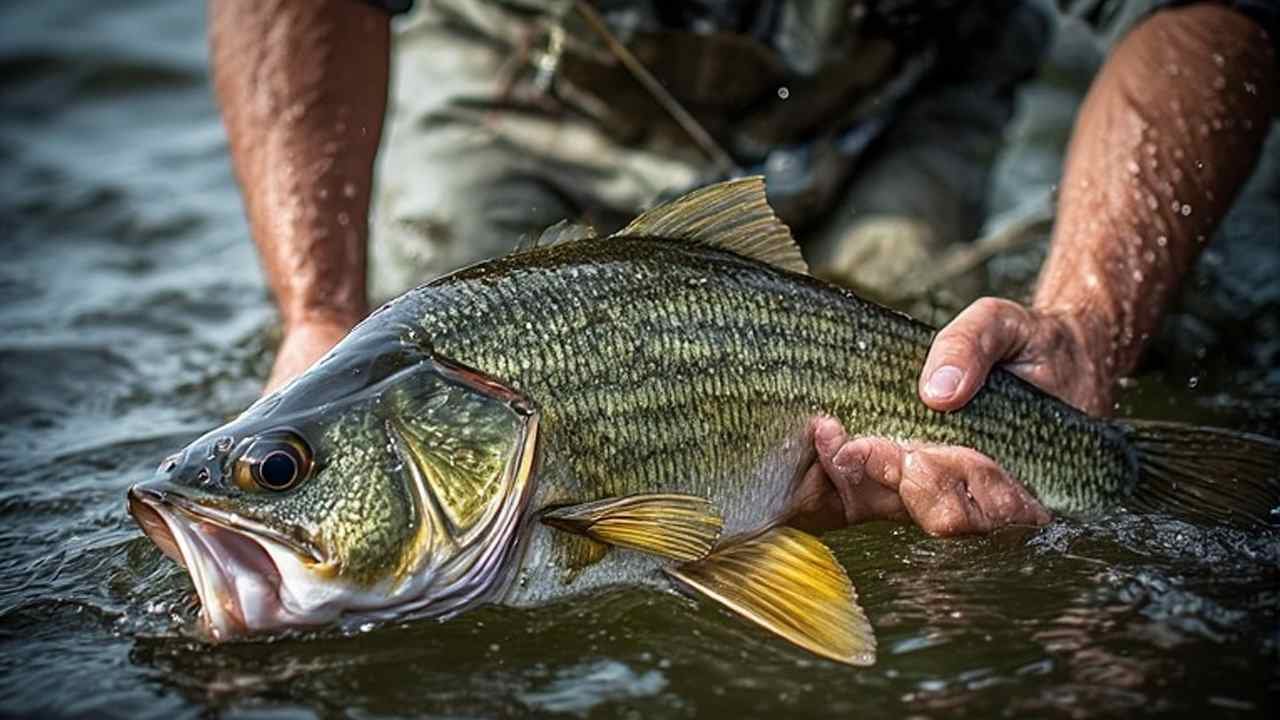
Catch and release involves immediately returning captured fish—unharmed—back to the water where they were caught. This conservation practice has become standard across American waterways, with many states designating specific waters as catch-and-release only zones. The technique requires proper handling methods, appropriate gear selection, and quick release procedures to maximize fish survival rates.
Key principles include:
- Minimizing fight time to prevent exhaustion
- Using barbless or circle hooks for easier removal
- Keeping fish in water during dehooking when possible
- Limiting air exposure to under 60 seconds
- Supporting fish properly during handling
According to NOAA Fisheries, proper catch and release techniques can achieve survival rates exceeding 95% for most freshwater species when executed correctly.
Why States Mandate Catch and Release Fishing
State wildlife agencies implement catch and release regulations for multiple conservation objectives:
Population Management: Protecting spawning-size fish ensures adequate reproduction and genetic diversity in native populations.
Habitat Recovery: Waters recovering from pollution, overfishing, or habitat degradation often require temporary catch-and-release restrictions until fish populations stabilize.
Trophy Fisheries: Many states create quality fishing experiences by protecting large specimens through size-based catch and release requirements.
Species Conservation: Threatened or declining species receive additional protection through mandatory release policies regardless of size or season.
Economic Benefits: Healthy fish populations support recreational fishing tourism, generating billions in economic activity while preserving natural resources.
2026 National Regulatory Changes
Several significant fishing regulation changes took effect nationwide in 2026:
Vermont implemented new panfish limits (50 combined daily limit with no more than 25 crappie), prohibited commercial crappie sales, and introduced a mandatory baitfish endorsement requiring online quiz completion through December 2028.
Washington and Oregon now require location-specific endorsements for Columbia River tributaries and Pacific Ocean areas in addition to standard fishing licenses, effective January 1, 2026.
Minnesota finalized year-round continuous bass seasons (scheduled March 1, 2026) with designated catch-and-release periods and harvest windows, along with revised Lake Superior tributary regulations.
Wyoming updated Chapter 46 fishing regulations with new tackle requirements on the North Platte River and expanded harvest opportunities in the Jackson Region.
Massachusetts restricted commercial striped bass endorsements to only those anglers who held permits in 2024/2025, making endorsements non-transferable with a December 31, 2025 control date.
Essential Catch and Release Techniques
Proper Gear Selection
Barbless Hooks: Many states mandate barbless hooks in catch-and-release waters. Circle hooks reduce gut-hooking incidents and improve release survival rates.
Appropriate Tackle Strength: Use tackle strong enough to land fish quickly. Extended fight times cause lactic acid buildup, reducing post-release survival.
Landing Nets: Wet, soft knotless mesh or rubber nets prevent damage to protective mucus layers, scales, fins, and eyes.
Dehooking Tools: Needle-nose pliers, hemostats, or specialized dehookers minimize handling time and tissue damage during hook removal.
Non-Stainless Steel Hooks: If fish escape before dehooking, non-stainless hooks corrode naturally rather than remaining permanently embedded.
Handling Best Practices
Minimize Air Exposure: Keep fish submerged during dehooking whenever possible. If removal from water is necessary, limit air exposure to less than 60 seconds.
Wet Hands First: Dry hands remove protective slime coating, making fish vulnerable to infections. Always wet hands before contact.
Avoid Pressure Points: Never squeeze fish or place fingers in gill plates. Support body weight horizontally along its full length.
No Gill or Eye Contact: These delicate tissues suffer permanent damage from handling. Keep fingers away from gills and eye sockets.
Quick Photography: If taking photos, prepare equipment before lifting fish. Hold fish horizontally just above water surface for 5-10 seconds maximum.
Release Procedures
Water Temperature Considerations: Warm water holds less dissolved oxygen. During summer months or in warm waters above 70°F, reduce fight times and handle fish extra carefully.
Deep Water Releases: Fish caught below 30 feet often suffer barotrauma (swim bladder expansion). Use descending devices to return fish to capture depth, increasing survival from approximately 20% to over 80%.
Revive Before Release: In current-flowing water, face fish upstream while supporting gently. In still water, move fish forward slowly, forcing water through gills until it swims away independently.
Cut the Line: If a fish is deeply hooked or swallowed the hook, cut the line as close to the mouth as possible. Research shows higher survival rates when leaving hooks in place versus traumatic removal attempts.
State-by-State Catch and Release Regulations
Northeast Region
Connecticut
- Class 1 Wild Trout Management Areas: 22 designated catch-and-release only waters added in 2026
- Trout Season: Year-round catch-and-release on designated streams (check specific water regulations)
- Bass Regulations: Seasonal restrictions with catch-and-release windows
- License Requirement: Yes, for ages 16+
Maine
- Brook Trout: Special regulations on native brook trout waters with catch-and-release requirements
- Bass Season: Varies by water body; many lakes have extended catch-and-release periods
- Landlocked Salmon: Size and bag limits with selective harvest regulations
- License Requirement: Yes, for ages 16+
Massachusetts
- Striped Bass: New commercial endorsement restrictions effective 2026
- Freshwater Bass: Year-round catch-and-release in many waters during closed harvest seasons
- Trout: Catch-and-release only outside regular season (varies by region)
- License Requirement: Yes, for ages 15+
New Hampshire
- Lake Trout: Catch-and-release regulations on specific lakes
- Bass Regulations: Seasonal catch-and-release requirements before and after open season
- Salmon and Trout: Daily limits with size restrictions
- License Requirement: Yes, for ages 16+
New York
- Lead Sinker Ban: 2026 regulations prohibit lead sinkers under ½ ounce in all inland waters
- Catch-and-Release Trout Waters: Designated year-round catch-and-release streams
- Bass Season: Pre-season catch-and-release period before third Saturday in June
- Striped Bass: Size slot limits with mandatory release of fish outside slot
- License Requirement: Yes, for ages 16+
Pennsylvania
- Extensive Catch-and-Release Waters: Numerous designated all-tackle catch-and-release sections
- Stocked Trout Waters: Special regulations from January 1 to February 15, 2026, and from day after Labor Day through December 31
- Bass Regulations: Catch-and-release before and after open season
- License Requirement: Yes, for ages 16+ (required even for catch-and-release)
Rhode Island
- Striped Bass: Size and bag restrictions with catch-and-release requirements
- Freshwater Trout: Designated catch-and-release areas
- License Requirement: Yes, for ages 15+
Vermont
- Major 2026 Changes: New panfish limits (50 combined, maximum 25 crappie)
- Baitfish Endorsement: Free endorsement required (quiz completion through 2028)
- Commercial Crappie Ban: Sale of crappie prohibited statewide
- Trout Regulations: Catch-and-release periods on designated waters
- License Requirement: Yes, for ages 15+
For more detailed information about fishing safety and regulations, check out our guide on essential fishing safety guidelines.
Mid-Atlantic Region
Delaware
- Striped Bass: Strict size limits with catch-and-release requirements outside slot
- Largemouth Bass: Seasonal catch-and-release periods
- License Requirement: Yes, for ages 16+
Maryland
- Chesapeake Bay Striped Bass: Conservative harvest limits with extended catch-and-release seasons
- Trout Management Areas: Year-round catch-and-release waters in western Maryland
- License Requirement: Yes, for ages 16+
New Jersey
- Striped Bass: Size restrictions with catch-and-release enforcement
- Trout Conservation Areas: Catch-and-release only designated sections
- Bass Regulations: Pre-spawn catch-and-release protection periods
- License Requirement: Yes, for ages 16+
Virginia
- Striped Bass: Size slot limits requiring release of certain sizes
- Native Trout Waters: Special regulations including catch-and-release only sections
- License Requirement: Yes, for ages 16+
West Virginia
- 2026 Catch-and-Release Trout Streams: Artificial lures only (metal, wood, feathers, hair, synthetic materials)
- Catch-and-Release Season: November 1 – May 15
- Bass Regulations: Seasonal restrictions with mandatory release periods
- License Requirement: Yes, for ages 15+
Southeast Region
Alabama
- 2025-2026 Regulations: Creel limits apply across state waters
- Skipjack Herring: Reduced creel limits and sales restrictions from Tennessee River
- Bass Fishing: Catch-and-release during closed seasons
- License Requirement: Yes, for ages 16-64
Arkansas
- Bass Regulations: Catch-and-release periods vary by lake
- Trout Parks: Catch-and-release sections in designated areas
- License Requirement: Yes, for ages 16+
Florida
- Slot Limits: 18–27 inches for numerous species in southwest regions
- Daily Bag Limits: One per person for certain slot-regulated species
- Vessel Limits: Two fish maximum for slot-regulated species
- Catch-and-Release Bass: Year-round on many lakes with seasonal harvest restrictions
- Shoal Bass Protection: Chipola River and tributaries require immediate release
- License Requirement: Yes, for ages 16+ (saltwater and freshwater separate)
Georgia
- 2025-2026 Regulations: Updated hunting and fishing regulations booklet
- Bass Regulations: Seasonal catch-and-release requirements
- Trout Streams: Designated catch-and-release waters
- License Requirement: Yes, for ages 16+ (catch-and-release requires license)
Kentucky
- Bass Regulations: Size and creel limits with catch-and-release periods
- Trout Streams: Special regulations including catch-and-release only sections
- License Requirement: Yes, for ages 16+
Louisiana
- 2026 Recreational Regulations: Updated freshwater and saltwater regulations
- Tournament Bass Release: Bussey Brake Reservoir requires immediate release after weigh-ins
- Saltwater Species: Various size and bag limits
- License Requirement: Yes, for ages 18+ (Basic Fishing License covers all legal freshwater gear)
Mississippi
- Gulf Coast Regulations: Federal and state coordination on saltwater species
- Freshwater Bass: Seasonal catch-and-release requirements
- License Requirement: Yes, for ages 16+
North Carolina
- 2026 Bluefish Limits: Increased recreational harvest limits
- Coastal Regulations: Size and bag limits for numerous species
- Mountain Trout Streams: Catch-and-release only and special regulation waters
- License Requirement: Yes, for ages 16+
South Carolina
- Bass Fishing: Size limits and catch-and-release seasons
- Striped Bass: Conservative management with release requirements
- License Requirement: Yes, for ages 16+
Tennessee
- Trout Streams: Extensive catch-and-release only sections
- Smallmouth Bass: Size restrictions on certain rivers
- License Requirement: Yes, for ages 13+
Understanding fishing violations and penalties is crucial for all anglers. Learn more about fishing regulation violation penalties.
Midwest Region
Illinois
- Catch-and-Release Bass: Pre-spawn protection periods
- Trout Streams: Designated catch-and-release areas
- License Requirement: Yes, for ages 16+
Indiana
- Bass Regulations: Seasonal catch-and-release requirements
- Trout Regulations: Special regulation streams with catch-and-release only sections
- License Requirement: Yes, for ages 18+
Iowa
- Bass Season: Catch-and-release periods before regular season
- Trout Streams: Special regulations including catch-and-release only waters
- License Requirement: Yes, for ages 16+
Kansas
- Bass Regulations: Length limits with catch-and-release requirements
- Community Fishing Lakes: Various regulations by location
- License Requirement: Yes, for ages 16+
Michigan
- 2025-2026 Season: Regulations effective through March 31, 2026
- Catch-and-Immediate-Release (CIR): Year-round bass catch-and-release allowed unless otherwise noted
- Walleye Restrictions: Daily possession limit of 6 walleye through April 30, 2026, on certain waters
- Release Requirements: Fish must be released into the same waters or connecting waters they could reach naturally
- License Requirement: Yes, for ages 17+
Minnesota
- 2026 Bass Season Changes: Year-round continuous season (scheduled March 1, 2026)
- Catch-and-Release Periods: May 10-23, 2025, serves as catch-and-release only for bass
- Open Harvest Season: May 24, 2025 onward allows 6 combined largemouth/smallmouth bass
- Lake Superior Regulations: New tributary fishing regulations in 2026
- Border Waters: Specific rules apply between Minnesota-Wisconsin, Minnesota-Iowa boundaries
- License Requirement: Yes, for ages 16+
Missouri
- Bass Regulations: Size limits and catch-and-release windows
- Trout Parks: Catch-and-release zones in designated areas
- License Requirement: Yes, for ages 16+
Nebraska
- Bass Fishing: Seasonal restrictions with mandatory release periods
- Trout Management: Special regulation waters
- License Requirement: Yes, for ages 16+
North Dakota
- 2024-2026 Fishing Guide: Two-year regulation cycle (April 1, 2024 – March 31, 2026)
- Walleye Limits: Varies by water body
- License Requirement: Yes, for ages 16+
Ohio
- 2025-2026 Regulations: Digital regulations available through HuntFish OH app
- Daily Limits: One daily limit per species regardless of number of lakes fished
- Border Waters: Pennsylvania or Ohio license accepted when fishing from a boat; Pennsylvania license required to take fish
- License Requirement: Yes, for ages 16+
South Dakota
- Bass Regulations: Size and creel limits
- Trout Streams: Catch-and-release only designated sections
- License Requirement: Yes, for ages 16+
Wisconsin
- 2026-2027 Season Dates: License year effective April 1, 2026
- Early Inland Trout: January 3, 2026 (5 a.m.) – April 3, catch-and-release only
- Bass Fishing: Year-round catch-and-release unless otherwise noted
- Border Waters: Wisconsin-Minnesota boundary (St. Louis River) – June 16, 2026 – March 1, 2027 catch-and-release only
- Wisconsin-Iowa Boundary: Continuous open season on Mississippi River below Red Wing dam
- Motor Trolling: Allowed with up to 3 hooks, baits, or lures per angler
- License Requirement: Yes, for ages 16+ (2025-2026 license required for April 1, 2026 onward)
Western Region
Alaska
- 2026 Halibut Regulations: Annual limit of six halibut per angler
- Possession Limit: Two daily limits in any form, except only one daily limit while aboard vessel
- Sport and Subsistence Regulations: Updated 2026 Statewide Subsistence and Personal Use regulations
- License Requirement: Yes, for ages 18+ (some subsistence exemptions apply)
Arizona
- Bass Regulations: Size limits and catch-and-release periods
- Trout Waters: Designated catch-and-release only streams
- License Requirement: Yes, for ages 10+
California
- 2026 Freshwater Regulations: Updated January 1, 2026
- Ocean Recreational Fishing: Minimum size limits (12 inches total length for many species)
- Daily Bag and Possession Limits: Typically 2 fish for size-restricted species
- Catch-and-Release Trout: Designated waters with barbless hook requirements
- License Requirement: Yes, for ages 16+ (catch-and-release is not exempt)
Colorado
- Quality Waters Designation: Year-round catch-and-release for brown trout, rainbow trout, and cutbow hybrids
- South Platte River: Catch-and-release only sections
- Release Requirements: Released fish must return to same body of water from which taken
- License Requirement: Yes, for ages 16+
Hawaii
- Freshwater Regulations: Limited freshwater fishing with species-specific rules
- Ocean Fishing: Federal and state coordination on pelagic species
- License Requirement: Yes, for ages 9+ (freshwater only; saltwater license-free)
Idaho
- 2026 Regulations: Published April 2026 at idfg.idaho.gov
- Catch-and-Release Streams: Designated waters with special regulations
- License Requirement: Yes, for ages 14+
Montana
- 2025-2026 Proposed Changes: Catch-and-release regulations protecting large-bodied migratory and juvenile fish
- Conservation Focus: Enhanced protection for fluvial populations
- Wild Trout Management: Widespread acceptance of catch-and-release practices
- License Requirement: Yes, for ages 15+ (catch-and-release is not exempt)
Nevada
- Bass Regulations: Size restrictions with catch-and-release requirements
- Trout Waters: Special regulation areas
- License Requirement: Yes, for ages 12+
New Mexico
- Bass Fishing: Seasonal catch-and-release requirements
- Trout Streams: Quality water designations with catch-and-release only sections
- License Requirement: Yes, for ages 12+
Oregon
- 2026 Major Changes: New Ocean Endorsement required (effective January 1, 2026)
- Ocean Fishing: Endorsement needed for beaches, jetties, boats, and spearfishing (not for salmon, steelhead, or shellfish)
- General Marine Species: Daily bag limit of 4 fish on bottomfish trip; separate offshore trip allows up to 10 total per day (must offload between trips)
- Catch-and-Release Allowed: Permitted during closed seasons on designated waters
- License Requirement: Yes, for ages 12+ plus Combined Angling Tag for salmon/steelhead/sturgeon
Utah
- Bass Regulations: Size and bag limits with catch-and-release periods
- Trout Streams: Artificial fly and lure waters with catch-and-release requirements
- License Requirement: Yes, for ages 12+
Washington
- 2026 Endorsement Requirements: New Columbia River tributary endorsement (effective January 1, 2026)
- Catch-and-Release Regulations: Species-specific requirements
- License Requirement: Yes, for ages 15+ plus location-specific endorsements
Wyoming
- 2026 Regulation Updates: New tackle requirements on North Platte River (effective January 1, 2026)
- Jackson Region: Expanded harvest opportunities
- Catch-and-Release Waters: Designated sections requiring immediate release
- No Catch-and-Attempt: Regulations specify not attempting catch if immediate release required
- License Requirement: Yes, for ages 14+
Regional Special Regulations
Federal Waters
Atlantic Bluefin Tuna: ICCAT-approved catch quotas for 2026–2028 affect U.S. recreational fishermen with internationally coordinated limits.
Atlantic Mackerel: Mid-Atlantic Council proposals include increased federal commercial quotas and potentially higher recreational possession limits (up to 25 fish private / 50 fish for-hire), pending NOAA approval.
West Coast Groundfish: Annual catch limits typically effective January 1 with harvest specifications for various species complexes.
Gulf of America: Preliminary 2026 stock annual catch limits updated regularly with commercial and recreational landings tracking.
Catch and Release by Species
Largemouth and Smallmouth Bass
Bass fishing represents America’s most popular freshwater sport, with states implementing sophisticated catch-and-release programs:
Seasonal Protection: Most states close bass fishing or require catch-and-release during spring spawning (typically late April through mid-June).
Size Slot Limits: Protected size ranges allow harvest of smaller fish while protecting prime breeding stock. Common slots include 12-15 inches (harvest allowed) and 15-20 inches (must release).
Year-Round Catch-and-Release: Minnesota, Wisconsin, Michigan, and several other states now allow year-round catch-and-release bass fishing, with seasonal harvest windows.
Tournament Regulations: Special tournament permits often required with mandatory weigh-in procedures, live well requirements, and immediate release protocols.
Trout Species (Rainbow, Brown, Brook, Cutthroat)
Trout waters feature the most extensive catch-and-release regulations nationwide:
Wild Trout Streams: Native brook trout waters and naturally reproducing populations often designated catch-and-release only year-round.
Quality Waters: Montana, Colorado, Wyoming, and western states maintain premier catch-and-release trout fisheries with barbless hook requirements.
Early Season Catch-and-Release: Wisconsin, Michigan, and other northern states allow winter/early spring catch-and-release before regular harvest season opens.
Gear Restrictions: Artificial flies and lures only, single barbless hooks, and fly fishing-only designations common on premium trout waters.
Striped Bass and Hybrid Striped Bass
Atlantic coast striped bass populations face conservation pressure:
Size Slots: Most coastal states require release of fish outside specific size ranges (commonly 28-35 inches harvestable).
Reduced Bag Limits: Daily limits decreased from historical levels (1-2 fish per day typical in 2026).
Seasonal Closures: Extended closed seasons or catch-and-release only periods during spawning migrations.
Commercial Restrictions: Massachusetts and other states tightened commercial endorsement availability in 2026.
Walleye and Sauger
Slot Limits: Protective size ranges vary by water body (common slots: 15-20 inches protected, one over 20 inches allowed).
Seasonal Restrictions: Catch-and-release during spring spawning runs (typically March-April).
Border Water Agreements: Shared waters between states (Minnesota-Wisconsin, Ohio-Pennsylvania) follow coordinated regulations.
Salmon (Chinook, Coho, Atlantic)
Ocean Regulations: Pacific coast salmon fishing follows complex quota systems with frequent in-season adjustments.
River Restrictions: Spawning runs protected with catch-and-release requirements or complete closures.
Endangered Populations: Atlantic salmon entirely catch-and-release in most remaining habitats.
Panfish (Crappie, Bluegill, Perch)
While traditionally liberal harvest species, 2026 brought new protections:
Vermont’s New Limits: Combined 50-fish daily limit (maximum 25 crappie) with commercial sale prohibition.
Quality Panfish Waters: Selected lakes managed for larger fish with reduced creel limits or size restrictions.
For information about various fishing seasons throughout the year, visit our comprehensive fishing season guides.
Common Violations and Penalties
License Violations
Operating without required licenses or endorsements results in civil penalties ranging from $50-$500 for first offenses. The 2026 Oregon Ocean Endorsement and Washington Columbia River Endorsement violations carry specific penalty structures.
Size and Slot Limit Violations
Possessing fish outside legal size ranges constitutes a serious violation. Penalties typically include:
- First offense: $100-$300 fine plus mandatory court appearance
- Repeat violations: $500-$1,000 fines, potential license suspension
- Trophy fish violations: Enhanced penalties up to $5,000
Catch-and-Release Violations
Keeping fish from designated catch-and-release waters or during closed seasons:
- Standard penalty: $150-$500 per fish
- Multiple fish: Cumulative penalties
- Intentional violations: Potential misdemeanor criminal charges
Improper Handling and Release
Some states specifically prohibit harmful handling practices:
- Extended air exposure beyond 60 seconds
- Failure to use required barbless hooks in designated waters
- Releasing fish in different waters than captured
- Failure to use descending devices in deep water fisheries
Report Violations
Most states operate wildlife violation hotlines:
- Report poaching and violations anonymously
- Reward programs for information leading to convictions
- Conservation officer enforcement ensures compliance
Licensing Requirements for Catch and Release
Critical Fact: Nearly all states require valid fishing licenses for catch-and-release fishing, regardless of harvest intent.
States Requiring Licenses for Catch-and-Release
- All 50 states mandate licenses for anglers within specified age ranges (typically 12-18 years minimum)
- Age exemptions usually apply to children under 16 or seniors over 65
- Catch-and-release does not exempt license requirements in any U.S. state
Additional Endorsements and Permits
Oregon: Ocean Endorsement (2026) required for ocean fishing from beaches, jetties, boats, or spearfishing (except salmon/steelhead/shellfish).
Washington: Columbia River tributary endorsement (2026) required in addition to standard fishing license.
Vermont: Baitfish endorsement (2026) requires online quiz completion for baitfish harvest, valid through 2028.
Oregon: Combined Angling Tag required for salmon, steelhead, and sturgeon (including catch-and-release).
License Penalties
Fishing without proper licensing, even catch-and-release:
- First offense: $100-$300 civil penalty
- Subsequent violations: Increased fines and potential license suspension
- Out-of-state violations: Home state reciprocal enforcement possible
To understand which license you need for your fishing activity, read our detailed guide on fishing licenses in the USA.
Best Times for Catch and Release Fishing
Water Temperature Considerations
Cold Water (Below 60°F): Fish handle catch and release best in cold water due to higher dissolved oxygen levels. Trout, salmon, and other cold-water species show highest survival rates during spring and fall.
Moderate Temperatures (60-70°F): Ideal range for most species with good survival rates if proper handling techniques followed.
Warm Water (Above 70°F): Critical caution period. Summer catch-and-release fishing during midday heat can result in significantly reduced survival:
- Target early morning (before 9 AM) or evening (after 7 PM)
- Reduce fight time with heavier tackle
- Minimize handling and air exposure
- Consider fishing deeper, cooler waters
Seasonal Patterns
Spring: Pre-spawn and spawning periods bring most restrictive catch-and-release regulations. Many states mandate release to protect breeding populations.
Summer: Heat stress concerns make early morning and evening optimal for catch-and-release success.
Fall: Excellent survival rates as water temperatures cool. Fish actively feeding before winter.
Winter: Ice fishing catch-and-release requires extra care due to rapid freezing of wet gill tissues upon air exposure.
Technology and Catch and Release
Fish Rules Apps
Mobile applications provide GPS-based, real-time regulation information:
- Instant species identification
- Location-specific size and bag limits
- Catch logging and reporting
- Regulation updates and alerts
State Agency Apps
Most state wildlife agencies now offer dedicated mobile apps:
- HuntFish OH (Ohio)
- Wisconsin DNR Mobile
- MyODFW (Oregon)
- License purchasing and digital display
- Real-time closure updates
Descending Devices
Required in some deep-water fisheries:
- Return fish to capture depth after barotrauma
- Significantly improve survival (20% to 80%+)
- Various designs: weighted hooks, pressure-activated releases, cages
Conservation Impact of Catch and Release
Population Recovery Success Stories
Montana’s Wild Trout Program: Catch-and-release regulations combined with habitat restoration produced world-class fisheries from depleted populations.
Striped Bass Atlantic Coast Recovery: While still under pressure, catch-and-release requirements prevented complete collapse during low population cycles.
Florida Bass Management: Slot limits and catch-and-release periods created trophy fisheries while maintaining population health.
Economic Benefits
Catch-and-release fishing generates substantial economic activity:
- Recreational fishing industry: $125+ billion annually
- Jobs supported: 800,000+ nationwide
- Tourism revenue in rural areas
- Sustainable resource use supporting multi-generational fishing
Challenges and Criticism
Delayed Mortality: Even with proper techniques, some released fish die hours or days later from stress, injury, or predation while recovering.
Repeat Capture Stress: Popular waters see individual fish caught multiple times per season, causing cumulative stress impacts.
Ethical Debates: Animal welfare advocates question whether catch-and-release constitutes unnecessary fish suffering for sport.
Genetic Selection Pressure: Removing largest individuals (even temporarily) may select for smaller, less aggressive fish over generations.
Frequently Asked Questions
Do I need a fishing license for catch and release?
Yes, almost all states require valid fishing licenses regardless of whether you keep or release fish. Age-based exemptions typically apply to children under 16 or 18 and seniors over 65, depending on the state. Fines for fishing without a license range from $100 to $500.
What happens to fish after catch and release?
When properly handled, 85-95% of released fish survive and resume normal behaviors within minutes to hours. Mortality factors include fight exhaustion, barotrauma in deep-water catches, warm water temperatures, improper handling, and deep hooking. Using appropriate techniques dramatically improves survival rates.
Can you catch and release during closed seasons?
This varies by state and species. Many states allow year-round catch-and-release bass fishing even during closed harvest seasons. However, some states prohibit targeting specific species during spawning closures. Always check current regulations for the specific water body and species before fishing.
How long can you keep a fish out of water for catch and release?
Maximum 60 seconds for most species, with 15-30 seconds ideal. Extended air exposure damages gill tissue and depletes oxygen reserves. Cold-water species (trout, salmon) tolerate even less air exposure than warm-water fish. Keep fish submerged during dehooking whenever possible.
Are barbless hooks required for catch and release?
Many designated catch-and-release waters require barbless hooks, but not all. States commonly mandate barbless hooks on quality trout streams and other special regulation waters. Even where not required, barbless hooks significantly reduce handling time and tissue damage, improving survival rates.
What size fish should be released?
Follow your state’s slot limit regulations, which protect breeding-size fish while allowing harvest of smaller individuals. As a conservation practice, consider releasing the largest fish caught, as these prime breeding specimens contribute disproportionately to population genetics and reproduction.
How do you revive a fish before release?
In flowing water, face the fish upstream and support gently while water flows through gills. In still water, move the fish slowly forward in a figure-eight pattern. Wait until the fish demonstrates strong swimming ability before release. Never release a fish that cannot maintain equilibrium.
Do catch and release fish feel pain?
Scientific evidence shows fish possess nociceptors (pain receptors) and exhibit stress responses to injury. While the subjective experience of “pain” remains debated, fish definitely experience physical stress from being caught. Proper techniques minimize injury and stress during the catch and release process.
What are the best hooks for catch and release?
Circle hooks and barbless hooks provide the best catch-and-release outcomes. Circle hooks reduce gut-hooking by 90% compared to J-hooks. Non-stainless steel hooks corrode naturally if a fish escapes before dehooking. Single hooks cause less damage than treble hooks on lures.
Why do some states have catch and release only waters?
States designate waters as catch-and-release only to: protect declining populations during recovery, preserve wild native fish genetics, create quality fishing experiences with larger fish, support economic benefits from recreational fishing tourism, and manage trophy fisheries for long-term sustainability.
Conclusion
Catch and release fishing regulations in 2026 reflect increasingly sophisticated fisheries management across all 50 states. From Vermont’s new panfish limits to Wyoming’s updated tackle requirements, understanding your state’s specific rules ensures legal compliance while supporting conservation efforts. Whether you’re bass fishing in Minnesota’s year-round season, pursuing trout in Montana’s wild streams, or targeting saltwater species along either coast, proper catch and release techniques combined with regulatory knowledge create sustainable fishing opportunities for current and future generations.
Stay informed about regulation changes through state wildlife agency websites, mobile apps, and local fishing reports. Remember that valid fishing licenses remain required for catch-and-release in virtually all jurisdictions, and violations carry significant penalties. By following established regulations and practicing proper handling techniques, anglers contribute directly to healthy fish populations, thriving aquatic ecosystems, and the long-term future of American recreational fishing.
Last updated: February 2026. Regulations change frequently. Always verify current rules with your state wildlife agency before fishing.