
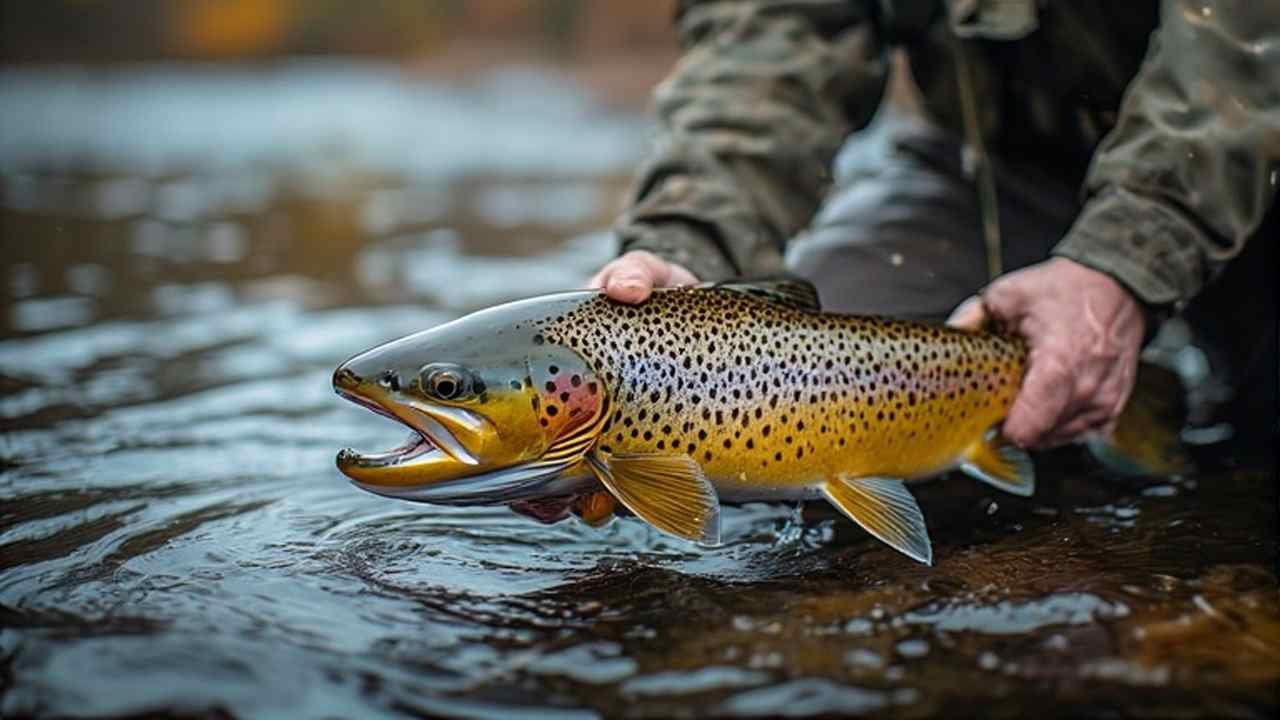
Connecticut Brook Trout Protection 2026: New 9-Inch Minimum Length Explained
Connecticut’s Department of Energy and Environmental Protection (CT DEEP) implemented groundbreaking new brook trout regulations effective January 1, 2026, marking the first statewide minimum length requirement since 1953. All trout species—including brook, brown, rainbow, tiger, and lake trout—now require a 9-inch minimum length for harvest across Connecticut waters. Additionally, 22 new Class 1 Wild Trout Management Areas now enforce year-round catch-and-release protocols using artificial lures with single barbless hooks only. These critical changes address the alarming decline in wild brook trout populations due to climate change, with documented reductions of up to 37% in native populations over recent decades.
These regulation updates represent the most significant overhaul to Connecticut’s trout fishing rules in over seven decades and reflect the urgent need to protect the state’s only native trout species from warming water temperatures and habitat loss.
Why Connecticut Changed Brook Trout Regulations in 2026
The Connecticut brook trout, scientifically known as Salvelinus fontinalis, faces unprecedented challenges that prompted immediate regulatory action. Brook trout require cold, clean water to survive, making them particularly vulnerable to climate-related temperature increases.
Primary Reasons for Regulatory Changes
Climate Change Impact: Connecticut’s average annual air temperature has increased by 2.2 degrees Fahrenheit, fundamentally altering stream temperatures. This seemingly small change creates conditions where formerly suitable brook trout habitat becomes uninhabitable during critical summer months.
Population Decline: DEEP biologists documented clear trends showing reduced range and abundance through decades of systematic river and stream fish community monitoring. Some watersheds experienced population declines exceeding 37% between monitoring periods.
Habitat Degradation: Beyond temperature increases, wild brook trout face compounding pressures from development, barriers to fish passage including poorly designed culverts and dams, altered rainfall patterns, and competition from non-native species.
Connecticut 2026 Trout Regulations: Complete Breakdown
Statewide Minimum Length Requirements
As of January 1, 2026, the following length restrictions apply throughout Connecticut:
| Trout Species | Minimum Length | Daily Creel Limit | Harvest Season |
|---|---|---|---|
| Brook Trout | 9 inches | 5 fish total (all trout species combined) | Second Saturday of April through February 28 |
| Brown Trout | 9 inches | 5 fish total (all trout species combined) | Second Saturday of April through February 28 |
| Rainbow Trout | 9 inches | 5 fish total (all trout species combined) | Second Saturday of April through February 28 |
| Tiger Trout | 9 inches | 5 fish total (all trout species combined) | Second Saturday of April through February 28 |
| Lake Trout | 9 inches | 5 fish total (all trout species combined) | Second Saturday of April through February 28 |
Important Note: The 9-inch minimum applies to all waters open to trout harvest except where more restrictive regulations already exist. This includes rivers, streams, lakes, and ponds throughout Connecticut unless specifically designated otherwise.
Catch-and-Release Only Period
Connecticut maintains a mandatory catch-and-release season for all trout from March 1 through 6:00 a.m. on the second Saturday of April. During this period:
- Zero daily creel limit (all caught trout must be released)
- Applies statewide to all trout species
- Fishing is permitted using legal methods
- Trout and Salmon Stamp still required if applicable
In 2026, the harvest season opens at 6:00 a.m. on April 12, 2026 (the second Saturday of April).
New Class 1 Wild Trout Management Areas (2026)
Connecticut designated 22 new locations as Class 1 Wild Trout Management Areas, providing the highest level of protection for wild brook trout populations. These areas enforce year-round catch-and-release regulations.
Complete List of New Class 1 Wild Trout Management Areas
| Waterbody Name | Town(s) | Special Requirements |
|---|---|---|
| Beaver Brook | Barkhamsted | Artificial lures/flies only, single barbless hook |
| Belden Brook | Granby | Artificial lures/flies only, single barbless hook |
| Bonemill Brook | Tolland & Ellington | Artificial lures/flies only, single barbless hook |
| Cold Brook and tributaries | Glastonbury | Artificial lures/flies only, single barbless hook |
| Green Falls River | North Stonington | Artificial lures/flies only, single barbless hook |
| Gulf Stream and tributaries | Somers | Artificial lures/flies only, single barbless hook |
| Hall Meadow Brook | Norfolk | Artificial lures/flies only, single barbless hook |
| Thorne Brook and tributaries | Hartland | Artificial lures/flies only, single barbless hook |
| Hurricane Brook | Hartland | Artificial lures/flies only, single barbless hook |
| Indian Hole Brook | Shelton | Artificial lures/flies only, single barbless hook |
| Jericho Brook | Thomaston | Artificial lures/flies only, single barbless hook |
| Lowden Brook | Voluntown | Artificial lures/flies only, single barbless hook |
| Mohawk Pond Outflow | Goshen | Artificial lures/flies only, single barbless hook |
| Morgan Brook | Barkhamsted | Artificial lures/flies only, single barbless hook |
| Pease Brook | Bozrah | Artificial lures/flies only, single barbless hook |
| Railroad Brook | Vernon | Artificial lures/flies only, single barbless hook |
| Sages Ravine Brook | Salisbury | Artificial lures/flies only, single barbless hook |
| Spruce Brook and tributaries | Litchfield | Artificial lures/flies only, single barbless hook |
| Stony Brook | Montville | Artificial lures/flies only, single barbless hook |
| Stratton Brook | Simsbury | Artificial lures/flies only, single barbless hook |
| West Branch Salmon Brook and tributaries | Hartland | Artificial lures/flies only, single barbless hook |
| Willow Brook and tributaries | Hamden & Cheshire | Artificial lures/flies only, single barbless hook |
Class 1 Wild Trout Management Area Regulations
In all designated Class 1 areas, anglers must follow these strict requirements:
- Zero harvest limit: All trout must be released immediately
- Artificial lures or flies only: No live bait, prepared baits, or natural baits permitted
- Single barbless hooks required: Hooks must have only one point and the barb must be removed or pinched down
- Year-round enforcement: Restrictions apply 365 days per year
- Maximum two lines: Unlike standard waters allowing three lines, Class 1 areas restrict anglers to two lines maximum
Connecticut Trout License and Stamp Requirements 2026
Understanding Connecticut’s licensing structure ensures legal compliance when fishing for brook trout and other salmonids.
Basic License Requirements
Who Needs a License: Anyone 16 years or older must possess a valid Connecticut fishing license to fish in inland or marine waters.
Exemptions:
- Connecticut residents 65 years or older (free license available)
- Children under 16 years old
- Active military members fishing in Connecticut (specific conditions apply)
- Free Fishing Days: May 9, 2026 (no license required)
Trout and Salmon Stamp Requirement
Beyond the standard fishing license, Connecticut requires a Trout and Salmon Stamp for specific activities:
| Activity | Stamp Required? | Cost | Validity |
|---|---|---|---|
| Harvesting trout from any water | Yes | $5.00 ($3.00 for CT residents age 16-17) | Calendar year |
| Harvesting kokanee salmon | Yes | $5.00 ($3.00 for CT residents age 16-17) | Calendar year |
| Harvesting Atlantic salmon | Yes | $5.00 ($3.00 for CT residents age 16-17) | Calendar year |
| Catch-and-release trout fishing in most waters | No | N/A | N/A |
| Fishing in designated Trout Management Areas | Yes | $5.00 ($3.00 for CT residents age 16-17) | Calendar year |
| Fishing in Trout Parks | Yes | $5.00 ($3.00 for CT residents age 16-17) | Calendar year |
Important: The Trout and Salmon Stamp is required regardless of whether you plan to harvest in Trout Management Areas, Wild Trout Management Areas, Trout Parks, and Trophy Trout Areas.
For comprehensive information about licensing across all states, review this complete fishing license guide.
New Trout Parks Added in 2026
Connecticut established three new Trout Parks effective January 1, 2026, providing family-friendly stocked trout fishing opportunities:
2026 New Trout Park Locations
- Mashamoquet Brook State Park – Pomfret
- Macedonia Brook State Park – Kent
- Kettletown Brook – Southbury
Trout Park Regulations:
- Stocked regularly with catchable-sized trout
- Standard statewide regulations apply (9-inch minimum, 5-fish daily limit)
- Trout and Salmon Stamp required
- Accessible for anglers of all skill levels
- Open during standard Connecticut fishing hours
Waters Where Special Regulations Were Removed
To simplify statewide regulations, CT DEEP removed special designations from several waters, which now follow default statewide trout regulations (9-inch minimum, 5-fish limit):
Former Special Regulation Waters (Now Standard)
- East Branch Naugatuck River (Torrington) – formerly Wild Trout Management Area Class 3
- Shunock Brook (North Stonington) – formerly Wild Trout Management Area Class 3
- Eightmile River (East Haddam & Lyme) – formerly Sea-Run Stream
- Whitford Brook (North Stonington) – formerly Sea-Run Stream
- Mianus River outside Trout Management Area (Greenwich & Stamford) – formerly Sea-Run Stream
- Crystal Lake (Ellington) – formerly Trout Management Lake
This simplification means anglers face fewer regulation variations across Connecticut waters, though it’s always essential to verify specific waterbody rules before fishing.
Connecticut Brook Trout Stocking Program 2026
Connecticut maintains an aggressive trout stocking program to supplement wild populations and provide harvest opportunities while protecting native brook trout.
2026 Stocking Schedule Overview
Winter Stocking (January-February):
- Ongoing through February 2026
- Focuses on ice-fishing accessible waters
- Includes select lakes, ponds, and larger river systems
Spring Stocking (March-May):
- Primary stocking period: Tuesday through Saturday each week
- Heaviest stocking occurs March through early May
- Over 600,000 trout stocked annually statewide
- Includes all five trout species
Fall Stocking (October-November):
- Secondary stocking period
- Focus on larger “catchable” trout
- Provides extended season opportunities
Stocking Composition and Size
Hatchery Brook Trout: Nearly all stocked brook trout exceed 9 inches in length, providing harvest opportunities while protecting smaller wild fish.
Species Mix:
- Brook trout (including larger broodstock fish)
- Brown trout (predominant species in many waters)
- Rainbow trout
- Tiger trout (sterile brook/brown hybrid)
- Lake trout (occasional donations from federal hatcheries)
To find specific stocking dates for your favorite waters, visit the Connecticut trout stocking schedule page maintained by CT DEEP, or check the weekly stocking report updated throughout the season.
For broader regional information, explore the complete trout stocking schedule covering multiple states.
How to Identify Wild vs. Stocked Brook Trout
Distinguishing wild native brook trout from hatchery-raised fish helps anglers make conservation-minded harvest decisions.
Wild Brook Trout Characteristics
- Size: Typically under 9 inches in Connecticut streams
- Coloration: Vibrant, jewel-like spots (blue halos around red spots)
- Fins: Perfect, intact fins with bright white leading edges
- Body shape: Streamlined, proportional head-to-body ratio
- Behavior: Extremely wary, quick to flee when approached
Hatchery Brook Trout Characteristics
- Size: Usually 9 inches or larger at stocking
- Coloration: Often paler with less vibrant coloring
- Fins: May show wear, fraying, or fin damage from hatchery rearing
- Body shape: Sometimes deeper-bodied, especially in broodstock fish
- Behavior: Less wary, more aggressive toward lures and bait
Conservation Tip: When in doubt about whether a brook trout is wild or stocked, consider releasing all brook trout under 10 inches to support wild populations. The 9-inch minimum is a legal minimum, not necessarily an ethical harvesting guideline.
Best Practices for Brook Trout Conservation
Beyond following regulations, Connecticut anglers can adopt practices that enhance brook trout survival and population recovery.
Catch-and-Release Best Practices
Minimize handling time: Keep fish in water whenever possible; handle for less than 30 seconds
Use barbless hooks: Even in waters where barbed hooks are legal, barbless hooks reduce injury and handling time
Wet hands before handling: Dry hands remove protective slime coating; wet hands preserve this critical barrier
Support the fish properly: Never squeeze the body; support horizontally with one hand under the belly, one near the tail
Revive thoroughly: Hold fish facing upstream in moving water until it swims away strongly on its own
For comprehensive guidelines on proper techniques, review these ethical fishing practices.
Temperature-Sensitive Fishing
Brook trout become stressed when water temperatures exceed 68°F (20°C). During warm summer months:
- Fish early morning or evening when water is coolest
- Avoid fishing during heat waves when water temperatures peak
- Focus on spring-fed streams and headwater sections that maintain cooler temperatures
- Consider ceasing fishing if you observe trout exhibiting stress behaviors (lethargy, slow recovery)
Habitat Protection
Individual anglers contribute to brook trout conservation through habitat stewardship:
- Practice Leave No Trace principles along streams and rivers
- Properly dispose of fishing line (never leave it streamside where wildlife can become entangled)
- Avoid trampling streambank vegetation that provides shade and bank stability
- Report pollution and habitat damage to CT DEEP at 860-424-3000
- Support watershed conservation organizations working to protect coldwater habitats
Understanding Connecticut’s Other Trout Regulations
Beyond brook trout-specific rules, Connecticut maintains comprehensive regulations affecting all trout fishing activities.
Line and Rod Limits
Standard Waters: Maximum three lines (with or without rods) per angler
Restricted Waters (Trout Management Areas, Wild Trout Management Areas, Trout Parks, Sea-run Trout Streams, Trophy Trout Areas): Maximum two lines (with or without rods) per angler
Legal Fishing Methods for Trout
Connecticut permits the following methods for trout:
- Angling: Rod, line, and hook (most common method)
- Ice fishing: Through the ice during winter months when ice is safe
- Fly fishing: Specifically required in certain designated fly-fishing-only areas
Prohibited Methods:
- Spearing or bowfishing for trout
- Netting or trapping
- Snagging or foul-hooking
- Using more than the legal number of lines
Possession Limits
Connecticut’s possession limit for trout equals two daily bag limits. This means:
- If the daily limit is 5 trout, you may possess up to 10 trout at any time
- Possession limits apply to trout in your possession anywhere (at home, in freezer, in vehicle)
- Cleaned or processed trout still count toward possession limits
- Anglers must be able to prove legal harvest dates if challenged
Special Regulations for Other Connecticut Waters
While this guide focuses on the 2026 brook trout regulation changes, several Connecticut waters maintain unique regulations worth noting:
Highland Lake Thermal Refuge Protection
Highland Lake (Winchester) now includes a protective thermal refuge at the mouth of Taylor Brook:
- Closed to all fishing: July 1 through October 15
- Reason: Protects trout congregating in cool spring-fed water during summer heat
- Penalties: Fishing in closed refuge can result in citations
Housatonic River Special Bass Regulations
While not trout-specific, this regulation affects multi-species anglers:
- Housatonic River from Connecticut-Massachusetts border downstream to Bleachery Dam (New Milford)
- Largemouth and smallmouth bass: Year-round catch-and-release only
- No harvest permitted at any time
Chain Pickerel Management Lakes
Three Salisbury lakes now have restrictive chain pickerel regulations:
- Lake Wononskopomuc, East Twin Lake, West Twin Lake
- 22-inch minimum length for chain pickerel
- 1 fish daily limit
Connecticut Brook Trout Penalties and Enforcement
Understanding violation consequences encourages compliance and protects Connecticut’s fisheries.
Common Brook Trout Regulation Violations
Size Violations: Keeping trout under 9 inches where minimum length applies
- Fine: $90-$150 per undersized fish
- Additional penalties: Possible license suspension
Harvest During Catch-and-Release Season: Keeping trout March 1 through second Saturday of April
- Fine: $120-$200
- Additional penalties: Loss of fishing privileges
Fishing in Class 1 Wild Trout Management Areas with Bait: Using live bait, prepared baits, or barbed hooks
- Fine: $90-$150
- Additional penalties: Confiscation of illegal gear
Exceeding Daily Creel Limit: Keeping more than 5 trout per day
- Fine: $90-$150 per fish over limit
- Additional penalties: Possible criminal charges if excessive
Fishing Without Proper Licensing: Lacking required fishing license or Trout and Salmon Stamp
- Fine: $72 for license violation, plus applicable stamp violation
- Court appearance: May be required for repeat offenders
For complete information about potential violations and their consequences, review the fishing regulation violation penalties guide.
Connecticut Environmental Conservation Police
The Connecticut Environmental Conservation Police (EnCon Police) enforce fishing regulations statewide. Officers:
- Conduct routine license and creel checks
- Monitor protected waters and closed areas
- Investigate reports of poaching and violations
- Have full law enforcement authority
Cooperation Tips:
- Carry your fishing license and stamps at all times while fishing
- Allow officers to inspect your catch without resistance
- Be honest about your fishing activities and catch
- Ask questions if you’re uncertain about regulations
Climate Change and the Future of Connecticut Brook Trout
The 2026 regulation changes represent proactive conservation, but long-term brook trout survival requires addressing fundamental climate challenges.
Projected Climate Impacts
Temperature Increases: Climate models predict Connecticut stream temperatures may increase an additional 2-4°F by 2050, potentially eliminating brook trout from all but the coldest headwater streams.
Altered Precipitation Patterns: Increasing frequency of intense rain events followed by drought periods destabilizes stream flows and temperatures.
Habitat Fragmentation: As suitable habitat shrinks, isolated brook trout populations face genetic bottlenecks and reduced resilience.
Conservation Initiatives Beyond Regulations
Connecticut is implementing multiple strategies to enhance brook trout resilience:
Barrier Removal: Removing obsolete dams and replacing undersized culverts reconnects fragmented habitats
Riparian Reforestation: Planting trees along streams provides shade, lowers water temperature, and stabilizes banks
Thermal Refugia Identification: Mapping and protecting spring-fed cold-water inputs where trout can survive summer heat
Stormwater Management: Improving urban and suburban stormwater systems reduces thermal pollution
Brook Trout Restoration: Reintroducing brook trout to restored habitats where they were historically present
Frequently Asked Questions (FAQs)
Can I keep any brook trout under 9 inches in Connecticut?
No. As of January 1, 2026, all trout species including brook trout must measure at least 9 inches to be legally harvested anywhere in Connecticut, except in waters where more restrictive regulations apply (like catch-and-release-only areas).
Does the 9-inch minimum apply to all trout species or just brook trout?
The 9-inch minimum length applies to all trout species: brook trout, brown trout, rainbow trout, tiger trout, and lake trout. This statewide standard simplifies regulations and provides protection across all salmonid species.
What is the difference between Class 1, Class 2, and Class 3 Wild Trout Management Areas?
Class 1 Wild Trout Management Areas (22 new areas in 2026): Year-round catch-and-release only, artificial lures/flies with single barbless hooks required, zero harvest permitted.
Class 2 and Class 3 areas have less restrictive regulations with seasonal harvest allowed under specific conditions. Check the specific waterbody regulations as they vary.
When does Connecticut trout season open in 2026?
Connecticut has no closed season for trout fishing. However, harvest is prohibited during the catch-and-release period from March 1 through 6:00 a.m. on the second Saturday of April. In 2026, harvest season opens at 6:00 a.m. on April 12, 2026.
Do I need a Trout and Salmon Stamp for catch-and-release fishing?
In most waters, no stamp is required for catch-and-release fishing. However, the Trout and Salmon Stamp is required regardless of harvest intent when fishing in Trout Management Areas, Wild Trout Management Areas, Trout Parks, Trophy Trout Areas, and Sea-run Trout Streams.
Where can I find updated trout stocking information for Connecticut?
Visit the official CT DEEP Trout Stocking webpage for interactive maps, weekly stocking reports, and historical stocking data. The page updates regularly throughout the stocking season.
Are wild brook trout stocked in Connecticut waters?
No. Connecticut stocks hatchery-raised brook trout, not wild fish. Nearly all stocked brook trout exceed 9 inches, making them legal to harvest under current regulations. Wild brook trout, which typically measure under 9 inches, reproduce naturally in Connecticut streams.
Can I use bait in Wild Trout Management Areas?
Not in Class 1 Wild Trout Management Areas. These 22 waters designated in 2026 require artificial lures or flies with single barbless hooks only. No live bait, prepared baits, scents, or natural baits are permitted. Other Wild Trout Management classifications may allow bait—check specific waterbody regulations.
What happens if I accidentally catch and injure a brook trout in a catch-and-release area?
Despite best intentions, fish injuries occur. In catch-and-release waters, you must still release the fish even if injured, unless it is clearly mortally wounded and would not survive. Document the situation if questioned by enforcement officers. Using proper catch-and-release techniques minimizes this risk.
How can I tell if a stream has wild brook trout?
Connecticut streams with viable wild brook trout populations are typically:
- Headwater streams with consistent cold-water inputs
- Well-shaded with intact forest canopy
- Free-flowing without major impoundments
- Located in minimally developed watersheds
- Designated as Class 1 Wild Trout Management Areas (strong indicator)
The CT DEEP website provides information about wild trout presence in specific watersheds.
Additional Connecticut Fishing Resources
Understanding Water Classifications
Connecticut divides fishing waters into distinct categories with specific regulations. Knowing these classifications helps ensure compliance:
Inland District: All freshwater rivers, streams, lakes, and ponds
Marine District: Saltwater areas including Long Island Sound and tidal portions of rivers
Trout Management Areas: Waters with special trout regulations designed to provide quality fishing
Community Fishing Waters: Family-friendly locations with simplified regulations and accessibility features
For details on navigating public vs. private waters, consult comprehensive access guidelines.
Youth and First-Time Anglers
Connecticut encourages fishing participation among young people and newcomers:
- Free fishing licenses for residents under 16
- Family Fishing Day (May 9, 2026) requires no license
- Trout Parks provide accessible, regularly stocked locations ideal for beginners
- Fishing clinics throughout the season teach basic skills
First-time anglers benefit from reviewing fishing rules for youth and first-time anglers before heading out.
Reporting Poaching and Violations
Connecticut residents can report wildlife violations including illegal harvest, fishing in closed waters, or exceeding limits:
24-Hour Hotline: Call 1-800-842-HELP (4357) to report violations
Online Reporting: Submit information through the CT DEEP website
Anonymous Tips: Callers may remain anonymous; rewards available for information leading to convictions
Community vigilance protects Connecticut’s fisheries resources for future generations.
Conclusion: Connecticut’s Commitment to Brook Trout
The January 2026 brook trout regulation changes demonstrate Connecticut’s proactive approach to conserving its only native trout species amid accelerating climate challenges. The 9-inch statewide minimum length requirement and designation of 22 new Class 1 Wild Trout Management Areas provide critical protections allowing wild populations time to adapt and recover.
These regulations balance conservation with recreational opportunity—hatchery-stocked brook trout exceeding 9 inches remain available for harvest, while wild fish gain protection to spawn and maintain genetic diversity. Success depends on angler cooperation, habitat restoration, and continued monitoring of population trends.
Connecticut anglers play an essential role in brook trout conservation through regulation compliance, voluntary catch-and-release practices, and habitat stewardship. The 2026 regulation updates offer optimism that Connecticut’s wild brook trout may persist in the state’s coldest, cleanest streams for generations to come.