
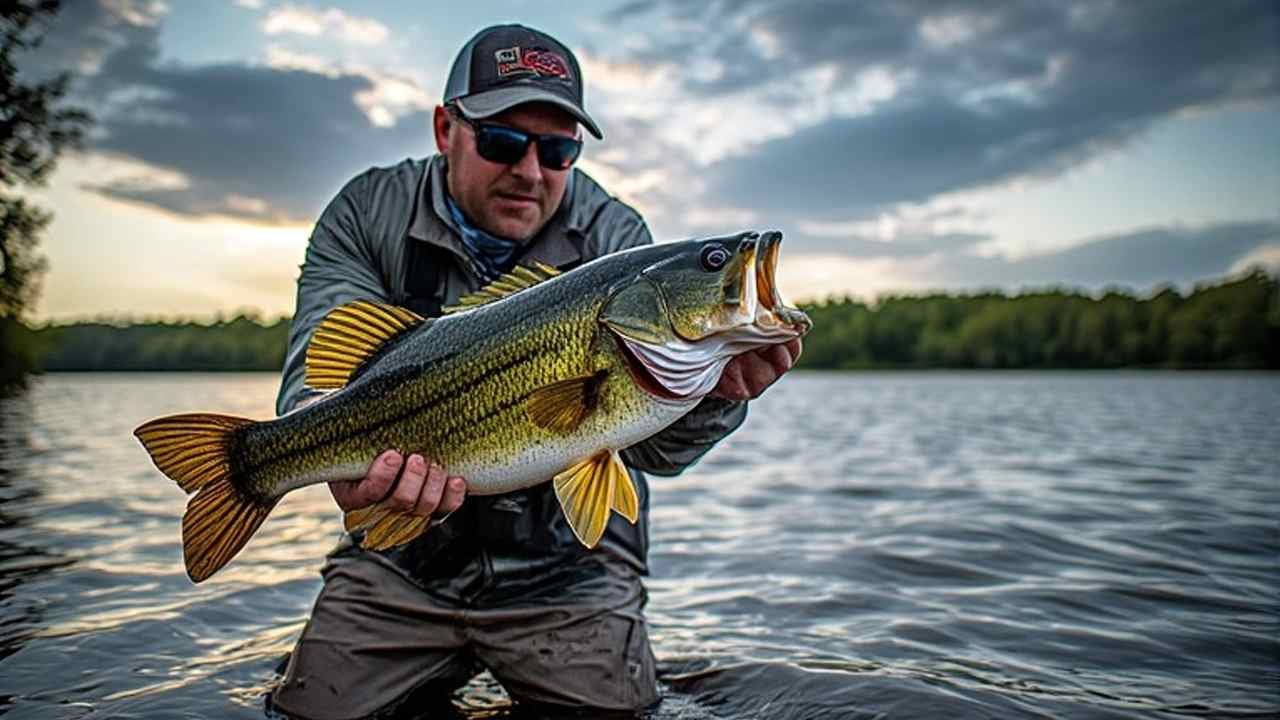
Minnesota DNR Year-Round Bass Season Rule Changes 2026: Complete Guide for Anglers
The Minnesota DNR year-round bass season rule changes 2026 have officially transformed bass fishing opportunities across the state. Effective January 26, 2026, Minnesota anglers can now target largemouth and smallmouth bass throughout the entire year, marking the most significant regulatory shift in Minnesota bass fishing history. The new continuous bass season eliminates traditional closed periods by converting them to catch-and-release opportunities while maintaining all existing harvest windows. This means anglers can legally pursue bass 365 days a year, with specific periods designated for catch-and-release fishing and others allowing harvest under established bag limits of six combined largemouth or smallmouth bass during traditional open seasons.
This groundbreaking regulation responds to decades of angler advocacy and scientific evidence showing minimal negative impacts on bass populations from extended fishing seasons. Bass anglers no longer need to travel to neighboring states during winter months or risk penalties for accidentally catching bass during closed periods. The rule maintains conservation protections through strategic catch-and-release requirements while significantly expanding recreational opportunities for Minnesota’s estimated 1.3 million licensed anglers.
What Changed With Minnesota’s Bass Fishing Regulations in 2026
The Minnesota Department of Natural Resources implemented expedited rulemaking that fundamentally restructured bass fishing regulations across inland waters. Previously, anglers faced complete closure periods where even accidental bass catches required immediate release without the ability to intentionally target the species.
Key Regulatory Changes Implemented
Before 2026:
- Bass fishing was completely prohibited during winter and early spring closure periods
- Anglers could face citations for targeting bass outside designated seasons
- Closed seasons varied by species and geographic zone
- Incidental catches during closed periods created legal ambiguity
After January 26, 2026:
- Year-round fishing access for both largemouth and smallmouth bass
- Former closed periods now operate as mandatory catch-and-release seasons
- All traditional harvest periods remain unchanged
- Simplified enforcement with clear seasonal designations
The regulation took effect through an expedited process rather than standard rulemaking, allowing faster implementation after extensive public input during fall 2025. Over 50 public comments supported the change, with the DNR receiving no formal hearing requests that would have delayed adoption.
Complete Bass Season Timeline for 2026
Understanding when you can harvest versus release bass is critical for compliance. The continuous season operates on a structured calendar that preserves spawning protections while expanding access.
2026 Bass Fishing Season Breakdown
| Time Period | Season Type | Largemouth Bass Rules | Smallmouth Bass Rules |
|---|---|---|---|
| January 1 – May 9 | Catch-and-Release Only | Must immediately release all bass | Must immediately release all bass |
| May 10 – May 23 | Early Harvest Window | Catch-and-Release Only | Catch-and-Release Only |
| May 24 – September 7 | Primary Harvest Season | 6 combined limit (largemouth/smallmouth) | 6 combined limit (largemouth/smallmouth) |
| September 8 – February 28, 2027 | Mixed Season | 6 fish daily limit allowed | Catch-and-Release Only |
Important Season Details for Minnesota Anglers
Statewide Regulations Apply Except:
- Northeast Zone (east of US Highway 53 between Duluth and International Falls) has modified regulations
- Waters with special experimental regulations maintain unique restrictions
- Boundary waters with Wisconsin follow interstate compact agreements
The six-fish combined possession limit applies during harvest seasons, meaning your total count of largemouth and smallmouth bass together cannot exceed six fish. This differs from species-specific limits in neighboring states like Wisconsin.
Geographic Zones and Special Regulation Waters
Minnesota’s bass regulations divide the state into management zones with varying rules based on habitat characteristics and fish population dynamics.
Minnesota Bass Fishing Management Zones
1. Northeast Zone
- Boundaries: East of US Highway 53 from Duluth to International Falls
- Included Waters: Boundary Waters Canoe Area Wilderness (BWCAW), Superior National Forest lakes, Iron Range waters
- Special Considerations: Earlier season openers and unique size restrictions on select waters
2. Statewide Zone (Rest of Minnesota)
- Coverage: All inland waters not designated as Northeast Zone or special regulation waters
- Standard Regulations: Follow the complete season timeline outlined above
- Population Management: Balanced harvest approach with robust spawning protections
Waters with Modified Bass Regulations
Several Minnesota lakes maintain experimental or special regulations that supersede standard statewide rules:
| Water Body | County | Special Regulation | Reason |
|---|---|---|---|
| Mille Lacs Lake | Multiple | Protected slot limits; specific seasonal restrictions | Ecosystem management and treaty obligations |
| Lake Minnetonka | Hennepin | 14-20 inch protected slot; one over 20 inches allowed | Trophy bass management |
| Lake Vermilion | St. Louis | Modified harvest windows | Research and population monitoring |
| Clear Lake | Waseca | Catch-and-release only year-round | Quality fishery enhancement |
Always check the Minnesota DNR special regulations page or current fishing regulations booklet before fishing unfamiliar waters. Special regulation waters often display signage at public accesses, but anglers bear legal responsibility for knowing applicable rules.
Bag Limits, Size Restrictions, and Possession Rules
Understanding harvest regulations prevents violations and supports sustainable bass populations across Minnesota waters.
Daily and Possession Limits for Bass
Standard Statewide Limits:
- Daily Bag Limit: 6 combined largemouth and smallmouth bass
- Possession Limit: 6 fish (same as daily limit)
- Size Restrictions: Vary by water body; generally no statewide minimum or maximum
What “Combined Limit” Means:
You cannot keep six largemouth AND six smallmouth bass. The total of both species together cannot exceed six fish. Examples:
- ✅ Legal: 4 largemouth + 2 smallmouth = 6 total
- ✅ Legal: 6 largemouth + 0 smallmouth = 6 total
- ❌ Illegal: 5 largemouth + 3 smallmouth = 8 total
Protected Slot Limits on Select Waters
Some trophy bass waters implement protected slot limits where bass within specific size ranges must be released:
Example Slot Limit Structure:
- All bass from 14-20 inches must be immediately released
- Bass under 14 inches may be kept (up to daily limit)
- One bass over 20 inches may be kept
- Promotes trophy-sized fish while allowing harvest of smaller bass
These regulations concentrate fishing mortality outside peak spawning-age bass, creating balanced age structures that improve overall fish size and angling quality.
Why Minnesota Adopted Year-Round Bass Fishing
The transition to continuous bass seasons reflects evolving fisheries science and changing angler expectations across the United States.
Scientific Justification for the Rule Change
Research Supporting Extended Seasons:
- Minimal Spawning Disruption: Studies from Wisconsin, Michigan, and other states with year-round seasons show negligible impacts on bass reproduction
- Self-Regulation During Spawn: Most anglers voluntarily avoid spawning areas, and bed-fishing pressure remains light in northern climates
- Population Resilience: Bass exhibit high reproductive success even with extended fishing pressure
- Mortality Rates: Properly handled catch-and-release bass show survival rates exceeding 95%
The Minnesota DNR compiled data from neighboring states that implemented year-round bass fishing over the past decade. Wisconsin’s experience with continuous seasons since 2015 demonstrated no measurable decline in bass populations or recruitment rates.
Economic and Recreational Benefits
Expanding fishing opportunities provides:
- $2.1 billion annual economic impact from recreational fishing in Minnesota
- Extended guide service seasons for charter captains specializing in bass
- Reduced illegal activity from anglers unaware of complex seasonal closures
- Increased license sales from anglers previously deterred by restrictive seasons
- Tourism revenue during shoulder seasons (early spring and late fall)
The American Sportfishing Association strongly supported Minnesota’s rule change, noting that year-round bass seasons align with modern conservation principles while meeting angler demand for expanded access.
Catch-and-Release Best Practices for Minnesota Bass Anglers
With extended fishing opportunities come increased responsibilities for conservation-minded anglers. Proper catch-and-release techniques ensure bass survive encounters and maintain healthy populations.
Essential Catch-and-Release Techniques
Equipment Recommendations:
- Hooks: Use circle hooks or barbless hooks for easier removal and reduced injury
- Landing Tools: Rubber-coated nets prevent slime coat damage; consider no-net handling for bass
- Pliers/Dehookers: Long-nose pliers or dedicated dehookers for quick, safe hook removal
Handling Best Practices:
- Minimize Air Exposure: Keep bass in water whenever possible; limit air exposure to under 10 seconds
- Wet Your Hands: Always wet hands before touching fish to protect their protective slime coating
- Horizontal Support: Support bass horizontally with one hand under the belly; avoid “lipless” vertical holds for large fish
- Quick Photography: Have cameras ready before landing fish; take photos with fish partially in water when possible
Water Temperature Considerations:
- Cold Water (Below 50°F): Bass are sluggish; handle minimally and release immediately
- Warm Water (Above 75°F): Increased stress; reduce fight time and ensure proper revival before release
- Spawning Season: Avoid fishing beds if possible; release bed-guarding bass immediately to prevent nest predation
Revival Techniques for Stressed Bass
If a bass appears disoriented or struggles to swim after release:
- Hold Upright: Support fish in swimming position in the water
- Gentle Movement: Move fish forward and backward to push water through gills
- Patience: Continue revival efforts until fish swims away strongly under its own power
- Deep-Water Release: If fishing deep structure, allow bass to recover at depth before release to prevent barotrauma issues
For additional guidance on ethical fishing practices, consult comprehensive resources that cover responsible angling across all species and seasons.
Common Questions About Minnesota’s New Bass Regulations
When did the year-round bass season officially begin?
The continuous bass season became effective January 26, 2026, following expedited rulemaking completed in fall 2025. The regulation was officially adopted with an implementation date allowing anglers to target bass during what was previously a closed winter period.
Do I need a special license to fish during catch-and-release periods?
No special license is required. Your standard Minnesota fishing license covers all continuous bass season periods. Licenses run from March 1 through the last day of February the following year. The current 2025-26 license is valid through February 28, 2026.
For comprehensive information about fishing license requirements, including resident and non-resident options, visit licensing resources that detail costs and purchasing locations.
Can I fish for bass on all Minnesota lakes year-round?
Most inland waters follow the continuous season regulations, but important exceptions exist:
- Waters with special experimental regulations maintain unique rules
- Certain Northeast Zone lakes have modified seasons
- Some metro-area lakes implementing quality fishery initiatives require catch-and-release year-round
- Always verify regulations for specific water bodies before fishing
The official Minnesota DNR fishing regulations website maintains updated special regulation listings and interactive maps showing zone boundaries.
What happens if I’m caught violating the new bass regulations?
Fishing regulation violations carry significant penalties in Minnesota:
- Possession during catch-and-release season: Misdemeanor charges; fines up to $500 plus court costs
- Over-limit violations: $50-$100 per fish over limit; potential license suspension
- Special regulation violations: Fines doubling on experimental waters
- Repeat offenses: License revocation; increased fines; potential criminal charges
Conservation officers actively patrol popular bass waters during transitional periods (May opener, September smallmouth closure) when confusion is most likely. Claiming ignorance of regulations is not a valid defense.
Does the year-round season apply to both largemouth and smallmouth bass?
Yes, both largemouth bass (Micropterus salmoides) and smallmouth bass (Micropterus dolomieu) are covered under the continuous season regulations. However, note the critical difference in fall regulations:
- Largemouth bass: Harvest allowed through February
- Smallmouth bass: Catch-and-release only from September 8 through the following spring
This species-specific distinction protects smallmouth bass during their extended fall feeding period and provides additional conservation benefits for populations in northern Minnesota waters.
Can I use live bait or only artificial lures during catch-and-release seasons?
Minnesota’s continuous bass season regulations do not restrict bait type. Anglers may use live bait, cut bait, or artificial lures during all season periods, including catch-and-release windows. However, many experienced anglers recommend artificial lures during mandatory release periods because:
- Fish deeply hooked on live bait have lower survival rates
- Artificial lures typically hook bass in the mouth rather than gut or gills
- Circle hooks with live bait can improve catch-and-release survival if you prefer natural presentations
Understanding common fishing mistakes helps anglers avoid unintentional violations and fish injuries that compromise conservation goals.
What Minnesota Bass Anglers Need to Do Now
Immediate Action Items for 2026 Season
1. Verify Your Fishing License Status
- Current licenses remain valid through February 28, 2026
- Renew starting March 1, 2026 for the 2026-27 license year
- Purchase licenses online at the DNR website or at sporting goods retailers statewide
2. Review Special Regulations for Your Target Waters
- Download the current fishing regulations booklet (PDF available on DNR website)
- Check specific regulations for lakes you plan to fish
- Note any size restrictions, protected slots, or experimental regulations
3. Update Your Gear for Proper Catch-and-Release
- Invest in rubber-coated landing nets
- Purchase quality dehooking tools
- Consider upgrading to circle hooks for better hook-set location
4. Plan Your Bass Fishing Calendar
- Take advantage of winter/early spring catch-and-release opportunities
- Target May 24 opener for harvest season
- Understand September 8 transition to smallmouth catch-and-release
Long-Term Considerations for Minnesota Bass Fishing
Population Monitoring:
The Minnesota DNR will actively monitor bass populations across representative lakes to assess regulation impacts. Anglers should expect:
- Periodic creel surveys asking about catch rates and sizes
- Continued special regulations adjustments based on population data
- Potential modifications to season structures if monitoring reveals issues
Staying Informed:
Fishing regulations evolve based on fisheries science and population trends. Subscribe to fishing season updates through the Minnesota DNR’s email notification system to receive alerts about:
- Proposed regulation changes
- Public comment periods for future rulemaking
- Emergency closures or restrictions
- Special management initiatives
Minnesota Bass Fishing Opportunities Beyond Inland Waters
While the year-round bass season applies to inland waters, Minnesota offers diverse bass fishing environments with varying regulations.
Lake Superior and Tributary Waters
Lake Superior and its Minnesota tributaries maintain separate regulations from inland waters:
- Smallmouth bass fishing subject to different seasonal structures
- Special early-season opportunities in select tributaries
- Interstate coordination with Wisconsin and Michigan for consistent boundary water regulations
Recent rulemaking simplified Lake Superior trout seasons and clarified where inland bass regulations apply versus lake-specific rules.
Mississippi River Pool Waters
The Mississippi River along Minnesota’s eastern and southern borders offers exceptional smallmouth bass fishing with unique characteristics:
- Boundary waters shared with Wisconsin follow interstate agreements
- Pool-specific regulations may differ from inland water rules
- Excellent smallmouth populations in pools 3, 4, 5, and 5A
- Navigation channels and wing dams provide year-round structure
St. Croix River Boundary Waters
The St. Croix River forms part of Minnesota’s border with Wisconsin, requiring anglers to understand boundary water regulations that ensure consistent rules regardless of which state’s waters you’re fishing.
Conservation and the Future of Minnesota Bass Fishing
Minnesota’s adoption of year-round bass fishing represents a progressive conservation model that balances access with sustainability.
Sustainable Bass Management Principles
The Minnesota DNR’s approach incorporates:
- Adaptive Management: Regulations adjust based on ongoing population monitoring and research
- Angler-Centric Design: Rules reflect angler input while maintaining conservation integrity
- Science-Based Decision Making: Changes stem from fisheries data rather than political pressure
- Regional Flexibility: Zone-based management recognizes ecological differences across Minnesota’s diverse water bodies
Why This Approach Works:
Bass are among the most resilient sportfish species, exhibiting high reproductive success and adaptability to varying fishing pressure. Unlike species vulnerable to overharvest (walleye, lake trout), bass populations typically respond well to extended seasons when coupled with strategic catch-and-release mandates during critical periods.
How Anglers Support Bass Conservation
Individual angler actions collectively determine the success of Minnesota’s year-round bass season:
Conservation-Minded Practices:
- Voluntarily release large spawning-sized bass (over 18 inches) to maintain genetic quality
- Report observations of injured or dead bass to local DNR fisheries offices
- Participate in creel surveys and population studies when contacted
- Educate fellow anglers about proper catch-and-release techniques
- Avoid targeting actively spawning bass on visible beds when possible
Habitat Protection:
- Support shoreline conservation initiatives that protect spawning habitat
- Practice clean boating to prevent aquatic invasive species spread
- Participate in lake association habitat restoration projects
- Report aquatic vegetation removal violations that damage bass nursery areas
For comprehensive guidance on responsible angling across all situations, consult resources covering ethics, conservation, and sustainable fishing practices.
Additional Resources for Minnesota Bass Anglers
Official Minnesota DNR Resources
- Fishing Regulations Webpage: www.dnr.state.mn.us/regulations/fishing/index.html
- Continuous Bass Season Information: www.dnr.state.mn.us/input/rules/fisheries/continuous-bass-season.html
- License Purchase Portal: Available online and at 1,700+ license agents statewide
- Lake Finder Tool: Interactive map with lake-specific regulations, depths, and access information
Understanding Your Rights and Responsibilities
Minnesota anglers fish on public and private waters with distinct access rights and restrictions. Knowing where you can legally fish and proper etiquette prevents conflicts and legal issues.
Youth and First-Time Angler Programs
Minnesota offers excellent programs for introducing new anglers to bass fishing:
- Free Fishing Weekends: No license required; perfect for trying bass fishing
- Youth Licensing: Reduced-cost licenses for anglers under 16
- Angler Education Programs: DNR-sponsored clinics teaching fishing skills and ethics
For complete details on youth and beginner fishing regulations, explore comprehensive guides covering age-specific rules and mentoring opportunities.
Conclusion: A New Era for Minnesota Bass Fishing
The Minnesota DNR year-round bass season rule changes 2026 represent a landmark shift in fisheries management, providing unprecedented access while maintaining conservation safeguards. By converting traditional closed seasons to catch-and-release opportunities, Minnesota joins progressive states recognizing that modern bass populations can sustain expanded recreational fishing with proper seasonal protections.
The success of this regulatory transformation depends on angler responsibility and compliance. Understanding when harvest is permitted versus mandatory release periods, practicing proper catch-and-release techniques, and respecting special regulation waters ensure this expanded access continues for future generations of Minnesota bass anglers.
Whether you’re a tournament angler seeking winter practice opportunities, a recreational fisherman enjoying year-round outdoor experiences, or a beginner exploring Minnesota’s exceptional bass fisheries, the continuous bass season opens new possibilities while honoring the state’s proud conservation tradition.
Stay informed about ongoing regulation developments, practice ethical angling, and enjoy the remarkable bass fishing opportunities Minnesota offers throughout all four seasons.
Frequently Asked Questions (FAQs)
Q: What is the penalty for keeping bass during catch-and-release only periods in Minnesota?
A: Violations during mandatory catch-and-release periods are classified as misdemeanor offenses punishable by fines up to $500 plus court costs. Repeat offenders face increased penalties including potential license suspension or revocation. Conservation officers focus enforcement during transitional periods when confusion is most common.
Q: Are there any lakes in Minnesota where bass fishing is still prohibited during certain times?
A: The vast majority of inland waters follow the continuous season regulations. However, select waters with experimental or special regulations may maintain unique restrictions, including year-round catch-and-release requirements or modified seasonal structures. Always verify regulations for specific lakes before fishing.
Q: Do boundary waters with Wisconsin follow Minnesota or Wisconsin bass regulations?
A: Boundary waters shared with Wisconsin operate under interstate compact agreements that establish consistent regulations regardless of which state’s waters you’re fishing. These rules may differ from standard inland regulations in either state. Check specific boundary water regulations before fishing the Mississippi River, St. Croix River, or other shared waterways.
Q: Can I participate in bass tournaments during catch-and-release only periods?
A: Yes, bass fishing tournaments can operate during catch-and-release periods provided all bass are immediately released and tournament formats comply with the mandatory release requirement. Many Minnesota bass clubs schedule early-season tournaments to take advantage of expanded access, though weigh-in procedures must accommodate immediate release requirements.
Q: How does Minnesota’s year-round bass season compare to neighboring states?
A: Minnesota’s continuous bass season aligns with Wisconsin’s regulations implemented in 2015, which also feature year-round fishing with seasonal harvest windows. Michigan offers year-round bass fishing with regional variations, while North and South Dakota maintain traditional closed seasons. Iowa has moved toward extended seasons in recent years. Minnesota’s approach balances access with conservation using proven models from neighboring states.
Q: Will the Minnesota DNR modify these regulations if bass populations decline?
A: The DNR commits to adaptive management, meaning regulations adjust based on ongoing population monitoring. Annual netting surveys, creel data, and angler reports inform fisheries managers about bass population trends. If monitoring reveals negative impacts, the DNR can implement emergency restrictions or propose rule modifications through standard rulemaking processes.