
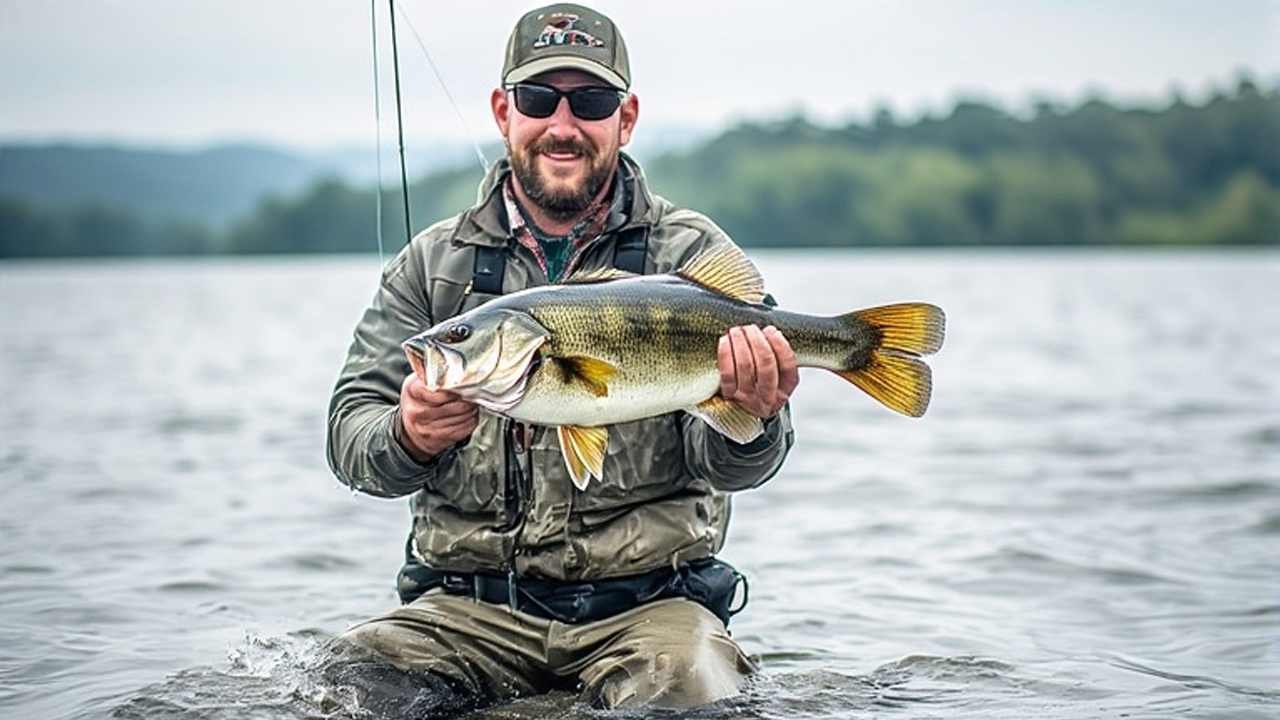
2026 South Carolina Fishing License Guide for Freshwater and Saltwater
If you’re fishing anywhere in South Carolina in 2026—lakes, rivers, inlets, or the coast—plan on getting the right recreational fishing privilege for your residency and water type before you cast. The fastest path is usually buying through the state’s official system, and the easiest way to avoid overpaying is to match your trip length (1 day / 7 day / 14 day / annual / 3-year) to where you’ll fish (freshwater vs. saltwater). This guide breaks it all down in plain English so you can get legal in minutes and get back to planning the fun part.
South Carolina’s published fee tables often run on a license year cycle that covers portions of 2026 (for example, a July-to-June schedule). The fee schedule shown below is pulled from the state’s published license/fee table that covers July 1, 2025 through June 30, 2026, which is the most directly “2026-relevant” official pricing window in the materials we reviewed.
What you’re really trying to figure out
| Your situation | You’re probably trying to answer | Best way to decide fast |
|---|---|---|
| Weekend trip to Charleston coast | “Do I need saltwater? Which duration?” | Pick saltwater + shortest duration that covers your trip |
| Lake fishing near Columbia | “Freshwater license… 14-day or annual?” | If 2+ trips, annual usually wins |
| Visiting from out of state | “Nonresident options and price differences?” | Compare 1-day / 7-day / annual for saltwater; 14-day / annual / 3-year for freshwater |
| Using jugs, set hooks, trotlines | “Do I need extra permits?” | Yes—plan for nongame device permits/tags |
| Crabbing with traps | “Is there an endorsement?” | Yes—look for recreational crab trap endorsement |
Step 1 — Identify your fishing water type (fresh vs. salt) without guessing
Use this quick rule-of-thumb checklist
- Freshwater usually includes:
- Inland lakes (reservoirs)
- Rivers and streams away from the tidal/coastal zones
- Most public freshwater access areas
- Saltwater usually includes:
- Coastal ocean waters
- Coastal tidal creeks, sounds, and estuaries
- Inshore flats and nearshore reefs
“When in doubt” decision tips
- If your launch ramp is coastal and tides matter, it’s often saltwater.
- If you’ll fish both, consider buying both privileges (or plan your trips so you’re covered each day).
Step 2 — Choose the correct license based on residency and trip length
A practical decision tree (skim-friendly)
- Are you 16 or older?
- If yes → continue
- If no → you generally don’t need a license to fish (still follow rules on size/limits/gear)
- Resident or nonresident?
- Where will you fish?
- Freshwater
- Saltwater
- How long do you need coverage?
- Single day, week, two weeks, year, or multi-year
- Any add-ons?
- Nongame devices
- Shrimp baiting
- Crab traps
- Pier/charter vessel licensing (mostly operators/businesses)
South Carolina fishing license fees for 2026 planning (organized for humans)
Below are the most-used recreational privileges from the official fee table (again: these are the fees shown in the published schedule covering July 2025–June 2026).
Freshwater fishing privileges
| Privilege | Duration | Resident fee | Nonresident fee | Best for |
|---|---|---|---|---|
| Freshwater fishing | 14 days | $5.00 | $11.00 | Short trips (freshwater) |
| Freshwater fishing | Annual | $10.00 | $35.00 | 2+ trips/year |
| Freshwater fishing | 3-year | $30.00 | $105.00 | Long-term coverage |
Saltwater fishing privileges
| Privilege | Duration | Resident fee | Nonresident fee | Best for |
|---|---|---|---|---|
| Saltwater fishing | 14 days | $10.00 | — | Residents planning a short coastal run |
| Saltwater fishing | Annual | $15.00 | $75.00 | Frequent coastal anglers |
| Saltwater fishing | 3-year | $45.00 | — | Residents who want “set it and forget it” |
| Saltwater fishing | 1 day | — | $10.00 | Visitors doing a single-day trip |
| Saltwater fishing | 7 days | — | $35.00 | Visitors on a beach week |
Best-value cheat sheet
| If you are… | And you plan to fish… | Buy this (usually) | Why |
|---|---|---|---|
| SC resident | Freshwater 1–2 weekends/year | Annual freshwater | Cost stays low and simple |
| SC resident | Freshwater every season | 3-year freshwater | Less renewal hassle |
| SC resident | Saltwater a few times | 14-day saltwater | Covers a planned window |
| Nonresident | Saltwater one day | 1-day saltwater | Cheapest legal option |
| Nonresident | Saltwater vacation week | 7-day saltwater | Matches a typical trip length |
| Nonresident | Freshwater short trip | 14-day freshwater | Built for quick travel fishing |
Add-ons & special permits
If you only fish with rod-and-reel in typical waters, you can often stop at the base license. However, the moment you use specific gear or target certain activities, you may need an extra permit/tag/endorsement.
Nongame freshwater devices
| Add-on | Resident fee | Nonresident fee | What it covers (plain English) |
|---|---|---|---|
| Jug permit | $5.00 | $50.00 | Jug fishing privileges (limits apply) |
| Set hook permit | $5.00 | $50.00 | Set hooks (limits apply) |
| Trotline tag | $2.50 | $50.00 | Trotline use (limits apply) |
| Eel pot tag | $5.00 | $50.00 | Eel pot use (reporting may apply) |
| Gill net tag (not shad/herring) | $5.00 | $50.00 | Gill net use in allowed areas |
| Trap tag | $5.00 | $50.00 | Trap use (limits apply) |
Saltwater extras
| Add-on | Resident fee | Nonresident fee | Notes |
|---|---|---|---|
| Shrimp baiting license & tags | $25.00 | $500.00 | Seasonal rules apply |
| Recreational crab trap endorsement | $5.00 | $5.00 | Lets a properly-licensed angler fish multiple crab traps (within limits) |
Heads-up: These add-ons are where people most often get unintentionally noncompliant. If you’re doing anything beyond standard hook-and-line, double-check what you need before you set gear.
Rules you should know
Carry-and-show requirements (simple version)
- Keep your license/privilege documentation available while fishing.
- Carry basic identification that matches the license holder.
Age baseline
- As shown on the state’s published licensing table, no fishing license is required until age 16 (but fishing rules still apply).
Compliance “do this, not that” list
- Do:
- Match your license to where you’ll fish (fresh vs. salt)
- Match your license to how long you’ll fish (day/week/annual)
- Add the right endorsement/permit if using special gear
- Don’t:
- Assume a freshwater privilege covers coastal waters (or vice versa)
- Assume your buddy’s license “covers you” unless you’re under an operator structure that explicitly does (always verify)
- Wait until you’re at the ramp with low cell service—buy ahead when you can
How to buy a South Carolina fishing license online (and other purchase methods)
The state outlines licensing access and purchase options through its official SCDNR pages, including online purchasing and mail-in applications. South Carolina DNR licensing purchase options
Fastest method: online purchase checklist
- Gather what you’ll need:
- Personal info used for identification in the licensing system
- Create/login to your account
- Select:
- Resident vs nonresident
- Freshwater and/or saltwater
- Duration
- Any add-ons (crab trap endorsement, nongame permits, etc.)
- Pay and save your confirmation
- Keep a printable/digital copy accessible during the trip
Other ways to buy (when online isn’t ideal)
- Mail-in application options may be available for certain license types
- In-person options can be useful if you need help choosing the correct privilege
My real-world tip
The first time I helped a friend buy theirs for a coastal weekend, we almost bought a freshwater annual out of habit—because that’s what he uses back home. It took 30 seconds to fix, but it would’ve been a miserable “ticket conversation” if we hadn’t caught it. Always choose water type first, then duration.
“What do I need to bring?” packing lists for license success
Before you buy (2-minute prep list)
- Decide:
- Freshwater, saltwater, or both
- Exact trip dates (so you choose the right duration)
- If you plan to use gear beyond rod-and-reel:
- List your devices (jugs, set hooks, crab traps, etc.)
Before you leave home (don’t skip this)
- Proof of privilege (digital or printed)
- A way to access it offline (screenshot or downloaded PDF)
- ID that matches the name on the license
At the water (quick compliance routine)
- Confirm the water type (especially if you’re near tidal areas)
- Keep your documentation accessible, not buried in the truck
Scenario guide: “Tell me exactly what to buy”
| Scenario | Residency | Where | Trip length | Likely best purchase |
|---|---|---|---|---|
| Lake Murray weekend | Resident | Freshwater | 2 days | Annual freshwater (simple) |
| Hilton Head vacation | Nonresident | Saltwater | 7 days | 7-day saltwater |
| Quick pier day on the coast | Nonresident | Saltwater | 1 day | 1-day saltwater |
| Two coastal trips this year | Resident | Saltwater | multiple | Annual saltwater |
| Catfish with jugs in freshwater | Either | Freshwater | varies | Freshwater license plus jug permit |
| Crabbing with multiple traps | Either | Saltwater | varies | Saltwater license plus crab trap endorsement |
Planning your fishing year (one internal link, used once)
If you’re lining up multiple trips across states and seasons, it helps to keep a simple season checklist in one place. Here’s a helpful starting point: Fishing seasons hub (trip planning)
Mistakes that get anglers in trouble (and how to avoid them)
The “top 10” mistake list
- Buying freshwater when fishing tidal/coastal water
- Buying saltwater for an inland lake day
- Picking a duration that ends mid-trip (especially for multi-day travel)
- Forgetting a nongame device permit when using jugs/set hooks/trotlines
- Assuming a crab trap endorsement is automatic
- Waiting until the ramp to buy (bad signal, rushed choices)
- Not keeping proof accessible while actively fishing
- Using old pricing screenshots from previous years
- Mixing up resident vs nonresident selection in checkout
- Not checking whether special seasonal activities (like shrimp baiting) require separate licensing
The fix
Treat it like travel insurance: buy early, verify water type, add endorsements, keep proof handy.
FAQs
1) What’s the easiest way to choose the right license for a 2026 trip?
Start with where (fresh or salt), then residency, then duration, then add-ons like crab traps or nongame gear.
2) Do I need different privileges for freshwater and saltwater?
Yes—South Carolina separates freshwater and saltwater privileges in the fee table, and the prices/durations differ.
3) I’m visiting for a week at the beach—what’s the simplest nonresident option?
Most visitors match their trip with a 7-day saltwater option (or 1-day if it’s a single outing), based on the state’s listed nonresident saltwater durations.
4) Are there extra costs if I’m using jugs, set hooks, or trotlines?
Yes. Those activities fall under nongame device privileges and typically require additional permits/tags beyond a basic freshwater fishing privilege.
5) Is a 3-year option worth it?
If you fish consistently and don’t want annual renewal hassle, multi-year options can be a strong “set it and forget it” move—especially for residents.
6) Where should I verify the most current fee table if I’m buying later in 2026?
Check the state’s currently published fee table before checkout, since schedules can roll over mid-year.