
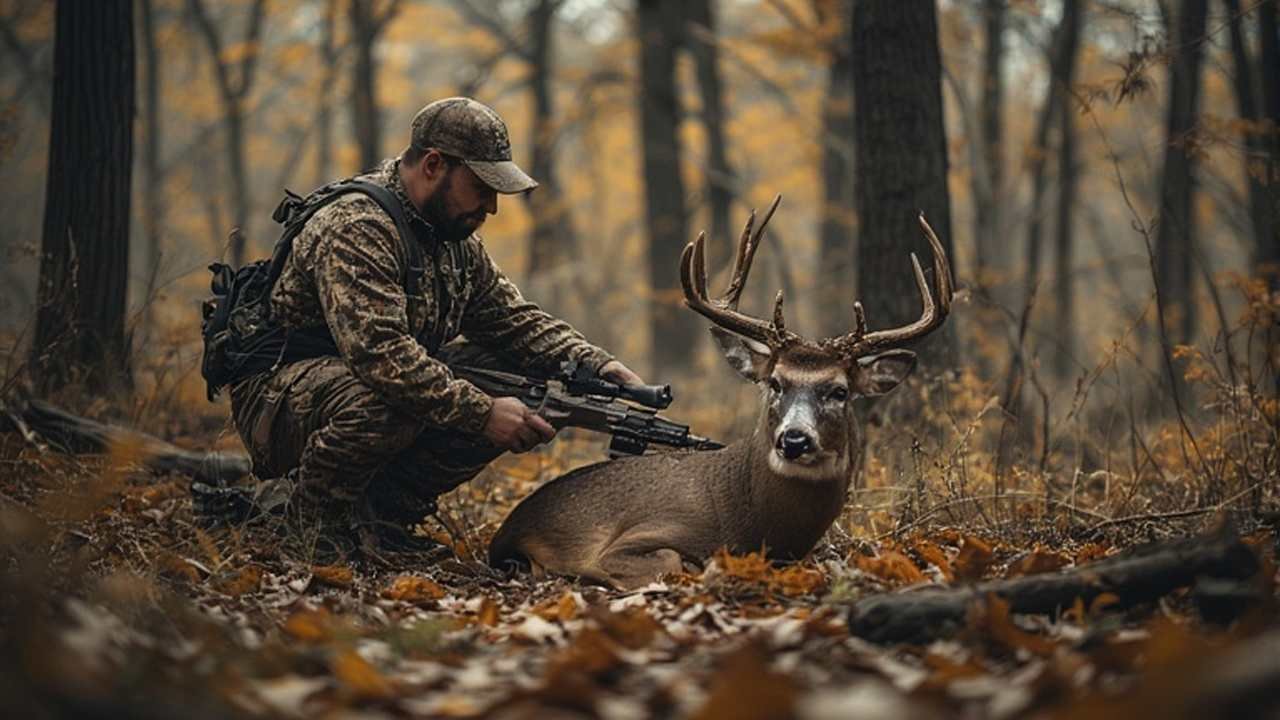
Texas Hunting Season Guide for 2026-2027 – Dates, Licenses & Wildlife Areas
Planning a trip for the 2026–2027 game calendar in Texas? This guide pulls together the big-picture dates, species breakdowns, permit rules, zone notes, and public-land basics in one place so you do not have to bounce around a dozen pages. Whether you live in-state or you are coming in for whitetails, spring gobblers, teal, or a mixed small-game weekend, it pays to check the details before you set dates, book lodging, or buy tags. The statewide calendar below reflects the approved 2026–2027 framework, but county rules, bag limits, and public access details can still vary, so always confirm your exact county before heading out.
📅 Quick Reference Points
Here is the fast version if you just want the highlights before digging into the tables:
- White-tailed deer
- Archery: Oct. 3–Nov. 6, 2026
- General: Nov. 7, 2026–Jan. 3, 2027 in the North Zone, Nov. 7, 2026–Jan. 17, 2027 in the South Zone
- Special Late: Jan. 4–17, 2027 North, Jan. 18–31, 2027 South
- Youth windows: Oct. 30–Nov. 1, 2026 and Jan. 4–17, 2027
- Mule deer
- Archery: Oct. 3–Nov. 20, 2026 in the Panhandle, Oct. 3–Nov. 26, 2026 in the Trans-Pecos
- General: Nov. 21–Dec. 6, 2026 Panhandle, Nov. 27–Dec. 13, 2026 Trans-Pecos
- Wild turkey
- Fall: starts Nov. 7, 2026
- Spring South: Mar. 20–May 2, 2027
- Spring North: Apr. 3–May 16, 2027
- East Zone: Apr. 22–May 14, 2027
- Youth spring weekends: Mar. 13–14 and May 8–9, 2027 South; Mar. 27–28 and May 22–23, 2027 North
- Dove
- North: Sep. 1–Nov. 8, 2026 and Dec. 18, 2026–Jan. 7, 2027
- Central: Sep. 1–Oct. 25, 2026 and Dec. 11, 2026–Jan. 14, 2027
- South: Sep. 1–Oct. 25, 2026 and Dec. 18, 2026–Jan. 21, 2027
- Duck
- South Zone: Nov. 7–29, 2026 and Dec. 12, 2026–Jan. 31, 2027
- North Zone: Nov. 14–29, 2026 and Dec. 5, 2026–Jan. 31, 2027
- High Plains Mallard Management Unit: Oct. 24–25, 2026 and Oct. 30, 2026–Jan. 31, 2027
- Youth/Veterans days are separate and worth circling early
- Goose
- East and West zones split differently, with some segments running into February 2027
- Youth opportunities
- Available for deer, turkey, squirrel, duck, goose, dove, and more depending on zone and county
- Youth license holders under 17 get a nice break on endorsement rules
🦌 Big Game Overview
Texas gives deer hunters the most structure, but there are still a few curveballs. County antler restrictions, mandatory harvest reporting in certain counties, pronghorn permit requirements, and special late seasons can all matter. If you hunt multiple regions in one year, do not assume the rules are identical.
| Species | Archery Window | General / Modern Gun | Muzzleloader | Permit / Tag Notes | Zone / Area Notes |
|---|---|---|---|---|---|
| White-tailed deer | Oct. 3–Nov. 6, 2026 in 252 counties | North: Nov. 7, 2026–Jan. 3, 2027; South: Nov. 7, 2026–Jan. 17, 2027 | Jan. 4–17, 2027 in 90 counties | Annual statewide limit is generally 5 deer, max 3 bucks; county exceptions apply; mandatory reporting in select counties | North and South zones; special late seasons by zone |
| Mule deer | Panhandle: Oct. 3–Nov. 20, 2026; Trans-Pecos: Oct. 3–Nov. 26, 2026 | Panhandle: Nov. 21–Dec. 6, 2026; Trans-Pecos: Nov. 27–Dec. 13, 2026 | No separate muzzleloader season listed | Standard license required; county and region rules matter | Panhandle and Trans-Pecos only |
| Pronghorn | No standalone archery season listed on statewide dates page | Oct. 3–18, 2026 | No separate muzzleloader season listed | Permit-based in 41 counties; nonresidents need the general nonresident license | Limited-range opportunity, plan early |
| Javelina | No separate archery listing on statewide dates page | North: Oct. 1, 2026–Feb. 28, 2027; South: Sep. 1, 2026–Aug. 31, 2027 | No separate muzzleloader season listed | Regular license rules apply | South Texas is the easy one to remember because it stays open year-round |
| Desert bighorn sheep | Permit only | Permit only | Permit only | Landowner/public permit structure, very limited access | Not a casual over-the-counter hunt |
| Black bear | No open season | No open season | No open season | Protected species | Cannot be hunted or killed |
| Elk | No general statewide season published by TPWD | No general statewide season published by TPWD | No general statewide season published by TPWD | Not listed as a standard statewide open big-game entry for 2026–2027 | Private/exotic situations are different from a public statewide calendar |
Big-game notes that actually matter
- Archery-only deer hunts require the archery endorsement.
- Muzzleloader deer windows are restricted to true muzzleloading firearms only.
- Rimfire ammo is not legal for white-tailed deer, mule deer, pronghorn, or bighorn sheep.
- In some counties, antler restrictions can change what counts as a legal buck.
- Several counties require harvest reporting within 24 hours for certain deer.
🦃 Turkey Dates
Turkey rules are more county-specific than many new hunters expect. That is especially true in spring, where zone lines, one-gobbler counties, and East Zone weapon limits can change your setup. If turkey is your main target this year, this extra species-specific breakdown may help: Texas turkey season guide
| Season Type | Area / Dates | Bag Limit Snapshot | Legal Methods | Restrictions / Notes |
|---|---|---|---|---|
| Fall | North: Nov. 7, 2026–Jan. 3, 2027 | County-based | General lawful methods | Check county listing before assuming either-sex rules |
| Fall | South: Nov. 7, 2026–Jan. 17, 2027 | County-based | General lawful methods | Longer South Zone run |
| Fall | Brooks, Kenedy, Kleberg, Willacy: Nov. 7, 2026–Feb. 28, 2027 | County-based | General lawful methods | Extended South Texas opportunity |
| Archery-only | Oct. 3–Nov. 6, 2026 | Same county bag rules | Lawful archery equipment | Great early option before general opener |
| Spring | South: Mar. 20–May 2, 2027 | Usually stronger Rio Grande option | Shotgun or lawful archery, depending on county | South starts first |
| Spring | North: Apr. 3–May 16, 2027 | County-based | Shotgun or lawful archery | Popular for later gobbling activity |
| Spring | One-turkey counties: Apr. 1–30, 2027 | 1 bird | County rules apply | Do not assume the statewide annual max here |
| Spring | East: Apr. 22–May 14, 2027 | More restrictive | Shotgun and lawful archery only | No hunting over bait in the East Zone |
| Youth spring | South: Mar. 13–14 and May 8–9, 2027 | Follows youth/county rules | Legal youth methods | Good lower-pressure windows |
| Youth spring | North: Mar. 27–28 and May 22–23, 2027 | Follows youth/county rules | Legal youth methods | Useful bookend weekends |
| Youth fall | Oct. 30–Nov. 1, 2026 plus January late youth windows | Follows county fall rules | Firearms lawful in youth fall | Youth-only opportunity in counties with fall Rio Grande rules |
Turkey rules worth remembering
- All harvested birds must be tagged immediately.
- TPWD closed Matagorda and Wharton counties to turkey take for 2026–2027.
- In counties where either sex had been allowed, the updated rule narrows bag composition to gobblers and bearded hens.
- Western one-gobbler counties cap annual take at one gobbler in that county.
- The statewide annual total commonly referenced is 4 birds, but county structure still controls what you can legally take.
🦝 Furbearer Opportunities
This is where a lot of confusion happens because Texas separates true fur-bearers from nongame species like coyotes and bobcats.
| Species / Group | Recreational Take | Commercial Harvest Window | License Needed | Important Rule |
|---|---|---|---|---|
| Raccoon | Sep. 1–Aug. 31 | Nov. 1–Mar. 31 | Hunting license for recreation; trapper license if selling | No bag limit |
| Fox | Sep. 1–Aug. 31 | Nov. 1–Mar. 31 | Same as above | No bag limit |
| Beaver | Sep. 1–Aug. 31 | Oct. 1–May 31 | Same as above | No bag limit |
| Otter | Sep. 1–Aug. 31 | Nov. 1–Mar. 31 | Same as above | CITES tag required on otters taken in-state |
| Nutria | Sep. 1–Aug. 31 | Sep. 1–Aug. 31 | Same as above | Commercial harvest is effectively year-round |
| Opossum / Skunk / Mink / Muskrat / Ring-tailed cat / Badger | Sep. 1–Aug. 31 | Nov. 1–Mar. 31 | Hunting license for recreation; trapper license for sale | No bag limit |
| Bobcat | Not classed as a fur-bearer | Separate from fur-bearer structure | Hunting license usually applies | Pelt tagging rules matter for trade/transport |
| Coyote | Nongame; effectively year-round on private land | Not under fur-bearer seasons | Hunting license usually required, except depredation cases | Live transport/sale restrictions apply |
Short version
If you are just taking fur for personal use, a regular hunting license usually covers it. If you plan to sell pelts or carcasses, that is when the trapper license becomes important.
🐦 Small Game Section
| Species | 2026–2027 Dates | Daily Bag Limit | Possession Limit | Notes |
|---|---|---|---|---|
| Dove | North: Sep. 1–Nov. 8, 2026; Dec. 18, 2026–Jan. 7, 2027. Central: Sep. 1–Oct. 25, 2026; Dec. 11, 2026–Jan. 14, 2027. South: Sep. 1–Oct. 25, 2026; Dec. 18, 2026–Jan. 21, 2027 | 15 | 45 | No more than 2 white-tipped doves in the daily bag |
| Quail | Nov. 1, 2026–Feb. 28, 2027 | 15 | 45 | Upland endorsement required; no open season for Mearns’ quail |
| Pheasant | Dec. 5, 2026–Jan. 3, 2027 | 3 cocks | 9 cocks | Limited to Panhandle/South Plains counties |
| Squirrel | East Texas: Oct. 1, 2026–Feb. 28, 2027 and May 1–31, 2027; other open counties: Sep. 1, 2026–Aug. 31, 2027 | 10 in East Texas; no bag limit in year-round counties | Varies | Youth-only East Texas: Sep. 25–27, 2026 |
| Rabbits and hares | No closed season | No limit | No limit | Private property, lawful means and methods |
| Chachalaca | Nov. 1, 2026–Feb. 28, 2027 | County rules apply | County rules apply | Only in Cameron, Hidalgo, Starr, and Willacy counties |
A small but useful reminder: dove falls under migratory bird rules, so even though many people treat it like casual opening-weekend small game, it still brings endorsement and HIP requirements.
🦆 Complete Waterfowl Seasons
Texas waterfowl setups can get messy fast because duck, goose, teal, crane, snipe, and rails all run on different frameworks. This table gives you the practical overview.
| Species | 2026–2027 Dates | Daily Bag Limit | Permit / Stamp Notes | Zone Notes |
|---|---|---|---|---|
| Duck | HPMMU: Oct. 24–25, 2026 and Oct. 30, 2026–Jan. 31, 2027; North: Nov. 14–29, 2026 and Dec. 5, 2026–Jan. 31, 2027; South: Nov. 7–29, 2026 and Dec. 12, 2026–Jan. 31, 2027 | 6 aggregate | Hunting license, migratory endorsement, HIP, federal duck stamp if age 16+ | Species limits apply inside the 6-bird total |
| Youth / Veterans duck | HPMMU: Oct. 17–18, 2026; North: Nov. 7–8, 2026; South: Oct. 31–Nov. 1, 2026 | Regular duck bag rules | Same stamp rules by age/status | Great low-pressure dates |
| Goose | East early Canada: Sep. 12–27, 2026; Dark geese West: Nov. 7, 2026–Feb. 7, 2027; East: Nov. 7, 2026–Jan. 31, 2027; Light geese West: Nov. 7, 2026–Feb. 7, 2027; East: Nov. 7, 2026–Feb. 19, 2027 | 5 dark or 5 light, zone-specific details | Same waterfowl stamp stack as duck | East and West zone boundaries matter a lot |
| Teal | Sep. 19–27, 2026 | 6 | Migratory endorsement, HIP, federal duck stamp if age 16+ | Statewide September-only run |
| Rails / gallinules / moorhens | Sep. 19–27, 2026 and Nov. 7, 2026–Jan. 6, 2027 | Species-specific | Migratory endorsement and HIP | Often overlooked, but good mixed-bag option |
| Wilson’s snipe | Nov. 7, 2026–Feb. 21, 2027 | 8 | Migratory endorsement and HIP | Statewide |
| Woodcock | Dec. 18, 2026–Jan. 31, 2027 | 3 | Migratory endorsement and HIP | Statewide |
| Sandhill crane | Zone A: Oct. 31, 2026–Jan. 31, 2027; Zone B: Nov. 27, 2026–Jan. 31, 2027; Zone C: Dec. 12, 2026–Jan. 17, 2027 | 3 in A/B, 2 in C | Migratory endorsement, HIP, Federal Sandhill Crane Permit | Closed areas inside Zone C matter |
| Coot | Runs with waterfowl structure | 15 | Same waterfowl documents | Often taken incidentally by waterfowlers |
A few waterfowl method reminders
- Duck limits include species caps inside the aggregate six-bird total.
- Dusky ducks are closed during the first five days of the regular duck opener in each zone.
- Youth waterfowl weekends require the youth to be accompanied by an adult.
- For migratory birds, do not forget HIP certification when you buy your license.
🐗 Other Available Game
| Species | Availability | Rule That Trips People Up |
|---|---|---|
| Alligator | Sep. 10–30, 2026 in 22 counties and special properties; Apr. 1–June 30, 2027 in other counties | Area-specific and much more regulated than a casual hunt |
| Feral hog | Allowed on private land year-round with landowner authorization | No hunting license required on private land with permission |
| Frog | Treated as nongame | No closed season, no bag limit on private property, but a hunting license is generally required |
| Eurasian collared-dove / rock dove | No closed season or bag limit | Leave plumage on for identification if there is any question |
| Coyote | Open as nongame on private land | Live transport and sale restrictions apply |
| Black bear | Not available | Protected species, no legal harvest |
🗺️ Hunting Zones
Texas does not use western-style big-game units the way some states do, so your real planning tools are county listings, species zone maps, and public-land maps.
| Zone / Resource | What to Know |
|---|---|
| Deer zones | White-tailed deer split mainly into North and South zones, with special late and muzzleloader structure layered on top |
| Turkey zones | Spring breaks into South, North, East, and one-turkey counties |
| Dove zones | North, Central, South with split segments |
| Duck zones | South, North, High Plains Mallard Management Unit |
| Goose zones | East and West |
| Sandhill crane zones | A, B, C, plus closed coastal areas inside Zone C |
| Official planning map / lookup | Use TPWD county-by-county listings and zone pages before every trip, especially if you hunt more than one county |
| Public access map | The best starting point for walk-in areas, WMAs, leased tracts, and the map booklet is the Annual Public Hunting Permit program |
Public ground can be excellent in the right part of the state, but rules are not one-size-fits-all. Some areas need an Annual Public Hunting Permit, some use daily permits, and some hunts are drawn only. Always separate public-land access rules from private-land permission rules before you load the truck.
🎟️ Permits, Tags & Licenses
The permit stack is where visiting hunters usually make mistakes. Start with the main license, then add the right endorsements for the species you are actually chasing. If you want a simpler breakdown, this Texas hunting license guide can help you sort the paperwork.
| License / Permit | Who It’s For | Cost |
|---|---|---|
| Resident hunting license | Texas residents | $25 |
| Senior resident hunting license | Residents 65+ | $7 |
| Youth hunting license | Resident or nonresident under 17 | $7 |
| Nonresident general hunting license | Any full-license nonresident hunt, including deer | $315 |
| Nonresident special 5-day small game/exotic license | Short small-game/exotic trips; not valid for deer or turkey | $48 |
| Resident trapper license | Commercial fur take / sale | $19 |
| Nonresident trapper license | Commercial fur take / sale | $315 |
| Annual Public Hunting Permit | Access to public hunting program areas | $48 |
| Limited Public Use Permit | Non-hunting access to same program areas | $12 |
| Super Combo | Resident hunt/fish bundle with several endorsements | $68 |
| Senior Super Combo | Resident 65+ bundle | $32 |
Add-ons most hunters actually need
- Archery endorsement – $7
Needed for archery-only game-animal windows and deer in certain metro counties. - Migratory game bird endorsement – $7
Needed for dove, duck, goose, teal, crane, snipe, woodcock, rail, gallinule, and coot. - Upland game bird endorsement – $7
Needed for turkey, quail, pheasant, and chachalaca. - Federal duck stamp – $25 plus fulfillment
Required for waterfowl hunters age 16 and older. - HIP certification – required, no separate fee noted
Needed for migratory bird hunters. - Federal Sandhill Crane Permit – required for crane
Separate from your regular state paperwork.
Military, disability, and special cases
- Texas offers active-duty military packages and disabled veteran combo packages.
- Lifetime options are available for qualifying residents.
- Youth hunters are exempt from the main state hunting endorsements until they age out, though HIP still applies where relevant.
- Licenses go on sale Aug. 15 and are generally valid through Aug. 31 of the license year.
❓ Texas Hunting Quick FAQ
1) Do I need hunter education to buy a license?
Yes, Texas requires hunter education certification for anyone born on or after September 2, 1971. Certification must be from TPWD or a state with reciprocal agreement.
2) Can a nonresident use the 5-day license for deer?
No. The 5-day nonresident license is for small game and exotics. If you want to hunt whitetails, mule deer, pronghorn, or wild turkey, you need the nonresident general license.
3) Do I need a federal duck stamp for dove?
No. Dove hunters need the migratory endorsement and HIP, but the federal duck stamp is for waterfowl hunters age 16 and older.
4) Is there a statewide elk or black bear hunt?
No general statewide elk calendar is published in the regular TPWD 2026–2027 schedule, and black bear is protected.
5) Can I hunt feral hogs without a hunting license?
On private land with landowner authorization, yes. That exemption does not automatically carry over to public land.
6) Are youth hunters exempt from endorsements?
Under 17, youth license holders are exempt from the main state hunting endorsements, but they still need HIP certification where migratory birds are involved.
7) Is an Annual Public Hunting Permit enough by itself?
Not always. You still need the underlying hunting license and any required stamps or endorsements for the species you are pursuing.
8) What’s new for digital licenses this year?
For the first time, TPWD offers completely digital options for all recreational permits. You can choose digital-only or traditional physical licenses during purchase.
9) What counties are archery-only for deer?
Collin, Dallas, Grayson, and Rockwall counties restrict deer hunting to archery equipment only. These urban areas maintain special regulations for safety reasons.
10) How do bag limits work for antlered deer?
Most of Texas follows the “13-inch rule” – harvest one buck with at least one unbranched antler OR one buck with 13+ inch inside spread, plus potentially one additional buck meeting minimum criteria. Specific county restrictions may apply.
Conclusion
The 2026–2027 Texas calendar is pretty straightforward once you break it down by species and zone. Deer remains the anchor draw, spring turkey takes more county homework than most people expect, and the waterfowl side is best handled by matching your target bird to the correct zone before you ever pick dates. On top of that, licenses are simple if you build them in the right order: basic license first, then endorsements, then specialty permits if your trip calls for them.
Before you go, double-check your county, buy your paperwork early, and make sure your method of take matches the exact window you are entering. A little prep now saves a lot of headaches in the field. Bookmark this page if you like keeping one clean reference handy for the next annual update.