
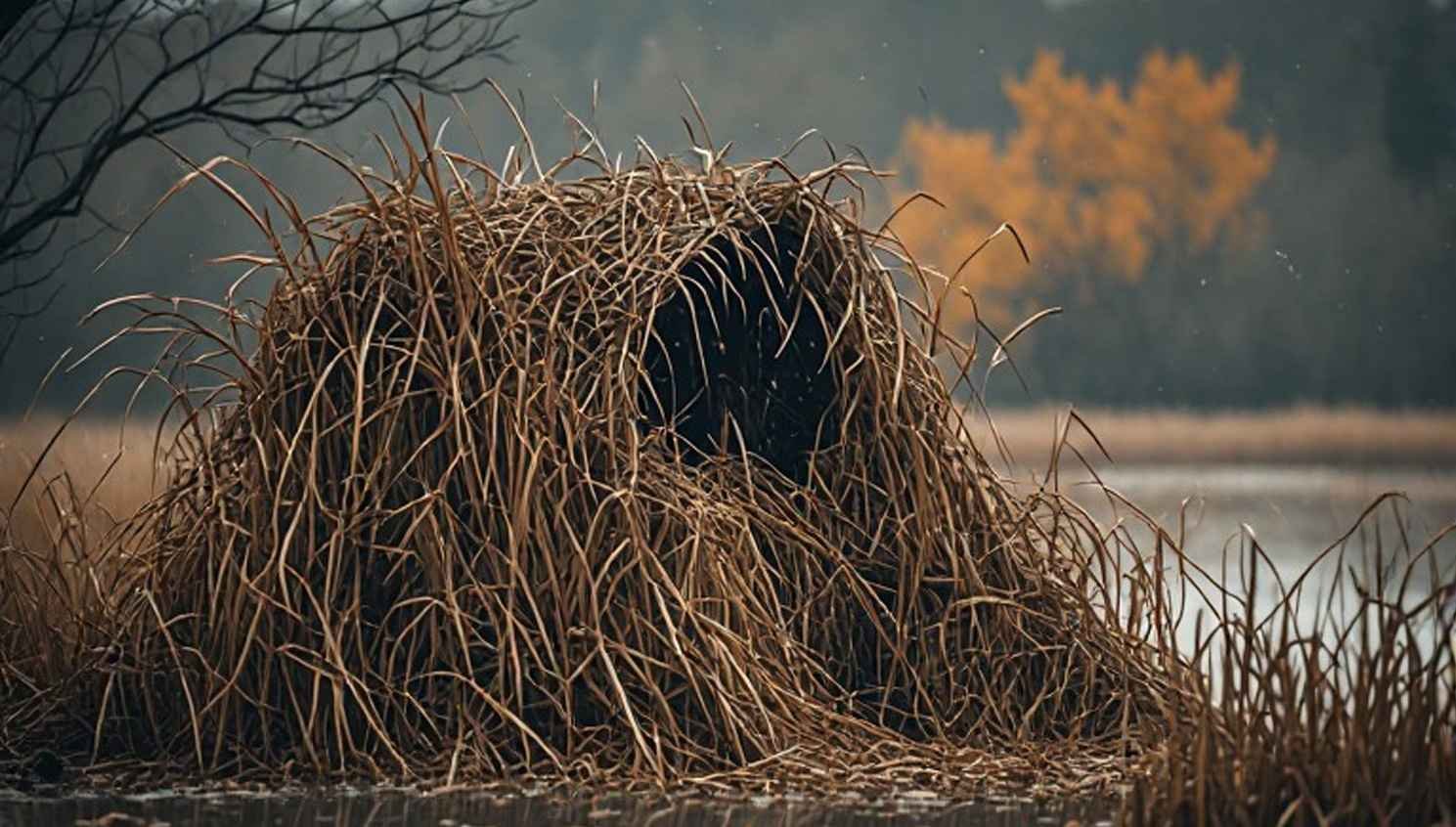
Duck Hunting Blind Setup for October & November: Complete Guide for Waterfowl Hunters
The best duck hunting blind setup for October and November is the one that matches where birds already want to be, uses local cover that fits the exact stage of the season, keeps the wind and sun working for you, and puts your landing pocket close enough for clean shots. In October, that usually means lighter cover, greener vegetation, smaller spreads, and more mobility. By November, success usually comes from tighter concealment, better shadow control, smarter decoy placement, and a willingness to adjust when hunting pressure shifts ducks off obvious spots.
If you’ve ever watched birds swing once, lock up, and then flare at 30 yards, you already know the problem is often not your calling. It’s your hide. A duck blind can look fine from the ground and still scream danger from above. So this guide is built to fix that. Instead of vague advice, you’ll get a practical U.S.-focused setup system that covers blind type, concealment, wind, sun angle, decoy pockets, public-land mobility, gear, mistakes, FAQs, and the exact changes that matter from early fall into late fall.
Why most duck blind setups fail before legal shooting light
Most bad setups break down for the same reasons:
- The blind is in the wrong place. Birds want a landing zone, loafing edge, feed transition, or sheltered pocket, not the spot that feels convenient to hunters.
- The cover doesn’t match the month. Green reed cover in October may look perfect. The same blind in November can look too bright, too full, or too clean.
- The blind outline is obvious. Hard corners, square rooflines, and dark interior shadows stand out from the air.
- The wind is ignored. Ducks prefer to finish into the wind, so a blind that fights their approach often produces wide swings and bad angles.
- The landing hole is too far out. Birds finish outside range because the decoy pocket is positioned for looks, not shots.
- Hunters overbuild fixed hides on pressured water. Mobile options often outperform permanent setups on public ground because pressured ducks rarely reward stale presentations.
October vs. November duck blind setup: what actually changes
| Setup factor | October approach | November approach | Why it matters |
|---|---|---|---|
| Vegetation color | Greener, lighter, less dead material | More brown, gray, weathered cover | Blind cover must match what birds see naturally |
| Blind mobility | Higher priority | Still important, but weather may limit movement | Early birds shift fast; late birds react harder to pressure |
| Decoy volume | Smaller to medium spreads | Medium to larger spreads, depending on migration and water size | Late-season birds often see more rigs and need a realistic traffic signal |
| Hide density | Moderate brushing | Heavier brushing with better shadow control | Bare late-fall cover exposes shiny gear and dark faces |
| Shot distance strategy | Closer pockets for fast-moving early groups | Tighter pockets with cleaner finish lanes | November birds often inspect harder |
| Comfort gear | Minimal heating needs | Insulation, dry storage, heaters, mats matter more | Comfort affects patience and safety |
| Dog concealment | Helpful | Critical | Movement becomes easier for late birds to spot |
| Access pressure | Scouting-driven movement | Stealth entry and low-disturbance access | One bad entry can burn a spot for days |
Best blind style for each waterfowl scenario
| Hunting situation | Best blind type | Best use case | Main advantage | Main drawback |
|---|---|---|---|---|
| Small potholes, marsh edges, brushy sloughs | A-frame blind | Two to four hunters in natural cover | Quick setup, easy brushing, comfortable | Can silhouette badly if placed against open sky |
| Open mudflats, sandbars, dry banks | Layout blind | Mobile public-land hunts | Low profile, easy to move | Less comfort, harder for long sits |
| River backwaters and timber edges | Boat blind | Water access, deep edges, moving spots | Uses boat as hide and transport | Large footprint if no backdrop |
| Permanent private-water hole | Fixed blind or pit-style setup | Managed ponds and repeat hunts | Stable, comfortable, organized | Can get stale if birds pattern it |
| Shallow flooded field edge | Panel blind or brushed A-frame | Field-water transitions | Fast concealment, flexible lanes | Needs good stubble or edge cover |
| Solo run-and-gun mornings | Low-profile panel or layout | Fast repositioning | Light, simple, efficient | Limited space for gear |
The 7-point blind placement framework that outperforms guesswork
1. Start where ducks already want to land
- Watch loafing areas
- Note sheltered corners
- Mark feed-to-rest travel lines
- Identify inside bends, coves, cuts, or shallow shelves
- Avoid setting up where you wish they would land
2. Check the view from above
- Use aerial maps before you haul gear
- Look for shadows, points, inlets, and back cover
- Ask one simple question: Would this blind disappear from 200 yards up?
3. Build around the wind, not against it
- Put the expected landing pocket where birds can finish naturally
- Aim for a setup that gives you crossing or quartering finishing shots
- Avoid forcing ducks to look directly at the blind during their last pass
4. Use the sun like a weapon
- Morning hunts: keep sunlight behind or off one shoulder if possible
- Avoid staring into glare
- Use light to hide subtle movement inside the blind
5. Never skyline the blind
- Back it into cattails, brush, willow clumps, cut banks, timber edges, or terrain breaks
- A blind without a backdrop usually looks exposed, even if it’s brushed well
6. Trim only what you must
- Cut minimal shooting lanes
- Keep the blind looking natural
- Big square “windows” in cover often look worse than imperfect lanes
7. Sit in the blind before you hunt it
- Check visibility
- Check muzzle clearance
- Check dog position
- Check whether everyone can safely swing within agreed zones
That basic framework lines up with what top-ranking pages get right on placement, concealment, and functional shootability.
Wind, sun, and hide angle cheat sheet
| Condition | Blind adjustment | Decoy pocket adjustment | Best shot look |
|---|---|---|---|
| Wind at your back | Keep pocket just off-center in front | U, J, or hook pocket near the blind | Birds finish facing you |
| Left-to-right crosswind | Shift pocket to right-front quarter | Open water on downwind edge | Clean crossing shots |
| Right-to-left crosswind | Shift pocket to left-front quarter | Keep decoys denser upwind | Predictable finish lane |
| Dead calm | Reduce overcalling, tighten hide | Natural loose groups, less exaggerated pocket | Take only committed birds |
| Bright sunrise in face | Move or rotate if possible | Avoid exposing interior shadows | Controlled visibility |
| Overcast late-fall day | Add cover to break dark voids | Keep landing hole obvious but not oversized | Better close finishes |
Concealment rules that matter more than expensive gear
If you remember nothing else, remember this list:
- Match the exact vegetation around you, not the catalog photo on the blind.
- Break up all straight edges on rooflines and shooting openings.
- Brush the top first, because aerial detection ruins more hunts than side-view imperfections.
- Hide shine on gun barrels, thermoses, phones, headlamps, and face skin.
- Keep interior darkness under control by using enough cover to soften black voids.
- Brush your dog hide too, especially in November.
- Refresh natural cover often, because brushed material dries, fades, and thins out.
- Use local material only when legal and practical.
- Avoid overstuffing the front edge so badly that nobody can shoot cleanly.
- Test the blind from distance, not from inside it.
One of the smartest reminders from the pages reviewed is that a blind should look like part of the landscape, not a project dropped into it. That sounds obvious, but a lot of failed setups still have boxy outlines and cover that doesn’t match the surrounding habitat.
Best natural brushing materials by habitat
| Habitat | Strong cover choices | Avoid | October note | November note |
|---|---|---|---|---|
| Cattail marsh | Cattail leaves, reeds, sedge | Bright green cuttings after frost | Keep it lighter and less dead early | Replace faded material often |
| Riverbank willows | Willow limbs, dead grass, drift-edge cover | Thick leafy branches after leaf drop | Blend with remaining green-brown mix | Lean more into weathered stems |
| Flooded field edge | Corn stubble, bean stubble, weed stems | Random marsh grass that looks imported | Match harvest residue tightly | Dead stubble usually blends better |
| Mudflat or sandbar | Mud, sparse grass, drift debris | Thick brushed walls with no match | Keep profile very low | Lower is better than “bushier” |
| Timber hole edge | Bare limbs, shadow, leaf litter | Open roofline with light behind it | Use broken light and shadows | Watch dark voids after leaves thin |
Decoy spread setups that pair with the blind, not against it
| Month / condition | Spread style | Blind relationship | What it tells birds |
|---|---|---|---|
| Early October teal or mixed early flights | Small pods with loose edges | Pocket close, simple entry lane | Relaxed, low-pressure feeding birds |
| Mid-October mixed ducks on small water | J or soft-hook spread | Blind tucked on inner edge | Safe landing lane without crowding |
| Late October first good push | Medium family groups with a defined hole | Pocket within easy range | Active traffic with safe finish water |
| Early November on managed water | Slightly denser spread with visibility from distance | Blind heavily blended | Confidence plus landing structure |
| Late November pressured birds | Less clutter, cleaner finish lane | Blind shadow minimized | Safe, realistic, low-drama landing spot |
| Windy late-fall day | Tight windward groups, open lee-side pocket | Blind set for quartering finish | Birds can lock into one obvious entry |
Simple decoy rules that help the blind work harder
- Move the landing pocket closer if birds finish outside range
- Avoid a giant dead center hole on small water
- Use motion with restraint once birds start circling hard
- Let the spread guide birds past your guns, not into your faces
- Rebuild the spread after the first few groups if finishes start drifting
A practical morning setup sequence
- Approach quietly and early
- Limit headlamp use
- Keep metal clanking to a minimum
- Park or beach boats where they don’t flash or silhouette
- Check wind on the spot
- Don’t trust the forecast blindly
- A small shift can move your pocket 10 to 15 yards
- Set the blind first
- If the hide looks wrong, the spread won’t save you
- Brush obvious openings
- Roofline
- Corners
- Dog opening
- Inside shadow gaps
- Place the decoys for the shot, not the photo
- Build the finish lane you actually want
- Sit down and test the view
- Can everyone see the hole?
- Can everyone mount safely?
- Set kill zones and no-swing zones
- Especially important with three or more hunters
- Hide the extras
- Bags
- Gas tank
- Battery
- Thermos
- Spent hull bucket
- Watch the first birds before overreacting
- One look doesn’t mean failure
- Three flares in the same place usually do
The blind gear checklist that actually earns its space
| Gear item | October priority | November priority | Why it matters |
|---|---|---|---|
| Pruning shears | High | High | Fast brushing and lane cleanup |
| Zip ties / cord | High | High | Field repairs and cover attachment |
| Gloves | Medium | High | Cold hands ruin fine motor work |
| Headlamp | High | High | Pre-dawn setup and safe unloading |
| Waterproof seat or pad | Medium | High | Longer sits, less movement |
| Anti-fatigue mat | Medium | High | Better footing in slick blinds |
| Dry box | Medium | High | Keeps shells, phones, calls protected |
| Small shovel | Low | Medium | Lower layout profile on flats |
| Propane heater | Low | High | Late-fall comfort and endurance |
| Extra face covering | Medium | High | Concealment improves as birds get wary |
A lot of “comfort gear” gets dismissed until the weather gets mean. Then suddenly dry storage, mats, lights, and a small heater stop looking soft and start looking smart. That’s one reason late-season blinds often need a more complete setup than early-season hides. Project Upland
Public-land duck blind setup vs. private-water setup
| Factor | Public land | Private water |
|---|---|---|
| Mobility | Usually essential | Sometimes optional |
| Pressure response | Must adjust often | Can manage spots more consistently |
| Blind permanence | Often limited or unwise | More viable if legal |
| Best strategy | Stay light, move with birds | Fine-tune proven holes |
| Concealment style | Natural, fast, low-profile | Can be more built-out and comfortable |
| Entry route | Stealth matters heavily | Still important, but often more controlled |
| Decoy spread changes | Frequent adjustments | More repeatable patterns possible |
Before the season, it’s smart to check state hunting season guides so your setup plan matches access rules, shooting times, and local waterfowl seasons.
High-impact mistakes that flare birds fast
| Mistake | What birds see | Better fix |
|---|---|---|
| Blind set on open skyline | Hard outline against sky | Back it into cover or terrain |
| Cover that doesn’t match the habitat | “Imported” look | Use local color and texture |
| Huge black interior opening | Dark void | Add roof and side breakup |
| Landing hole too far out | Safe zone outside range | Pull the pocket in tighter |
| Too much movement inside | Flash and motion | Assign roles and stay still |
| Dog exposed on edge | Constant motion trigger | Brush dog hide or place lower |
| Boat left shiny beside blind | Reflection and shape | Hide or relocate it |
| Same stale setup every hunt | Patterned pressure | Move with birds and wind |
Safety and legality checklist for every blind
- Establish safe shooting lanes before legal light
- Keep muzzles controlled in tight seating arrangements
- Use non-slip footing in muddy or frosty blinds
- Secure guns when not in hand
- Know property lines and access boundaries
- Confirm state and federal rules before the hunt
- Don’t cut vegetation or place structures illegally
- Plan dog exits and retrieves so no one swings through them
If you want one trustworthy outside reference on blind fundamentals and field-ready adjustments, Ducks Unlimited’s blind-building guidance is still worth a read.
The simplest way to think about October and November setups
Here’s the clean version:
- October: stay lighter, stay mobile, match greener cover, keep spreads natural, and hunt where fresh birds already want to be.
- November: hide harder, control shadows, tighten your landing hole, reduce giveaway movement, and expect more circles before birds commit.
That’s really the difference. October rewards smart positioning. November rewards discipline.
FAQs
What is the best duck blind setup for October?
For most October hunts, the best setup is a low-profile blind with fresh local cover, a modest spread, and enough mobility to move with changing bird use. Early-season ducks often respond better to clean locations and natural-looking setups than to oversized, overbuilt hides.
Should a duck blind face the wind?
Not exactly. You usually want the landing pocket arranged so birds finish into the wind while still giving shooters safe, efficient angles. In many setups, that means the wind is at your back or quartering across the blind, not blasting directly into your face.
How much should I brush a duck blind in November?
Usually more than you think, but not so much that you create a fake-looking wall. In November, dead cover, open skylines, and dark interior shadows become more obvious, so heavier and better-matched concealment often pays off.
Are permanent duck blinds better than mobile blinds?
Only on the right water. On managed private spots, permanent blinds can be excellent. On pressured public water, mobile blinds often win because birds shift with pressure, water, and weather.
How close should the decoy landing pocket be to the blind?
Close enough for clean finishing shots, but not so tight that birds feel crowded. On many small- to medium-water setups, hunters do better when the pocket is closer than they first planned, especially if birds are landing just outside range.
What gives away a duck blind most often?
The biggest giveaways are hard edges, poor background, wrong-colored cover, exposed shadows, and movement. Hunters often blame calling when the blind is really the issue.