
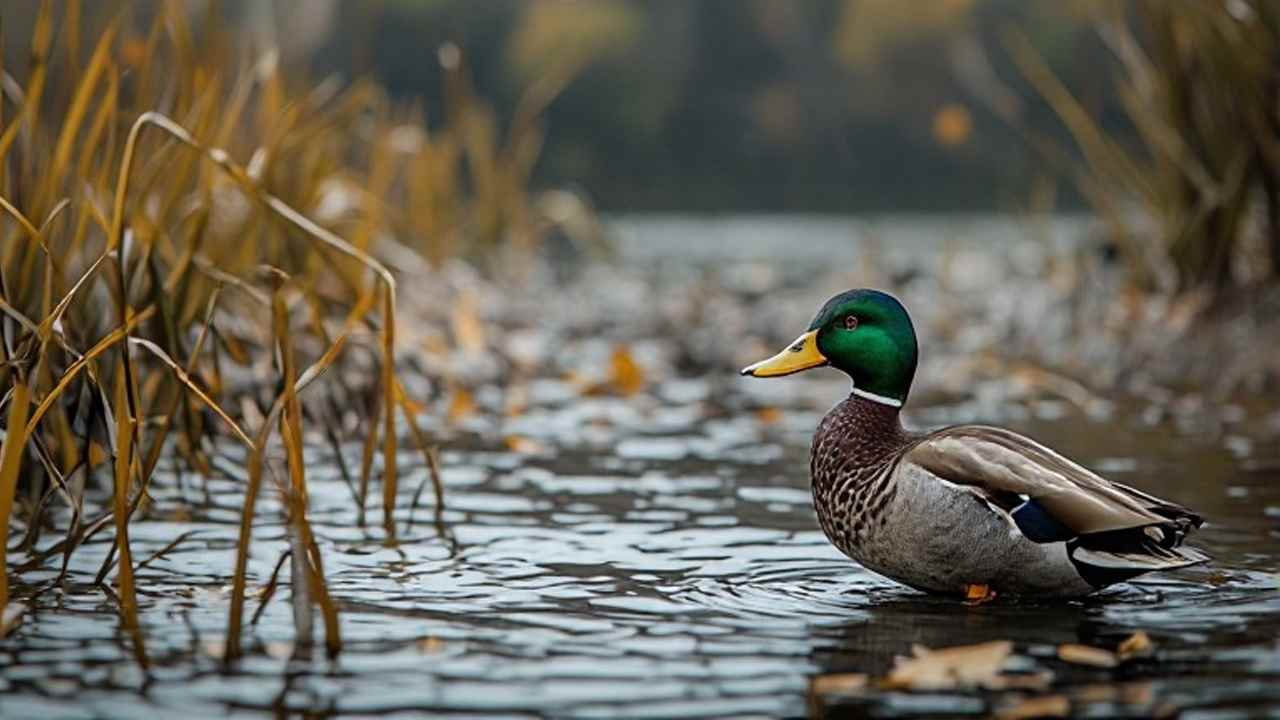
Illinois Duck Season 2026-2027: Dates, Limits, Zones & More
Illinois duck season generally runs from early fall teal hunting through late-fall and winter regular duck seasons, with split dates depending on zone. Illinois uses multiple duck hunting zones, and the current 2026-2027 official season-date tables reviewed for this guide show North, Central, and South duck date sections, while IDNR boundary materials also maintain South Central boundary resources. Before hunting, confirm both your zone and the latest site-specific rules because waterfowl regulations, permit systems, and public-land restrictions can change.
If you also hunt other states in the region, see Illinois hunting seasons for broader seasonal planning.
Illinois Duck Season 2026-2027 at a Glance
| Information | 2026-2027 Details |
|---|---|
| Regular Duck Season | North: Oct. 24-25 & Oct. 31-Dec. 27, 2026; Central: Oct. 31-Dec. 13, 2026 & Dec. 19, 2026-Jan. 3, 2027; South: Nov. 14-Dec. 6, 2026 & Dec. 19, 2026-Jan. 24, 2027 |
| Hunting Zones | Official duck date tables currently show North, Central, and South; IDNR boundary resources also show South Central boundary materials |
| Daily Bag Limit | 6 ducks |
| Possession Limit | 18 ducks total; species/sex possession limit is 3 times the daily limit |
| Shooting Hours | Regular duck: 1/2 hour before sunrise to sunset |
| Youth Waterfowl Days | North: Oct. 17-18, 2026; Central: Oct. 24-25, 2026; South: Nov. 7, 2026 & Jan. 30, 2027 |
| Veteran/Military Days | No duck-specific 2026-2027 veteran/active-duty dates were located on the official Illinois duck pages reviewed for this article as of Aug. 31, 2026 |
| Early Teal Season | Sept. 5-13, 2026 |
| Required License | Illinois hunting license unless exempt |
| Illinois Waterfowl Stamp | State Migratory Waterfowl Stamp required for most adult duck hunters |
| Federal Duck Stamp | Required for hunters age 16+ |
| HIP Registration | Required annually for licensed hunters pursuing migratory birds |
Illinois Duck Season Dates for 2026-2027
The official Illinois duck date tables reviewed for this guide list three regular duck season sections: North, Central, and South. Each includes either one continuous segment or split-season segments hunters need to track carefully.
| Duck Hunting Zone | Official 2026-2027 Season Dates |
|---|---|
| North Zone | Segment 1: Oct. 24-25, 2026; Segment 2: Oct. 31-Dec. 27, 2026 |
| Central Zone | Segment 1: Oct. 31-Dec. 13, 2026; Segment 2: Dec. 19, 2026-Jan. 3, 2027 |
| South Zone | Segment 1: Nov. 14-Dec. 6, 2026; Segment 2: Dec. 19, 2026-Jan. 24, 2027 |
Opening and Closing Dates by Zone
- North Zone opening day: Oct. 24, 2026
- North Zone closing day: Dec. 27, 2026
- Central Zone opening day: Oct. 31, 2026
- Central Zone closing day: Jan. 3, 2027
- South Zone opening day: Nov. 14, 2026
- South Zone closing day: Jan. 24, 2027
Illinois Duck Hunting Zones
Illinois divides waterfowl hunting by zone, and that matters because opening dates, split seasons, and public-hunt procedures depend on where you hunt. The official IDNR zone-boundary resources show North, Central, South Central, and South duck boundary materials, including statewide and inset maps. However, the current duck season-date tables reviewed for 2026-2027 are displayed under North, Central, and South sections. Because those official resources are not perfectly aligned in presentation, hunters should confirm their exact hunting location on the official map before opening day. Source
Official Zone Boundary Resources
- North Duck Zone: north of the North Zone boundary line described by IDNR.
- Central Duck Zone: south of the North Zone line to the Central/South boundary line.
- South Central Duck Zone: still appears in IDNR duck boundary descriptions and inset map materials.
- South Duck Zone: the southernmost portion of the state in IDNR boundary materials.
For most hunters, the practical takeaway is simple: do not rely on a county guess or a friend’s description. Use the official waterfowl zone map before hunting public wetlands, river corridors, or southern Illinois sites where boundary confusion matters most.
Illinois Duck Season Bag Limits
Illinois’ official 2026-2027 duck regulations set a 6-duck daily bag limit with species-specific sub-limits. Possession is three times the daily limit by species and sex, which is especially important if you are hunting more than one day or traveling with birds in transit.
| Duck Species / Category | Daily Limit | Important Restrictions |
|---|---|---|
| Ducks, overall | 6 | Total daily bag limit |
| Mallards | 4 | No more than 2 may be hen mallards |
| Wood ducks | 3 | Included within 6-duck total |
| Scaup | 2 | First 45 days in each zone |
| Scaup | 1 | Last 15 days in each zone |
| Redheads | 2 | Included within 6-duck total |
| Canvasbacks | 2 | Included within 6-duck total |
| Black ducks | 2 | Included within 6-duck total |
| Pintails | 3 | Included within 6-duck total |
| Mottled duck | 1 | Included within 6-duck total |
| Other ducks | Up to fill limit | Only if all sub-limits are followed |
What License Do You Need to Hunt Ducks in Illinois?
Most Illinois duck hunters need four things: an Illinois hunting license unless exempt, a State Migratory Waterfowl Stamp, a Federal Migratory Bird Hunting and Conservation Stamp, and annual HIP certification.
Illinois Hunting License
All residents and nonresidents need an applicable base hunting license unless they qualify for a statutory exemption. Hunt Illinois also notes that anyone born on or after Jan. 1, 1980 must complete hunter safety education or show evidence of a prior hunting license before buying a hunting license, subject to legal exemptions.
Illinois Waterfowl Stamp or Validation
For Illinois duck hunting, the key state privilege is the State Migratory Waterfowl Stamp. Hunt Illinois states it is mandatory for anyone age 18 or older hunting migratory waterfowl. The same page notes exemptions for disabled individuals, disabled veterans, and qualifying landowners with at least 39.5 acres when hunting on their own property.
IDNR’s waterfowl permit page lists the Illinois waterfowl stamp fee at $15.50.
Federal Duck Stamp
The U.S. Fish and Wildlife Service requires anyone who hunts migratory waterfowl and is 16 years of age or older to purchase and carry a current Federal Duck Stamp or E-Stamp. Federal Duck Stamps are valid from July 1 through the following June 30. If you use a physical stamp for hunting, sign it before going afield. A signed stamp or valid E-Stamp is required; a plain sales receipt is not enough.
HIP Registration
Illinois requires annual Harvest Information Program registration for licensed hunters pursuing migratory game birds, including ducks. IDNR says HIP registration is free, is required every year, and must be completed separately for each state where you hunt migratory birds. Lifetime license holders still need to register annually.
Youth Requirements
Illinois’ official waterfowl page says youth hunters must be 17 or younger and need a hunting license and HIP certification unless hunting on property where they reside. No stamps are required for youths under 16, while hunters age 16 and older still need the federal duck stamp. The same page also says adults age 18 and older may not hunt waterfowl or coots during Youth Waterfowl Hunting Days, even if they possess a youth license.
License Requirement Summary
| Requirement | Resident | Nonresident | Notes |
|---|---|---|---|
| Hunting License | Usually required | Usually required | Exemptions apply under Illinois law |
| HIP Registration | Required if licensed and hunting migratory birds | Required if licensed and hunting migratory birds | Free; annual |
| Illinois State Migratory Waterfowl Stamp | Generally required age 18+ | Generally required age 18+ | Exemptions apply for some disabled hunters and certain landowners |
| Federal Duck Stamp | Required age 16+ | Required age 16+ | Must carry valid signed stamp or E-Stamp |
Illinois Duck Hunting License Costs for 2026-2027
Illinois fee pages can look slightly different depending on whether you are viewing base-fee tables or purchase-page listings that include small vendor or transaction differences. Hunt Illinois explicitly says its base hunting license table does not include vendor or transaction fees, while IDNR fee pages and search listings may show slightly higher purchase amounts.
| License or Permit | Resident Cost | Nonresident Cost | Notes |
|---|---|---|---|
| Annual Hunting License | $12.00 base fee | $57.00 base fee | Hunt Illinois base-fee table |
| Annual Hunting License (purchase-page listing) | about $12.50 | about $57.75 | DNR fee listings/search snippets show slightly higher totals |
| Nonresident 5-Day Hunting License | — | $35.00 base fee | Hunt Illinois base-fee table |
| Nonresident 5-Day Hunting License (purchase-page listing) | — | about $35.75 | DNR fee listings/search snippets |
| Youth Hunt/Trap License | $7.00 base fee | same youth license structure shown on official tables | DNR fee listings/search snippets show about $7.50 |
| Illinois Waterfowl Stamp | $15.50 | $15.50 | IDNR waterfowl permit page |
| Federal Duck Stamp | $25.50 | $25.50 | IDNR waterfowl permit page; federal requirement |
| HIP Registration | Free | Free | Required annually |
| Public Duck Hunting Area Permit | $0.00 | $0.00 | Permit still required where applicable |
| Youth Waterfowl Hunting Permit | $0.00 | $0.00 | Separate application process |
Youth Waterfowl Hunting Days in Illinois
Illinois has official youth waterfowl days for the 2026-2027 season. The dates shown on the current official duck page are Oct. 17-18, 2026 in the North Zone; Oct. 24-25, 2026 in the Central Zone; and Nov. 7, 2026 plus Jan. 30, 2027 in the South Zone.
Youth hunters must be 17 or younger. They need a hunting license and HIP certification unless hunting on property where they reside. No stamps are required for youths under 16, but hunters age 16 and older must still have a federal duck stamp. Adults 18 and older may accompany but may not hunt waterfowl during Youth Waterfowl Hunting Days.
Illinois also offers youth public-waterfowl permit opportunities. IDNR’s youth permit application page says applications are accepted Sept. 1 through Oct. 1, 2026; permits are free; applicants must be 10-17 at the time of the hunt; and each youth permit holder must be accompanied by a parent, guardian, or responsible adult, with hunt participation rules varying by location. First-time applicants receive preference.
Veteran and Active-Duty Military Waterfowl Hunting Days
As of Aug. 31, 2026, I did not locate duck-specific 2026-2027 veteran/active-duty military waterfowl hunt dates on the official Illinois duck pages reviewed for this article. Because Illinois does publish other special waterfowl opportunities and permit systems, hunters should check the official current waterfowl page again before the season opens in case special veteran or military dates are added later.
Illinois does, however, publish military fee-exemption rules. IDNR says some eligible Illinois resident active-duty military members may hunt without a license while on ordinary or emergency leave, though required stamps still apply where required. IDNR also offers half-price hunting licenses for qualifying Illinois resident veterans who served abroad or were mobilized, while nonresident veterans are not eligible for reduced-fee Illinois hunting licenses under that page.
Early Teal Season in Illinois
Illinois has a separate early teal season for 2026. The official date shown on the current Illinois waterfowl page is Sept. 5-13, 2026. Shooting hours during early teal are sunrise to sunset, which differs from regular duck season hours.
Duck hunters should remember that early teal hunting is not the same as the regular duck season. Bag limits, legal species focus, and field identification demands are different in practice, so hunters should be confident they can identify teal before shooting.
Illinois Duck Hunting Shooting Hours
For the regular Illinois duck hunting season, the official hours shown on the current waterfowl page are 1/2 hour before sunrise to sunset. For early teal season, the official hours shown are sunrise to sunset.
If you hunt a managed public area, refuge, draw site, or IRAP parcel, verify any site-specific restrictions before your trip. Access times, check-in procedures, rest periods, parking rules, and boat restrictions can be tighter than statewide hours.
Where Can You Hunt Ducks in Illinois?
Public Land
Illinois offers duck hunting through state-managed public hunting areas, managed wetland sites, and other public opportunities listed through official IDNR and Hunt Illinois resources. The most useful statewide approach is to start with the official waterfowl page, the zone map, and the state’s public duck/goose permit information instead of trying to piece together rules area by area.
Public Hunting Draws and Reservations
For many Illinois public duck and goose hunting areas, IDNR uses a structured permit process. The official 2026 permit page lists:
- First lottery: Aug. 16-31
- Second lottery: Sept. 1-15
- Third lottery: Sept. 16-28
- First-come, first-served permits: beginning Oct. 1 at 8:00 a.m., until reserved quotas are depleted or until 72 hours before the hunt date.
IRAP Controlled Access
Illinois also provides controlled private-land waterfowl access through IRAP. For 2026, the IRAP waterfowl application became available Aug. 15; the November application deadline is Sept. 11, 2026; and the December application deadline is Oct. 2, 2026. IRAP says waterfowl access runs Nov. 1-Dec. 31, uses 3-5 day access periods, allows groups up to four, and may give preference to youth, first-time hunters, and current or former military applicants.
Private Land
Duck hunting on private land in Illinois still requires legal permission and compliance with statewide licensing and migratory bird rules. Private-land hunters also need to pay attention to zone placement, access roads, and transport rules, especially if birds are moved off-site.
Important Illinois Duck Hunting Regulations
Based on the official Illinois waterfowl page reviewed for this guide, these are some of the most practical rules duck hunters should remember:
- You cannot use any shotgun larger than 10 gauge for waterfowl.
- Your shotgun cannot hold more than 3 shells in the magazine and chamber combined unless properly plugged with a one-piece plug that cannot be removed without dismantling the gun.
- Hunters must keep the head and/or one fully feathered wing attached to each bird while transporting it from the field to the final destination.
- Use a Waterfowl Gift Tag if transferring harvested birds to another person.
- Spinning-wing decoys are allowed for waterfowl hunting.
- The official page notes electronic calling devices may be used during the Conservation Order light goose season only, so duck hunters should not assume e-calls are legal for regular duck hunting.
- The official page also references non-toxic shot guidance for legal waterfowl hunting methods.
Best Ducks to Hunt in Illinois
Illinois hunters commonly plan around a mixed bag of puddle ducks and divers, with the actual opportunity depending on habitat, weather, and zone timing. The 2026-2027 regulations specifically identify mallards, wood ducks, scaup, redheads, canvasbacks, black ducks, pintails, and mottled ducks in the bag-limit structure, which makes those species especially relevant for season planning.
Mallards
Mallards are the backbone of many Illinois duck hunts, especially around major river systems, flooded fields, backwaters, and managed wetlands.
Wood Ducks
Wood ducks are most associated with wooded wetlands, shallow sloughs, beaver ponds, and timbered backwaters.
Teal
Blue-winged and green-winged teal are key early-season and migration birds, especially in shallow wetlands and mudflat-rich habitat.
Pintails, Wigeon, Gadwall, and Shovelers
These ducks often show up in open marshes, wet agricultural areas, and larger public wetlands where food and resting water line up.
Divers such as Scaup, Redheads, and Canvasbacks
Divers are more relevant on bigger water, reservoirs, river systems, and open-water migration corridors.
Because migration timing changes with weather, river conditions, and cold fronts, the best strategy is to scout current bird use rather than rely on a fixed calendar alone.
Tips for Hunting During the Illinois Duck Season
Illinois rewards hunters who match their tactics to the part of the state they are hunting. North and Central Zone hunters often benefit from tracking fresh migration pushes and freeze-ups, while southern hunters should pay close attention to late-season weather, river conditions, and refuge pressure.
A few practical Illinois-specific tips:
- Scout access as hard as you scout birds. A productive marsh or backwater is useless if draw rules, check-in windows, or parking restrictions do not line up.
- Use the official zone map before every new location. Illinois zone boundaries are detailed enough that assumptions can get hunters in trouble.
- Plan decoys around habitat, not habit. Small teal spreads, mixed puddle-duck spreads, and open-water diver rigs all fit different Illinois waters.
- Watch water levels and wind. Backwaters, flooded crop edges, shallow wetlands, and reservoirs can all hunt differently after weather swings.
- Identify birds before shooting. With species-specific limits on mallards, scaup, canvasbacks, black ducks, pintails, and mottled ducks, quick but accurate identification matters.
- Know your permit system. Lottery-based state sites, IRAP access periods, and youth permit hunts all work differently.
Frequently Asked Questions About Illinois Duck Season
When does Illinois duck season start in 2026?
It starts on Oct. 24, 2026 in the North Zone, Oct. 31, 2026 in the Central Zone, and Nov. 14, 2026 in the South Zone based on the current official duck date tables reviewed for this guide.
What is the duck bag limit in Illinois for 2026-2027?
The statewide daily bag limit is 6 ducks, with species-specific sub-limits including 4 mallards with no more than 2 hens, 3 wood ducks, 3 pintails, 2 black ducks, 2 canvasbacks, 2 redheads, and scaup limits that change during the season.
What is the possession limit for ducks in Illinois?
The possession limit is three times the daily limit by species and sex, which works out to 18 ducks total if all sub-limits are followed.
Do you need a Federal Duck Stamp in Illinois?
Yes. If you hunt migratory waterfowl and are 16 or older, USFWS requires you to have a current Federal Duck Stamp or valid E-Stamp.
Do you need HIP registration to hunt ducks in Illinois?
Yes. IDNR requires licensed hunters who hunt migratory game birds in Illinois to register with HIP every year, and registration is free.
Is there an Illinois youth duck hunt in 2026?
Yes. Illinois lists youth waterfowl dates for each duck zone, including North on Oct. 17-18, Central on Oct. 24-25, and South on Nov. 7, 2026 and Jan. 30, 2027.
Does Illinois have an early teal season in 2026?
Yes. The official Illinois early teal season shown on the current page is Sept. 5-13, 2026, with shooting hours from sunrise to sunset.
Are veteran or military waterfowl hunt dates posted for Illinois 2026-2027?
I did not locate duck-specific 2026-2027 veteran/active-duty Illinois dates on the official duck pages reviewed for this guide as of Aug. 31, 2026. Hunters should recheck the official Illinois waterfowl page before the season.
Conclusion
Illinois Duck Season 2026-2027 gives hunters a strong mix of early teal opportunity, split regular seasons, youth days, public draw hunts, and controlled-access private-land options. The biggest planning priorities are knowing your exact zone, following the 6-duck bag structure and species limits, and making sure your hunting license, HIP certification, Illinois waterfowl stamp, and Federal Duck Stamp are all in order before opening day.
Before You Hunt: Check the Latest Illinois Regulations
Migratory bird regulations, zone interpretations, public-land procedures, emergency closures, and site-specific restrictions can change. Before any Illinois duck hunt, verify the latest statewide rules and the exact rules for the property you plan to hunt through the official Illinois wildlife and federal waterfowl resources below.
Illinois Duck Hunting Resources
- Illinois Waterfowl Hunting Page
- 2026-2027 Illinois Hunting and Trapping Digest
- Official Illinois Waterfowl Season Dates and Limits
- Illinois Waterfowl Zone Map
- Illinois Waterfowl Zone Descriptions
- Illinois Hunting License Fees
- Illinois Waterfowl Permits & Stamps
- Illinois HIP Registration Information
- Illinois Public Duck and Goose Permit Information
- Illinois IRAP Waterfowl Hunting
- U.S. Fish & Wildlife Service Federal Duck Stamp Program