
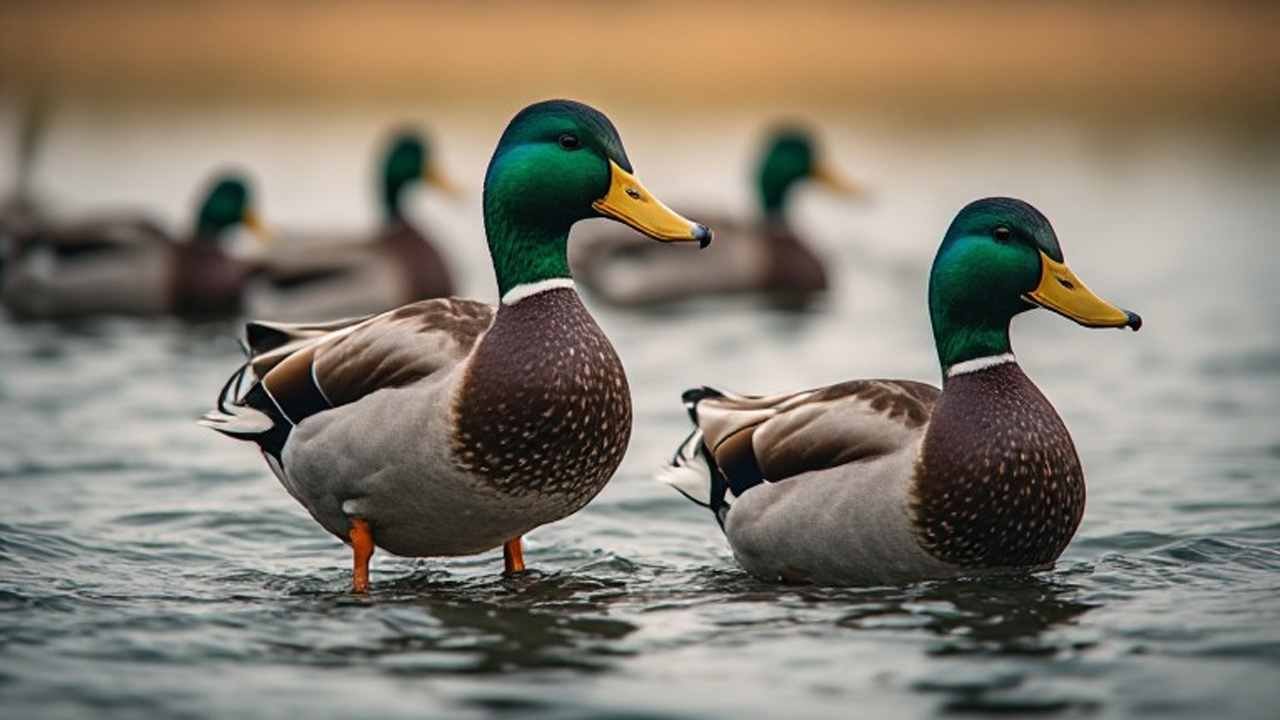
Minnesota Duck Season Dates 2026-2027: Rules, Limits & Zones
Minnesota’s 2026-2027 waterfowl season includes a statewide early teal season, a regular duck season divided into North, Central and South zones, and split seasons in the Central and South zones. The regular duck season opens September 26, 2026, but closing dates differ by zone.
The most important preparation steps are confirming the zone where you plan to hunt, purchasing the required licenses and validations, completing HIP certification, carrying the appropriate Federal Duck Stamp, and checking the latest Minnesota Department of Natural Resources regulations before leaving home. Regulations may change through corrections, emergency orders, public-land restrictions or tribal rules.
Minnesota Duck Season 2026-2027 at a Glance
| Information | 2026-2027 details |
|---|---|
| Early teal season | Statewide, September 5-9, 2026 |
| Regular duck season | North: September 26-November 24; Central and South zones include split seasons |
| Hunting zones | North, Central and South |
| Daily duck limit | 6 ducks, subject to species and sex restrictions |
| Possession limit | Three times the applicable daily limit |
| Regular shooting hours | One-half hour before sunrise through sunset |
| Early teal shooting hours | Sunrise through sunset |
| Youth waterfowl hunt | September 12-13, 2026 |
| Veteran or active-duty military waterfowl days | No separate statewide 2026 special waterfowl dates were identified in the published DNR materials reviewed |
| Required state license | Small game license, unless a specific exemption applies |
| Minnesota waterfowl stamp | Required for residents ages 18-64 and nonresidents ages 16 and older, subject to exemptions |
| Federal Duck Stamp | Required for migratory waterfowl hunters ages 16 and older |
| HIP certification | Required before hunting waterfowl or other migratory game birds, except sandhill cranes |
The Minnesota DNR also published an optional three-duck limit proposal during 2026. The published 2026 regulations, however, describe the standard six-duck limit with species-specific restrictions. The Minnesota proposal should not be treated as a replacement for the final rules unless the DNR formally updates the regulations.
Minnesota Duck Season Dates for 2026-2027
The 2026 Minnesota duck season is officially divided into three waterfowl zones. The North Zone has one continuous season. The Central and South zones have split seasons.
| Duck hunting zone | Official 2026 season dates |
|---|---|
| North Zone | September 26-November 24, 2026 |
| Central Zone, first segment | September 26-October 4, 2026 |
| Central Zone, second segment | October 10-November 29, 2026 |
| South Zone, first segment | September 26-October 4, 2026 |
| South Zone, second segment | October 17-December 6, 2026 |
The Minnesota DNR identified an error in the printed regulation booklet affecting the Central Zone dates. The corrected online information lists the second Central Zone segment as October 10-November 29, 2026, not October 11-November 30. Hunters should use the corrected online regulation information.
Opening and closing dates
- Earliest regular duck opener: September 26, 2026, statewide in all three zones.
- North Zone closing date: November 24, 2026.
- Central Zone closing date: November 29, 2026.
- South Zone closing date: December 6, 2026.
- Early teal season: September 5-9, 2026, statewide.
- Youth waterfowl weekend: September 12-13, 2026, statewide.
Minnesota Duck Hunting Zones
Minnesota uses three official duck hunting zones:
- North Zone
- Central Zone
- South Zone
The zone system is intended to account for differences in habitat, migration timing and waterfowl distribution across the state. A lake, wetland, river or public hunting area near a zone boundary may be subject to different dates from a location only a short distance away.
Before hunting, confirm:
- The exact location of the wetland or lake.
- The applicable zone boundary.
- Whether the property is a wildlife management area, refuge or special-regulation area.
- Whether a local, federal or tribal restriction applies.
- Whether the season is open on the specific day you plan to hunt.
The DNR’s official waterfowl page includes a downloadable Minnesota waterfowl zone map. Hunters should review the map rather than relying on county names or assumptions about where a zone begins and ends.
Minnesota Duck Season Bag Limits
The standard 2026 Minnesota duck daily limit is six ducks combined, subject to species-specific and sex-specific restrictions.
| Duck species or group | Daily limit | Important restriction |
|---|---|---|
| All ducks combined | 6 | The combined total may not exceed six |
| Mallards | 4 | No more than 2 may be hen mallards |
| Wood ducks | 3 | Maximum of 3 |
| Redheads | 2 | Maximum of 2 |
| Canvasbacks | 2 | Maximum of 2 |
| Black ducks | 2 | Maximum of 2 |
| Northern pintails | 3 | Maximum of 3 |
| All other ducks | Included in total of 6 | Must still comply with species identification and other restrictions |
| Scaup, North Zone, early period | 1 | One per day through October 10 |
| Scaup, North Zone, later period | 2 | Two per day from October 11-November 24 |
| Scaup, Central Zone, early period | 1 | One per day through October 15 |
| Scaup, Central Zone, later period | 2 | Two per day from October 16-November 29 |
| Scaup, South Zone, early period | 1 | One per day through October 22 |
| Scaup, South Zone, later period | 2 | Two per day from October 23-December 6 |
The possession limit for migratory birds is generally three times the applicable daily limit. On opening day, Minnesota has an additional possession rule: hunters may not possess more freshly killed migratory game birds than the daily limit allows.
The 2026 published rules also establish:
- Mergansers: 5 daily, with no more than 2 hooded mergansers.
- Coots and moorhens: 15 daily.
- Early teal: 6 combined blue-winged, green-winged and cinnamon teal.
Hunters must identify ducks carefully before shooting. A general six-bird limit does not eliminate the need to follow species-specific sublimits.
What License Do You Need to Hunt Ducks in Minnesota?
Minnesota hunting license
Most duck hunters need a Minnesota small game license. Resident and nonresident requirements differ, and license products may vary by age and eligibility.
A small game license is separate from the Federal Duck Stamp. Purchasing one does not automatically satisfy every waterfowl requirement unless the product specifically includes a required validation.
Minnesota licenses can be purchased through the state’s electronic licensing system, the Minnesota DNR licensing application or an authorized license agent. In 2026, the DNR introduced a modernized electronic licensing system, so hunters should create or verify their account before the season.
Minnesota waterfowl stamp validation
Minnesota requires a state waterfowl stamp validation for:
- Resident hunters ages 18 through 64
- Nonresident hunters ages 16 and older
The state validation is separate from the Federal Duck Stamp. Certain military, disability and other statutory exemptions may apply. Hunters should confirm eligibility in the current license system before going afield.
Federal Duck Stamp
A Federal Migratory Bird Hunting and Conservation Stamp is required for migratory waterfowl hunters who are 16 or older.
The 2026-2027 Federal Duck Stamp:
- Costs $25, before applicable state issuing or fulfillment fees.
- Is valid for waterfowl hunting and qualifying federal refuge entry.
- May be purchased as an electronic stamp or as a physical stamp.
- Requires the hunter to possess a valid electronic authorization or a properly signed physical stamp.
- Is valid nationwide; hunters do not buy a separate federal stamp for each state.
A sales receipt alone is not necessarily a valid hunting authorization. The U.S. Fish and Wildlife Service states that hunters must have a current signed physical stamp or valid electronic stamp authorization.
HIP registration
HIP means the Harvest Information Program. It is a federal and state system used to estimate migratory bird harvest and hunter activity.
Minnesota requires HIP certification before hunting waterfowl or other migratory game birds, except sandhill cranes. Hunters must complete the certification and answer questions about previous migratory-bird hunting activity.
| Requirement | Resident | Nonresident | Notes |
|---|---|---|---|
| Small game license | Generally required | Generally required | Age and statutory exemptions may apply |
| HIP certification | Required | Required | Complete before hunting migratory birds |
| Minnesota waterfowl stamp | Required ages 18-64 | Required ages 16+ | Exemptions may apply |
| Federal Duck Stamp | Required ages 16+ | Required ages 16+ | Federal requirement |
| Firearms safety certification | May apply by age | May apply by age | Hunters ages 13-17 generally need certification or apprentice validation |
Minnesota Duck Hunting License Costs for 2026-2027
The following fees were available from official 2026 Minnesota and federal licensing information.
| License or permit | Resident cost | Nonresident cost | Notes |
|---|---|---|---|
| Small game license | Verify current DNR license portal price | Verify current DNR license portal price | Product and age affect the fee |
| State waterfowl stamp validation | $8.25 | $8.25 | Required for applicable resident and nonresident age groups |
| Federal Duck Stamp | $25 | $25 | The Minnesota licensing system may add a $1 issuing fee and $4 fulfillment fee |
| HIP certification | No separate fee identified in the reviewed DNR materials | No separate fee identified in the reviewed DNR materials | Must still be completed |
| Youth waterfowl hunt license | No hunting license required under the youth hunt rule | No hunting license required under the youth hunt rule | Hunters ages 16-17 still need a Federal Duck Stamp |
| Agent issuing fee | $1 when applicable | $1 when applicable | DNR license pages state that prices may exclude agent fees |
The small game license price can depend on residency, age, license type and package. Confirm the current amount in the official DNR licensing portal before purchase rather than relying on an old fee table.
Youth Waterfowl Hunting Days in Minnesota
Minnesota’s 2026 youth waterfowl hunt is scheduled for September 12-13, 2026.
Eligibility and rules include:
- Youth hunters must be 17 or younger.
- The hunt is statewide.
- A nonhunting adult mentor who is at least 18 years old must accompany the youth hunter at all times.
- The adult must be authorized by the youth’s parent or guardian.
- The accompanying adult may not hunt.
- Youth hunters may take ducks, mergansers, coots, moorhens and Canada geese.
- Regular duck bag limits apply.
- Youth hunters ages 16-17 need a Federal Duck Stamp.
- No other hunting license or state waterfowl stamp is required for the youth hunt under the DNR’s published youth rules.
- Hunters ages 13-17 must possess a firearms safety certificate or apprentice hunter validation.
- Shooting hours are one-half hour before sunrise through sunset.
The adult mentor does not need a hunting license for the purpose of accompanying the youth, but the mentor must follow all safety and supervision requirements.
Veteran and Active-Duty Military Waterfowl Hunting Days
The published 2026 Minnesota waterfowl materials reviewed for this guide identify a youth waterfowl weekend but do not identify a separate statewide veteran or active-duty military waterfowl hunting weekend.
Minnesota does provide certain military and veteran license benefits. For example:
- Some Minnesota residents on military leave may hunt small game without a license while carrying qualifying residency and leave documentation.
- Some recently discharged resident veterans may qualify for small-game exemptions.
- Residents with a 100% service-connected disability may qualify for a free small game license.
- Federal Duck Stamp requirements still apply to eligible waterfowl hunters age 16 and older.
- State waterfowl stamp exemptions may apply to qualifying military or disability license holders.
These are license exemptions and benefits, not necessarily separate special hunting dates. Hunters should carry the required military, residency, disability or discharge documentation and confirm the current rule with the DNR.
Early Teal Season in Minnesota
Minnesota’s 2026 early teal season runs September 5-9, 2026, statewide.
Only the following teal species may be harvested:
- Blue-winged teal
- Green-winged teal
- Cinnamon teal
The combined daily limit is 6 teal, and the possession limit follows the three-times-daily-limit rule. Early teal shooting hours are different from regular duck hours: hunting may begin at sunrise and continues until sunset.
Wild rice restrictions
Special restrictions apply during early teal season on parts of:
- Mille Lacs Indian Reservation
- Leech Lake Reservation
- White Earth Reservation
The restrictions concern hunting near wild rice waters or beds identified or posted by tribal authorities. Early September is also an active period for wild rice harvesting, so hunters must check tribal notices and respect posted restrictions.
Minnesota Duck Hunting Shooting Hours
Regular duck season
For regular duck season, legal shooting hours are:
One-half hour before sunrise through sunset.
Early teal season
During the September 5-9 early teal season, shooting cannot begin until:
Sunrise through sunset.
Youth waterfowl hunt
The youth hunt uses shooting hours of:
One-half hour before sunrise through sunset.
Hunters should use the DNR sunrise and sunset tables for the specific location and date. Public hunting areas, federal refuges, tribal lands and other properties may impose additional restrictions.
Where Can You Hunt Ducks in Minnesota?
Minnesota offers extensive public waterfowl habitat, but public access does not mean every acre is open under identical rules.
Public land
Potential opportunities include:
- Wildlife management areas
- State wildlife lands
- Public wetlands
- Rivers and lakes open to waterfowl hunting
- National wildlife refuges
- Federal waterfowl production areas
- State and federal public hunting areas
Each area may have restrictions involving:
- Access hours
- Blind placement
- Watercraft
- Decoy placement
- Parking
- Closed zones
- Refuge boundaries
- Non-toxic shot
- Special permits or reservations
Review the property-specific rules before hunting. A general season date does not override a refuge closure or a special public-land regulation.
Private land
Hunters need permission to hunt private property. Minnesota trespass laws apply even when waterfowl are present on a pond, field or wetland. Obtain permission before entering land, launching from private property or retrieving birds.
Draws and reservations
Minnesota uses special hunts, controlled opportunities and property-specific access systems in some areas. Not every WMA requires a draw, and not every public marsh uses reservations. The DNR’s public hunting-area information and the individual property listing should be checked for:
- Waterfowl blind drawings
- Controlled hunt permits
- Daily reservations
- Quota systems
- Application deadlines
- Closed or restricted portions of a property
Do not assume that a reservation requirement at one wildlife area applies statewide.
Important Minnesota Duck Hunting Regulations
The following rules are especially important for planning a legal hunt:
- Non-toxic shot is required. Hunters may not take ducks, geese, mergansers, coots, moorhens or sandhill cranes with lead shot or possess lead shot while taking those species.
- Shotguns must comply with migratory-bird rules. Hunters should review the current shotgun capacity and plug requirements in the official regulations.
- Watercraft restrictions apply. A motorboat or sailboat must be stopped in the required manner before taking waterfowl from it.
- Baiting is prohibited. Hunters may not take migratory waterfowl using prohibited baiting methods, sink boxes or permanent blinds in public waters.
- Motorized spinning-wing decoys are allowed statewide during early teal season and the regular waterfowl season, including on wildlife management areas, subject to property-specific rules.
- Decoy placement has time restrictions. Decoys generally may not be placed on public land or public waters more than two hours before legal shooting hours.
- Retrieval is mandatory. Hunters must make a reasonable effort to retrieve birds they kill or wound.
- Wounded birds count toward the daily limit.
- Wanton waste is prohibited. Retrieved birds must be immediately dispatched and kept in the hunter’s custody.
- Opening-day possession rules are stricter. Freshly killed migratory birds may not exceed the daily limit on opening day.
- Aeration systems may not be used to create open water or manipulate wild-waterfowl migration on public waters.
- Species identification is the hunter’s responsibility. Learn to distinguish protected or restricted species before shooting.
- Tribal and reservation rules may apply. Early teal restrictions near wild rice are especially important in designated reservation areas.
Best Ducks to Hunt in Minnesota
Minnesota’s wetlands, prairie potholes, shallow lakes, rivers, agricultural fields and forested waterways support a wide variety of ducks.
Mallards
Mallards are widespread across Minnesota and commonly use shallow wetlands, river backwaters, agricultural water, lakes and marshes. They are subject to a four-bird daily sublimit, including no more than two hens.
Wood ducks
Wood ducks are associated with wooded wetlands, beaver ponds, creeks, river edges and forested lakes. Minnesota allows up to three wood ducks daily, within the overall six-duck limit.
Blue-winged and green-winged teal
These teal species are the focus of the early teal season. Hunters should be especially careful with identification because the early season is limited to legal teal species and occurs before the regular duck season.
Northern pintails
Pintails use shallow wetlands, prairie potholes and agricultural landscapes. The daily sublimit is three.
Redheads and canvasbacks
Redheads and canvasbacks may be encountered on larger lakes, open wetlands and migration stopover habitat. Each has a two-bird daily sublimit.
Scaup
Scaup limits change by zone and date. Hunters targeting bluebills must track the applicable one-bird and two-bird periods carefully.
Gadwall, wigeon and shovelers
These species may occur in prairie wetlands, shallow lakes and marsh systems. They fall within the “all other ducks” category but still count toward the combined six-duck daily limit.
Tips for Hunting During the Minnesota Duck Season
Scout by zone, not just by species
A productive location is useful only when it is open. Record the zone, season segment and any property-specific restrictions for every scouting location.
Watch water levels and access
Minnesota conditions can change quickly. Check:
- Water levels
- Recent rainfall
- Wetland access
- Boat launches
- Vegetation
- Ice or cold-weather conditions later in the season
- Temporary closures
Match the spread to the habitat
Use smaller, natural-looking spreads on narrow creeks, wooded ponds and secluded wetlands. Larger lakes and open marshes may allow more visible spreads, but concealment remains critical.
Plan for wind
Position the blind or boat so incoming birds finish within safe shooting range and downed birds can be retrieved without crossing dangerous current or open water.
Identify every bird
Use the early teal season to practice species identification. Never shoot at a fast-moving silhouette without confirming that it is a legal species and that the applicable season is open.
Keep safety equipment accessible
Minnesota waterfowl hunting often involves cold water, boats and unstable marsh conditions. Wear a properly fitted life jacket, carry a communication device, and avoid overloading small boats.
Check the weekly outlook
The DNR’s weekly waterfowl report can help hunters understand migration conditions, habitat observations and regional waterfowl activity during the season.
Frequently Asked Questions About Minnesota Duck Season
When does Minnesota duck season open in 2026?
The regular Minnesota duck season opens September 26, 2026, in the North, Central and South zones. The Central and South zones close temporarily after October 4 and reopen for their second segments.
What are the 2026 Minnesota duck season dates by zone?
The North Zone runs September 26-November 24. The Central Zone runs September 26-October 4 and October 10-November 29. The South Zone runs September 26-October 4 and October 17-December 6.
What is the Minnesota duck bag limit?
The standard daily duck limit is six ducks combined. Species restrictions include four mallards with no more than two hens, three wood ducks, two redheads, two canvasbacks, two black ducks and three pintails.
Does Minnesota have an early teal season?
Yes. The 2026 early teal season runs statewide from September 5-9. Only blue-winged, green-winged and cinnamon teal may be harvested. Shooting begins at sunrise, not one-half hour before sunrise.
Do I need a Federal Duck Stamp to hunt ducks in Minnesota?
Yes, hunters who are 16 or older and hunt migratory waterfowl need a current Federal Duck Stamp or valid electronic stamp authorization.
Do youth hunters need a license during Minnesota’s youth waterfowl hunt?
Hunters age 17 and younger may participate in the youth waterfowl hunt without a hunting license or Minnesota waterfowl stamp under the DNR’s youth-hunt rules. Hunters ages 16-17 still need a Federal Duck Stamp.
Is HIP certification required for Minnesota duck hunting?
Yes. HIP certification is required before hunting waterfowl or other migratory game birds, except sandhill cranes.
Can I use lead shot for ducks in Minnesota?
No. Minnesota requires approved non-toxic shot for taking ducks and certain other migratory birds. Hunters may not possess lead shot while taking those species.
Before You Hunt: Check the Latest Minnesota Regulations
The 2026-2027 Minnesota duck season dates and primary regulations are published, but hunters should still verify the latest information immediately before hunting. Pay particular attention to:
- Corrected online season dates
- Emergency closures
- Public-land restrictions
- Refuge rules
- Tribal wild rice restrictions
- License and stamp status
- Water levels and safety conditions
- Any final action on the optional three-duck limit proposal
The Minnesota DNR’s online regulations should take priority over older printed material when the agency identifies a correction.
Hunters planning trips to other states can also compare season structures through our state season guides.