
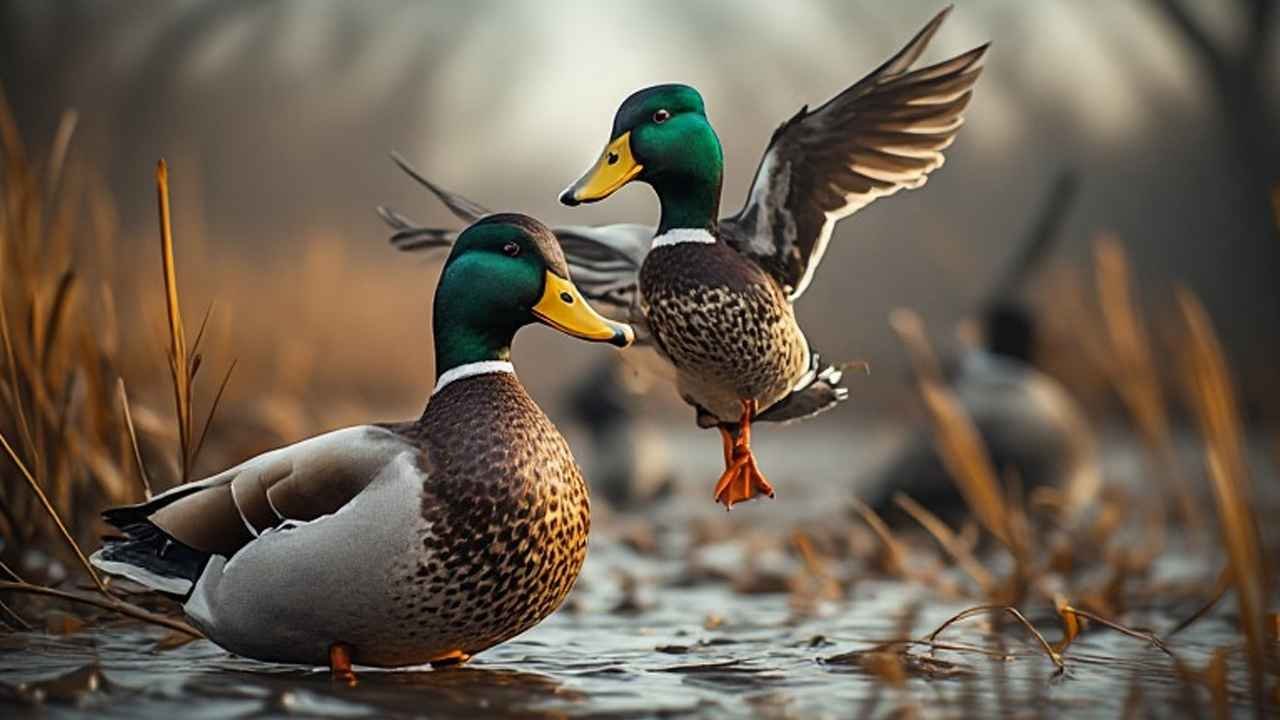
New Hampshire Duck Season 2026-2027: Dates, Limits & Regulations
Duck season in New Hampshire for 2026-2027 is officially set, and the Granite State once again offers waterfowlers a generous 60-day regular duck season with a six-duck daily bag limit — all within driving distance of salt marshes, big rivers, beaver flowages, and North Country lakes. What makes New Hampshire different from many states is its four waterfowl hunting zones (Northern, Inland, Connecticut River, and Coastal), which means your season opener depends heavily on where you stand at sunrise. Two of the zones feature split seasons, and there are special statewide opportunities for youth hunters and veterans before and after the regular framework.
The New Hampshire Fish and Game Department finalized the 2026-2027 migratory waterfowl seasons on May 8, 2026, after its standard public comment process. In this guide, you’ll find every date, bag limit, license requirement, and fee you need to plan your season — but remember that regulations can change, and you should always verify current rules with NH Fish and Game before heading afield.
New Hampshire Duck Season 2026-2027 at a Glance
| Information | 2026-2027 Details |
|---|---|
| Regular Duck Season | 60 days total; varies by zone (Oct. 2 opener in Northern Zone; latest close Jan. 17, 2027 in Coastal Zone) |
| Hunting Zones | Four: Northern, Inland, Connecticut River, Coastal |
| Daily Bag Limit | 6 ducks (with species sub-limits) |
| Possession Limit | 18 ducks (3× daily limit) |
| Shooting Hours | One-half hour before sunrise to sunset |
| Youth Waterfowl Days | Sept. 26–27, 2026 (statewide) |
| Veteran/Military Days | Jan. 23–24, 2027 (statewide, NH-licensed hunters) |
| Early Teal Season | Not offered in New Hampshire |
| Required License | NH Hunting, Combination, Archery, or (nonresidents) Small Game license |
| NH Waterfowl Stamp | NH Migratory Waterfowl License — $11 (ages 16+) |
| Federal Duck Stamp | Required (ages 16+), signed across the face; $25 |
| HIP Registration | Free, required for all migratory bird hunters |
New Hampshire Duck Season Dates for 2026-2027
The official 2026-2027 dates below were finalized and published by the New Hampshire Fish and Game Department on May 8, 2026. Unlike states with a single statewide season, your opener and closer depend entirely on which of the four zones you hunt.
| Duck Hunting Zone | Segment 1 | Segment 2 |
|---|---|---|
| Northern Zone | Oct. 2 – Nov. 30, 2026 | — (no split) |
| Inland & Connecticut River Zone | Oct. 13 – Nov. 11, 2026 | Nov. 25 – Dec. 24, 2026 |
| Coastal Zone | Oct. 6 – Oct. 12, 2026 | Nov. 26, 2026 – Jan. 17, 2027 |
Key takeaways for planning your New Hampshire duck hunting season:
- Opening day: October 2, 2026 in the Northern Zone — the state’s earliest opener.
- Closing day: January 17, 2027 in the Coastal Zone — the state’s latest close, ideal for late-migrating birds.
- Split seasons: The Inland & Connecticut River Zone closes for a two-week break in mid-November, and the Coastal Zone has a long early teal-and-local-duck segment in October before its main late-season run.
- Mergansers, coots, and regular-season Canada geese run on the same zone dates as ducks; the September Canada goose season is statewide Sept. 1–25, 2026.
New Hampshire Duck Hunting Zones
New Hampshire divides the state into four waterfowl hunting zones, and knowing which one you’re standing in matters — the zones have different openers, closers, and split structures:
- Northern Zone: The North Country of the state — the area north of the Inland Zone, including the Great North Woods region around the Connecticut Lakes, Pitt, and the northern White Mountains. It has the earliest, unbroken season.
- Inland Zone: The area of the state east of the Connecticut River Zone, south of the Northern Zone, and west of the Coastal Zone — the Lakes Region and central lowlands.
- Connecticut River Zone: The corridor along the Vermont border, where the river’s backwaters and oxbows hold consistent mallard and wood duck numbers.
- Coastal Zone: The seacoast area in the southeast corner of the state, including coastal waters, tidal marshes, and the Great Bay estuary system.
Zone boundaries follow town and geographic lines that aren’t always intuitive in the field, so confirm your location on the official waterfowl zone map published by NH Fish and Game on its waterfowl hunting page before opening day. This is especially important near the Coastal Zone line, where crossing a town boundary can change your legal season dates.
New Hampshire Duck Season Bag Limits
The New Hampshire duck bag limit for 2026-2027 is 6 ducks daily with a possession limit of 18 (three times the daily bag). Species-specific sub-limits apply within that six-bird total:
| Duck Species | Daily Limit | Important Restrictions |
|---|---|---|
| Mallard | 4 | No more than 2 hen mallards |
| Black Duck | 2 | Included in 6-bird total |
| Wood Duck | 3 | Included in 6-bird total |
| Northern Pintail | 3 | Included in 6-bird total |
| Canvasback | 2 | Included in 6-bird total |
| Redhead | 2 | Included in 6-bird total |
| Scaup | 1 | Included in 6-bird total |
| Sea Ducks | 4 | Max 3 scoters, 3 long-tailed ducks, 3 eiders (no more than 1 hen eider); part of the general duck bag in all zones |
| Harlequin Duck | Closed | Season is closed statewide |
| Mergansers | 5 | In addition to the 6-duck limit; possession limit 15 |
| Coots | 15 | Possession limit 45 |
| Other Ducks | 6 total | All ducks count toward the 6-bird daily limit |
Two details trip up visiting hunters every year. First, mergansers don’t count against your six-duck limit — you may take five in addition. Second, sea ducks (eiders, scoters, long-tailed ducks, plus — as NH defines them for this rule — bufflehead and common goldeneye) are part of the general duck bag in all zones, not just the coast, so a four-sea-duck cap applies anywhere those species appear.
What License Do You Need to Hunt Ducks in New Hampshire?
New Hampshire Hunting License
Every duck hunter age 16 or older needs a valid base license to hunt ducks in New Hampshire:
- Residents must hold a current Regular NH Hunting, Combination (hunting/fishing), or Archery License.
- Nonresidents may use a Regular NH Hunting, Combination, or Archery License, or the cheaper Nonresident Small Game License.
- Youth under 16 do not need a base license but must be accompanied by a properly licensed adult age 18 or older.
- Licenses are valid Jan. 1 – Dec. 31, and resident landowners (plus their children under 16) may hunt on their own property without a regular license.
New Hampshire Waterfowl Stamp (Migratory Waterfowl License)
Duck and goose hunters age 16 and older must also buy the NH Migratory Waterfowl License — the state’s equivalent of a waterfowl stamp. It costs $11 for both residents and nonresidents and is added to your base license purchase at huntnh.com or any license agent.
Federal Duck Stamp
Waterfowl hunters 16 and older must also carry a current Federal Migratory Bird Hunting and Conservation Stamp (“Duck Stamp”) signed across the face. For the 2026-2027 season the stamp costs $25, with 98% of the purchase price directed to wetland conservation through the U.S. Fish and Wildlife Service’s Duck Stamp program. Thanks to the Duck Stamp Modernization Act of 2023, you can now legally hunt on an electronic stamp (E-Stamp) purchased through DuckStamp.com, which issues an immediately valid proof of purchase and mobile wallet pass — useful since many post offices no longer stock physical stamps. Physical stamps ordered by mail must be signed on receipt to be valid.
HIP Registration
The Harvest Information Program (HIP) is a free federal-state survey system used to estimate migratory bird harvest. Every NH hunter pursuing ducks, geese, woodcock, or snipe must obtain a HIP permit number each year — it costs nothing. Call 1-800-207-6183 or get the number through the online licensing site at huntnh.com, then write the number on your hunting license.
Summary of Requirements
| Requirement | Resident | Nonresident | Notes |
|---|---|---|---|
| Hunting License | ✅ Regular Hunting/Combination/Archery | ✅ Regular Hunting/Combination/Archery/Small Game | Ages 16+; under 16 exempt |
| HIP Registration | ✅ | ✅ | Free; number written on license |
| NH Migratory Waterfowl License | ✅ | ✅ | $11; ages 16+ |
| Federal Duck Stamp | ✅ | ✅ | $25; signed or E-Stamp; ages 16+ |
New Hampshire Duck Hunting License Costs for 2026-2027
| License or Permit | Resident Cost | Nonresident Cost |
|---|---|---|
| Hunting License (Regular) | $32.00 | $113.00 |
| Nonresident Small Game License | — | $53.00 |
| NH Migratory Waterfowl License | $11.00 | $11.00 |
| Federal Duck Stamp | $25.00 | $25.00 |
| HIP Registration | Free | Free |
A few fee notes: an annual $2.50 habitat fee applies to all hunting licenses, and quoted prices include a $1 license agent fee (online transactions may add a small processing charge). New Hampshire does not sell a separate youth hunting license for this purpose — hunters under 16 simply don’t need a base license. Active-duty military residents permanently stationed outside New Hampshire may qualify for a free temporary license through Fish and Game headquarters.
Youth Waterfowl Hunting Days in New Hampshire
The 2026 Youth Waterfowl Weekend runs statewide on September 26–27, 2026 — a full weekend before any regular season opens, giving kids first shot at unpressured birds.
- Eligibility: Hunters age 15 and younger.
- Supervision: Each youth must be accompanied by an adult at least 18 years old holding a current hunting license.
- Adult participation: The accompanying adult may not take waterfowl during the youth hunt.
- Licenses/stamps: No license is required for youth under 16. Note that hunters 16+ who qualify by age cannot participate — this weekend is for youth only.
- Bag limits: Same species restrictions and limits as the regular 2026-2027 season.
Veteran and Active-Duty Military Waterfowl Hunting Days
The Veteran and Active Military Waterfowl Weekend takes place January 23–24, 2027, statewide — after every regular duck season has closed.
- Who qualifies: Veterans (as defined in Section 101 of Title 38, U.S. Code) and members of the Armed Forces on active duty, including National Guard and Reserve members on active duty (other than training).
- Documentation: You must carry proof of eligibility, such as active military ID, National Guard/Reservist ID, retired military ID, an NH driver’s license with veteran status, or DD Form 214/215.
- Licensing: All regular requirements apply, including the Federal Duck Stamp, and this opportunity is limited to hunters licensed in New Hampshire. Veterans may hunt the Connecticut River Zone but must launch from the New Hampshire side.
- Bag limits: Same as the regular season.
Early Teal Season in New Hampshire
New Hampshire does not offer a separate early teal season for 2026-2027. Teal are harvested during the regular duck season under the standard six-duck daily bag — green-winged and blue-winged teal each count toward the total. (The state’s only early season is the September Canada goose season, Sept. 1–25, which runs under different rules.) Early teal regulations in other Atlantic Flyway states should not be assumed to apply in New Hampshire.
New Hampshire Duck Hunting Shooting Hours
Legal shooting hours for ducks and all migratory birds in New Hampshire are one-half hour before sunrise to sunset, statewide and in every zone, during both the regular season and special hunts. There is no separate teal-hours framework because the state has no early teal season. Keep in mind that individual public hunting areas — particularly federal refuges and coastal access points — may post more restrictive hours or closures, so verify property-specific rules wherever you hunt.
Where Can You Hunt Ducks in New Hampshire?
Public Land
New Hampshire offers substantial public waterfowl opportunity, from tidal marsh to timber flowage:
- Great Bay and the seacoast: The Great Bay estuary and its tidal tributaries are the state’s marquee coastal waterfowl area, with eider, scoter, and diver opportunities along the seaduck area defined as coastal waters and rivers seaward of the first upstream bridge from the coast.
- Merrimack and Connecticut River corridors: River oxbows, backwaters, and ag-land potholes hold early-season wood ducks and mallards.
- North Country: Remote ponds, flowages, and beaver impoundments in the Northern Zone offer classic jump-shooting for wood ducks and mallards with minimal competition.
- National wildlife refuges: Portions of refuges such as Umbagog National Wildlife Refuge are open to waterfowl hunting under refuge-specific rules — always check each refuge’s own regulations before launching.
Private Land
Most New Hampshire land is private, and written or verbal landowner permission is the standard — the state’s tradition of respecting private access is what keeps it available. Resident landowners enjoy the license exemption noted above, but non-landowners pursuing game off their own property need a regular license. Always ask before crossing posted or unposted land; trespassing complaints are the fastest way to close access for everyone. Hunters seeking more options sometimes look into hunting leases or land-share programs that connect sportsmen with willing landowners.
Draws, Reservations, and Permits
New Hampshire does not operate a statewide lottery or draw system for general duck hunting. Access is first-come, first-served on open public waters, and some coastal/tidal access points fill early on weekend openers. Special-permit situations exist at specific refuge and closed-area boundaries, so check the official closed-areas list published by Fish and Game before finalizing plans.
Important New Hampshire Duck Hunting Regulations
These are the rules most likely to catch a duck hunter in New Hampshire:
- Non-toxic shot only: It is illegal to possess lead shot shells while hunting migratory waterfowl. Steel, bismuth, tungsten, and other approved loads only.
- Shotgun capacity: No shotgun larger than 10 gauge, and the gun must be incapable of holding more than 3 shells — one in the chamber with the magazine plugged to no more than two.
- No air rifles: Migratory game birds cannot be taken with air rifles; bow and arrow is legal.
- Baiting prohibited: You cannot place bait or hunt over any baited area.
- Electronic calls: Prohibited for ducks and geese during regular seasons (legal only for crows and the September goose season).
- Boats: No shooting from a motorboat under power or a moving sailboat, and no loaded firearm in a motorboat under power — except that shooting crippled waterfowl from a motorized craft is allowed within the defined sea duck hunting area.
- No hunting from vehicles: You cannot take wildlife from a motor vehicle, OHRV, snowmobile, boat under power, or aircraft.
- Retrieval and waste: Federal rules require making a reasonable effort to retrieve downed birds and prohibit wanton waste.
- Species ID: Because sub-limits are tight (one scaup, two black ducks), positive identification before the shot is the hunter’s responsibility.
- Tagging/transport: Federal regulations govern transporting birds; the sale of mounted migratory game birds is prohibited (50 CFR 20.91(b)).
- Closed areas: Certain harbors, refuges, and municipal waters are closed to waterfowl hunting — consult the official closed-areas list.
Best Ducks to Hunt in New Hampshire
- Mallard: The state’s most-harvested duck, found on river oxbows, beaver ponds, and corn-edge impoundments; numbers build through late October and peak with cold-weather pushes in November.
- Wood Duck: Abundant in flooded timber, stream bottoms, and swamps statewide, especially the Connecticut and Merrimack valleys; the bulk of the harvest comes in the first half of the season.
- Green-winged Teal: Late-season migrants favoring mudflat edges and shallow marsh margins, particularly in the Inland and Coastal zones after November fronts.
- Blue-winged Teal: Early movers that can be taken on the early segments of the Coastal and Inland splits; most depart before November.
- American Black Duck: A signature Northeastern bird — strong numbers on Great Bay, coastal marshes, and North Country beaver flowages, with the two-bird limit reflecting careful management.
- Ring-necked Duck, Hooded Merganser, and Common Goldeneye: Boreal forest nesters that funnel into Lakes Region and coastal waters as ice pushes south.
- Sea Ducks — Eider, Scoters, Long-tailed Duck: New Hampshire’s coastal zone offers true sea duck hunting in the Great Bay and nearshore Atlantic waters, a rare opportunity in the Atlantic Flyway (note the 4-bird daily cap and species sub-limits).
- Northern Pintail, Gadwall, and Wigeon: Regular but variable migrants on coastal marshes and ag-land shallow water; pintail movement peaks with drought-year production swings.
Tips for Hunting During the New Hampshire Duck Season
- Scout zone lines and water levels. New Hampshire’s fall rains and beaver activity change water levels fast; a September scout of your Inland Zone flowage can reveal a brand-new roost — or a dry bowl. Confirm which zone each spot sits in before opening day.
- Fish the splits. The Coastal Zone’s October 6–12 segment is a low-pressure window for local wood ducks and blue-winged teal, while its November 26 – January 17 run is the state’s best bet for divers and sea ducks. Plan different gear and locations for each segment.
- Match your spread to the water. On small beaver ponds, six to a dozen decoys with a couple of hen mallard calls outperform big rigs. On Great Bay or the seacoast, larger diver/sea duck spreads and a reliable boat or layout setup matter more.
- Watch the tide, not just the wind. Coastal hunters should time setups around high tide, when birds push into feeding marshes, and check wind direction against bank access — a northeast blow after a cold front is the classic sea duck trigger.
- Get permission early for private riverbottoms. Landowners along the Connecticut and Merrimack get multiple asks each fall; a courteous early-September visit (with a offered share of the harvest) secures spots that hold mallards all season.
- Identify before you shoot. With a one-scaup, two-black-duck limit, disciplined flock identification — silhouette, wingbeat, and voice — protects your limit and the resource.
- Mind the cold on late-season hunts. January Coastal Zone hunts and the January veteran weekend demand quality insulated waders, layered camo, and a float-coat when boating; hypothermia risk is the real danger on big water.
- Handle harvested birds carefully. State wildlife officials recommend gloves when field dressing and thorough hand-washing due to possible avian influenza, and ask you to report all banded birds at reportband.gov.
Frequently Asked Questions About New Hampshire Duck Season
What are the duck season dates for 2026-2027 in New Hampshire?
The Northern Zone runs Oct. 2 – Nov. 30, 2026; the Inland & Connecticut River Zone runs Oct. 13 – Nov. 11 and Nov. 25 – Dec. 24, 2026; and the Coastal Zone runs Oct. 6 – Oct. 12 and Nov. 26, 2026 – Jan. 17, 2027. All dates are final per NH Fish and Game’s May 8, 2026 announcement.
What is the daily duck bag limit in New Hampshire?
Six ducks per day with an 18-bird possession limit, including sub-limits of 4 mallards (2 hens max), 2 black ducks, 3 wood ducks, 3 pintails, 2 canvasbacks, 2 redheads, 1 scaup, and 4 sea ducks. Mergansers (5 daily) are in addition to the duck limit.
Do I need a special license to hunt ducks in New Hampshire?
Yes — hunters 16 and older need a base NH hunting license (or nonresident small game license), the $11 NH Migratory Waterfowl License, a signed $25 Federal Duck Stamp, and a free HIP permit number, on top of any base license.
Is there an early teal season in New Hampshire?
No. New Hampshire does not hold a separate early teal season for 2026-2027; teal are taken during the regular duck season under the standard bag limit.
When is the youth waterfowl hunt in New Hampshire?
The Youth Waterfowl Weekend is Sept. 26–27, 2026, statewide, for hunters 15 and younger with a licensed adult (18+) who may not hunt. Regular season bag limits apply.
Can nonresidents hunt ducks in New Hampshire?
Yes. Nonresidents can buy the Regular Nonresident Hunting License ($113) or the less expensive Nonresident Small Game License ($53), plus the same $11 state waterfowl license, $25 federal stamp, and free HIP registration required of residents.
Do I need a Federal Duck Stamp if I have the New Hampshire waterfowl license?
Yes — the two are separate requirements. Every duck and goose hunter 16 and older must carry both the state Migratory Waterfowl License and a current Federal Duck Stamp signed across the face (or a valid electronic stamp).
Can I hunt ducks with lead shot in New Hampshire?
No. Possessing any lead shot shells while hunting migratory waterfowl is illegal — approved non-toxic loads such as steel, bismuth, or tungsten are required, and shotguns must be plugged to a three-shell capacity.
Before You Hunt: Check the Latest New Hampshire Regulations
Migratory bird frameworks, closed areas, and public land rules can change between the time you read this and opening morning. Emergency closures, tide-dependent access, and zone-line questions are all best answered at the source: verify the current rules with the New Hampshire Fish and Game Department immediately before hunting, and carry your license, waterfowl license, HIP number, and signed (or electronic) Federal Duck Stamp with you in the field.