
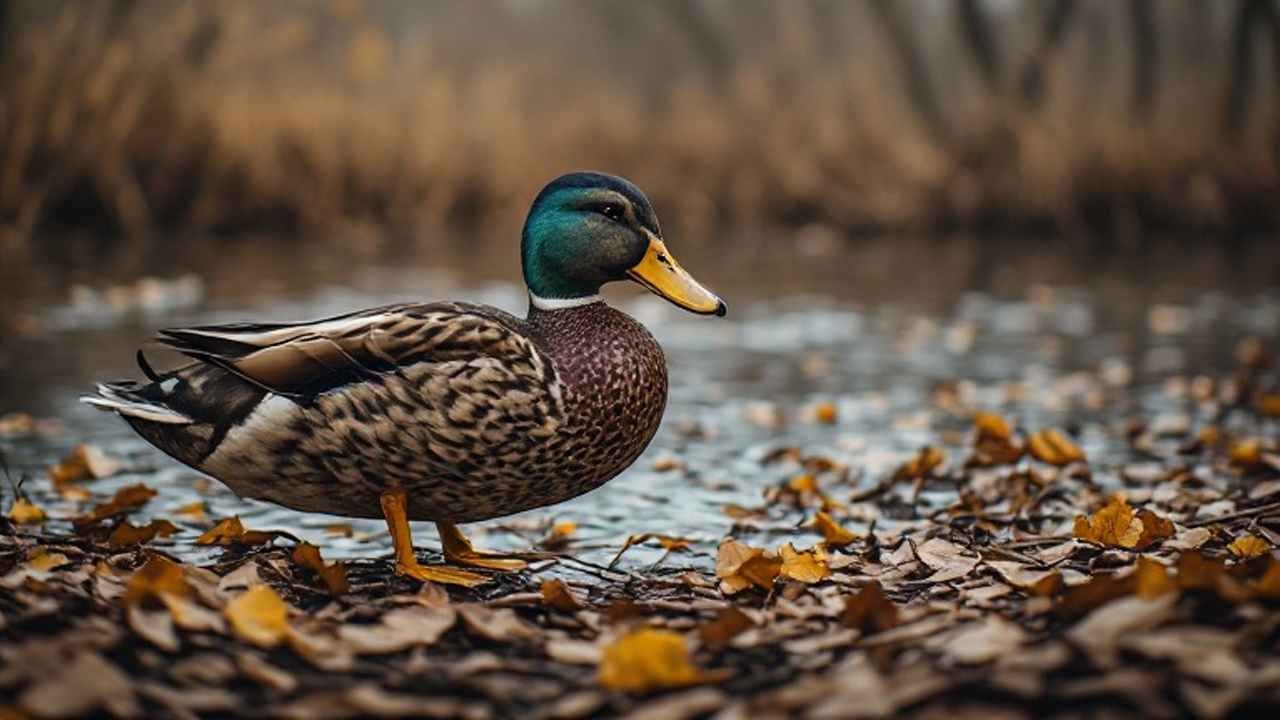
Virginia Duck Season Dates 2026-2027: Zones, Regulations & Limits
Virginia sits at the crossroads of the Atlantic Flyway, and its Chesapeake Bay shoreline, tidal rivers, and coastal marshes host some of the best waterfowl hunting on the East Coast. The Virginia duck season 2026-2027 runs in three segments from early October through the end of January, with a single statewide duck season, an early teal season split along I-95, and special youth and veteran waterfowl days in October and February.
Before you head afield, know this: migratory bird regulations are set jointly by the U.S. Fish and Wildlife Service (federal frameworks) and the Virginia Department of Wildlife Resources (DWR), and they can change from year to year. Always verify current rules with DWR before hunting. Here is everything you need to plan your 2026-2027 Virginia waterfowl season.
Virginia Duck Season 2026-2027 at a Glance
| Information | 2026-2027 Details |
|---|---|
| Regular Duck Season | Oct 9–12, 2026 (black duck closed) • Nov 18–29, 2026 • Dec 19, 2026 – Jan 31, 2027 |
| Hunting Zones | Single statewide duck season; early teal splits East/West of I-95 |
| Daily Bag Limit | 6 ducks (species sub-limits apply) |
| Possession Limit | 3× the daily bag limit (18 ducks), per federal possession rules; teal season 18 in possession |
| Shooting Hours | One-half hour before sunrise to sunset |
| Youth Waterfowl Days | Oct 24, 2026 & Feb 6, 2027 |
| Veteran/Military Days | Oct 24, 2026 & Feb 6, 2027 |
| Early Teal Season | Sep 19–27, 2026 (East of I-95) • Sep 22–27, 2026 (West of I-95) |
| Required License | Virginia hunting license (residents under 12 exempt) |
| Virginia Waterfowl Stamp | Virginia Migratory Waterfowl Conservation Stamp — $10 (through Sep 30, 2026); $15 (from Oct 1, 2026) |
| Federal Duck Stamp | $25 — required for hunters 16 and older |
| HIP Registration | Free — required for all migratory bird hunters |
All 2026-2027 dates above are the officially published regulations of the Virginia Department of Wildlife Resources. Source: Virginia DWR Migratory Game Birds
Virginia Duck Season Dates for 2026-2027
Virginia’s regular duck season is a single statewide season split into three segments — a 4-day opener, a 12-day late November segment, and a long winter segment that carries into January. Combined, that’s the full 60 days the Atlantic Flyway allows.
| Segment | Season Dates (2026-2027) | Notes |
|---|---|---|
| Segment 1 | October 9–12, 2026 | Black duck CLOSED during this segment |
| Segment 2 | November 18–29, 2026 | No species closures |
| Segment 3 | December 19, 2026 – January 31, 2027 | Includes the New Year period through Jan 31 |
Plus, mark these on your calendar:
- Youth and Veterans Waterfowl Hunting Days: October 24, 2026 and February 6, 2027 (statewide)
- Early Teal Season: September 19–27, 2026 (East of I-95) and September 22–27, 2026 (West of I-95)
Opening day is October 9, 2026, and the season closes statewide on January 31, 2027.
Virginia Duck Hunting Zones
Here’s a common point of confusion simplified: Virginia does not divide its regular duck season into separate hunting zones. The October, November, and December-January duck seasons apply uniformly across the entire state. You do not need to figure out which duck zone you’re in before hunting ducks in Virginia.
That said, two waterfowl seasons do use geographic splits:
- Early teal season is split by Interstate 95. East of I-95, teal season runs September 19–27; west of I-95, it runs September 22–27.
- Canada goose seasons use population zones (the Atlantic Population Zone and the Resident Population Zone), each with its own dates and bag limits. If you’re also hunting geese, confirm which goose zone applies to your hunting location.
For ducks, the simple statewide season means the rules are the same whether you’re hunting a Rappahannock River marsh, a Back Bay pothole, or a farm pond west of the mountains. DWR publishes goose zone maps on its website; there’s no separate duck zone map because none is needed for 2026-2027.
Virginia Duck Season Bag Limits
The daily duck bag limit in Virginia is 6 ducks, with strict species-specific sub-limits inside that total. Here is the complete 2026-2027 breakdown:
| Duck Species | Daily Limit | Important Restrictions |
|---|---|---|
| Total Ducks | 6 | Overall daily bag limit |
| Mallard (total) | 4 | Of which no more than 2 hen mallards |
| Wood Duck | 3 | — |
| Black Duck | 2 | Closed entirely Oct 9–12, 2026 |
| Northern Pintail | 3 | — |
| Canvasback | 2 | — |
| Redhead | 2 | — |
| Scaup | 1 (first 40 days) / 2 (last 20 days) | 1/day Oct 9–12, Nov 18–29, Dec 19–Jan 11; 2/day Jan 12–31 |
| Mottled Duck | 1 | — |
| Fulvous Whistling Duck | 1 | — |
| Sea Ducks (total) | 4 | No more than 3 scoters; no more than 3 eiders (only 1 hen eider); no more than 3 long-tailed ducks |
| Harlequin Duck | 0 | Closed |
| Mergansers | Count toward the 6 | Any combination of hooded, red-breasted, and common mergansers |
Possession limit: Virginia follows the federal possession rule of three times the daily bag limit — so after the first day of the season, you may possess up to 18 ducks. During early teal season, the possession limit is explicitly 18.
A few practical notes: black ducks are protected during opening weekend, scaup limits tighten early in the season and open to 2 birds in January, and sea duck seasons come with their own sub-limits (with only one hen eider allowed). Take the time to identify every bird before you shoot — hen mallards and hen eiders in particular get people in trouble.
Species limits verified from the official 2026-2027 DWR migratory game bird regulations.
What License Do You Need to Hunt Ducks in Virginia?
Virginia Hunting License
Every duck hunter in Virginia needs a valid Virginia hunting license unless specifically exempt. That means:
- Residents 16 and older must hold a resident hunting license.
- Nonresidents must hold a nonresident hunting license.
- Resident youth under 12 are exempt from the license requirement (and from hunter education). Nonresident youth under 12 do need a license but not hunter education. All hunters under 12 must be accompanied and directly supervised by a licensed adult.
- License-exempt categories include resident or nonresident landowners (and immediate family) hunting on their own land; tenants residing on the land with written permission; residents 65 and older hunting on private property in their county or city of residence; Virginia-recognized tribal members residing in the Commonwealth; and others. Even license-exempt hunters must still register for HIP and follow all season and bag rules.
Virginia Migratory Waterfowl Conservation Stamp
Along with your hunting license, Virginia requires the Virginia Migratory Waterfowl Conservation Stamp for hunters 16 and older pursuing migratory waterfowl (unless license-exempt). The fee is $10.00 through September 30, 2026, and increases to $15.00 on October 1, 2026, as part of DWR’s approved fee adjustment. It’s required for teal season, regular duck season, goose, brant, and swan hunting.
Federal Duck Stamp
The Federal Migratory Bird Hunting and Conservation Stamp — better known as the Federal Duck Stamp — is required of all waterfowl hunters 16 years of age and older in Virginia.
- The 2026-2027 Federal Duck Stamp costs $25 and is valid July 1, 2026 through June 30, 2027. (98% of proceeds fund wetland habitat for the National Wildlife Refuge System.)
- Virginia participates in the federal E-Stamp program — you can buy an electronic Federal Duck Stamp (E-Stamp) online through GoOutdoorsVirginia or other participating state portals and hunt immediately; a physical stamp is mailed to you between March and June.
- If you hold a paper stamp, sign it across the face in ink and carry it on your person while hunting — that’s a federal requirement.
HIP Registration
The Harvest Information Program (HIP) registration is free and mandatory for every hunter of migratory birds — ducks, geese, doves, woodcock, snipe, rails, coots, and gallinules — including hunters who are otherwise license-exempt. HIP registration must be renewed each year on July 1. In Virginia you register online at GoOutdoorsVirginia.com or by calling 844-802-4193.
Requirements Summary
| Requirement | Resident | Nonresident | Notes |
|---|---|---|---|
| Hunting License | ✔ (exemptions apply) | ✔ | Residents under 12 exempt; nonresidents under 12 need license |
| HIP Registration | ✔ | ✔ | Free; required even if license-exempt; renew annually Jul 1 |
| Virginia Migratory Waterfowl Conservation Stamp | ✔ (16+) | ✔ (16+) | $10 → $15 effective Oct 1, 2026 |
| Federal Duck Stamp | ✔ (16+) | ✔ (16+) | $25; E-Stamp available; valid Jul 1–Jun 30 |
Virginia Duck Hunting License Costs for 2026-2027
DWR’s Board of Wildlife Resources approved a fee adjustment in 2026, so there are two price columns for the 2026-2027 season. All duck hunting (which begins October 9) falls after the October 1, 2026 effective date, so plan for the new rates:
| License or Permit | Resident Cost | Nonresident Cost |
|---|---|---|
| One-Year Hunting License (16+) | $23.00 through Sep 30, 2026 → $28.00 from Oct 1, 2026 | $111.00 through Sep 30, 2026 → $136.00 from Oct 1, 2026 |
| Virginia Migratory Waterfowl Conservation Stamp | $10.00 → $15.00 (Oct 1, 2026) | $10.00 → $15.00 (Oct 1, 2026) |
| Federal Duck Stamp | $25.00 | $25.00 |
| HIP Registration | Free | Free |
- Youth: Resident youth under 12 are license-exempt; hunters 12 and older need a license (youth pricing varies — check current rates on GoOutdoorsVirginia.com). DWR also offers lifetime licenses.
- Nonresidents: A short-term nonresident hunting license is available for brief trips; confirm the current fee on the official license portal rather than relying on third-party figures.
Fee figures verified from DWR’s official license and fee schedule.
Youth Waterfowl Hunting Days in Virginia
Virginia sets aside two Youth Waterfowl Hunting Days each season — statewide days when young hunters get the waterfowl marshes to themselves (more or less):
- October 24, 2026
- February 6, 2027
Eligible youth are 15 years of age and under. Rules you need to know:
- Youth may take the full daily bag limit of ducks and other waterfowl, including Atlantic brant, coots, mergansers, gallinules, light geese, and the applicable Canada goose limit (2 in the Atlantic Population Zone, 5 in the Resident Population Zone).
- Each youth must be accompanied and directly supervised by an adult at least 18 years old who holds a valid Virginia hunting license (unless the adult is license-exempt).
- The accompanying adult may NOT hunt ducks during youth days — unless the adult is a military veteran (who qualifies as a participant). Adults may hunt other species that are in season.
- Resident youth 12–15, nonresident youth 15 and under, and all participants must be HIP registered.
- Resident youth under 12 don’t need a license; hunting licenses and stamps otherwise apply as during the regular season.
Veteran and Active-Duty Military Waterfowl Hunting Days
The same two dates — October 24, 2026 and February 6, 2027 — serve as Veterans and Active-Duty Military Waterfowl Hunting Days:
- Who qualifies: military veterans (as defined in Section 101 of Title 38, U.S. Code) and members of the Armed Forces on active duty, including National Guard and Reserve members on active duty (other than for training).
- Veterans and service members may take the full daily bag limit of ducks and other waterfowl on these days.
- Veterans need a valid Virginia hunting license (unless license-exempt) and must be HIP registered, along with the usual stamps for anyone 16 and older.
- Because veterans are participants rather than “accompanying adults,” a veteran can hunt ducks alongside a youth hunter on these days.
- Bag limits are the standard daily limits — these are not reduced-bag special hunts.
These days are separate from the regular season segments in that they occur outside the regular duck season schedule (Oct 24 falls between segments, Feb 6 after the season closes), giving youth and veterans additional hunting opportunity without extending the general season.
Early Teal Season in Virginia
Yes — Virginia offers an early teal season in September, and it’s a great way to open the waterfowl year:
- East of I-95: September 19–27, 2026
- West of I-95: September 22–27, 2026
Only blue-winged teal and green-winged teal are legal (any combination of the two). The daily bag limit is 6 teal, possession limit 18, with shooting hours the same as the regular season (one-half hour before sunrise to sunset).
Even in September, you need the full waterfront toolkit: a Virginia hunting license (unless exempt), HIP registration, a Federal Duck Stamp (16+), and the Virginia Migratory Waterfowl Conservation Stamp (unless license-exempt). Non-toxic shot is required, just as in the regular duck season.
Virginia Duck Hunting Shooting Hours
One-half hour before sunrise until sunset — that’s the legal shooting time for all waterfowl seasons in Virginia, including early teal, regular duck season, goose, brant, and swan seasons. There is no variation for the early teal season.
Sunrise and sunset times shift through the season, so it pays to check a sunrise/sunset table for your exact location as each hunt approaches (DWR links to the U.S. Naval Observatory calculator). Also remember some WMA or refuge units may impose their own access or shooting restrictions — check local property rules before you set up.
Where Can You Hunt Ducks in Virginia?
Public Land
Virginia’s public waterfowl hunting spans a wide range of habitats:
- DWR wildlife management areas (WMAs) — many WMAs with wetlands, river bottoms, and impoundments are managed for waterfowl. Hog Island WMA on the James and Princess Anne WMA in the coastal plain are among the top waterfowl destinations, with several WMAs offering managed blind hunts.
- National wildlife refuges — Back Bay National Wildlife Refuge, Chincoteague NWR, and other federal refuges host waterfowl hunting under refuge-specific seasons and rules. Waterfowl hunting is restricted in some refuge areas (for example, within the Presidential Proclamation Boundary at Back Bay), so always read the refuge’s hunt plan before going.
- Tidal rivers and the Chesapeake Bay — public waters of the Bay, the Potomac, Rappahannock, York, and James rivers, and coastal waters around the Eastern Shore and Back Bay offer extensive hunting, subject to Virginia’s waterfowl blind laws.
Each public area can have its own season dates, blind rules, and access requirements — confirm the specific WMA or refuge rules for wherever you plan to hunt.
Private Land
If you hunt private land, you need permission from the landowner — Virginia trespassing law applies, and hunting without permission is a serious violation. Many of Virginia’s best duck hunts are on privately managed wetland and agricultural ground, particularly in the Tidewater and Northern Neck regions. Always secure written permission where practical and know exactly where your permission boundaries are.
Public Hunting Draws and Reservations
Virginia uses several special-permit systems for waterfowl:
- Tundra swan permits: Virginia’s swan season runs under a drawing — the 2026-2027 application deadline is September 25, 2026, and DWR issues no more than 475 swan hunting permits. Apply through DWR’s swan permit drawing.
- Quota and managed hunts: DWR operates quota waterfowl hunts on select WMAs (e.g., Hog Island WMA blind hunts, Princess Anne WMA waterfowl hunts), with applications taken ahead of the season through DWR’s Quota Hunts program. Watch DWR’s quota hunt pages for announcement dates and deadlines — they’re typically posted in late summer.
- Waterfowl blind licenses: Virginia licenses stationary blinds, floating blinds, and offshore blind stakes on public waters through GoOutdoorsVirginia. Spacing rules apply (generally 500 yards between licensed stationary blinds, with consent exceptions), blinds may not sit in water deeper than 8 feet at mean high tide, and licensed blinds must be removed when the license expires. A stationary blind license requires a hunting license, the Virginia Migratory Waterfowl Conservation Stamp, and a Federal Duck Stamp. Special local rules apply in Fairfax, Prince William, and Stafford counties (e.g., no blind more than 300 yards from shore).
- Dutch Gap quota hunt: Waterfowl hunting in the Dutch Gap area of the James River (Chesterfield County) is open only during a special DWR quota hunt.
Important Virginia Duck Hunting Regulations
- Non-toxic shot only — steel and other approved non-toxic shot are required for all waterfowl, mergansers, and coots (and also rails, gallinules, and snipe). Lead is prohibited.
- Plugged shotguns — shotgun capacity for migratory birds is limited to three shells (magazine plug required), per federal regulations.
- No electronic calls — electronic or recorded calls are prohibited for waterfowl hunting.
- Baiting is illegal — hunting ducks over bait or in a baited area is a federal violation; DWR links to the USFWS waterfowl baiting rules and carves out crop-failure exceptions only where they meet “normal agricultural practice” standards.
- Identify before you shoot — you’re responsible for identifying species and sex before firing (hen mallards, hen eiders, black ducks, and closed species all carry hard limits).
- Retrieval and wanton waste — make a reasonable effort to retrieve all downed birds; wanton waste is illegal.
- Shooting hours — one-half hour before sunrise to sunset, no exceptions.
- Crippled or lost birds — DWR’s 2026-2027 rules include provisions for pursuing crippled waterfowl; check the current guide for details specific to your hunting area.
- Blind rules — comply with waterfowl blind spacing, placement, marking, and removal laws on public waters.
Best Ducks to Hunt in Virginia
Virginia’s waterfowl hunting spans two distinct worlds: dabbling ducks in the marshes, rivers, and impoundments of the Coastal Plain, and diving ducks and sea ducks on the Chesapeake Bay and open Atlantic.
- Mallard — The backbone of the Virginia duck season. Found statewide on tidal rivers, beaver swamps, WMA impoundments, and flooded agricultural fields, with numbers building through November and into the late season. The 4-bird limit (2 hens) makes it the most important species for most hunters.
- Wood Duck — A classic early-season target; abundant in the wooded swamps and river oxbows of the Piedmont and Coastal Plain. Striking birds that respond well to calling and decoys in small waters.
- American Black Duck — A signature Atlantic Flyway species and a Virginia favorite on Back Bay, the Eastern Shore, and coastal marshes. Black ducks are closed during the October 9–12 segment, then a 2-bird sub-limit applies.
- Northern Pintail — Elegant, early-arriving dabblers of open marshes and tidal flats, particularly around Back Bay and the lower Chesapeake.
- Gadwall and American Wigeon — Widespread on tidal rivers, reservoirs, and bay shallows; often mixed into mallard spreads in the late season.
- Blue-winged and Green-winged Teal — Blue-wings dominate the September early season; green-wings are a staple through the regular season on shallow ponds and marsh edges.
- Canvasback, Redhead, and Scaup — The classic Chesapeake Bay divers. Canvasbacks and redheads (2-bird limits) and scaup (1–2 birds depending on the segment) are pursued where open water meets eelgrass beds and bay shallows.
- Ring-necked Duck, Bufflehead, and Mergansers — Ringnecks flood freshwater impoundments and inland lakes; buffleheads and mergansers (hooded, red-breasted, common) work tidal rivers and bay points all season.
- Sea ducks (scoters, eiders, long-tailed ducks) — Hunted along Virginia’s Atlantic coast and lower Bay waters under the 4-sea-duck aggregate limit (3 each of scoters, eiders, and long-tailed ducks; one hen eider max). Virginia maintains a special sea duck hunting area along the coast, and Back Bay and its tributaries fall outside that area for 2026-2027.
General migration patterns in Virginia follow cold fronts: teal and early ducks arrive in September, mallards and black ducks build through November-December as northern waters freeze, and divers and sea ducks peak on the Bay mid-winter. Local conditions vary, so scout your specific water.
Tips for Hunting During the Virginia Duck Season
- Scout like a waterfowler — Water levels dictate everything in Virginia. Impoundments and tidal marshes change weekly; confirm access and conditions the day before you hunt. WMA announcements, tide tables, and rainfall matter as much as decoy selection.
- Play the weather — Big pushes of mallards and black ducks into Virginia’s rivers and bay marshes come on strong north and northwest winds and hard frosts. Cloudy, windy days beat bluebird days almost every time.
- Match your spread to the water — Dabbler rigs of 6–18 decoys work on tidal creeks and farm ponds; diver rigs of 50–100+ blocks pay off on the Bay’s open water. Add confidence decoys (Canada geese in the mix) where geese are present.
- Call with restraint on pressured waters — Coastal and river birds see heavy pressure by November. Soft, sparing mallard feeding and greeting calls often outperform aggressive calling on late-season Virginia birds.
- Concealment in marsh and river cover — Use natural marsh grass and bank vegetation; a brush-in against phragmites or cordgrass matters more than an elaborate layout blind on many Virginia waters.
- Mind the wind and sun — Set up downwind of your decoys with the sun at your back so incoming birds cup into the spread without staring you down.
- Know your ducks before you shoot — With hen mallard, hen eider, and black duck restrictions plus a closed harlequin season, quick in-flight identification is a legal skill, not just good etiquette.
- Check tides and access — Tide-driven marshes around the Bay and Back Bay can strand boats or flood blinds; check tide tables and plan your exit before shooting light.
- If you’re planning trips around the upper Bay and Potomac, seasons just across the river run on the same flyway — our Maryland duck season guide covers dates and zones to the north. And if you hunt Back Bay, the marsh flats at Currituck Sound are a short boat ride away — see our North Carolina duck season guide for the season next door.
Frequently Asked Questions About Virginia Duck Season
When does duck season open in Virginia for 2026-2027?
Opening day is October 9, 2026, running through October 12. The season then resumes November 18–29 and December 19, 2026 – January 31, 2027. The early teal season opens September 19 (east of I-95) or September 22 (west of I-95).
What is the daily bag limit for ducks in Virginia?
Six ducks per day, with sub-limits of 4 mallards (2 hens max), 3 wood ducks, 2 black ducks, 2 canvasback, 2 redheads, 3 pintails, 1 mottled duck, 1 fulvous whistling duck, and scaup at 1/day for the first 40 season days and 2/day for the final 20. Sea ducks are capped at 4 total.
Do I need a federal duck stamp to hunt ducks in Virginia?
Yes, if you’re 16 or older. The 2026-2027 Federal Duck Stamp costs $25, is valid July 1, 2026 – June 30, 2027, and can be bought as an E-Stamp online. Sign paper stamps across the face and carry them while hunting.
What is the Virginia Migratory Waterfowl Conservation Stamp?
It’s Virginia’s own waterfowl stamp, required for hunters 16 and older (unless license-exempt) in addition to the federal stamp. It costs $10 through September 30, 2026, and $15 from October 1, 2026. Habitat-buying dollars from Virginia hunters fund wetland conservation through the state stamp program.
Is HIP registration required in Virginia, and what does it cost?
Yes — HIP (Harvest Information Program) registration is required for every migratory bird hunter in Virginia, including license-exempt hunters. It’s free, must be renewed annually on July 1, and can be completed online at GoOutdoorsVirginia.com or by calling 844-802-4193.
Can kids hunt ducks in Virginia?
Yes. Resident youth under 12 don’t need a license; youth 12–15 need a hunting license (unless exempt) and all youth must be HIP registered. On Youth Waterfowl Hunting Days (Oct 24, 2026 and Feb 6, 2027), hunters 15 and under may take the full daily bag limit with an adult 18+ supervising — though the adult can’t hunt ducks unless they’re a veteran.
Does Virginia have multiple duck hunting zones?
No — the regular duck season is statewide and uniform in 2026-2027. The only geographic splits are early teal (East vs. West of I-95) and Canada goose population zones. Don’t worry about “duck zones” for planning your Virginia hunt.
What are the legal shooting hours for ducks in Virginia?
One-half hour before sunrise until sunset for all waterfowl seasons, including early teal. No exceptions.
Before You Hunt: Check the Latest Virginia Regulations
Migratory bird frameworks, public land rules, emergency closures (weather, disease, habitat conditions), and special restrictions can change at any time. The details in this guide reflect the officially published 2026-2027 regulations as of September 15, 2026 — but the legal source of truth is always the official Virginia Department of Wildlife Resources migratory game bird regulations. Check that page, the current season guide PDF, and any WMA or refuge-specific rules immediately before you hunt, and confirm your licenses, stamps, and HIP registration are valid for the day you’re heading out.