
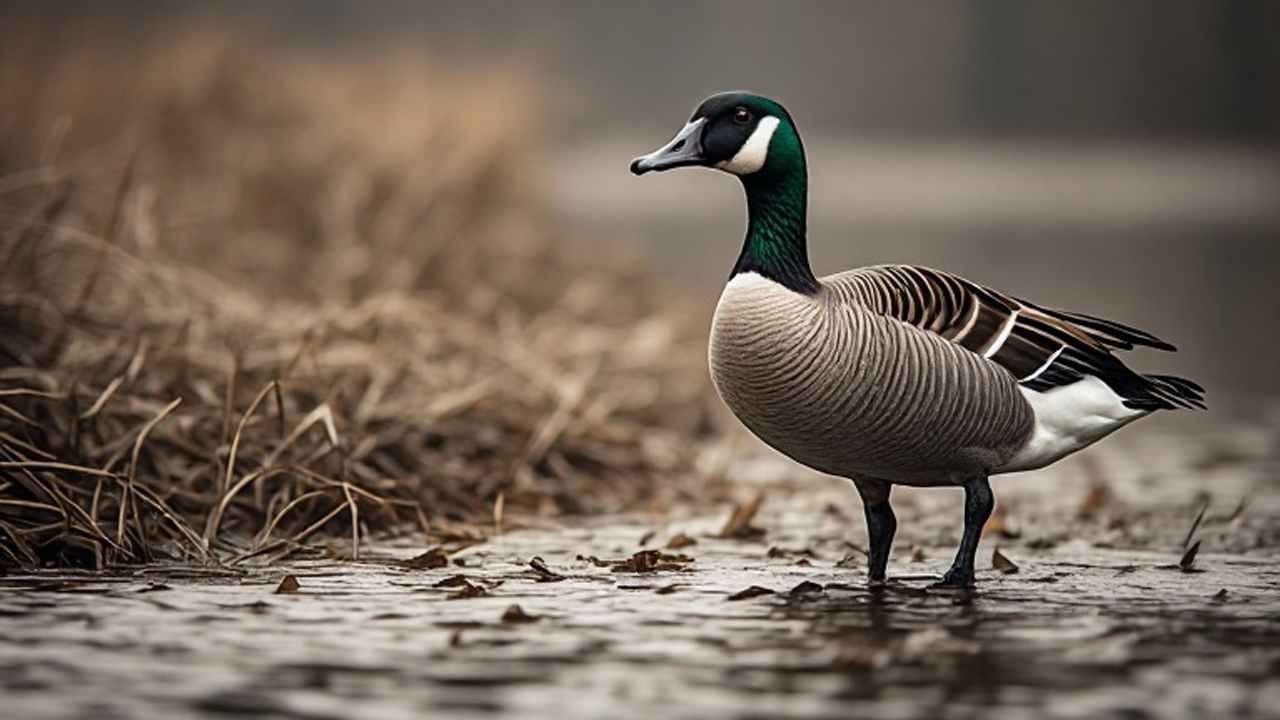
Goose Hunting Migration 2026: When & Where to Hunt Geese in November and December
The 2026 goose migration arrives in three distinct waves — early-fall staging on the prairies, a hard-freeze push through November that funnels Canada geese and snow geese down the Mississippi and Central flyways, and December concentrations across the southern tier, where honkers, specks, and snows hold until the Light Goose Conservation Order opens in February. The strongest November action in 2026 will sit in the Dakotas, Minnesota, Kansas, Missouri, and northern Illinois, while December shifts the spotlight to Tennessee, Arkansas, Virginia, the Carolinas, Texas, and the Pacific flyway’s California zones. State season frameworks for 2026–27 are already published, and the pattern holds across the board: dark goose limits around three birds daily, snow and light goose limits of 20 to 25, and conservation-order windows that run from February into April.
Here’s the honest part every outfitter knows but most pages skip: the dates printed in regulation booklets rarely match the day the birds actually show up. I’ve sat in layout blinds through windless, 40-degree mornings when the sky stayed completely empty — then watched one cold front dump 20,000 honkers into a picked cornfield overnight. That gap between the legal season and the real season is where most hunters lose their winter. This guide breaks down the actual 2026 migration timeline flyway by flyway, so you’re standing in the right state on the right week, not just the legal one.
Why November and December Define the Entire Goose Season
Migratory geese are creatures of weather, not calendars. November delivers the calendar’s most reliable trigger — the first hard freeze across the northern prairie pothole region — which kills aquatic vegetation and wipes out roosting water, forcing birds south in massive pulses. December then rewards hunters who follow those birds to their wintering grounds. Consequently, the two months behave completely differently, and treating them the same is the fastest way to waste a season.
| Factor | November 2026 | December 2026 |
|---|---|---|
| Primary trigger | First hard freeze + first major cold fronts | Accumulated snow cover, frozen wetlands, shrinking open water |
| Bird movement | Fast, weather-driven pulses south | Slower, concentrated staging near final wintering areas |
| Best flyways | Central and Mississippi | Mississippi, Atlantic, and Pacific |
| Signature species | Canada geese, early snow geese | Snow geese, specklebellies, giant Canada geese, brant |
| Hunting style | Field hunts near fresh harvest | Mixed field hunts and open-water late-season setups |
| Hunter pressure | Moderate to high | Lower — many hunters have quit by now |
| Rewards for effort | Good to excellent | Often the season’s best shooting |
The 2026 Migration Timeline Worth Marking
Think of the migration as four distinct phases rather than one long drift. Each phase shifts where the birds are and what tactics actually work.
| Phase | Approximate window | What’s happening | Where hunters should be |
|---|---|---|---|
| 1. Prairie staging | Late September – mid-October | Geese stack up in Canada and the northern states, feeding heavily on waste grain | Saskatchewan to North Dakota; early seasons only |
| 2. First push | Late October – early November | Hard freeze in the prairies triggers the biggest single movement of the year | Dakotas, Minnesota, Montana, Wisconsin |
| 3. Mainline migration | Mid-November – early December | Waves of birds ride successive cold fronts into mid-latitude states | Kansas, Missouri, Illinois, Nebraska, Iowa, Ohio |
| 4. Southern concentrations | Mid-December – January | Birds lock onto wintering areas with reliable food and open water | Tennessee, Arkansas, Virginia, Texas, Oklahoma, California |
The single most important week of the entire 2026 season is the seven days after the first hard freeze in your region. Track it with your local weather service, not guesswork, because birds typically move within 48 hours of a genuine freeze event.
Species by Species: What Migrates When
Every goose species moves on its own schedule, and the November-versus-December split is different for each one. Here’s the practical breakdown.
| Species | November behavior | December location | Effective setups |
|---|---|---|---|
| Canada goose | Family groups migrate south in staggered waves; resident flocks mix with migrants | Deep South and mid-Atlantic; giants hold in Tennessee, Arkansas, Carolinas | Large field spreads of 100+ decoys; aggressive greeting calls |
| Snow goose | Early white flocks push through the northern plains | Lower Mississippi Alluvial Valley, coastal Texas, Louisiana | Massive spreads (500–1,000 dekes); e-callers; whiteout tactics |
| Ross’s goose | Travels with snow geese, smaller and quieter | Same southern staging zones as snows | Part of the mixed white-bird spread |
| White-fronted (specklebelly) | Specklebellies are front-of-the-pack migrators, early and fast | Texas Gulf Coast, Louisiana, central California | Smaller spreads of 40–80; soft whistling calls, not honks |
| Atlantic brant | Few in November; coastal pass-through | New Jersey to Virginia coastal bays | Tidewater blinds, sea grass beds, brant decoys in small sets |
Want to see the full hemispheric picture of where snow geese go week by week? The Audubon Bird Migration Explorer’s snow goose page tracks those movements with weekly distribution data — a genuinely useful tool for planning December trips.
Confirmed 2026–27 Season Frameworks (Verified with State Agencies)
These frameworks come straight from the agencies that publish them. All figures below were pulled from official 2026–27 documents this season; states not listed follow the same federal framework, so confirm local dates with your state wildlife agency before you book anything.
| State | Dark geese (Canada/brant) | Light geese (snow/blue/Ross’s) | Lady Conservation Order window | Notes |
|---|---|---|---|---|
| Tennessee | Sept 1–20 (limit 5); Oct 10–22, Nov 28–29, Dec 5–Feb 14, 2027 (limit 3) | Same segments as dark, limit 20/day | Feb 15–Mar 31, 2027 | White-fronted: Nov 28–29 and Dec 5–Feb 14, limit 3 |
| Virginia | AP zone Nov 24–29 + Dec 24–Jan 31; RP zone Nov 18–29 + Dec 19–Feb 21; Sept season Sept 1–25 | Regular season Nov 25, 2026–Mar 10, 2027, limit 25/day | Runs after the regular season in the hunt zone | Atlantic brant Dec 19–31 and Jan 15–31 |
| Missouri | Early Oct 3–11, 2026; regular Nov 11, 2026–Feb 6, 2027, limit 3 (possession 9) | Regular limit 20/day, no possession limit | Feb 7–Apr 30, 2027 | Combined Canada/brant/white-fronted/snow/Ross’s season framework |
| California | Zone-dependent: Northeastern Oct 3–Jan 10; Balance of State Oct 24–Jan 31 (limit up to 10 dark) | White geese up to 20/day in most zones | Feb–Mar late goose seasons by zone | Southern California zone: 23/day total; Colorado River: 24/day |
Missouri, for instance, keeps November 11 through February 6 as its main goose window — which means Missouri hunters get essentially the entire November push plus the December concentration in one continuous season. That’s the kind of detail worth planning an entire trip around.
Where the Birds Are: November vs December Hotspots by Flyway
| Flyway | Top November locations | Top December locations |
|---|---|---|
| Atlantic | New York, Vermont, Pennsylvania farm country | Virginia, Maryland, New Jersey coastal zones |
| Mississippi | North Dakota, Minnesota, Wisconsin, Iowa, Illinois | Tennessee, Arkansas, Missouri bootheel, Kentucky, Mississippi |
| Central | South Dakota, Nebraska, Kansas | Oklahoma, north Texas, Kansas wintering areas |
| Pacific | Oregon, eastern Washington, Idaho | California (Sacramento Valley, Klamath, San Joaquin), Nevada |
A rule of thumb I rely on: divide the country at I-70. In November, most of the serious numbers are north of that line. By the second week of December, the birds are almost uniformly south of it. Mark that mental line and it’ll tell you where to hunt better than any single report.
The Weather Triggers That Actually Move Geese
Not all cold weather moves birds. These six conditions, in rough order of importance, are what separate a genuine migration event from a quiet weekend:
- First hard freeze — temperatures at or below 28°F for several hours kill roosting habitat; expect movement within 48 hours.
- Sharp temperature drop — a 15-degree-plus plunge in one day pushes even reluctant birds.
- Strong north winds — sustained 20+ mph northerlies shove birds south and keep them low.
- Persistent snow cover — buries feed and forces movement faster than any other trigger.
- Falling barometric pressure — birds feel it before fronts arrive and often move ahead of visible weather.
- Moon phase — new moons restore normal daytime feeding flights; full moons push birds to feed at night instead.
Watch those signals together, and you can call the migration with surprising accuracy. If you want live, crowd-sourced reports on where the concentrations are forming right now, the Ducks Unlimited migration map aggregates reports from biologists and hunters across all four flyways — I check it before every trip.
Late-Season Tactics That Fill Limits
December birds are the smartest birds of the year. They’ve been shot at since September, and they do not make the same mistakes twice. Adjust accordingly:
- Go bigger on dekes. A November spread of 60–100 honkers can disappear against December’s huge flocks; push toward 150–200 for late-season field hunting.
- For snows, commit to a whiteout. If you’re chasing the migration’s white birds, 500 to 1,000 decoys plus an electronic caller is the baseline, not a luxury.
- Match your calling to the birds. Early season rewards aggressive greeting calls; late season rewards realistic, slower sequences — fewer full-body hail calls, more subtle clucks and moans.
- Hunt the food, not the water. Post-harvest corn and soybean fields hold December geese far more than open water in most flyways.
- Scout daily, not weekly. Late-season flocks shift feeding fields every day under hunting pressure; last Saturday’s hotspot is often this Saturday’s empty field.
- Get in position early. The dark-to-first-light window is short in December, and birds move on schedule. Being set up 45 minutes before shooting time isn’t early — it’s late.
While you’re building out your full winter plan, remember geese aren’t the only game left on the calendar. Our winter hunting species guide covers what else you can chase after the big-game seasons close, so your gear and licenses keep earning their keep.
Mistakes That Cost Hunters Their Winter Hunts
| Mistake | Why it hurts | The fix |
|---|---|---|
| Hunting dates, not weather | You’re legal but the birds aren’t there | Time trips to freeze events and cold fronts |
| Oversized setups in small fields | Educated December birds flare | Match spread size to field size and flock density |
| Staying on one hot spot | Pressure moves flocks overnight | Build a rotation of 3–5 scouted fields |
| Overcalling shy birds | Late-season flocks shut down on aggressive calling | Dial it back; silence often outperforms calling |
| Ignoring the conservation order | You miss the year’s highest-volume hunting | Learn the Light Goose Conservation Order rules for your state |
| Skipping legal paperwork | Fines and lost hunts over licenses and HIP registration | Get your migratory game bird license and HIP certification before opening day |
Frequently Asked Questions
When do snow geese actually reach the southern states in 2026?
Expect the first meaningful snow goose numbers in Missouri, Arkansas, and Tennessee between mid-November and early December, with the heaviest concentrations building from Christmas into January. Virginia’s regular light goose season, for reference, opens November 25 and runs into March.
What exactly triggers the big November push of Canada geese?
The first hard freeze across the northern prairies — typically between late October and mid-November depending on latitude. Once roosting water freezes solid and waste grain gets buried by snow, resident migrants have no reason to stay, and they leave in bunches within 48 hours.
Do I need a special permit for the Light Goose Conservation Order?
Yes, in most states. The conservation order runs after the regular season (typically February into April), requires the same licenses plus a free or low-cost permit, and allows methods like electronic callers and unplugged shotguns that regular seasons prohibit.
Which flyway is carrying the most geese in December 2026?
Reports from agencies and migration-tracker pages point to the Mississippi Flyway leading, with above-average concentrations reported in northern Illinois and strong numbers building in the Lower Mississippi Alluvial Valley. The Central Flyway through Kansas and Oklahoma is running close behind.
Is December genuinely better than November for giant Canada geese?
For sheer volume, November usually wins in the upper Midwest. For mature, giant Canada geese, December is often more productive in the South — the big birds push farthest south, and by then hunting pressure has thinned the casual crowd.
Can one 12-gauge and steel shot handle snow geese and honkers alike?
Yes. A 12-gauge with 3-inch or 3.5-inch shells, BB through 2-shot steel, covers both species across the flyways. Pattern your gun before the trip, because late-season birds are rarely close — most shots land at 35 to 45 yards.
Conclusion
The hunters who fill their straps in November and December 2026 won’t be the ones with the best gear — they’ll be the ones who chased weather instead of calendar dates. Freeze, front, snow cover, then move south with the birds. That’s the whole game, and now you’ve got the map. If you’re planning a full-season strategy across species, our state-by-state hunting season hub keeps every legal window in one place so nothing closes before you get out there.