
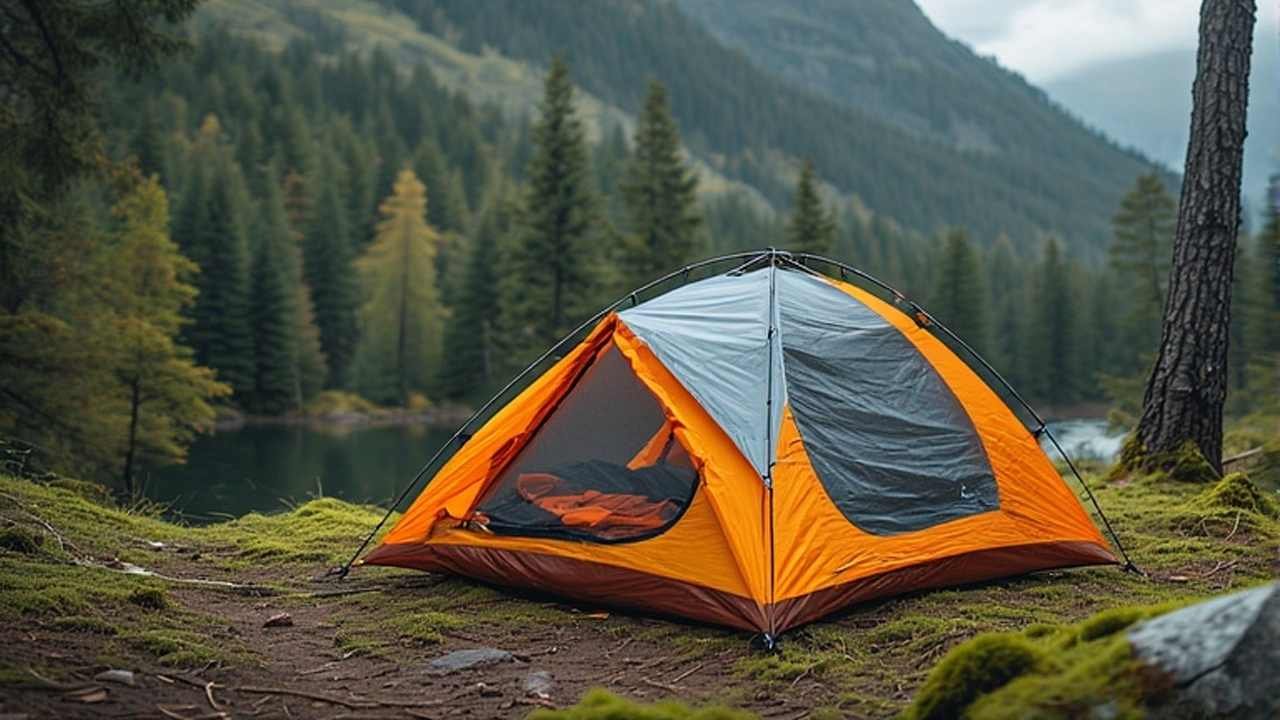
Best Lightweight Backpacking Tents for 2026: Tested & Reviewed
Choosing the right shelter is one of the most critical decisions a backpacker can make. The best lightweight backpacking tents for 2026 expertly balance minimal weight, reliable weather protection, and livable space, allowing you to travel farther and more comfortably without being weighed down. This year’s top models from brands like Big Agnes, Zpacks, and Durston showcase innovations in durable, lightweight fabrics and smart designs that maximize interior room. Our guide cuts through the clutter with detailed lists and comparisons to help you find the perfect tent, whether you’re a solo ultralight hiker or need a spacious shelter for two.
The market for lightweight shelters has never been stronger, offering everything from traditional freestanding tents to ultra-minimalist trekking pole shelters. Advances in materials like Dyneema Composite Fabric (DCF) and high-tech polyesters have pushed weights to new lows while maintaining durability. This article provides a comprehensive breakdown of the top-performing tents of the year, organized into easy-to-scan lists and data-driven tables. We’ve categorized the top shelters to help you quickly identify the best options for your specific needs, budget, and hiking style.
Our Top Picks at a Glance
After extensive testing and research, these models stand out as the best lightweight backpacking tents of 2026 across key categories.
| Tent Model | Category | Best For | Weight (min) | Price (Guide) |
|---|---|---|---|---|
| Big Agnes Copper Spur UL2 | Freestanding | Best Overall | 3 lbs | ~$550 |
| Zpacks Duplex | Trekking Pole | Best Ultralight | 1 lb 2.5 oz | ~$699 |
| Nemo Hornet Elite Osmo 2P | Semi-Freestanding | Best Balance | 2 lb 1.0 oz | ~$660 |
| Durston X-Mid 2 | Trekking Pole | Best Value | 1 lb 14.4 oz | ~$299 |
| REI Co-op Trail Hut 2 | Freestanding | Best Budget | 5 lb 15 oz | ~$229 |
Best Overall Lightweight Backpacking Tents
These tents represent the best all-around performance, offering an exceptional blend of low weight, comfort, and weatherworthiness for most backpacking scenarios.
- Big Agnes Copper Spur UL2: A long-time favorite, the Copper Spur continues to be a top recommendation for its winning combination of space, features, and weight. Its freestanding design with pre-bent poles creates steep, livable walls and a quick, easy setup. The 2026 version uses even lighter fabrics, bringing the packaged weight down to a scant 3 pounds.
- Key Features: Two large doors and vestibules, generous headroom, multiple interior pockets, and a hubbed pole system for easy pitching.
- Considerations: The premium price tag and lightweight fabrics require careful site selection to avoid damage.
- SlingFin Portal: Built for reliability in harsh conditions, the Portal doesn’t sacrifice strength for weight. It features a robust frame, internal guylines for exceptional wind stability, and high-quality materials. With ample headroom and a freestanding design, it’s a fantastic shelter for shoulder-season trips or exposed terrain where weather is a concern.
- Key Features: Excellent storm-worthiness, roomy interior, freestanding design, and the option to augment strength with trekking poles.
- Considerations: It is one of the more expensive models and can be slightly heavier than other top-tier freestanding options.
- NEMO Dagger OSMO 2: If you seek a tent that transitions seamlessly from backpacking to car camping, the Dagger is an ideal choice. It offers a palatial interior with long, rectangular floors and nearly vertical walls, providing plenty of room to relax during inclement weather. The innovative OSMO fabric resists sagging when wet, maintaining a taut pitch.
- Key Features: Extremely spacious, highly durable, quick and easy symmetrical setup, and includes a gear tub for vestibule organization.
- Considerations: The focus on space and durability means it carries more weight than other high-end backpacking tents.
Best Ultralight & Trekking Pole Tents
For hikers who prioritize the absolute lowest weight, trekking pole shelters are the ultimate solution. They use your hiking poles for structure, eliminating the need for heavy tent poles.
- Zpacks Duplex: A legendary shelter on long-distance trails, the Duplex is a masterpiece of ultralight engineering. Made from Dyneema Composite Fabric (DCF), it weighs as little as 1 pound 2.5 ounces yet provides enough space for two people. Its simple A-frame pitch with two trekking poles has sheltered thousands of thru-hikers in all conditions.
- Key Features: Incredible weight-to-space ratio, naturally waterproof fabric, and overlapping storm doors that eliminate failure-prone zippers.
- Considerations: Very expensive, and the DCF material can develop pin-sized holes at creases over time.
- Durston X-Mid 2: The X-Mid has disrupted the market by offering a highly intelligent, double-wall design at an astonishingly accessible price. The 2026 model weighs under 1 pound 14 ounces and features a unique offset pitch that provides excellent headroom and storm stability. The polyester fly doesn’t sag like nylon when wet, and the setup requires only four stakes.
- Key Features: Best-in-class value, double-wall design reduces condensation, easy and intuitive pitch, and durable hardware.
- Considerations: The silpoly fly will gradually lose waterproofing faster than Dyneema, and the footprint is larger than some competitors.
- Tarptent Aeon Li: For solo hikers, the Aeon Li is a top-tier one-person shelter. This single-pole DCF tent is storm-worthy, breathable, and features carbon fiber struts that create vertical walls and increase livable space. It’s a favorite for those who want a fully enclosed, ultra-light palace without the fuss of a more complex two-pole pitch.
- Key Features: Ultralight for a fully enclosed shelter, excellent ventilation for a single-wall tent, stable in wind, and roomy for one person.
- Considerations: The packed size is less compact due to its non-folding struts, and it is prone to condensation like all single-wall designs.
Best Budget-Friendly Lightweight Tents
High performance doesn’t always require a high price. These tents deliver exceptional value for backpackers watching their wallets.
- REI Co-op Trail Hut 2: For beginners or those who take shorter trips, the Trail Hut is a fantastic entry-point. It’s built with tough, durable materials that can handle some abuse, and it includes a footprint for extra protection. A ridge pole boosts headroom, making it feel far more spacious than its price suggests.
- Key Features: Very affordable, durable construction, includes a footprint, and surprisingly good weather protection.
- Considerations: The main drawback is its significant weight and bulk, making it less ideal for long-distance travel.
- Six Moon Designs Lunar Duo: This trekking pole tent offers a roomy, time-tested design without a sky-high price. With a generous 90-inch length and 54-inch width, it can comfortably accommodate two taller hikers or those using wide sleeping pads. The design is simple, effective, and focuses on providing maximum space for your money.
- Key Features: Spacious rectangular floorplan, affordable for a trekking pole shelter, and two large vestibules for gear storage.
- Considerations: The seams may require at-home sealing, and it is heavier than more modern ultralight designs.
- Durston X-Mid 2: Appearing again in this category, the X-Mid is such a standout value that it deserves a second mention. For under $300, it provides a design and feature set that competes with tents costing twice as much, making it the undisputed champion for budget-conscious buyers who don’t want to compromise on intelligent design.
Detailed Comparison Table: Top 2026 Models
Here’s a detailed comparison table of the best lightweight backpacking tents for 2026, using current gear roundups that consistently rank the same top models near the top. The best overall pick across multiple 2026 reviews is the Big Agnes Copper Spur UL2, while standout ultralight and value options include the Durston X-Mid 2, NEMO Hornet OSMO 3, and REI Trailmade 2.
| Tent | Best for | Capacity | Approx. weight | Approx. price | Notes |
|---|---|---|---|---|---|
| Big Agnes Copper Spur UL2 | Best overall lightweight backpacking tent | 2P | Light enough for backpacking; exact weight varies by version | $600 | Repeatedly ranked as the top all-around choice for balance of livability, weight, and ease of use. |
| SlingFin Portal | Harsh weather | 2P | Lightweight backpacking class | $610 | Better if you prioritize stormworthiness over minimum weight. |
| NEMO Dagger OSMO 2 | Car camping + backpacking crossover | 2P | Lightweight | $600 | Roomier, more versatile hybrid option. |
| Big Agnes Tiger Wall UL2 | Semi-freestanding ultralight | 2P | Ultralight class | $500 | Good compromise between weight savings and comfort. |
| NEMO Hornet OSMO 3 | Roomy lightweight option | 3P | Lightweight | $580 | Best if you want more space without moving into a heavy tent. |
| MSR Hubba Hubba LT 2 | Lightweight 2-person tent | 2P | Lightweight | $550 | Strong all-around 2P backpacking option. |
| Hyperlite Mountain Gear Unbound 2 | Ultralight premium pick | 2P | Ultralight | $795 | For hikers chasing very low pack weight. |
| Durston X-Mid 2 | Best value hybrid | 2P | Lightweight/ultralight hybrid | $319 | One of the strongest budget-to-performance values. |
| REI Half Dome 2 Plus | Budget backpacking tent | 2P | Lightweight | $370 | Good value when price matters more than shaving ounces. |
| REI Trailmade 2 | Most affordable | 2P | Lightweight | $199 | Lowest-cost mainstream pick in the 2026 roundups. |
Ultralight leaders
| Tent | Type | Capacity | Weight class | Why it stands out |
|---|---|---|---|---|
| Durston X-Mid Pro 2+ | Ultralight | 2P | Very light | Best two-person ultralight pick in one major 2026 roundup. |
| Durston X-Mid Pro 1 | Ultralight | 1P | Very light | Strong solo ultralight choice. |
| Zpacks Duplex Classic | Ultralight | 2P | Very light | Cult-favorite ultralight shelter. |
| Six Moon Designs Lunar Solo | Ultralight | 1P | Very light | Best-value ultralight solo option. |
| Hyperlite Mountain Gear CrossPeak 2 | Freestanding ultralight | 2P | Very light | Good if you want freestanding convenience with low weight. |
Quick buying guide
- Choose Copper Spur UL2 if you want the safest all-around recommendation.
- Choose Durston X-Mid 2 if you want the best value.
- Choose SlingFin Portal if you often camp in rough weather.
- Choose Zpacks or Hyperlite if cutting weight is your top priority.
Critical Buying Considerations for Lightweight Tents
Before you commit to a purchase, it’s essential to understand how different factors will impact your experience on the trail.
1. Tent Type: Freestanding vs. Semi-Freestanding vs. Trekking Pole
- Freestanding Tents: These tents, like the Big Agnes Copper Spur, have a rigid pole structure that allows them to hold their shape without being staked down. This makes them incredibly easy to pitch and allows you to move them around your campsite. The trade-off is that they are typically heavier due to the dedicated poles.
- Semi-Freestanding Tents: Models like the Big Agnes Tiger Wall or Nemo Hornet use poles for the main body but require a few stakes to tension the ends or vestibules. This design shaves ounces while retaining much of the convenience of a freestanding tent.
- Trekking Pole Tents: Shelters like the Zpacks Duplex and Durston X-Mid use your hiking poles for support. This is the lightest system available but requires you to always camp with trekking poles and generally involves a more involved setup process.
2. Capacity: How Many People?
A “2-Person” tent is often a cozy fit for two average-sized adults. If you have wider sleeping pads, value extra space for gear, or are taller, seriously consider a “2+P” or “3-Person” model. For example, the Big Agnes Copper Spur UL3 or Zpacks Triplex are popular choices for two people who want more livable space.
3. Weight: Packaged vs. Trail Weight
Pay close attention to the specifications:
- Trail Weight: The weight of only the tent body, rainfly, and poles—the bare minimum needed to function.
- Packaged Weight: This includes everything the tent is sold with: tent, fly, poles, stuff sacks, guylines, and all stakes. This is the most honest weight metric and what you will carry out of the store.
4. Seasonality and Weather Protection
Most lightweight tents are designed for three-season use (spring, summer, fall). For winter camping or above-tree-line expeditions, you would need a true 4-season tent, which is heavier. Key features for weather protection include:
- Rainfly Coverage: A full-coverage rainfly is essential for wind-driven rain.
- Ventilation: Look for multiple vents and mesh panels to reduce condensation buildup inside the tent.
- Bathtub Floor: A floor whose fabric extends several inches up the sides to prevent ground moisture from seeping in.
5. Material and Durability
Lightweight tents use thin, high-tech fabrics to save weight. Denier (D) is a common measure of thread thickness—a lower denier means a lighter but less durable fabric. The 15D to 30D fabrics common in UL tents require more care than the 68D+ fabrics on budget models. Always use a footprint or carefully clear your campsite of sharp debris.
Expert Tips for Tent Care and Maintenance
Protecting your investment ensures your tent will last for many seasons and adventures. For more great advice, check out our guide to avoiding common camping mistakes.
- Use a Footprint: A footprint protects the tent floor from abrasion and moisture, extending its life. Some manufacturers sell custom footprints, or you can make your own from Tyvek.
- Pitch on Soft Ground: Whenever possible, choose a tent site on soil, duff, or grass rather than rock or gravel.
- Practice Pitch at Home: Never take a new tent on a trip without setting it up first in your backyard or living room. This avoids frustrating and potentially unsafe situations in bad weather.
- Store It Loosely: After your trip, always store your tent loosely in a large breathable bag—never compressed in its tight stuff sack, as this can damage the waterproof coatings and laminate over time.
Final Recommendations and Verdict
The Big Agnes Copper Spur UL2 remains the gold standard for a freestanding tent that does everything well, offering the best mix of weight, space, and features for most backpackers. For the ultralight purist counting every ounce, the Zpacks Duplex is a proven, reliable shelter that has conquered countless long trails. If your priority is getting the most intelligent design for your money, the Durston X-Mid 2 is an unbeatable value that performs like tents costing hundreds more.
No single tent is perfect for everyone, but by focusing on your primary needs—whether that’s ultralight weight, maximum livability, or minimal cost—you can find the perfect shelter to make your 2026 adventures more comfortable and memorable. Remember to pair your new tent with the right supporting gear; a great resource for this is our ultimate camping checklist guide.