
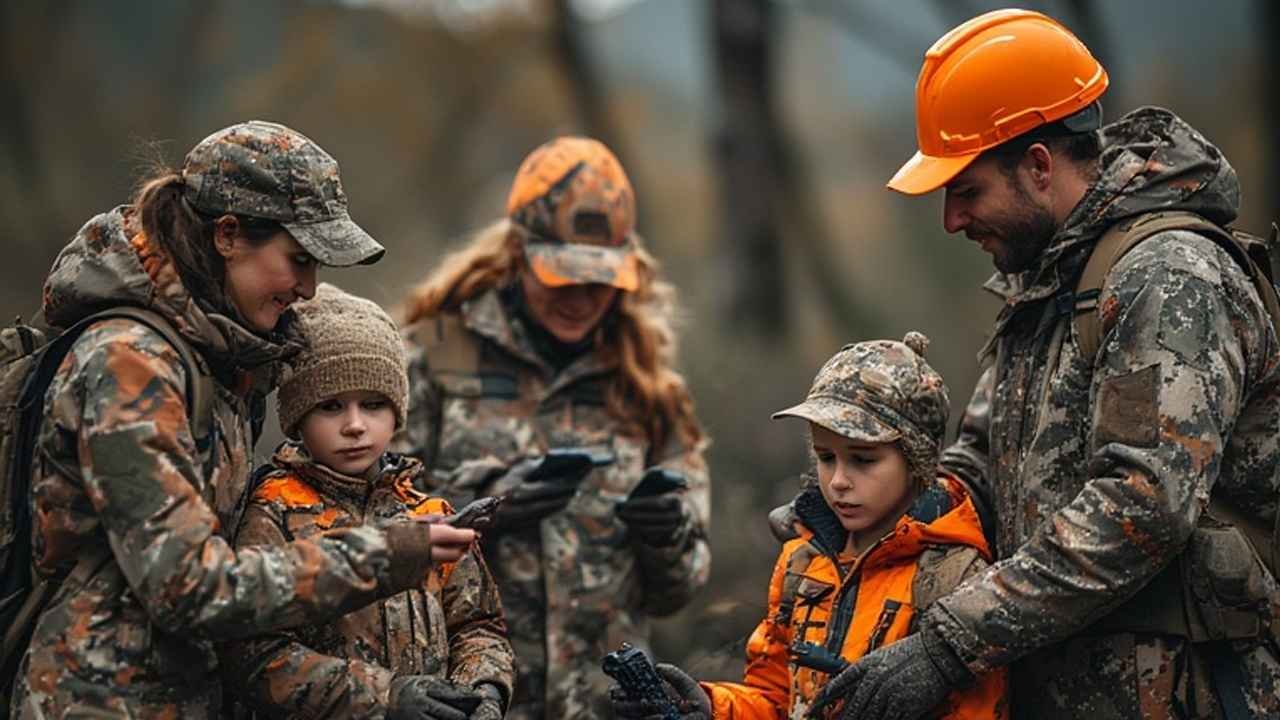
Hunting Safety Tips for Families and Youth Hunters
While teaching important outdoor skills and creating enduring memories, hunting with family and young hunters necessitates careful attention to safety procedures and enough preparation. Whether you’re organizing a multi-generational vacation or taking a youngster on their first hunting trip, knowing all the safety precautions to take protects everyone and guarantees enjoyable experiences that promote a lifetime respect for ethical hunting methods. Families must learn several safety skills before entering the outdoors, from choosing the right weaponry and teaching range discipline to comprehending animal behavior and emergency readiness.
This thorough handbook covers everything from pre-hunt preparation and equipment selection to field protocols and post-hunt procedures. It is especially designed for families and young hunters. Families may enjoy hunting together while lowering dangers and boosting young hunters’ confidence by putting these tried-and-true tactics into practice and upholding constant safety standards. These suggestions, which address real-world situations families face during hunting activities, are based on information gathered from hunter education programs, wildlife management experts, and seasoned family hunting mentors across the United States.
Essential Pre-Hunt Safety Preparation
Before any hunting trip with young or inexperienced hunters, thorough preparation establishes the foundation for safe experiences. Proper planning reduces risks and ensures everyone understands their responsibilities.
Youth Hunter Education Requirements
| Age Group | Education Components | Certification Needs |
|---|---|---|
| 10-12 years | Basic firearms safety, hunter ethics, wildlife identification | State-approved hunter education course completion |
| 13-15 years | Advanced shooting techniques, field dressing basics, survival skills | Hunter education certificate, mentored hunting authorization |
| 16+ years | Independent hunting skills, advanced safety protocols, legal compliance | Full hunting license eligibility, additional certifications for specific game |
Pre-Season Safety Checklist
- Complete required hunter education courses for all family members who haven’t previously obtained certification
- Schedule medical check-ups to ensure everyone is physically prepared for outdoor activities
- Review and practice emergency protocols including first aid, communication procedures, and evacuation plans
- Inspect and maintain all equipment at least two weeks before the hunting season begins
- Obtain necessary licenses and permits well in advance of hunting dates
- Study hunting regulations specific to your target species and hunting area
- Plan detailed itineraries with specific locations, times, and emergency contact information
- Conduct equipment familiarization sessions where youth hunters handle and operate all gear under supervision
- Establish clear communication signals for various field situations
- Create backup plans for weather emergencies, injuries, or equipment failures
Understanding essential hunting safety rules provides the fundamental knowledge needed before introducing youth to hunting activities.
Firearm Safety for Young Hunters
Teaching proper firearm handling represents the most critical safety component when hunting with youth. Consistent reinforcement of these principles prevents accidents and builds responsible hunters.
The Four Cardinal Firearm Safety Rules
- Treat every firearm as if it’s loaded – Never assume any gun is unloaded, regardless of circumstances
- Never point the muzzle at anything you don’t intend to shoot – Maintain constant awareness of muzzle direction at all times
- Keep your finger off the trigger until ready to shoot – Rest your trigger finger along the frame or receiver until your sights are on target
- Be certain of your target and what lies beyond it – Identify your target completely and ensure a safe backstop exists
Youth Firearm Handling Protocol
| Situation | Safety Action | Supervision Level |
|---|---|---|
| Loading firearms | Youth observes adult demonstration first, then performs under direct supervision | Within arm’s reach, verbal guidance |
| Unloading firearms | Adult verifies clear status after youth attempts, double-check chamber and magazine | Direct physical proximity, hands ready to assist |
| Carrying in the field | Youth uses approved carry positions, firearm action open when possible | Visual contact maintained, periodic position checks |
| Crossing obstacles | Firearms completely unloaded, handed to adult or secured separately | Physical transfer, verbal confirmation of status |
| In hunting vehicles | Firearms cased and unloaded, stored separately from ammunition | Adult controls all firearms during transport |
Age-Appropriate Firearm Selection
Choosing appropriate firearms for youth hunters directly impacts safety and shooting success. Oversized or overpowered firearms cause flinching, poor shooting habits, and potential injuries.
Recommended specifications for youth firearms:
- Weight: Maximum 7 pounds for hunters under 12, 8 pounds for ages 12-15
- Length of pull: 12-13 inches for younger shooters, adjustable stocks preferred
- Recoil energy: Under 15 foot-pounds for beginners, gradually increasing with experience
- Caliber options: .243 Winchester, .223 Remington, or 6.5 Creedmoor for rifle hunting; 20-gauge for shotgun applications
- Safety features: Manual safety easily reached by youth hands, visible safety indicators
Proper Hunting Clothing and Protective Gear
Appropriate clothing and protective equipment prevents injuries, maintains comfort during extended periods outdoors, and ensures visibility to other hunters.
Essential Safety Clothing Components
- Hunter orange requirements – Minimum 400 square inches of blaze orange on head, chest, and back in most states
- Layering system – Base layer for moisture management, insulation layer for warmth, outer shell for weather protection
- Hearing protection – Electronic or passive ear protection worn during all shooting activities
- Eye protection – Impact-resistant shooting glasses protecting from debris, spent casings, and environmental hazards
- Proper footwear – Waterproof boots with ankle support, broken in before hunting season
- Weather-appropriate outerwear – Rain gear, insulated jackets, or lightweight shells based on conditions
- Gloves with trigger finger access – Warm hands with tactile sensitivity for firearm operation
- Face protection – Balaclavas or face masks in cold weather, bug netting in warm conditions
Youth-Specific Clothing Considerations
| Clothing Item | Youth Requirements | Common Mistakes to Avoid |
|---|---|---|
| Hunter orange vest | Properly fitted, not hanging loose to catch on brush | Using adult sizes that obscure movement or create hazards |
| Insulated layers | Slightly oversized for movement, easily removable if overheating | Over-bundling that restricts shooting mobility |
| Boots | Half-size larger with thick socks, tested during pre-season hikes | New boots causing blisters on hunting days |
| Gloves | Thin enough for trigger control, removable quickly | Heavy gloves preventing proper firearm grip |
The same attention to proper gear applies to other outdoor activities—check this outdoor camping tips guide for additional family preparation strategies.
Tree Stand and Elevated Platform Safety
Tree stand accidents represent one of the most common causes of serious hunting injuries. Families using elevated platforms must implement strict safety protocols, especially with youth hunters.
Tree Stand Safety System Requirements
- Full-body fall arrest harness – Worn from ground to stand and throughout the entire hunt
- Lifeline or climbing system – Attached before ascending, maintained throughout climb and hunt
- Three points of contact – Always maintain during climbing and platform transitions
- Stand inspection – Thoroughly examine all straps, cables, platforms, and attachment points before each use
- Weight capacity verification – Ensure stand ratings exceed hunter weight plus gear by at least 100 pounds
- Emergency descent plan – Suspension trauma straps and communication devices readily accessible
Youth Hunter Elevated Platform Guidelines
Age and size requirements:
- Minimum age 14 years for independent tree stand use in most states
- Youth must demonstrate upper body strength to climb safely with gear
- Platform size must accommodate youth and supervising adult if hunting together
- Youth hunters under 16 should hunt from ground blinds when possible
Supervised tree stand protocol:
- Adult ascends first and secures position
- Youth follows using separate safety system
- Both hunters wear harnesses throughout entire hunt
- Adult verifies youth safety system connection before hunting begins
- Youth descends first while adult monitors
- Adult inspects youth equipment after descent
Ground Blind Advantages for Family Hunting
Ground blinds offer numerous safety benefits for families and youth hunters:
- Eliminates fall risks entirely
- Provides comfortable seating and movement opportunities
- Offers weather protection and concealment
- Allows closer supervision and instruction
- Accommodates hunters with physical limitations
- Reduces fatigue during long hunting sessions
Field Safety Protocols and Shooting Discipline
Maintaining strict safety discipline while hunting requires constant vigilance and clear communication among all hunting party members.
Establishing Safe Shooting Zones
Before any hunt, clearly define safe shooting directions and zones of fire for each hunting position:
- Map shooting lanes – Identify specific directions each hunter may shoot
- Mark no-shoot zones – Use flagging or natural landmarks to indicate off-limits areas
- Establish maximum shooting distances – Set range limits based on skill level and equipment
- Define elevated angle restrictions – Prevent shots that could travel beyond visible areas
- Create communication protocols – Establish signals for when hunters are moving or changing positions
Safe Shooting Decision Process
| Decision Point | Safety Consideration | Action Required |
|---|---|---|
| Target identification | Positively identify species, sex, and legal status | Wait for clear view of all identifying characteristics |
| Background verification | Assess terrain, structures, or other hunters beyond target | Ensure safe backstop or terrain that contains projectile |
| Shooting position stability | Confirm solid rest and proper shooting posture | Delay shot if position unstable or uncomfortable |
| Range estimation | Verify distance within effective range for weapon and skill | Use rangefinder, practice estimating distances pre-season |
| Shooting window | Assess available time for ethical shot | Pass on rushed shots or fleeting opportunities |
Group Hunting Safety Formations
When hunting as a family group, specific formations minimize risks:
Walking formations:
- Single file with 10-15 yard spacing on trails
- Side-by-side with 25-30 yard intervals in open areas
- Adult hunters on outside positions when youth are present
- All muzzles pointed upward at 45-degree angles
Stationary hunting arrangements:
- Minimum 150 yards between hunting positions
- Visual or radio contact capability maintained
- Predetermined walking routes to/from stands
- Agreements about movement times and signals
According to the National Shooting Sports Foundation, proper shooting discipline and range protocols reduce hunting accidents by over 80% when consistently applied.
Communication Systems and Emergency Preparedness
Reliable communication and emergency planning are essential when hunting with young or inexperienced hunters in remote areas.
Communication Equipment Options
- Two-way radios – FRS/GMRS radios with 5+ mile range in open terrain
- Cell phones – Fully charged with external battery backup, downloaded offline maps
- Emergency whistles – Three blasts universally recognized as distress signal
- Signal mirrors – Lightweight signaling devices for aerial search visibility
- Personal locator beacons – Satellite-based emergency notification devices for remote areas
Emergency Action Plans
Every hunting trip should include documented emergency procedures:
Essential information to record:
- Exact hunting location coordinates (GPS)
- Emergency services contact numbers (local sheriff, game wardens, rescue services)
- Nearest hospital or medical facility with trauma capabilities
- Route descriptions for emergency responders
- Medical information for all hunters (allergies, medications, conditions)
- Emergency contact persons outside the hunting party
Communication schedule:
- Check-in times with someone not hunting (morning, midday, evening)
- Predetermined timeframe before emergency contacts should alert authorities
- Status update procedures when plans change
Basic Wilderness First Aid for Hunting Families
Hunters should carry comprehensive first aid kits and know how to address common hunting injuries:
- Bleeding control – Direct pressure, elevation, pressure points, tourniquets as last resort
- Fracture stabilization – Splinting techniques using available materials
- Hypothermia prevention and treatment – Recognition of symptoms, rewarming procedures
- Heat-related illness management – Hydration strategies, cooling methods
- Allergic reaction response – Epinephrine administration, antihistamine use
- Wound care – Cleaning, bandaging, infection prevention
For comprehensive wilderness medical preparation, review basic wilderness first aid for common injuries before hunting season.
Weather Awareness and Environmental Hazards
Understanding weather patterns and environmental risks protects families from preventable dangers during hunting activities.
Weather Monitoring and Response
| Weather Condition | Warning Signs | Safety Actions |
|---|---|---|
| Thunderstorms | Darkening skies, increasing wind, distant thunder | Immediately leave elevated stands, seek low ground away from tall trees |
| Extreme cold | Temperatures below 20°F, high wind chill values | Shorten hunting periods, monitor for frostbite/hypothermia symptoms |
| Heavy snow | Reduced visibility under 100 yards, accumulation rates over 1 inch/hour | Mark return routes, consider ending hunt early |
| High winds | Sustained winds over 20 mph, difficulty hearing | Avoid tree stands, hunt from ground blinds or postpone |
| Extreme heat | Temperatures over 85°F, high humidity | Increase hydration, reduce physical exertion, hunt morning/evening only |
Environmental Hazard Identification
Terrain hazards:
- Steep slopes and loose rock creating fall risks
- Water crossings with strong currents or unstable ice
- Dense vegetation hiding obstacles or drop-offs
- Abandoned wells, mine shafts, or structures
- Marshy areas or quicksand conditions
Wildlife hazards:
- Venomous snakes in warm weather
- Aggressive animals defending young or territory
- Insect threats (ticks, wasps, hornets)
- Plants causing allergic reactions (poison ivy, oak, sumac)
Human-created hazards:
- Old fence wire hidden in vegetation
- Abandoned farm equipment
- Property boundaries requiring navigation awareness
- Other hunters in shared hunting areas
Responsible Gun Storage and Transportation
Proper firearm security during transport and when not hunting prevents accidents and ensures legal compliance.
Vehicle Transportation Requirements
- Firearms unloaded completely – Remove all ammunition from chamber and magazine
- Actions open when possible – Visible verification of unloaded status
- Cases or compartments – Firearms stored in cases or secured in vehicle compartments
- Ammunition stored separately – At least separate compartment from firearms
- Trigger locks or cable locks – Additional securing devices on all firearms
- Compliance with state laws – Research specific requirements for states traveled through
Field Storage Between Hunts
When returning to camp or taking breaks during hunting:
- Unload all firearms completely before entering buildings or vehicles
- Use locking cases or cable locks on all firearms
- Store ammunition in separate, locked containers
- Designate one responsible adult as “arms keeper” who controls all firearms
- Count firearms before and after each hunting session
- Never leave firearms in unattended vehicles overnight
Teaching Storage Responsibility to Youth
Young hunters must understand storage importance:
- Never handle firearms without adult supervision – Even at home or camp
- Report any unsecured firearms immediately – Safety over getting others in trouble
- Understand legal consequences – Discuss penalties for improper storage or handling
- Practice storage procedures – Include in pre-hunt and post-hunt routines
Families should also understand legal hunting requirements including licenses and permits before planning any hunting activities.
Youth Supervision Strategies and Mentorship
Effective supervision balances safety oversight with allowing youth to develop independence and decision-making skills.
Age-Based Supervision Guidelines
Ages 10-12 (Apprentice Phase):
- Constant adult presence within arm’s reach
- Adult controls all firearms except during supervised shooting
- Youth observes and assists with non-shooting tasks
- Focus on safety rule memorization and wildlife observation
- Short hunting sessions (2-3 hours maximum)
Ages 13-15 (Developing Phase):
- Adult maintains visual contact at all times
- Youth handles firearm under direct observation
- Increasing responsibility for equipment and preparation
- Participation in shooting decisions with adult approval
- Standard hunting session lengths with rest breaks
Ages 16+ (Independence Phase):
- Supervised solo hunting positions with communication maintained
- Independent firearm handling with periodic check-ins
- Full participation in hunt planning and preparation
- Mentorship of younger siblings or new hunters
- Extended hunting sessions based on demonstrated responsibility
Effective Mentorship Techniques
- Lead by example – Consistently model safe practices in all situations
- Explain reasoning – Help youth understand why safety rules exist, not just what they are
- Practice patience – Allow time for skill development without pressure
- Provide positive reinforcement – Acknowledge safe behaviors and good decisions
- Address mistakes constructively – Use errors as teaching opportunities without harsh criticism
- Encourage questions – Create environment where youth feel comfortable asking anything
- Share decision-making – Involve youth in appropriate planning and choices
- Respect individual pace – Recognize that different young hunters develop skills at varying rates
Ethical Hunting Practices and Conservation Values
Teaching ethical behavior and conservation principles creates responsible hunters who prioritize wildlife management and outdoor stewardship.
Core Ethical Hunting Principles
- Fair chase standards – Hunt animals in their natural habitat using legal, non-exploitative methods
- Respect for wildlife – Make every effort for quick, humane harvests
- Resource utilization – Use meat and other animal parts, minimize waste
- Property respect – Honor landowner rights and property boundaries
- Regulatory compliance – Follow all seasons, bag limits, and method restrictions
- Outdoor stewardship – Leave hunting areas cleaner than found
- Sportsmanship – Show courtesy to other hunters and outdoor enthusiasts
- Honest reporting – Accurately report harvests to wildlife agencies
Teaching Conservation Through Hunting
| Conservation Concept | Field Application | Youth Learning Activity |
|---|---|---|
| Wildlife population management | Discuss harvest quotas and season timing | Review state wildlife management reports together |
| Habitat preservation | Identify critical habitat features while hunting | Participate in habitat improvement projects |
| Species identification | Practice identifying game and non-game species | Use field guides and apps to document wildlife observed |
| Ecological relationships | Observe predator-prey dynamics and food chains | Discuss role of hunting in ecosystem balance |
| Hunter funding contributions | Explain how license fees fund conservation | Calculate family’s conservation contribution through hunting |
Understanding broader outdoor ethics extends beyond hunting—explore wilderness safety tips to avoid getting lost for comprehensive outdoor responsibility education.
Common Youth Hunting Mistakes and Prevention
Recognizing typical errors young hunters make allows families to proactively address these issues before they create safety concerns.
Frequent Youth Hunter Mistakes
- Rushing shots – Excitement causes premature trigger pulls without proper target assessment
- Prevention: Practice shot discipline with simulation exercises, establish mandatory wait periods before shooting
- Muzzle awareness lapses – Forgetting muzzle direction during movement or excitement
- Prevention: Conduct regular muzzle direction check-ins, use physical reminders like bright muzzle covers
- Trigger finger discipline failure – Finger enters trigger guard prematurely
- Prevention: Repetitive practice mounting rifles with proper finger placement, verbal reminders before each shooting opportunity
- Range miscalculation – Overestimating effective range capabilities
- Prevention: Extensive pre-season range practice at various distances, use of rangefinders in the field
- Target misidentification – Shooting without complete target verification
- Prevention: Require youth to verbally describe target characteristics before approval to shoot
- Equipment mishandling – Dropping, bumping, or roughly treating firearms
- Prevention: Supervised equipment care sessions, personal responsibility for gear maintenance
- Communication breakdowns – Failing to signal intentions or location
- Prevention: Regular communication drills, mandatory check-in schedules
- Fatigue ignoring – Not recognizing physical or mental tiredness affecting safety
- Prevention: Adult monitoring of youth energy levels, scheduled rest periods regardless of hunting action
For additional guidance on preventing problems, see this resource on common hunting mistakes that lead to accidents or fines.
Physical Fitness and Endurance Preparation
Hunting demands significant physical exertion, especially when accessing remote areas or tracking game. Proper conditioning prevents injuries and exhaustion.
Pre-Season Conditioning Activities
Cardiovascular fitness:
- Hiking with gradually increasing distances (start 8 weeks before season)
- Stair climbing with weighted packs
- Swimming or cycling for low-impact conditioning
- Sports activities that build endurance
Strength training:
- Core exercises for carrying gear and maintaining shooting positions
- Leg strengthening for terrain navigation
- Upper body work for climbing, dragging game, and equipment handling
- Balance exercises for uneven terrain stability
Flexibility work:
- Stretching routines focusing on legs, back, and shoulders
- Yoga or similar practices improving range of motion
- Regular flexibility maintenance preventing injury
Youth Fitness Considerations
Young hunters need age-appropriate conditioning:
- Focus on fun activities rather than structured workouts
- Include family hiking as regular weekend activities
- Practice carrying hunting equipment during training
- Build endurance gradually over several months
- Monitor for overtraining or excessive fatigue
- Adjust expectations based on individual capabilities
Specialized Hunting Situation Safety
Different hunting methods and environments require specific safety adaptations for families and youth.
Waterfowl Hunting Safety
Additional precautions:
- Mandatory personal flotation devices when hunting from boats
- Hypothermia awareness in cold water environments
- Boat handling skills and capacity limits
- Safe firearm handling in unstable platforms
- Visibility challenges in early morning darkness
- Dog control and coordination
Upland Bird Hunting Safety
Key safety factors:
- Managing dogs safely around firearms
- Rapid target identification with fast-flying birds
- Maintaining shooting lane awareness with moving hunters
- Walking through brush and obstacles with loaded shotguns
- Managing fatigue during extensive walking
Big Game Hunting Safety
Critical considerations:
- Field dressing safety and knife handling
- Game recovery in difficult terrain
- Physical demands of moving heavy animals
- Shot placement ethics for quick, humane harvests
- Tracking wounded game safely
- Meat care and food safety practices
When planning big game hunts, reference this ultimate Alaska moose hunting gear checklist for comprehensive preparation guidance.
Post-Hunt Procedures and Follow-Up
Safe hunting extends beyond the field into proper equipment care, game handling, and continued education.
Equipment Inspection and Maintenance
After each hunt, complete these tasks:
- Firearm cleaning and inspection – Clean bores, check for damage, apply protective oil
- Ammunition inventory – Count remaining rounds, properly store or dispose of damaged ammunition
- Clothing inspection – Check for damage, ticks, or needed repairs
- Gear assessment – Evaluate all equipment for wear or needed replacement
- Safety equipment verification – Test communication devices, replace first aid supplies used
- Vehicle inspection – Clean and organize to prevent damage or odor issues
Youth Involvement in Post-Hunt Responsibilities
Teaching comprehensive hunting responsibility includes:
- Full participation in equipment cleaning and maintenance
- Assistance with game processing when age-appropriate
- Documentation and reporting requirements
- Post-hunt debriefing discussing what went well and areas for improvement
- Sharing experiences with family members who didn’t hunt
- Contributing to hunt planning for future outings
Continued Education and Skill Development
Between hunting seasons, maintain and improve safety knowledge:
- Advanced training courses – Wilderness first aid, advanced firearms instruction, tracking skills
- Target practice – Regular shooting to maintain proficiency and confidence
- Physical fitness – Year-round conditioning programs
- Wildlife study – Reading, videos, and observation of game species
- Equipment familiarity – Practice with gear during camping or hiking trips
- Mentorship opportunities – Assisting with hunter education courses or junior programs
Legal Compliance and Documentation
Understanding and following hunting regulations protects families from violations and supports wildlife management efforts.
Essential Regulation Knowledge Areas
| Regulation Category | Key Information | Youth-Specific Requirements |
|---|---|---|
| Licensing | Types required, costs, vendor locations | Age requirements, apprentice licenses, supervision mandates |
| Seasons | Opening/closing dates, zone variations | School consideration, shortened youth seasons |
| Bag limits | Daily and possession limits by species | Shared family limits, tagging requirements |
| Legal methods | Weapon types, ammunition restrictions, prohibited practices | Age-based weapon restrictions, supervision requirements |
| Reporting | Harvest reporting procedures, timeframes | Adult responsibility for youth harvest reporting |
| Land access | Public vs private property rules, permission requirements | Youth liability, parental responsibility |
Documentation Best Practices
Maintain organized records of:
- All licenses and permits with expiration dates
- Hunter education certificates
- Permission documents for private land access
- Harvest reports and confirmations
- Medical information and emergency contacts
- Equipment purchase receipts and warranty information
- Hunting log documenting locations, dates, and experiences
According to the U.S. Fish & Wildlife Service, proper licensing and regulation compliance contributes millions of dollars annually to conservation programs while ensuring sustainable wildlife populations for future generations.
Building Lifelong Hunting Traditions
Creating positive family hunting experiences establishes traditions that span generations and foster outdoor appreciation.
Making Hunting Enjoyable for Youth
Success isn’t measured solely by harvests:
- Set realistic expectations – Focus on experiences over harvests, especially for first hunts
- Keep sessions appropriate length – Avoid fatigue and boredom with reasonable time frames
- Celebrate all aspects – Acknowledge wildlife observation, skills practiced, and time together
- Provide comfort – Ensure youth have adequate clothing, food, and rest opportunities
- Share stories and knowledge – Make hunting educational and meaningful beyond shooting
- Respect individual interests – Not every family member must hunt; support various participation levels
- Document experiences – Photos, journals, and collected items create lasting memories
- Include non-hunting family members – Camp meals, scouting trips, and equipment preparation involve everyone
Progressive Skill Development Plan
Create multi-year learning paths for youth hunters:
Year 1: Safety fundamentals, equipment familiarity, observation skills
Year 2: Shooting proficiency, wildlife identification, basic field skills
Year 3: Hunting strategies, tracking basics, ethical decision-making
Year 4: Independent hunting positions, game processing, mentorship of others
Year 5+: Advanced techniques, teaching younger siblings, conservation involvement
Frequently Asked Questions
What is the minimum age for youth to start hunting?
States have different minimum requirements, although most let children to start hunting between the ages of 10 and 12 as long as they have a hunter education certificate and are accompanied by an adult. Though this should only be taken into consideration after extensive safety instruction, several jurisdictions provide apprentice licenses that let younger children to hunt under close parental supervision without first completing hunter education. Age is not as important as physical and mental maturity; regardless of the legal minimum age, young people should exhibit constant safety knowledge, the capacity to handle weapons properly, and patience before beginning to hunt.
How close should adults supervise youth hunters in the field?
The youth’s age, experience, and amount of proven responsibility all influence the supervision distance. Beginner hunters between the ages of 10 and 12 need adult supervision at all times, within arm’s reach, and with the ability to physically step in at any time. With hunter education certification, young people between the ages of 13 and 15 can hunt with an adult while keeping eye contact, usually from a few yards away. Although visual check-ins should happen often during the hunt, hunters 16 years of age and older with significant experience may hunt from different stands or locations while maintaining radio communication.
What firearms are appropriate for youth hunters?
Instead of being chosen based on caliber preferences or adult hunting customs, youth-appropriate guns must meet the shooter’s physical stature and strength. Rifles should weigh less than 7-8 pounds and have a pull length of 12-13 inches. Calibers such as.243 Winchester,.223 Remington, or 6.5 Creedmoor offer moderate recoil and sufficient performance. For novice shooters, shotguns should have 20-gauge or .410 bore, and semi-automatic mechanisms minimize felt recoil in contrast to pump or break-action models. Guns with adjustable stocks offer a greater long-term value and a more reliable fit by growing with the hunter.
How can families practice hunting safety before the season?
Several practice sessions addressing all safety concerns under realistic settings should be part of the pre-season training. Plan range days so kids may rehearse shooting stances, handling weapons, and communication techniques they’ll need for hunting. Identify potential dangers, practice walking patterns, and practice emergency protocols without the presence of weapons by going on field walks in hunting regions. Together, go over hunting rules, and use images or videos to test young people on identifying permitted game species. Prior to emergencies, everyone should practice using safety harnesses, radios, and first aid kits so they know how to utilize them in everyday situations.
What should families do if a youth hunter becomes scared or uncomfortable while hunting?
Young people who are uncomfortable, afraid, or decide they don’t want to hunt should never be pressured or shamed since doing so can lead to unpleasant associations and possible safety risks if the young hunter is distracted or refuses to follow procedures. Address any worries or discomfort right away by talking about particular issues and, if at all feasible, changing the hunting environment (e.g., moving from tree stands to ground blinds, cutting down on hunting time, or switching to observation without guns). While some young people may realize hunting isn’t for them, it’s okay if they take their time getting used to it. Focus on enjoyable outdoor activities, whether or not they entail hunting, and don’t put any pressure on future interest.
How should families handle disagreements about safety rules while hunting?
Hunting must be halted until everyone agrees to follow the set procedures, and safety regulations cannot be negotiated. Unified safety expectations must be communicated by adults; children should never hear contradictory safety messages from various family members. If a young hunter questions a safety regulation, calmly explain its rationale and the possible repercussions of breaking it. However, you should never compromise on safety, regardless of the young person’s viewpoint. When adults disagree on safety strategies, they should settle their disputes away from young hunters and set clear expectations. Until everyone agrees, take the safest course of action when in doubt.
What emergency equipment should families carry when hunting with youth?
Families should carry extensive emergency supplies in addition to typical hunting gear, such as a well-stocked first aid pack with materials for common injuries, fracture stabilization, and bleeding management. Fully charged mobile phones, two-way radios, emergency whistles, and satellite communicators or personal locating beacons in distant locations are examples of communication tools. If unforeseen circumstances necessitate remaining outside longer than anticipated, emergency shelter supplies like space blankets, fire-starting tools, extra layers of clothing, and high-energy meals guarantee survival. A whistle and a tiny flashlight should be carried by every hunter, and they should be familiar with the emergency action plan, which includes how to call for assistance and signal for aid.
How can families hunt safely in areas with other hunters present?
Improved visibility and communication are crucial safety considerations while hunting in shared areas with other hunters. Make your presence known to other hunters you come across, use flagging to clearly indicate your hunting area, and wear more hunter orange than is required. Create wider safety zones around your hunting spots and steer clear of firing in the direction of other hunters or near property lines. Schedule movement times to reduce conflicts and plan entry and exit routes that avoid other hunters’ regions. Instead of addressing other hunters directly, leave the area and report any dangerous activity to wildlife officials.
Conclusion
Hunting with families and young hunters fosters meaningful outdoor experiences and teaches important life lessons, but these activities require a steadfast dedication to thorough safety procedures. Every facet of family hunting necessitates careful preparation and reliable use of established safety procedures, from choosing suitable weapons and gear to keeping close watch and open lines of communication. Families create enduring traditions while putting the welfare of all participants first by putting the tactics described in this guide into practice, which include careful planning, appropriate equipment selection, moral hunting methods, and ongoing teaching.
Beyond harvested game, the benefits of exposing young hunters to outdoor customs include developing a respect for wildlife conservation, boosting confidence through skill development, and fortifying family ties via shared experiences. Successful family hunting involves establishing good connections with outdoor activities, modeling responsible management of natural resources, and striking a balance between safety concerns and letting young people grow independently at suitable rates. Young hunters become the next generation of ethical hunters who will carry on these customs and beliefs to their own families as they acquire experience and consistently exhibit safety awareness.