
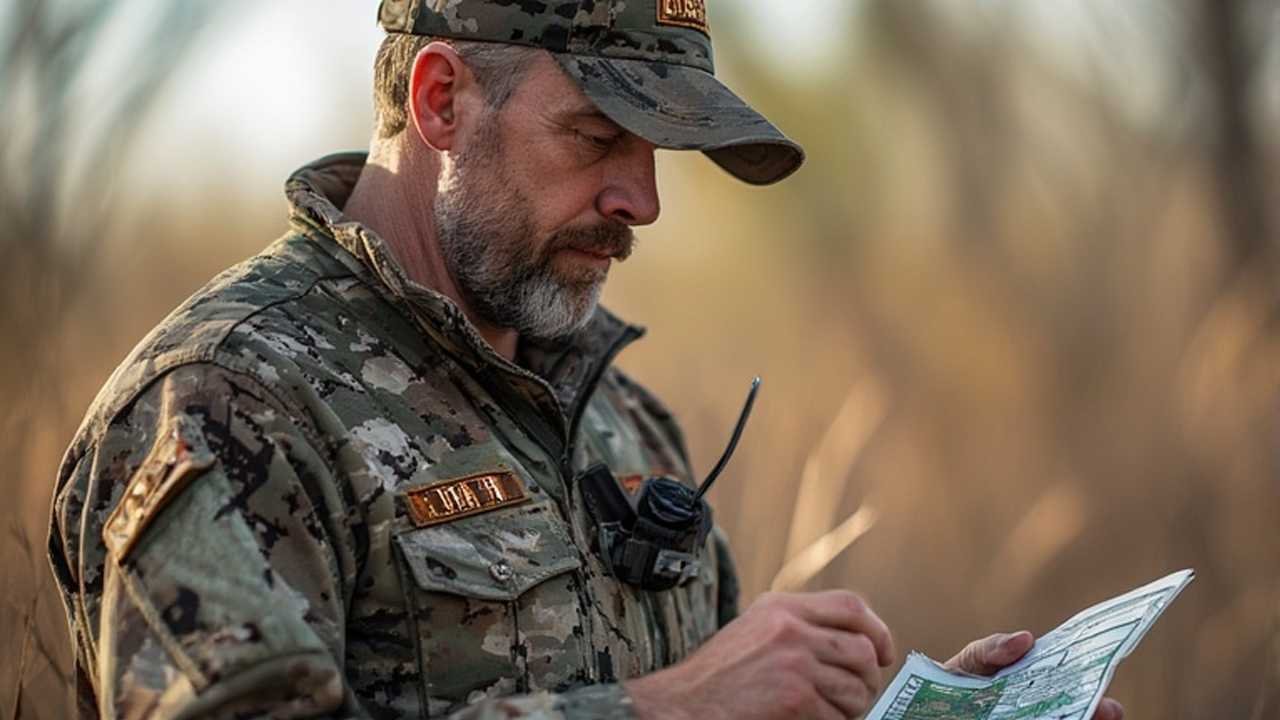
How One Hunting Mistake Can Cost You Everything: Penalties Explained
In the US, breaking hunting laws can have major legal, financial, and social repercussions that might affect your hunting rights and future for a long time. Criminal penalties, hefty fines (from hundreds to tens of thousands of dollars), jail time, license revocation, seizure of vehicles and equipment, and civil restitution payments are all possible outcomes of breaking state or federal hunting restrictions. In order to preserve wildlife populations and maintain public safety, all states strictly enforce adherence to hunting seasons, bag limits, licensing requirements, weapon limitations, and ethical hunting methods. However, these penalties differ greatly among jurisdictions.
Every outdoor enthusiast who respects their hunting rights and want to prevent life-altering repercussions must be aware of the whole range of punishments for hunting offenses. State game wardens and federal wildlife officers are among the law enforcement organizations that regularly patrol hunting grounds and look into infractions via tip lines, surveillance, and evidence collection. Convicted offenders risk long-term consequences in addition to immediate legal fines, such as diminished hunting privileges across many states due to interstate compact agreements, harm to their reputations both personally and professionally, higher insurance premiums, and trouble acquiring future licenses. This thorough book examines the particular sanctions that hunters must deal with, the methods by which offenders are apprehended, and the long-term effects that these infractions may have on your outdoor way of life.
Classification of Hunting Law Violations
Misdemeanor Hunting Offenses
Misdemeanor violations represent the most common category of hunting law infractions, typically involving unintentional mistakes or minor regulatory breaches. These offenses still carry significant penalties but are generally considered less severe than felony charges.
Common Misdemeanor Violations:
- Hunting without a valid license or permit
- Exceeding bag limits by small margins
- Hunting outside designated season dates
- Failure to tag harvested game properly
- Hunting during closed hours
- Using prohibited bait or attractants
- Trespassing on private property
- Failure to wear required hunter orange
- Transporting uncased firearms improperly
- Not reporting harvest within required timeframes
Typical Penalties:
- Fines: $200 to $2,000 per violation
- Court costs and administrative fees
- Temporary license suspension: 1 to 3 years
- Restitution for illegally taken wildlife
- Probation with hunting restrictions
- Community service hours
- Mandatory hunter education courses
Felony Hunting Offenses
Felony hunting violations involve serious breaches of wildlife law that demonstrate intentional disregard for conservation principles or involve commercial exploitation of wildlife resources. These charges can result in permanent consequences affecting many aspects of your life.
Felony-Level Violations:
- Poaching protected or endangered species
- Commercialized wildlife trafficking
- Using spotlights or aircraft to hunt (jacklighting)
- Hunting from public roadways with intent to sell
- Killing game for commercial profit without proper licensing
- Repeated serious violations within short timeframes
- Destroying evidence or obstructing wildlife investigations
- Using illegal weapons or methods causing widespread harm
- Large-scale baiting operations
- Organized poaching rings
Severe Consequences:
- Fines: $5,000 to $250,000+ depending on species and circumstances
- Incarceration: 1 to 5 years in state or federal prison
- Permanent lifetime hunting license revocation
- Forfeiture of all hunting equipment, vehicles, and firearms
- Federal prosecution under the Lacey Act
- Loss of voting rights and firearm ownership rights
- Civil restitution payments exceeding criminal fines
- Placement on wildlife violator databases
Financial Penalties and Restitution
Base Fine Structures Across States
| Violation Type | Low-End Fine | Average Fine | High-End Fine | Additional Costs |
|---|---|---|---|---|
| No Valid License | $150 | $500 | $1,500 | Court fees $50-$300 |
| Hunting Out of Season | $300 | $750 | $2,500 | Administrative penalties |
| Exceeding Bag Limits | $200 | $600 | $3,000 | Per-animal restitution |
| Trespassing | $250 | $500 | $1,500 | Civil damages possible |
| Prohibited Method/Weapon | $500 | $1,200 | $5,000 | Equipment confiscation |
| Hunting Protected Species | $2,000 | $8,000 | $25,000 | Mandatory restitution |
| Night Hunting/Spotlighting | $1,000 | $2,500 | $10,000 | License revocation fees |
| Wasting Edible Game Meat | $400 | $1,000 | $3,500 | Community service |
Wildlife Restitution Values
Beyond criminal fines, violators must pay restitution representing the value of illegally taken wildlife to the state. These values reflect the biological and economic worth of each animal to conservation programs. Before heading out, make sure you understand essential hunting safety rules to avoid violations.
State Wildlife Restitution Schedule Examples:
| Species | Alabama | Colorado | Montana | Pennsylvania | Wisconsin |
|---|---|---|---|---|---|
| White-tailed Deer (Buck) | $2,500 | $4,000 | $8,000 | $2,000 | $2,500 |
| White-tailed Deer (Doe) | $1,500 | $2,000 | $4,000 | $1,000 | $1,500 |
| Elk (Bull) | N/A | $8,000 | $12,000 | N/A | $8,000 |
| Black Bear | $2,500 | $3,000 | $6,000 | $2,500 | $2,000 |
| Wild Turkey | $500 | $1,500 | $2,000 | $500 | $1,000 |
| Waterfowl (per bird) | $200 | $500 | $500 | $250 | $300 |
| Moose | N/A | $10,000 | $15,000 | N/A | $10,000 |
| Mountain Lion | N/A | $5,000 | $10,000 | N/A | $5,000 |
These restitution payments are separate from criminal fines and cannot be reduced through plea bargaining in most jurisdictions.
Civil Penalties and Property Forfeiture
Asset Seizure Categories:
- Equipment Confiscation
- All firearms used in violation
- Archery equipment
- Ammunition and accessories
- Optics including scopes and binoculars
- Trail cameras on illegal baiting sites
- Processing equipment
- GPS devices and electronics
- Vehicle Forfeiture
- ATVs and UTVs used for illegal access
- Trucks used for transporting illegal game
- Boats used in waterfowl violations
- Aircraft used in spotting or pursuit
- Trailers containing illegal game
- Property Liens and Seizures
- Freezers containing illegal game meat
- Real property used for commercial poaching operations
- Bank accounts tied to wildlife trafficking
- Taxidermy mounts of illegally taken animals
The total financial impact of a serious hunting violation frequently exceeds $20,000 to $50,000 when combining fines, restitution, legal fees, seized property value, and lost income from incarceration.
License Suspensions and Revocations
Temporary Suspension Periods
| Violation Severity | First Offense | Second Offense | Third Offense | Additional States Affected |
|---|---|---|---|---|
| Minor Infractions | 1 year | 2-3 years | 5 years | 0-15 states |
| Moderate Violations | 2-3 years | 5-7 years | 10 years to life | 20-35 states |
| Serious Offenses | 5-10 years | 10-20 years | Lifetime | 35-48 states |
| Felony Convictions | 10 years to life | Lifetime | Lifetime | All 48 compact states |
Interstate Wildlife Violator Compact
The Interstate Wildlife Violator Compact (IWVC) represents one of the most powerful enforcement tools for hunting violations. Currently, 48 states participate in this agreement, which allows them to share information about hunting violations and enforce license suspensions across state lines.
How the Compact Works:
- Violations in one member state automatically suspend privileges in all member states
- Home state cannot issue new licenses until violations are resolved
- Outstanding fines in any state prevent license issuance everywhere
- Failure to appear for court hearings triggers multi-state suspensions
- Conviction records remain in the database permanently
- Only Hawaii and Massachusetts currently do not participate
Real-World Impact:
If you receive a license suspension in Wyoming for exceeding elk bag limits, you cannot legally hunt in Montana, Idaho, Colorado, or any of the other 44 compact states until your suspension period ends and all financial obligations are satisfied.
Permanent Revocation Criteria
Violations Triggering Lifetime Bans:
- Third conviction for serious wildlife violations within 10 years
- Poaching trophy-class animals of protected species
- Operating commercial poaching enterprises
- Causing death or injury to humans during hunting violations
- Intentional destruction of critical habitat
- Wildlife trafficking involving endangered species
- Assaulting game wardens or law enforcement
- Pattern of violations showing disregard for conservation laws
Some states offer reinstatement hearings after 10 to 20 years for lifetime bans, but approval requires demonstration of rehabilitation, payment of all obligations, and often testimony from conservation officers.
Criminal Charges and Incarceration
Misdemeanor Jail Time
While many first-time misdemeanor hunting violations result in fines and probation, jail time becomes increasingly likely with repeated offenses or aggravating circumstances.
Sentencing Guidelines:
- First offense minor violations: Typically no jail time
- Second offense within 5 years: 30 to 90 days possible
- Third offense: 90 days to 1 year county jail
- Violations involving injury to others: Up to 1 year regardless of history
- Combination of multiple violations: Sentences may run consecutively
Factors Increasing Jail Likelihood:
- Prior criminal record beyond hunting violations
- Refusal to cooperate with investigating officers
- Attempting to flee or hide evidence
- Hunting while under license suspension
- Involving minors in violations
- Showing no remorse or understanding of conservation principles
Felony Prison Sentences
Felony hunting convictions can result in state or federal prison time with lasting consequences extending far beyond the hunting world.
Federal Prosecution Under the Lacey Act:
The Lacey Act makes it a federal crime to transport illegally taken wildlife across state or international borders. Violations can result in:
- Up to 5 years in federal prison
- Fines up to $250,000 for individuals
- Fines up to $500,000 for organizations
- Permanent federal criminal record
- Loss of federal benefits and rights
State Felony Sentencing:
| State | Maximum Prison Term | Typical Sentence Range | Parole Eligibility |
|---|---|---|---|
| Alaska | 5 years | 1-2 years | After 1/3 served |
| Montana | 5 years | 18 months-3 years | After 1/2 served |
| Wyoming | 3 years | 1-2 years | After 1/3 served |
| Texas | 10 years | 2-5 years | After 1/4 served |
| Pennsylvania | 7 years | 1-3 years | After 1/3 served |
| Wisconsin | 3.5 years | 1-2 years | After 1/2 served |
Individuals facing felony hunting charges should understand that common hunting mistakes can escalate into serious legal trouble without proper knowledge.
Criminal Record Implications
A criminal conviction for hunting violations creates a permanent record affecting many life areas:
Employment Consequences:
- Background checks reveal criminal history
- Professional licenses may be denied or revoked
- Federal employment opportunities eliminated
- Security clearances revoked or denied
- Outdoor industry careers essentially ended
- Conservation agency employment impossible
Personal Rights Affected:
- Firearm ownership rights suspended or revoked permanently
- Voting rights suspended during incarceration (varies by state)
- International travel restrictions to certain countries
- Child custody disputes negatively impacted
- Housing applications denied for felony convictions
- Educational scholarships and financial aid affected
Species-Specific Violation Penalties
Big Game Violations
Deer Poaching Penalties by State:
| State | Criminal Fine | Restitution | License Suspension | Potential Jail Time |
|---|---|---|---|---|
| Texas | $500-$4,000 | $2,000-$4,000 | 1-5 years | Up to 1 year |
| Georgia | $1,000-$5,000 | $2,500 | 1-3 years | Up to 12 months |
| Michigan | $1,000-$2,000 | $1,500-$3,000 | 3-15 years | Up to 90 days |
| Ohio | $500-$1,000 | $1,500 | 1-3 years | Up to 60 days |
| Missouri | $500-$1,000 | $2,000 | 3 years minimum | Up to 1 year |
| North Carolina | $200-$500 | $2,000 | 1-5 years | Up to 120 days |
Trophy Animal Premium Penalties:
States impose enhanced penalties for illegally taking mature, trophy-class animals:
- Boone and Crockett class bucks: Additional $5,000 to $10,000 restitution
- Record book elk: Additional $10,000 to $20,000 restitution
- Non-typical antler configurations: 150% to 200% standard restitution
- Animals with genetic research value: Criminal penalties doubled
Endangered and Protected Species
Violations involving threatened or endangered species trigger the most severe penalties under both state and federal law.
Federal Endangered Species Act Violations:
- Criminal penalties: Up to $50,000 fine and 1 year imprisonment
- Civil penalties: Up to $25,000 per violation
- Enhanced penalties for knowing violations: Up to $250,000 and 5 years
- Commercial violations: Up to $500,000 for organizations
Commonly Protected Species Hunters Encounter:
- Grizzly Bears (Lower 48 states)
- Federal fine: $50,000 to $250,000
- Prison: 1 to 5 years
- Restitution: $15,000 to $50,000
- Lifetime hunting ban typical
- California Condor
- Federal fine: $100,000+
- Prison: Up to 5 years
- Civil penalties: $25,000 per bird
- Lead ammunition violations: Additional charges
- Red Wolves and Mexican Gray Wolves
- Federal fine: $50,000 to $200,000
- Prison: 1 to 3 years
- Restitution: $25,000 to $75,000
- Interstate compact ban
- Whooping Cranes
- Federal fine: $50,000 to $100,000
- Prison: Up to 2 years
- Civil penalties: $50,000 per bird
- Waterfowl hunting privileges permanently revoked
Waterfowl and Migratory Bird Violations
The Migratory Bird Treaty Act protects over 1,000 bird species, and violations carry federal consequences in addition to state penalties.
Common Waterfowl Violations:
| Violation Type | Federal Fine | State Fine | Total Penalty | License Impact |
|---|---|---|---|---|
| Exceeding Daily Bag Limit | $300-$500 | $200-$500 | $500-$1,000 | 1 year suspension |
| No Federal Duck Stamp | $100-$250 | $100-$300 | $200-$550 | Warning to 1 year |
| Unplugged Shotgun | $250-$500 | $150-$400 | $400-$900 | 1-2 years |
| Taking Over Limit | $500-$1,000 | $300-$700 | $800-$1,700 | 2-3 years |
| Using Bait | $1,000-$5,000 | $500-$2,000 | $1,500-$7,000 | 3-5 years |
| Electronic Calls | $500-$2,000 | $300-$1,000 | $800-$3,000 | 2-4 years |
Restitution for Waterfowl:
- Common species (mallards, teal): $200 to $500 per bird
- Less common species (pintails, canvasbacks): $500 to $1,000 per bird
- Rare species (Ross’s goose, harlequin duck): $1,000 to $5,000 per bird
- Breeding pairs taken: Double standard restitution
Enforcement Methods and Detection
Game Warden Patrol Tactics
State wildlife officers employ sophisticated methods to detect and investigate hunting violations, making it increasingly difficult for violators to escape consequences.
Ground Surveillance Techniques:
- Concealed observation points near popular hunting areas
- Covert monitoring of check stations and access points
- Undercover operations posing as hunters
- Night vision equipment for spotting violations
- GPS tracking of suspicious vehicles
- Analysis of social media posts and photos
- Review of hunter harvest reports for inconsistencies
Technology-Based Enforcement:
- Aircraft and Drone Surveillance
- Thermal imaging to detect night hunting
- Observation of baiting sites from the air
- Traffic pattern analysis in remote areas
- Evidence photography for prosecutions
- Trail Camera Evidence
- Wardens place cameras in violation-prone areas
- Time-stamped photos establish presence
- Pattern analysis of repeat violators
- License plate and face identification
- DNA and Forensic Analysis
- Species identification of meat and hides
- Matching evidence to specific animals
- Determining time and location of harvest
- Proving unlawful possession claims
Tip Programs and Whistleblower Rewards
Most states operate tip hotlines offering substantial rewards for information leading to convictions of wildlife violators.
State Reward Programs:
| State | Program Name | Maximum Reward | 2023 Tips Received | Convictions |
|---|---|---|---|---|
| California | CalTIP | $5,000 | 3,200+ | 450+ |
| Texas | Operation Game Thief | $5,000 | 4,500+ | 650+ |
| Montana | TIP-MONT | $1,000 | 1,800+ | 280+ |
| Pennsylvania | Operation Game Thief | $2,000 | 2,100+ | 310+ |
| Michigan | Report All Poaching | $2,000 | 3,000+ | 420+ |
| Colorado | Operation Game Thief | $1,000 | 2,500+ | 375+ |
Who Reports Violations:
- Fellow hunters who witness unethical behavior: 35%
- Landowners protecting their property: 28%
- Neighbors hearing illegal shooting: 18%
- Conservation-minded citizens: 12%
- Anonymous calls from accomplices: 7%
The rise of cell phone cameras and social media has dramatically increased violation detection. Hunters posting trophy photos often provide enough evidence for wardens to identify illegal harvests, out-of-season hunting, or trespassing violations.
Investigation and Prosecution Process
Typical Violation Timeline:
- Initial Detection (Day 1)
- Officer observes violation or receives tip
- Evidence collection begins immediately
- Suspect may or may not know they are under investigation
- Investigation Phase (Days 1-30)
- Additional surveillance if needed
- Interview witnesses and review evidence
- Consult with prosecutors on charges
- Prepare search warrants if necessary
- Citation or Arrest (Days 7-60)
- Formal charges filed
- Miranda rights given for serious offenses
- Property and evidence seized
- Court date assigned
- Arraignment (Days 30-90)
- Formal charge reading
- Plea entered
- Bail set for serious charges
- Discovery process begins
- Trial or Plea Agreement (Days 90-365)
- Negotiation with prosecutors
- Pre-trial motions
- Trial if no agreement reached
- Sentencing upon conviction
- Sentencing and Appeals (Days 120-400+)
- Judge imposes penalties
- Payment plans established
- License suspension begins
- Appeal period if desired
Conviction Rates:
Wildlife violations have remarkably high conviction rates compared to other crimes:
- Citations for minor violations: 95%+ conviction rate
- Misdemeanor charges: 88% conviction rate
- Felony charges: 82% conviction rate
- Federal Lacey Act cases: 91% conviction rate
High conviction rates stem from strong physical evidence, witness testimony, defendant admissions, and specialized prosecutors with wildlife expertise.
Long-Term Consequences Beyond Legal Penalties
Professional and Social Repercussions
Career Impact Scenarios:
- Outdoor Industry Professionals: Hunting violations can end careers for guides, outfitters, television personalities, writers, and conservation employees
- Law Enforcement and Military: Criminal hunting convictions may result in termination or denial of advancement
- Professional Licenses: Some state licensing boards consider wildlife crimes as moral character issues
- Business Opportunities: Commercial ventures requiring background checks may deny partnerships
Family and Social Consequences:
- Loss of family hunting traditions and access to private lands
- Embarrassment within hunting and conservation communities
- Strained relationships with ethical hunters
- Inability to participate in youth mentorship programs
- Exclusion from hunting clubs and organizations
- Damaged reputation in rural communities where hunting is culturally significant
Insurance and Financial Impacts
Premium Increases:
- Auto insurance rates increase 15-30% with misdemeanor convictions
- Homeowners insurance may increase 10-20% for serious violations
- Life insurance applications may be denied or rated higher
- Umbrella policies may exclude wildlife-related incidents
Long-Term Financial Burden:
The total lifetime cost of a serious hunting violation can easily exceed $100,000 when accounting for:
- Direct fines and restitution
- Legal defense costs ($5,000 to $50,000+)
- Lost income during incarceration or court appearances
- Increased insurance premiums over 10+ years
- Value of confiscated property
- Lost hunting opportunities and investments
- Reduced earning potential from criminal record
Loss of Hunting Heritage and Tradition
For many hunters, the most painful consequence of violating wildlife laws is the permanent loss of their hunting heritage and the inability to pass these traditions to future generations.
Intangible Losses:
- Cannot teach children or grandchildren to hunt
- Miss years or decades of outdoor experiences
- Lose access to family hunting properties
- Break generational traditions spanning decades
- Forfeit accumulated knowledge and skills
- Lose connection to conservation community
- Cannot participate in harvest management
These cultural and emotional consequences often exceed the legal and financial penalties, particularly for hunters from families with deep hunting traditions.
Specific Violation Categories and Penalties
License and Permit Violations
Documentation Offenses:
- Hunting Without License
- First offense: $200-$500 fine, possible 1-year suspension
- Second offense: $500-$1,500 fine, 2-3 year suspension
- Third offense: $1,000-$3,000 fine, 5+ year suspension
- Using Another Person’s License
- Criminal fine: $1,000-$5,000
- Both parties face charges
- Suspension: 3-5 years minimum
- Potential felony charges for pattern violations
- Forged or Altered Permits
- Felony charges typical
- Fine: $2,000-$10,000
- Prison: Up to 2 years
- Permanent license revocation possible
- Hunting During Suspension Period
- Additional 5-10 years added to suspension
- Fine: $2,000-$5,000
- Jail time: 30-180 days
- All equipment subject to forfeiture
Bag Limit and Season Violations
Season Timing Offenses:
| Days Outside Season | Fine Range | Restitution | Suspension | Additional Penalties |
|---|---|---|---|---|
| 1-7 days early/late | $300-$1,000 | Standard | 1 year | Warning for first offense |
| 8-30 days out | $1,000-$3,000 | 150% value | 2-3 years | Equipment seizure |
| Over 30 days out | $2,000-$5,000 | 200% value | 3-5 years | Possible misdemeanor |
| Closed season (summer) | $3,000-$10,000 | 300% value | 5-10 years | Felony possible |
Bag Limit Violations:
- One over limit (first offense): $200-$500 fine, restitution for extra animal
- Two over limit: $500-$1,500, 1-2 year suspension
- Three or more over: $1,500-$5,000, 2-5 year suspension, potential misdemeanor
- Grossly over limit (10+ animals): Felony charges, $5,000-$25,000 fine, prison possible
Method and Manner Violations
Illegal Hunting Methods:
- Spotlighting/Night Hunting
- Fine: $1,000-$10,000
- Suspension: 3-10 years
- Vehicle and spotlight forfeiture
- Possible felony charges
- Hunting from Vehicles or Aircraft
- Fine: $2,000-$15,000
- Suspension: 5-15 years
- Vehicle/aircraft seizure possible
- Federal charges under Airborne Hunting Act
- Electronic Calling (where prohibited)
- Fine: $300-$2,000
- Suspension: 1-3 years
- Device confiscation
- Game meat forfeiture
- Baiting Violations
- Fine: $500-$5,000
- Suspension: 2-5 years
- Property owner may face charges
- Multi-year property hunting restrictions
- Using Prohibited Weapons
- Fine: $500-$3,000
- Suspension: 1-3 years
- Weapon confiscation
- Ammunition seizure
Trespassing and Property Violations
Criminal Trespass While Hunting:
Understanding public land versus private property regulations is critical to avoiding trespassing violations.
- First offense: $250-$1,000 fine, civil damages up to $5,000
- Second offense: $1,000-$2,500 fine, 1-2 year suspension, civil damages
- Third offense: $2,500-$5,000 fine, 3-5 year suspension, misdemeanor charges
- Trespass with damage: Enhanced penalties, full restitution for property damage
- Trespass after warning: Automatic criminal charges, higher fines
Property Owner Rights:
Landowners can pursue both criminal charges through law enforcement and civil damages through lawsuits:
- Actual damages for property harm
- Loss of hunting lease income
- Emotional distress claims
- Punitive damages in egregious cases
- Attorney fees and court costs
Waste and Misuse of Wildlife
Wanton Waste Violations:
States prohibit the wasteful destruction of game animals and require hunters to salvage edible meat.
Required Salvage Standards:
| Animal Type | Minimum Required Salvage | Fine for Waste | Suspension Period |
|---|---|---|---|
| Deer | Both hindquarters, backstraps | $500-$3,500 | 1-3 years |
| Elk | Quarters, backstraps, tenderloins | $1,000-$5,000 | 2-5 years |
| Bear | All edible meat (varies by state) | $500-$2,500 | 1-3 years |
| Waterfowl | Breast meat minimum | $200-$1,000 | 1-2 years |
| Upland Birds | Breast meat minimum | $100-$500 | 1 year |
| Small Game | Entire animal typically | $50-$300 | Warning to 1 year |
Exceptions and Special Circumstances:
- Meat spoilage due to documented emergency situations
- Animals wounded and unrecovered despite good-faith search efforts
- Meat contamination from disease or injury
- Predator damage before recovery
Hunters must document these circumstances and report to authorities to avoid waste charges.
Prevention and Compliance Strategies
Pre-Hunt Compliance Checklist
Documentation Verification:
- [ ] Valid hunting license for current season
- [ ] Species-specific permits and tags
- [ ] Federal stamps for waterfowl or other requirements
- [ ] Landowner permission in writing with contact information
- [ ] Hunter education card if required by state or age
- [ ] Photo identification matching license
- [ ] Previous season harvest reports filed
Regulatory Review:
- [ ] Current year regulation booklet obtained
- [ ] Season dates verified for specific management unit
- [ ] Bag limits confirmed for target species
- [ ] Legal shooting hours documented
- [ ] Weapon restrictions reviewed
- [ ] Required hunter orange clothing packed
- [ ] Transportation regulations understood
Equipment Compliance:
- [ ] Firearms meet caliber and magazine capacity requirements
- [ ] Shotgun plugged to legal capacity for waterfowl
- [ ] Archery equipment meets minimum specifications
- [ ] No prohibited devices like electronic calls (where banned)
- [ ] Proper tags and methods for game tagging
Common Mistakes That Lead to Violations
Avoidable Errors:
- Assuming Regulations Are Consistent Across States
- Research each state’s specific requirements thoroughly
- Many hunters violate laws simply through ignorance of differences
- Bag limits, legal methods, and season dates vary dramatically
- Not Checking Regulation Updates Annually
- Rules change every year based on population surveys
- Emergency closures can occur mid-season
- Management unit boundaries often shift
- Verbal Permission Without Documentation
- Always get written landowner permission
- Save contact information for verification
- Understand exact boundary descriptions
- Misidentifying Species
- Positively identify target before shooting
- Know the difference between legal and protected species
- Use quality optics and wait for clear identification
- Poor Record-Keeping of Harvests
- Tag animals immediately upon recovery
- Document exact harvest location and time
- Report harvests within required timeframes
- Maintain copies of all reports
Understanding these pitfalls helps hunters avoid many of the common hunting mistakes that lead to accidents or fines reported annually.
Resources for Staying Compliant
Official State Resources:
Each state wildlife agency provides comprehensive regulation information through:
- Online regulation databases and PDFs
- Mobile apps with GPS-enabled map layers
- Email notification services for emergency changes
- Direct phone lines for regulation questions
- In-person assistance at regional offices
Technology Tools:
- OnX Hunt, HuntStand, and Similar Apps: Provide property boundaries, public land borders, and regulation summaries
- State Wildlife Agency Apps: Offer digital licensing, harvest reporting, and regulation access
- Ballistics and Species ID Apps: Help ensure equipment compliance and proper identification
Educational Opportunities:
- Advanced hunter education workshops
- Game species identification courses
- Field dressing and legal transport training
- Ethics seminars sponsored by conservation organizations
- Mentorship programs pairing new and experienced hunters
Defending Against Hunting Violation Charges
When to Hire an Attorney
Situations Requiring Legal Representation:
- Any felony-level charges
- Violations resulting in injury to persons or property
- Potential jail time or license suspensions exceeding 3 years
- Asset forfeiture of significant value
- Interstate compact complications
- Multiple simultaneous charges
- Prior violation history
- Federal Lacey Act charges
Expected Legal Costs:
| Case Complexity | Attorney Fees | Total Case Cost | Typical Duration |
|---|---|---|---|
| Simple misdemeanor | $1,500-$3,500 | $2,000-$5,000 | 2-4 months |
| Complex misdemeanor | $3,500-$8,000 | $5,000-$12,000 | 3-8 months |
| State felony | $8,000-$25,000 | $12,000-$40,000 | 6-18 months |
| Federal charges | $15,000-$75,000+ | $25,000-$150,000+ | 12-36 months |
Possible Defenses and Mitigating Factors
Common Defense Arguments:
- Mistaken Identity
- Another hunter in the area committed the violation
- Evidence does not conclusively link defendant to the act
- Alibi testimony places defendant elsewhere
- Lack of Intent
- Genuine mistake or confusion about regulations
- Reliance on incorrect information from authorities
- Physical or mental condition affecting judgment
- Species Misidentification
- Similar appearance between legal and illegal species
- Poor lighting or weather conditions
- Defendant took reasonable steps to identify properly
- Procedural Violations
- Illegal search and seizure
- Miranda rights violations
- Chain of custody problems with evidence
- Lack of probable cause for stop or citation
- Emergency Circumstances
- Self-defense or defense of others
- Prevention of property damage
- Mercy killing of severely injured animal
Mitigating Factors for Sentencing:
- First-time offender with no criminal history
- Immediate cooperation with investigating officers
- Voluntary disclosure and acceptance of responsibility
- Steps taken to correct violation
- Completion of additional hunter education
- Letters from community supporting character
- Restitution paid before sentencing
- Minimal deviation from regulations
Plea Bargaining and Alternative Sentences
Negotiated Resolutions:
Prosecutors may offer reduced charges or alternative sentencing for cooperative defendants:
- Reduction from felony to misdemeanor
- Reduced suspension periods
- Deferred adjudication (charges dismissed after probation completion)
- Community service in lieu of jail time
- Hunter education courses instead of license suspension
- Probation instead of incarceration
Alternative Sentence Options:
- Community Service Programs
- Habitat restoration projects
- Wildlife agency volunteer work
- Hunter education assistance
- Conservation area maintenance
- 20-200 hours typical range
- Enhanced Education Requirements
- Advanced ethics courses
- Species identification workshops
- Wilderness first aid certification
- Mentorship under experienced hunters
- Supervised Hunting Probation
- Hunting allowed only with approved supervisor
- Regular check-ins with conservation officers
- Strict compliance monitoring
- Violation results in full suspension
State-by-State Variation in Penalties
Strictest Enforcement States
States Known for Aggressive Wildlife Law Enforcement:
- Montana
- High restitution values
- Mandatory minimum suspensions
- Extensive use of surveillance
- Strong prosecution of out-of-state violators
- Wyoming
- Severe penalties for trophy animal violations
- Asset forfeiture aggressively pursued
- Limited plea bargain opportunities
- High-profile prosecution of cases
- Alaska
- Federal involvement in many cases
- High value placed on wildlife resources
- Remote violations detected through air patrols
- Expensive legal defense due to travel requirements
- Pennsylvania
- Large force of wildlife conservation officers
- Active tip line program
- Sophisticated investigation methods
- Strong local prosecution
Common Characteristics:
- Strong public support for conservation
- Well-funded wildlife agencies
- Cultural value placed on hunting heritage
- Significant wildlife-based tourism revenue
Most Lenient Approaches
States with More Flexible Enforcement:
Some jurisdictions prioritize education and rehabilitation over punishment for first-time, non-serious violators:
- Warning systems for minor first offenses
- Reduced fines for immediate payment
- Shorter suspension periods
- Deferred adjudication programs
- Limited asset forfeiture use
However, even these states impose severe penalties for serious or repeated violations.
Interstate Violation Complications
Multi-State Violation Scenarios:
Hunters who violate laws across state lines face compounded consequences:
- Charged in multiple jurisdictions simultaneously
- Federal charges under the Lacey Act
- Suspension in all participating compact states
- Higher fines and restitution in each state
- Complex legal defense requiring multiple attorneys
- Travel requirements for court appearances in different states
Lacey Act Federal Prosecution:
The Lacey Act makes it illegal to transport wildlife taken in violation of state or foreign law across state or international borders. This federal law applies even if the underlying state violation is minor.
Elements Required for Lacey Act Prosecution:
- Violation of underlying state or foreign wildlife law
- Interstate or international transportation of the wildlife
- Knowledge that the wildlife was illegally taken (for felony charges)
Enhanced Federal Penalties:
- Misdemeanor Lacey violations: Up to $10,000 fine and 1 year
- Felony Lacey violations: Up to $250,000 fine and 5 years
- Civil penalties: Up to $10,000 per violation
- Forfeiture of all equipment and transportation used
Recent Notable Cases and Precedents
High-Profile Poaching Prosecutions
2018-2020 Multi-State Poaching Ring (Missouri, Kansas, Nebraska)
A sophisticated poaching operation resulted in over $1 million in wildlife losses and some of the most severe hunting-related sentences in recent history:
- 11 defendants convicted
- Combined fines and restitution: $600,000+
- Prison sentences: 1 to 7 years
- Hundreds of trophy whitetail deer killed illegally
- Lifetime hunting bans in multiple states
- Interstate trafficking of antlers and meat
2019 Pennsylvania Trophy Buck Poaching
A hunter who illegally killed a record-class whitetail buck received:
- $10,000 fine
- $8,000 restitution for the buck
- 10-year license suspension in 48 states
- Confiscation of firearms and equipment valued at $15,000
- Mount of the buck destroyed by authorities
- 60 days in county jail
2021 Montana Elk Poaching by Out-of-State Hunters
A group of Texas hunters faced severe consequences for systematic elk poaching:
- Each defendant fined $5,000-$12,000
- Combined restitution: $75,000
- 15-year hunting suspensions
- Vehicles and equipment worth $80,000 seized
- Federal charges under the Lacey Act
- Additional civil penalties
Legal Precedents Affecting Enforcement
Fourth Amendment Search and Seizure Issues:
Courts have generally given wildlife officers broader search authority than regular law enforcement:
- Open fields doctrine allows searches without warrants
- Game bags and coolers subject to inspection
- Vehicles may be searched with reasonable suspicion
- Evidence in plain view admissible
Due Process in License Suspension:
Administrative license suspensions without criminal conviction have been upheld when:
- Hearing opportunity provided
- Standards of proof met
- Emergency suspensions limited in duration
- Appeal process available
These precedents strengthen enforcement capabilities while protecting fundamental rights.
Frequently Asked Questions
What happens if I accidentally exceed the bag limit?
Penalties are still applied for inadvertent infractions, although first-time offenders who promptly self-report are frequently given preferential treatment. As soon as you recognize the mistake, you should get in touch with your state wildlife department. In addition to restitution for the additional animal and a potential one-year ban, expect to pay a fine ($200–$500 on average). In contrast to being apprehended by law enforcement, reporting oneself in good faith significantly lowers fines.
Can I hunt in other states if my license is suspended in my home state?
No, your suspension is applicable to all member states if your home state is one of the 48 states that participate in the Interstate Wildlife Violator Compact. Until your suspension time expires and all fines are paid, you are not permitted to lawfully get a license or hunt anyplace in the compact states. To get around this, some hunters try to claim a different state as their “home state,” but this is fraud and can lead to more serious penalties.
Will a hunting violation show up on employment background checks?
Yes, provided that the infraction led to a criminal conviction. Standard background checks reveal crimes and misdemeanors. Usually, there are no simple citations that don’t lead to criminal prosecution. Nonetheless, jobs involving wildlife management or specific permissions are likely to find even non-criminal infractions using specialist databases.
How long does a hunting violation stay on my record?
In most places, criminal convictions are permanently recorded on your record. If you keep a spotless record, some jurisdictions let minor crimes to be expunged after five to ten years. Even for non-criminal citations, infraction information is permanently stored in state agencies’ wildlife-specific databases. Compact interstate records are perpetual.
Can I get my hunting license back after a lifetime ban?
After serving 10–20 years of a lifetime ban, certain jurisdictions provide reinstatement hearings. It is your responsibility to establish that you have recovered, that you understand conservation concepts, and that you will hunt responsibly. Reinstatement success rates are modest, usually between 10% and 20%. For lifetime bans coming from the most egregious infractions, several jurisdictions do not provide a reinstatement option.
What should I do if a game warden wants to search my vehicle?
Give the officer your complete cooperation. The open fields philosophy and conservation rules provide wildlife officers more search power than normal police. Refusing a search raises suspicion and frequently leads to extra charges. It will be a quick check if you have nothing to conceal. Instead of confronting the officer in the field, document the encounter and seek legal advice later if you feel your rights were infringed.
Are there defenses for mistaking one species for another?
Because hunters must use reasonable care to positively identify a species before shooting, species misidentification is rarely a full defense. It may, however, be a mitigating element in punishment, especially if you took reasonable measures and the circumstances actually made identification impossible. Due diligence is demonstrated by waiting for clean photos and using optics appropriately.
Can my equipment be seized even if I’m found not guilty?
Your property may be confiscated based on a lesser standard of proof even if criminal charges are dropped in some countries where civil asset forfeiture proceeds independently of criminal proceedings. States differ in this contentious practice. In the event that important machinery or automobiles are in danger, competent legal counsel is required.
What if I was hunting legally but someone else in my group violated regulations?
Unless you took part in, assisted, or plotted in another hunter’s infraction, you are usually not prosecuted for it. However, you can be charged with possession of illegal wildlife or accessory charges if you shared game that was taken unlawfully or neglected to report violations you saw. Ethical hunters have to denounce illicit behavior and keep their distance from offenders.
How can I check if someone has hunting violations before hiring them as a guide?
Numerous states have publicly accessible records of hunting infractions that are searchable by name. Additionally, you can ask the state wildlife department directly for records on a guide’s license status and disciplinary record. Professional guide associations frequently have member directories with information on expulsions and suspensions. A guide’s credentials and spotless background should always be confirmed before hiring them. It’s crucial to be well-prepared; read over the essential hunting safety rules and make sure your guide strictly adheres to them.
Understanding Federal vs. State Jurisdiction
When Federal Agencies Get Involved
U.S. Fish and Wildlife Service Enforcement:
Federal wildlife officers investigate violations involving:
- Migratory birds under treaty protection
- Endangered and threatened species
- National Wildlife Refuges and federal lands
- Interstate or international wildlife trafficking
- Lacey Act violations
- Federal stamp and permit violations
Concurrent Jurisdiction:
Many hunting activities fall under both state and federal jurisdiction, allowing prosecutors to choose which charges to file or to pursue charges in both systems simultaneously. Double jeopardy protections do not prevent both state and federal prosecution for the same act.
Federal Sentencing Guidelines:
Federal courts follow structured sentencing guidelines that typically result in more severe penalties than state courts for comparable offenses:
- Less opportunity for plea bargaining
- Mandatory minimum sentences for some violations
- Federal probation more restrictive than state
- Federal prison time served in facilities often far from home
- Federal convictions more damaging to future opportunities
According to the U.S. Fish and Wildlife Service, federal wildlife officers work closely with state agencies to protect wildlife resources through coordinated enforcement efforts.
Tribal Land Considerations
Hunting on Native American Reservations:
Tribal lands have unique jurisdictional complexities that create additional enforcement considerations:
- Tribal game departments set their own regulations
- Tribal members often have different rules than non-members
- Non-tribal members typically need both tribal and state licenses
- Violations may be prosecuted in tribal, state, or federal courts
- Treaty rights affect enforcement in some areas
Key Points for Hunters:
- Never assume state regulations apply on tribal lands
- Obtain explicit permission and proper tribal permits
- Understand boundaries between tribal and non-tribal lands
- Recognize that penalties may exceed state standards
- Respect tribal sovereignty and cultural practices
Technology and Modern Enforcement Challenges
Social Media as Evidence
How Hunters Incriminate Themselves Online:
Conservation officers increasingly use social media as an investigative tool:
- Photos with GPS metadata showing illegal locations
- Timestamps proving out-of-season harvests
- Multiple trophy photos revealing over-limit violations
- Captions describing illegal methods
- Comments admitting to violations
- Friends tagging violators in photos
High-Profile Social Media Cases:
- Hunter posts photo of trophy buck taken a week before season opener
- Waterfowl hunter’s video shows unplugged shotgun and over-limit
- Bear hunter’s Facebook celebration reveals baiting violation
- Trophy elk photo’s GPS coordinates show trespass on private land
Protecting Yourself on Social Media:
- Remove GPS metadata from photos before posting
- Wait until after season ends to post harvest photos
- Never discuss methods or locations publicly
- Be aware that deleted posts can be recovered
- Understand that “private” accounts can be subpoenaed
- Consider whether public posting serves any real purpose
Electronic Communication Records
Warrants for Digital Evidence:
Prosecutors routinely obtain search warrants for:
- Text message conversations about hunts
- Email communications regarding illegal activities
- GPS tracking data from phones and vehicles
- Cloud storage containing photos and videos
- App data from hunting platforms
- Financial records showing illegal purchases
What Gets People Caught:
- Text messages coordinating illegal night hunts
- Emails selling illegally taken wildlife
- GPS tracks showing access to closed areas
- Photos in cloud backup with metadata intact
- App check-ins at illegal hunting locations
Understanding proper legal hunting requirements for licenses, permits, and age rules prevents unintentional violations that could be documented through digital evidence.
The Role of Ethical Hunting Culture
Peer Accountability and Reporting
The Ethical Hunter’s Dilemma:
Many hunters struggle with whether to report violations committed by friends, family members, or hunting partners. However, the conservation community increasingly recognizes that protecting wildlife resources requires holding all hunters accountable.
Why Ethical Hunters Report Violations:
- Illegal killing threatens sustainable wildlife populations
- Violations give all hunters a negative public image
- Fair chase principles require lawful hunting
- Protecting resources for future generations
- Maintaining hunting’s social license to operate
- Personal integrity and conservation values
How to Report Suspected Violations:
- Note specific details: date, time, location, descriptions
- Take photos or videos if safe to do so
- Document vehicle descriptions and license plates
- Call state tip lines immediately
- Follow up to ensure investigation occurs
- Consider anonymous reporting if concerned about retaliation
Conservation Organizations’ Stance
Major Hunting Organizations’ Positions:
Groups like the Boone and Crockett Club, Pope and Young Club, Safari Club International, and others have formal positions condemning poaching and supporting strict enforcement:
- Zero tolerance policies for member violations
- Refusal to recognize trophies taken illegally
- Public statements supporting conservation officers
- Educational programs on ethics and laws
- Funding for tip line reward programs
- Advocating for stronger penalties
Self-Policing Benefits:
When the hunting community self-regulates and reports violations, it demonstrates to the non-hunting public that hunters are responsible conservationists, helping maintain public support for hunting as a wildlife management tool.
Conclusion and Key Takeaways
Hunting law violations carry consequences far beyond the immediate fines and penalties. The legal, financial, social, and personal impacts can last a lifetime and extend to your family, career, and fundamental rights. Criminal records, license suspensions across multiple states through the Interstate Wildlife Violator Compact, asset forfeiture, and the permanent loss of hunting heritage represent just some of the serious ramifications.
State and federal wildlife officers employ sophisticated enforcement techniques including surveillance, forensic analysis, and social media investigations to detect and prosecute violations. The high conviction rates for wildlife crimes demonstrate the effectiveness of these methods and the difficulty of avoiding consequences once violations occur.
Preventing violations requires diligent preparation, thorough understanding of complex regulations, proper documentation, ethical decision-making, and respect for wildlife resources. When in doubt, contact state wildlife agencies for clarification rather than risking violations through assumptions or ignorance.
For hunters who do make mistakes, immediate self-reporting, cooperation with authorities, acceptance of responsibility, and demonstrated commitment to rehabilitation offer the best path to reduced penalties and eventual reinstatement of privileges.
Ultimately, the preservation of hunting opportunities for current and future generations depends on every hunter’s commitment to lawful, ethical practices. The consequences of violations serve not merely as punishment but as necessary protections ensuring wildlife resources remain abundant and hunting retains its social license to continue as a conservation tool and cherished tradition.
Suggested Google Discover-Friendly Headlines
- “Lose Your Hunting Rights Forever: What Every U.S. Hunter Must Know About Wildlife Violations”
- “The Real Cost of Poaching: Hunters Face Criminal Charges, Massive Fines, and Lifetime Bans”
- “How One Hunting Mistake Can Cost You Everything: Penalties Explained”
- “48-State Hunting Bans: The Interstate Compact Agreement That Changed Enforcement”
- “From Misdemeanor to Felony: Understanding Wildlife Violation Severity”
- “Social Media Evidence: How Hunters Are Getting Caught and Prosecuted Online”
- “Game Wardens Are Watching: Modern Technology Detects Hunting Violations Faster Than Ever”
- “The $100,000 Trophy: Why Illegal Hunting Violations Destroy Lives and Bank Accounts”
SEO-Optimized URL Slugs
/hunting/penalties-consequences-violating-hunting-laws-us/hunting/hunting-law-violations-penalties-fines-suspension/hunting/illegal-hunting-consequences-criminal-charges-us/hunting/game-law-violations-penalties-license-revocation/hunting/hunting-violation-fines-penalties-state-by-state/hunting/wildlife-poaching-penalties-federal-state-laws
Image Alt Text Suggestions
- “Game warden inspecting hunting license and tags during field check enforcement operation”
- “Confiscated hunting equipment including firearms rifles and compound bows on display”
- “Wildlife violation citation form showing fines penalties and suspension information”
- “White-tailed deer buck in natural habitat representing protected wildlife resources”
- “Hunter safety orange clothing and proper documentation required for legal compliance”
- “Interstate Wildlife Violator Compact member states map showing enforcement jurisdiction”
- “Trail camera evidence used by game wardens for hunting violation investigations”
- “Federal and state wildlife law enforcement officers conducting surveillance operation”
- “Hunting regulation guidebook and state license showing proper documentation requirements”
- “Court gavel and wildlife violation penalties fine schedule legal consequences”
- “Trophy whitetail deer mount confiscated as evidence in poaching prosecution case”
- “Wildlife tip line phone number poster encouraging violation reporting programs”