
Do’s and Don’ts of Fishing in Public Waters vs Private Waters: A Comprehensive Guide for Anglers
Every fisherman has to be aware of the differences in methods, rules, and etiquette when fishing in public and private waterways. While private waters grant property owners or lease holders exclusive fishing rights with possibly different regulations and management practices, public waters, which are overseen by state and federal agencies, are subject to stringent licensing requirements and conservation regulations intended to protect fish populations for all anglers. Comprehending these distinctions guarantees courteous interactions with property owners and other fishermen, eliminates legal infractions, and safeguards fishing access for future generations.
Access procedures, management goals, stocking methods, and enforcement strategies are only a few of the basic distinctions between public and private fishing waterways. While private waterways may let the owner to establish customary rules within legal bounds, public waters need current state fishing permits and compliance with bag limits, size limitations, and seasonal closures. In order to assist fishermen effectively traverse both habitats while upholding essential fishing safety guidelines and encouraging conservation, this book offers actionable lists, comparative tables, and particular practices.
Understanding Water Classification and Access Rights
Public Waters Definition and Characteristics
Public waters include rivers, lakes, streams, reservoirs, and coastal areas managed by federal, state, or local government entities. These bodies of water remain accessible to licensed anglers under specific regulatory frameworks.
Key Public Water Categories:
- State-managed lakes and rivers
- Federal reservoirs and waterways
- National forest streams
- Wildlife management area ponds
- Bureau of Land Management waters
- Army Corps of Engineers reservoirs
- Municipal watershed areas with public access
- Coastal waters within state jurisdiction
Private Waters Definition and Access Requirements
Private waters exist on privately owned land where property owners maintain exclusive rights to control access and fishing activities. These waters require explicit permission for entry.
Common Private Water Types:
- Farm ponds on agricultural land
- Private residential lakes
- Commercial fishing operations
- Club-managed waters with membership requirements
- Leased fishing rights on streams
- Privately stocked reservoirs
- Ranch lakes and ponds
- Corporate retreat waters
Do’s for Fishing in Public Waters
Licensing and Regulatory Compliance
Maintaining proper documentation and following regulations forms the foundation of legal public water fishing. Every angler must secure appropriate credentials before fishing.
Essential Licensing Requirements:
- Purchase valid state fishing license annually
- Obtain specialty stamps for specific species (trout, salmon)
- Carry license while fishing at all times
- Display vehicle passes where required
- Renew licenses before expiration dates
- Purchase non-resident licenses for out-of-state fishing
- Verify reciprocal license agreements between neighboring states
Understanding complete fishing license requirements helps anglers remain compliant across different jurisdictions.
Access Protocol and Parking
Proper access procedures protect both angler rights and property boundaries. Public waters maintain designated entry points that anglers must utilize.
Access Best Practices:
- Use marked boat ramps and shore fishing areas
- Park only in designated parking zones
- Respect posted hours of operation
- Pay day-use fees where required
- Avoid blocking gates or emergency access routes
- Display parking permits on vehicle dashboards
- Check access restrictions during hunting seasons
Conservation and Ethical Practices
Sustainable fishing practices ensure healthy fish populations for future generations. Public waters depend on angler cooperation for effective management.
Conservation Actions:
- Follow daily bag limits strictly
- Measure fish accurately against size regulations
- Practice proper catch and release techniques
- Use barbless hooks in designated waters
- Handle fish with wet hands to protect slime coating
- Support slot limits by releasing fish within protected size ranges
- Report tagged fish to management agencies
- Avoid fishing during spawning closures
Facility and Environment Stewardship
Maintaining public fishing areas preserves access and quality for all users. Anglers share responsibility for facility upkeep.
Stewardship Responsibilities:
- Pack out all trash and fishing line
- Use provided waste receptacles
- Clean fish only in designated areas
- Dispose of bait properly
- Report vandalism or illegal activity
- Participate in volunteer cleanup events
- Leave access points cleaner than found
Safety and Courtesy Considerations
Public waters attract diverse user groups requiring mutual respect and awareness. Safety protocols protect everyone enjoying these resources.
Safety Standards:
- Wear life jackets in boats and around children
- Maintain safe casting distances from other anglers
- Communicate when moving through fishing spots
- Share productive areas during crowded conditions
- Assist fellow anglers experiencing equipment failures
- Report emergencies immediately to authorities
- Avoid alcohol consumption while boating
Don’ts for Fishing in Public Waters
Prohibited Activities and Violations
Certain actions violate public water regulations and carry significant penalties. Understanding prohibited behaviors prevents legal consequences.
Actions to Avoid:
- Fishing without valid license or required stamps
- Exceeding bag limits or possessing undersized fish
- Using illegal bait or tackle methods
- Trespassing on closed areas or private shorelines
- Snagging fish outside designated snagging seasons
- Using multiple rods beyond legal limits
- Possessing live baitfish in restricted watersheds
- Fishing during closed seasons
Understanding common fishing mistakes helps anglers avoid violations that result in fines or prosecution.
Environmental Damage and Misconduct
Destructive behaviors harm aquatic ecosystems and degrade the fishing experience for everyone. Avoiding these actions protects natural resources.
Prohibited Environmental Impacts:
- Dumping cleaning waste into water
- Cutting live trees or vegetation
- Building unauthorized fire rings
- Disturbing nesting waterfowl
- Introducing non-native species
- Littering shorelines or water
- Damaging aquatic vegetation
Social Conflicts and Discourteous Behavior
Poor etiquette creates conflicts between anglers and other water users. Respectful behavior maintains harmony in shared spaces.
Behaviors to Avoid:
- Crowding other anglers’ fishing spots
- Playing loud music near fishing areas
- Allowing dogs to disturb fishing waters
- Claiming exclusive rights to public areas
- Ignoring navigation rules in boats
- Creating excessive wakes near shore anglers
- Interfering with others’ fishing equipment
Do’s for Fishing in Private Waters
Permission and Access Protocol
Securing proper authorization forms the absolute requirement for private water fishing. Property owners maintain full control over access.
Permission Acquisition Steps:
- Identify property owner through county records
- Request permission in person when possible
- Explain intended fishing activities clearly
- Obtain written permission for legal documentation
- Clarify allowed fishing times and dates
- Ask about specific areas available for fishing
- Respect owner’s decision if permission denied
- Express gratitude regardless of decision
Property Owner Relationship Management
Building positive relationships with landowners ensures continued access and may open additional opportunities. Respectful behavior encourages permission renewal.
Relationship Building Actions:
- Arrive and depart during agreed timeframes
- Introduce all fishing companions to owner
- Provide contact information for emergencies
- Share catch reports and fishing observations
- Offer to assist with property maintenance tasks
- Bring small tokens of appreciation
- Request permission renewal well in advance
- Respect owner’s privacy and property boundaries
Private Water Rules and Restrictions
Property owners establish specific regulations for their waters that may differ from public standards. Compliance with these custom rules protects access privileges.
Common Private Water Rules:
- Catch and release only policies
- Artificial lure restrictions
- Trophy fish protection requirements
- Guest limitations and supervision rules
- Specific access gates and routes
- Photography and social media restrictions
- Parking locations and vehicle limits
Conservation on Private Property
Private water conservation supports the owner’s management goals and demonstrates respect for their investment. Many private waters require stricter conservation than public regulations.
Private Water Conservation:
- Follow owner’s harvest guidelines strictly
- Use only approved bait and tackle
- Report any fish mortality or health issues
- Avoid fishing during spawning activities
- Support owner’s stocking and management plans
- Document catch data if requested
- Handle trophy fish with extreme care
Liability and Insurance Awareness
Fishing on private property involves liability considerations that differ from public waters. Understanding risk management protects both anglers and owners.
Liability Management:
- Review liability waiver requirements
- Verify personal liability insurance coverage
- Supervise children closely at all times
- Report any injuries immediately to owner
- Photograph property conditions upon arrival
- Understand assumption of risk provisions
- Avoid documenting unsafe conditions on social media
Don’ts for Fishing in Private Waters
Trespassing and Access Violations
Unauthorized entry onto private property constitutes criminal trespassing with serious legal consequences. Respecting property rights maintains fishing access for all anglers.
Trespassing Violations:
- Entering without explicit owner permission
- Fishing outside authorized areas
- Accessing property through locked gates
- Ignoring “No Trespassing” signage
- Bringing unauthorized guests
- Remaining after permission expires
- Returning without renewal permission
Serious violations may lead to prosecution, and understanding regulations about public land versus private property helps prevent these issues.
Property Damage and Disrespect
Damaging private property destroys owner trust and eliminates future fishing opportunities. Extra care protects the privilege of private water access.
Damaging Actions to Avoid:
- Leaving gates open when instructed to close them
- Driving off designated paths
- Damaging fences or structures
- Littering anywhere on property
- Cutting vegetation without permission
- Disturbing livestock or farm animals
- Using facilities beyond agreed scope
Oversharing Location Information
Publicizing private fishing locations creates access pressure and violates owner privacy. Discretion protects valuable fishing opportunities.
Information Security:
- Never post private water locations on social media
- Avoid sharing exact addresses with strangers
- Refrain from posting owner’s name publicly
- Don’t bring uninvited guests or “friends of friends”
- Avoid publishing catch photos with identifiable landmarks
- Keep fishing reports vague about specific locations
- Respect confidentiality agreements
Commercial Use Without Authorization
Using private waters for commercial purposes without explicit permission constitutes a serious violation. Clear agreements prevent misunderstandings.
Unauthorized Commercial Activities:
- Guiding clients for profit
- Filming commercial content
- Conducting photography sessions
- Hosting paid fishing tournaments
- Selling caught fish
- Using drones without permission
- Streaming live fishing content
Comprehensive Comparison: Public vs Private Waters
Regulatory Framework Comparison
| Aspect | Public Waters | Private Waters |
|---|---|---|
| License Requirement | State fishing license mandatory | May not require state license |
| Bag Limits | State-mandated daily limits | Owner may set stricter limits |
| Size Restrictions | Regulated minimum/maximum sizes | Owner may enforce different sizes |
| Season Closures | State-mandated spawning closures | Owner controls all season dates |
| Tackle Restrictions | State regulations on methods | Owner may ban specific tackle |
| Access Hours | Dawn to dusk typically | Owner establishes all hours |
| Enforcement | Game wardens and law enforcement | Owner or designated representative |
| Penalties | Criminal fines and license suspension | Civil trespass and property damage claims |
Access and Permission Differences
| Factor | Public Waters | Private Waters |
|---|---|---|
| Entry Authorization | License grants general access | Explicit permission required |
| Guest Policies | Anyone with license may fish | Owner approves all guests |
| Advanced Notice | None required for most waters | Courtesy call typically expected |
| Duration Limits | Fish during legal hours unlimited | Owner may limit visit duration |
| Frequency | Multiple visits without reauthorization | May require permission per visit |
| Documentation | License serves as documentation | Written permission recommended |
| Revocation | Cannot be denied with valid license | Owner may revoke anytime |
| Renewal Process | Annual license renewal | Ongoing owner relationship |
Fish Management Approaches
| Management Aspect | Public Waters | Private Waters |
|---|---|---|
| Stocking Programs | Agency-funded public stocking | Owner-funded private stocking |
| Species Selection | Native and popular game fish | Owner preference, including exotics |
| Harvest Strategy | Sustainable public use | Trophy management or harvest optimization |
| Population Monitoring | State biologist surveys | Owner or consultant monitoring |
| Habitat Enhancement | Government-funded projects | Owner investment and maintenance |
| Invasive Species Control | State responsibility | Owner responsibility |
| Data Collection | Creel surveys and research | Owner discretion |
| Public Reporting | Annual reports available | Private information |
Cost Comparison Analysis
| Expense Category | Public Waters | Private Waters |
|---|---|---|
| License/Access Fee | $25-150 annually (state dependent) | $0-500+ per day or season |
| Equipment Expectations | Personal choice within regulations | May require specific equipment |
| Travel Distance | Variable, often nearby | May require significant travel |
| Guide Services | Optional, competitively priced | May be included or required |
| Facility Fees | Free to minimal day-use fees | Potentially included in access fee |
| Insurance | Personal coverage sufficient | May require additional coverage |
| Membership Dues | Not applicable | $500-10,000+ annually for clubs |
| Long-term Cost | Consistent annual expenses | Variable based on arrangement |
Seasonal Considerations for Different Water Types
Public Water Seasonal Patterns
Understanding seasonal dynamics optimizes public water fishing success. Regulatory changes and fishing pressure vary throughout the year.
Spring Season Considerations:
- Increased fishing pressure during opener weekends
- Spawning closures on many waters
- Restricted access due to high water conditions
- Trout stocking programs peak activity
- Competitive conditions at popular locations
- Weather-related facility closures
- Bank fishing opportunities expand
Summer Season Dynamics:
- Heavy recreational boat traffic on major reservoirs
- Early morning and evening fishing pressure
- Reduced bag limits on thermally stressed waters
- Algae bloom advisories and health warnings
- Extended daylight access hours
- Tournament competition for prime spots
- Increased law enforcement presence
Fall Season Opportunities:
- Reduced fishing pressure as schools resume
- Trophy fish feeding aggressively
- Comfortable weather conditions
- Vegetation die-off improves access
- Waterfowl hunting may restrict some areas
- Preparation for winter facility closures
- Excellent fishing conditions
Winter Season Challenges:
- Ice fishing regulations and safety concerns
- Limited facility access and maintenance
- Reduced enforcement presence
- Specialized equipment requirements
- Weather-dependent access conditions
- Fewer anglers create solitude opportunities
- Species-specific season closures
Private Water Seasonal Access
Private water availability changes based on owner schedules, property use, and management activities. Planning ahead ensures access during prime periods.
Seasonal Access Factors:
- Agricultural activities may restrict spring access
- Summer vacation periods when owners use property
- Fall hunting seasons may limit fishing availability
- Winter property closures for weather protection
- Pond management activities including treatments
- Stocking schedules requiring rest periods
- Family events and gatherings affecting access
State-Specific Regulations and Variations
Understanding Regional Differences
Fishing regulations vary significantly between states, affecting both public and private water fishing approaches. Anglers must research specific state requirements before fishing.
Key State Regulation Categories:
- Resident versus non-resident license fees and requirements
- Species-specific endorsements and stamps
- Tackle and bait restrictions by water body
- Daily bag and possession limits
- Mandatory harvest reporting systems
- Special regulation waters with custom rules
- Trout stamp and salmon stamp requirements
States like California, Florida, and Texas maintain complex regulation systems requiring careful review. Federal regulations apply to anadromous fish species and migratory fish crossing state boundaries. According to the U.S. Fish & Wildlife Service, state agencies manage freshwater fishing while federal oversight focuses on threatened and endangered species protection.
Tribal and Special Jurisdiction Waters
Certain waters fall under tribal jurisdiction or special management agreements requiring unique permits and protocols.
Special Jurisdiction Considerations:
- Native American tribal waters requiring tribal permits
- Boundary waters shared between states
- International waters along Canadian and Mexican borders
- Federal wildlife refuges with special regulations
- Military base waters requiring base access
- National park waters with specific rules
- Interstate compact waters
Liability and Legal Considerations
Public Water Liability Framework
Government entities maintain sovereign immunity limiting liability for most recreational fishing injuries. Anglers assume inherent risks when accessing public waters.
Public Water Legal Protections:
- Governmental immunity from most injury claims
- Recreational use statutes limiting landowner liability
- Assumption of risk doctrine for inherent dangers
- Limited duty to warn of obvious hazards
- Exceptions for gross negligence or willful conduct
- Specific facility maintenance requirements
- Posted warning compliance obligations
Private Water Liability Concerns
Private property owners face greater liability exposure for recreational user injuries, though recreational use statutes provide some protection.
Landowner Liability Management:
- Written liability waivers and releases
- Recreational use statute protections
- Premises liability insurance coverage
- Warning sign requirements
- Known hazard disclosure obligations
- Supervision and safety rule enforcement
- Emergency response protocols
Advanced Etiquette Guidelines
Multi-Use Water Considerations
Many waters serve multiple recreational purposes requiring cooperation between user groups. Understanding these dynamics reduces conflicts.
Shared Use Protocols:
- Maintain safe distances from swimmers and paddlers
- Minimize wake near shoreline users
- Respect water ski areas and activity zones
- Avoid fishing in designated swimming zones
- Coordinate with commercial boat operations
- Yield to human-powered watercraft
- Share fishing knowledge with beginners
Tournament and Guide Considerations
Professional and competitive fishing creates unique etiquette situations requiring special awareness.
Tournament Ethics:
- Respect tournament participants’ positions and space
- Avoid following tournament boats to productive areas
- Recognize tournament schedules at popular waters
- Give tournament boats right-of-way during competition
- Support catch and release requirements
- Report unethical tournament behavior
- Avoid contaminating tournament fish with substance transfer
Photography and Social Media Protocol
Modern fishing increasingly involves digital documentation requiring careful consideration of location disclosure and privacy.
Digital Content Guidelines:
- Obtain permission before photographing other anglers
- Avoid posting real-time location information
- Protect private water locations absolutely
- Respect “no photography” requests from anglers
- Be mindful of overcrowding popular locations
- Credit local knowledge sources appropriately
- Consider delayed posting during trips
Species-Specific Regulations
Game Fish Special Regulations
Premium game fish species typically face stricter regulations protecting populations and ensuring quality fishing experiences.
Common Game Fish Restrictions:
- Bass: Slot limits protecting spawning adults, catch and release seasons
- Trout: Restricted to artificial lures on designated streams, daily limits
- Walleye: Minimum size requirements, possession limits
- Salmon: Harvest reporting requirements, barbless hook mandates
- Muskellunge: Trophy size minimums, single fish bag limits
- Striped Bass: Minimum and maximum size slot limits
- Northern Pike: Regional harvest management strategies
Invasive and Rough Fish Regulations
Non-native invasive species and rough fish face different regulatory treatment, often encouraging harvest.
Invasive Species Management:
- No bag limits on many invasive species
- Prohibitions against live release
- Baitfish transport restrictions
- Mandatory reporting of new invasive detections
- Barriers to prevent species spread
- No size restrictions on designated rough fish
- Encouragement of harvest through tournaments
Enforcement and Penalty Structures
Public Water Enforcement
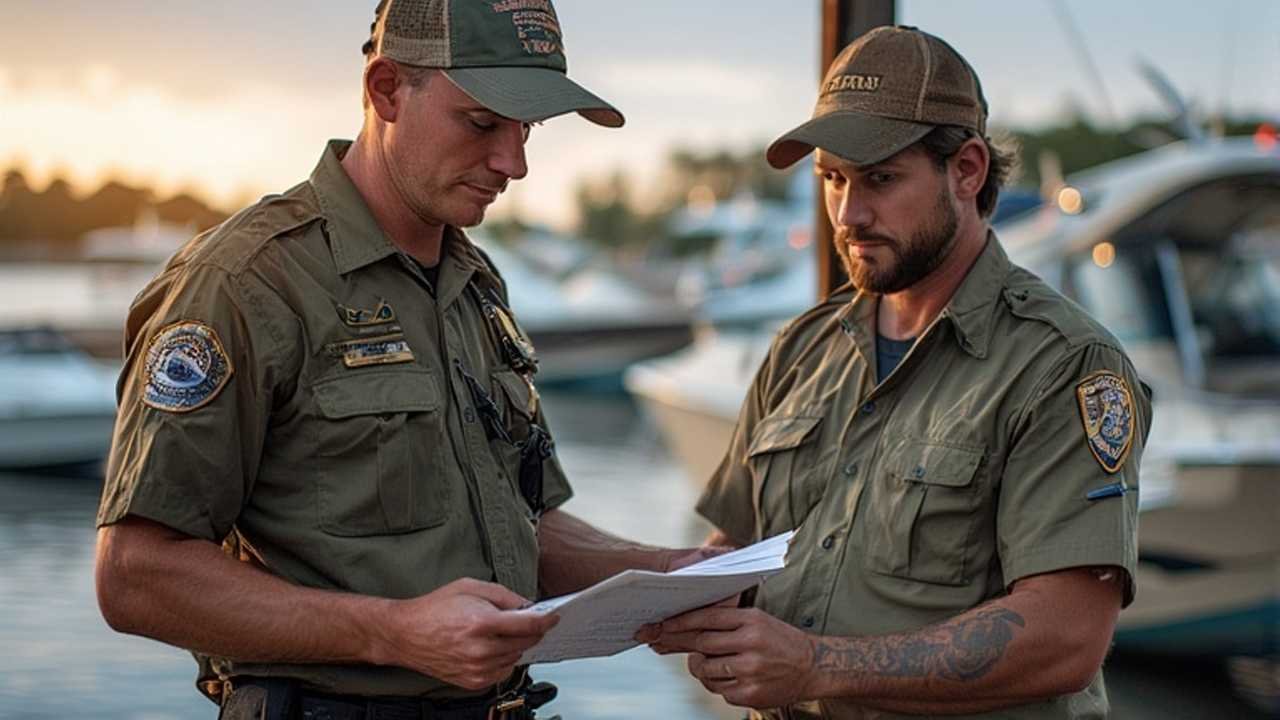
Game wardens and conservation officers enforce fishing regulations with significant legal authority and penalties.
Enforcement Powers:
- Vehicle and equipment search authority
- License and catch inspection rights
- Citation and arrest powers
- Equipment confiscation abilities
- Boat stop and safety inspection authority
- Biological sample collection rights
- Testimonial evidence gathering
Common Violation Penalties:
| Violation Type | Typical Fine Range | Additional Penalties |
|---|---|---|
| Fishing without license | $100-500 | Court costs |
| Over bag limit | $50-200 per fish | Possible license suspension |
| Undersized fish possession | $100-300 per fish | Equipment forfeiture |
| Fishing closed waters | $200-1,000 | Criminal record |
| Illegal tackle methods | $150-500 | Equipment seizure |
| Trespassing | $250-1,000 | Criminal trespass charge |
| Failure to report | $100-250 | License restriction |
Private Water Enforcement
Property owners enforce private water violations through civil and criminal trespass laws.
Private Water Violation Consequences:
- Criminal trespass charges and arrest
- Civil lawsuits for property damage
- Permanent access revocation
- Legal fees and court costs
- Restitution for damages
- Restraining orders
- Community reputation damage
Technology and Modern Fishing Considerations
Electronics and Fish Finding Technology
Modern technology enhances fishing success but may face restrictions on certain waters.
Technology Use Guidelines:
- GPS and mapping systems allowed universally
- Fish finders permitted on most public waters
- Forward-facing sonar tournament restrictions
- Depth finders standard equipment
- Private water owner technology restrictions
- Weather monitoring systems recommended
- Communication devices for safety
Online Resources and Trip Planning
Digital platforms provide valuable information for planning fishing trips to both public and private waters.
Useful Planning Resources:
- State fish and game agency websites
- Real-time stocking reports and schedules
- Water level and flow data
- Weather and safety forecasts
- Access point mapping applications
- Fishing report forums and communities
- Private water listing services
Conservation Programs and Angler Involvement
Public Water Conservation Participation
Anglers contribute to public water conservation through various programs supporting habitat and populations.
Conservation Participation Opportunities:
- Voluntary catch reporting programs
- Habitat restoration volunteer projects
- Fishing tournament proceeds supporting conservation
- License fee allocation to management programs
- Excise tax contributions on tackle purchases
- Citizen science water quality monitoring
- Invasive species early detection networks
Private Water Stewardship
Private water owners invest significantly in fish habitat and population management without public funding.
Private Conservation Investments:
- Pond construction and maintenance costs
- Professional fish stocking programs
- Aquatic vegetation management
- Aeration system installation and operation
- Predator control measures
- Water quality testing and treatment
- Habitat structure placement
Frequently Asked Questions
Can I fish in a pond on private property if it’s visible from a public road?
No, fishing rights on private land are not granted by visibility from public places. Regardless of the water’s apparent accessibility or visibility, all private water fishing requires express authorization from the property owner. Even if you don’t explore other areas of the property, fishing without authorization is considered criminal trespass.
Do I need a fishing license to fish on private property?
In most states, state fishing permits are still necessary, even on private property. While visitors usually require legal licenses, several jurisdictions exclude property owners and their close family from licensing requirements on their own land. Some states may not require a license for private pond fishing, so check your state’s restrictions.
What happens if I accidentally cross from public water onto private property while fishing?
If you promptly depart after being warned about an innocent boundary crossing, you will often receive a warning. However, it is your duty as a fisherman to be aware of property borders. Err on the side of caution, keep an eye out for posted signs, and use mapping apps that display property borders. Trespassing is punishable by repeated infractions or by refusing to leave when requested.
Can property owners set their own bag limits and size restrictions?
Although they cannot permit fishing outside of state conservation laws, property owners are allowed to impose more stringent rules than the minimum required by the state. Owners may, for instance, mandate catch and release exclusively, but they cannot permit the harvesting of protected species or fish that are too small. Unless otherwise noted, state minimum and maximum bag sizes are always applicable.
How do I find private waters willing to grant fishing permission?
Start by inquiring about property access from friends, family, and coworkers. Participate in neighborhood conservation groups and fishing clubs that preserve ties with landowners. During off-peak times, make direct contact with farmers and ranchers. Offer to assist with upkeep of the property or cover fair access costs. Develop connections gradually instead than demanding approval right away.
Are there regulations about how close I can fish to another angler on public waters?
Although most states don’t have strict distance regulations, it’s generally advised to keep at least 50 to 75 feet between fisherman when there is room. Closer closeness is required in busier seas, but always get permission before fishing in close proximity to other people. Be mindful of established positions and refrain from crossing other people’s lines.
What should I do if someone is fishing without permission on my private property?
Tell them politely that they are on private property and request that they leave. Steer clear of conflict and refrain from attempting to seize equipment. Instead of making things worse, call the local police if they won’t go. If at all feasible, take pictures of the occurrence while keeping a safe distance.
Can I be charged with trespassing if I wade through a stream crossing private property?
State-specific stream access regulations will determine this. While some jurisdictions consider all streambed property off-limits without permission, others allow the public access to navigable streams even via private property. While some states forbid any trespassing on private streambeds, Montana permits access to navigable streams up to the high-water mark.