
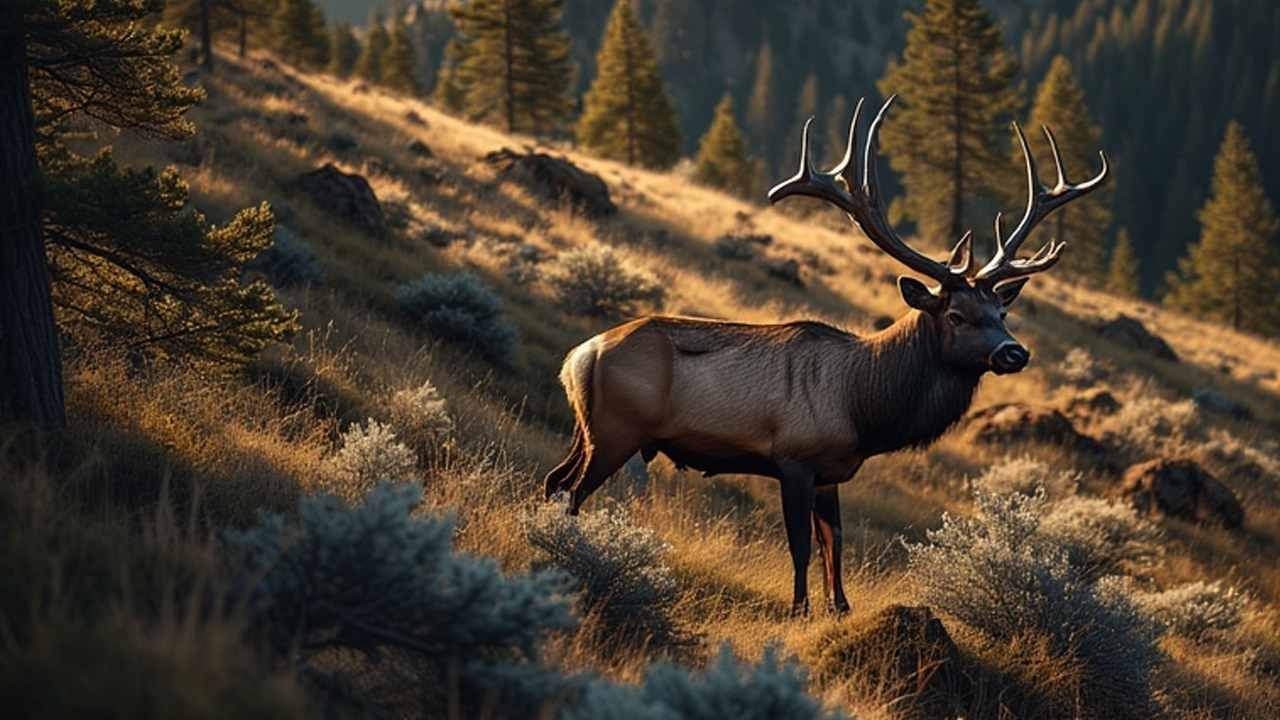
2026–2027 Colorado Big Game and Small Game Hunting: Dates, Licenses, and Zones
Planning a trip to the Centennial State this year? You’ve landed in the right spot. Below is a full rundown of the 2026–2027 Colorado game calendar — big game, turkeys, furbearers, small game, waterfowl and everything in between. You’ll find open and close dates, legal weapon choices, tag requirements, youth opportunities, fee breakdowns and handy links so both locals and out-of-state visitors can plan with confidence.
One thing before we dive in: every date below comes from Colorado Parks and Wildlife (CPW) and its official brochures. Still, rules shift — units close, quotas change — so treat this as your planning map and double-check the state’s official Big Game brochure before you buy anything.
📅 Quick Reference Points
If you only skim one section, make it this one. Here’s the short version of the 2026–2027 year:
| Species | 2026 Open | 2026 Close | Legal Methods | Youth Options |
|---|---|---|---|---|
| Mule deer & whitetail | Sept 2 (archery) | Nov 22 (4th rifle) | Archery, muzzleloader, rifle | Reduced-cost tags, resident & nonresident |
| Elk | Sept 2 (archery) | Nov 22 (4th rifle) | Archery, muzzleloader, rifle | Reduced-cost tags, resident & nonresident |
| Black bear | Sept 2 | Nov 22 (rifle windows) | Archery, muzzleloader, rifle, PLO | Discounted youth tags |
| Turkey (spring) | April 11 | May 31 | Shotgun, archery, crossbow | Youth-only windows & outreach hunts |
| Turkey (fall) | Sept 1 | Oct 23 | Shotgun, archery | Extended youth fall options |
| Ducks & coots | Oct 3 (zones vary) | Jan 31, 2027 | Shotgun, some zones | Youth waterfowl days statewide |
| Geese | Oct 31 (light) | Feb 14, 2027 | Shotgun | Same youth days |
| Dove | Sept 1 | Nov 29 | Shotgun, archery (in some cases) | Same small-game license rules |
| Pheasant | Nov 14 | Jan 31, 2027 | Shotgun | Small-game license covers it |
Big-picture notes: most deer, elk and bear tags are limited and go through a spring draw, though over-the-counter (OTC) options still exist in select units. Waterfowl needs a small-game license plus two stamps. Youth hunters under 18 pay deeply discounted prices, and those under 16 must be accompanied by a mentor in the field. If you’re planning a Rocky Mountain adventure, the spring hunt for Merriam’s gobblers in Colorado typically runs from mid-April through May, offering steep terrain and unforgettable scenery.
🦌 Big Game Overview
Elk is the headline act, and deer aren’t far behind — Colorado manages these under a five-year structure running 2025–2029, so dates stay consistent year to year. Most licenses flow through a limited draw, but OTC tags remain available for 2nd and 3rd rifle bull elk in many units, plus select archery hunts. Here’s how the 2026 calendar breaks down by weapon.
Elk & Deer — 2026 Season Windows
| Season | Elk | Mule Deer / Whitetail | Tag Notes |
|---|---|---|---|
| Archery | Sept 2 – Sept 30 | Sept 2 – Sept 30 | Mostly limited; some OTC archery on plains for deer |
| Muzzleloader | Sept 12 – Sept 20 | Sept 12 – Sept 20 | Draw-only in most country |
| 1st Rifle (5 days) | Oct 14 – Oct 18 | Oct 14 – Oct 18 | Draw-only |
| 2nd Rifle (9 days) | Oct 24 – Nov 1 | Oct 24 – Nov 1 | OTC bull elk available in many units |
| 3rd Rifle (7 days) | Nov 7 – Nov 15 | Nov 7 – Nov 15 | OTC bull elk available in many units |
| 4th Rifle (5 days) | Nov 18 – Nov 22 | Nov 18 – Nov 22 | Limited only |
| Plains Rifle (deer) | — | Oct 24 – Nov 3 | Limited in most zones |
Those dates are confirmed across multiple 2026 sources and match the fixed 2025–2029 structure published by eRegulations, which mirrors CPW’s schedule. The 1st rifle window is elk-only; the later rifle windows let you chase both species.
Black Bear — 2026
| Method | Dates | Notes |
|---|---|---|
| Archery | Sept 2 – Sept 30 | Limited in most units |
| Muzzleloader | Sept 12 – Sept 20 | Draw-based |
| September Rifle | Sept 2 – Sept 30 | Runs alongside archery season |
| September Plains Rifle | Sept 2 – Nov 22 | Eastern plains country |
| Rifle (regular windows) | Oct 14–18, Oct 24–Nov 1, Nov 7–15, Nov 18–22 | Matches elk/deer rifle periods |
| Private Land Only (PLO) | Sept 2 – Nov 22 | Needs landowner permission |
Bear tags are limited in most units but a handful of OTC options exist. Watch the mandatory baiting and hound rules — both are legal in parts of the state with strict conditions spelled out in the brochure.
Pronghorn, Moose & Mountain Lion
- Pronghorn (speed goat): rifle runs Oct 3 – Oct 11, 2026; archery and muzzleloader windows sit in late August through September under the annual structure. Nearly all tags are draw-based.
- Moose: entirely limited, tiny quota, and a once-in-a-while draw for most people. Archery opens early September, rifle follows in October — but without a successful application, you won’t be in the field.
- Mountain lion: licenses go on sale March 31, 2026 through March 31, 2027, with the main harvest window Nov 23, 2026 – March 31, 2027 plus an April spring window in select areas. One cat per license year, and hounds are the standard tool. More detail on CPW’s mountain lion page.
What’s new for 2026: the Gunnison Basin rifle elk units (54, 55, 551) are now fully limited instead of OTC; GMU boundaries shifted in units 97 and 99; CWD testing is now mandatory for rifle-season elk in several units; and CPW added fresh licenses for moose, buck deer, archery elk and bear across multiple units. There’s also a special drawing for rifle hunts at Fishers Peak State Park (applications closed March 6, 2026). Full details in Colorado Outdoors Magazine’s roundup.
🦃 Turkey Dates
Colorado holds Rio Grande and Merriam’s birds, and the spring show is the main draw. Spring tags are limited in many units, so a draw application matters. OTC spring licenses exist too — grab both and you can take two bearded birds.
| Season | 2026 Dates | Bag Limit | Weapons | Notes |
|---|---|---|---|---|
| Spring general | April 11 – May 31 | 2 bearded (1 limited + 1 OTC) | Shotgun (10ga & smaller, #2 or smaller shot), archery, crossbow | Unit-specific windows |
| Spring RFW (residents) | April 11 – May 31 (ranch-dependent) | 1 | Same | Ranching for Wildlife ranches only |
| Youth spring | Varies by unit | 1 bearded | Same | Often opens ahead of general |
| Fall | Sept 1 – Oct 23 | 1 either-sex | Shotgun, archery | Follows scattered flocks |
| Late fall (private land) | Dec 15 – Jan 15, 2027 | Up to 2 beardless | Shotgun, archery | Private land only; buy up to 2 OTC |
The spring preference-point application window runs January 2 – February 3, with spring limited applications due in April and fall ones in May. Youth under 18 pay a fraction of the adult price, and there are outreach hunts for first-timers. Tagging is immediate — sign and attach the carcass tag the moment you harvest. Read the CPW turkey guide for unit closures before booking travel.
🦝 Furbearer Opportunities
Colorado changed the rules here for the 2026–2027 cycle: 17 furbearer species now carry a daily bag limit of two, and beaver hides need a mandatory physical check. A small-game license plus a furbearer harvest permit covers everything, or buy a dedicated furbearer-only license. Coyotes are the exception — no harvest permit needed, but HIP registration is required before your license counts.
| Species | Season | Daily Bag | Extras |
|---|---|---|---|
| Bobcat | Dec 1 – end of Feb | 2 | Hides must be sealed within 30 days of take |
| Coyote | Year-round | 2 | No permit needed; HIP registration required |
| Beaver | Oct 1 – March 31 | 2 | New mandatory check/sealing |
| Badger, fox (red/gray/swift), mink, muskrat, opossum, pine marten, raccoon, ringtail, skunks, weasels | Nov 1 – end of Feb | 2 | Covered by same license |
| Red fox & others | Same window | 2 | Daily limit applies per species |
Trapping rules mirror the harvest dates in most cases. Out-of-staters can chase coyotes and other furbearers with the right license, but be aware that CPW tightened daily limits this year after years with no cap at all. The furbearer breakdown lives on CPW’s furbearer page, and the full table is in the 2026 Small Game & Waterfowl brochure.
🐦 Small Game Section
Small-game dates are mostly annual in Colorado, meaning they repeat every year unless changed. Most species need just the basic small-game license (plus HIP for migratory birds like doves).
| Species | Season | Daily Bag Limit |
|---|---|---|
| Mourning & white-winged dove | Sept 1 – Nov 29 (annually) | 15 in aggregate |
| Eurasian collared dove | Year-round | Unlimited |
| Chukar partridge | Sept 1 – Nov 30 (annually) | 4 |
| Dusky (blue) grouse | Sept 1 – Nov 22, 2026 | 3 |
| Greater sage grouse | Sept 12 – 18, 2026 (North Park: Sept 12–13) | 2 |
| Sharp-tailed grouse | Sept 1 – 20, 2026 | 2 |
| White-tailed ptarmigan | Sept 12 – Oct 4, 2026; extended window to Nov 22 in select GMUs | 3 |
| Pheasant | Nov 14 – Jan 31, 2027 (east of I-25); Nov 14 – Jan 3 (west) | 3 cocks |
| Quail (bobwhite, scaled, Gambel’s) | Nov 14 – Jan 31 / Jan 3, 2027 by zone | 8 of each |
| Fox & pine squirrel | Oct 1 – end of Feb (annually) | 5 of each |
| Abert’s squirrel | Nov 15 – Jan 15 (annually) | 2 |
| Cottontail, snowshoe hare, jackrabbit | Oct 1 – end of Feb (annually) | 10 of each |
| Marmot | Aug 10 – Oct 15 (annually) | 2 |
| Prairie dogs | June 15 – end of Feb (public land); year-round private | Unlimited |
| Snapping turtle | April 1 – Oct 31 | 3 |
Dove hunters should know that CPW’s Walk-In Access program opens more than 154,000 acres specifically for dove shooting — a huge plus for public-landers. Bird hunters west of I-25 deal with tighter pheasant windows; east of the interstate you get the longer stretch.
🦆 Complete Waterfowl Seasons
Colorado splits waterfowl into Central and Pacific flyway zones, each with its own segments. The 2026–2027 numbers below come straight from the released 2026 brochure, so they’re current as of this writing. You’ll need a small-game license, the $33 federal duck stamp, the ~$12.76 Colorado state waterfowl stamp, and a HIP registration.
Ducks, Mergansers & Coots
| Zone | Segment 1 | Segment 2 |
|---|---|---|
| Northeast (Central) | Oct 17 – Nov 29, 2026 | Dec 11, 2026 – Jan 31, 2027 |
| Southeast (Central) | Oct 28, 2026 – Jan 31, 2027 | — |
| Mountain/Foothills (Central) | Oct 3 – Nov 29, 2026 | Dec 25, 2026 – Jan 31, 2027 |
| Western (Pacific) | Oct 3 – 20, 2026 | Nov 6, 2026 – Jan 31, 2027 |
| Eastern (Pacific) | Oct 3, 2026 – Jan 15, 2027 | — |
| September Teal | Sept 12 – 20, 2026 | Limited to specific counties |
Standard daily bag for ducks sits at 6 birds with species-specific sub-limits (mallards, pintails, canvasbacks all have caps), and the possession limit is three times the daily bag. Check the Colorado duck season page for the exact species breakdown — it changes slightly each cycle.
Geese
| Zone / Season | Dark Goose | Light Goose |
|---|---|---|
| Central Flyway regular | Nov 2, 2026 – Feb 14, 2027 | Oct 31, 2026 – Feb 14, 2027 |
| Light goose conservation order | — | Feb 15 – April 30, 2027 |
| Early Canada goose | Sept 1 – 9 (annually) | — |
| Pacific – Western zone | Oct 3 – 11, 2026 + Nov 6 – Jan 31, 2027 | Same |
| Pacific – Eastern zone | Oct 3, 2026 – Jan 6, 2027 | Same |
The conservation order in late winter is a serious event — snow and Ross’s goose numbers are huge on the Eastern Plains, and no federal stamp is required during that window. A detailed map of every flyway zone is inside the Small Game & Waterfowl brochure.
🐗 Other Available Game
Beyond the headline species, Colorado offers a handful of niche pursuits — and a few things you simply won’t find here. Be honest about expectations: this isn’t a frog-leg or hog-hunting state.
| Species | Season | Notes |
|---|---|---|
| Sandhill crane | Fall window (Sept–Nov by zone) | Limited draw, mostly on the Eastern Plains; a bucket-list hunt for many |
| Rail | Sept 1 – Nov 9 | Migratory bird; small-game license + HIP |
| Snipe | Sept 1 – Dec 16 | Same rules as rails |
| European starling & house sparrow | Year-round | No limit, no license needed |
| Mountain lion | Nov 23, 2026 – Mar 31, 2027 | Already covered above; one per license year |
| Wolves & lynx | Closed | Fully protected — no legal take, ever |
| Frogs, wild pigs, crows | No seasons | Not classed as game here |
Cranes deserve a special call-out: the draw is competitive, the hunting is memorable, and the rules (shot size, field decoys, hunting hours) are specific — read the migratory bird section before you commit. And while coyote hunting is open year-round, the daily cap of two is a new 2026 wrinkle people keep forgetting.
🗺️ Hunting Zones
Colorado runs on game management units (GMUs) — roughly 180-plus numbered zones that define where a tag is valid. Every license, OTC or limited, lists the GMUs it covers, so unit choice is often the deciding factor between a great hunt and a wasted trip.
- The Colorado Hunting Atlas is your best friend — an official interactive map showing GMU boundaries, big-game concentration data, public land and access points.
- Public land (national forests, BLM, state wildlife areas) dominates the mountains; the plains mix public walk-in ground with large private ranches.
- State Wildlife Areas require a valid hunting or fishing license (or SWA pass) to enter — your license doubles as your access card, but park only in designated lots.
- Private property is private, period. Landowner permission is mandatory on posted ground, and trespassing burns access for everyone.
- A GMU map also appears on the inside back cover of the Big Game brochure if you prefer paper.
🎟️ Permits, Tags & Licenses Details
Colorado’s licensing is straightforward once you know the layers: a base license, species-specific tags where needed, and stamps for waterfowl and habitat. Here’s the 2026 fee picture assembled from CPW’s published pricing:
| License Type | Resident | Nonresident |
|---|---|---|
| Annual small game | $35.76 | $98.92 |
| Deer | $49.15 | $494.47 (combo incl. fishing) |
| Elk | $67.86 | $825.03 (combo) |
| Pronghorn | $49.15 | $494.47 (combo) |
| Bear | $61.62 | $294.75 (combo) |
| Mountain lion | $61.62 | $825.03 |
| Youth small game & furbearer | $1.46 | $1.46 |
| Youth deer / elk / bear | $18.90 / $18.90 / $18.29 | $126 / $126 / $61 |
Add-ons and stamps:
- Habitat Stamp — roughly $12–13 per year, auto-added for anyone aged 18–64 with their first license; a lifetime version runs about $374.
- Colorado Waterfowl Stamp — about $12.76; printed on your license, must be signed in ink.
- Federal Migratory Bird Stamp (Duck Stamp) — $33; electronic versions are now accepted for the whole season.
- Furbearer Harvest Permit — about $10, needed only if you want furbearers beyond what a small-game license covers (coyote exempt).
- Second-rod / archery — archery itself needs no extra add-on; your big-game tag plus hunter status covers bow use during archery-only windows.
- Youth — anyone under 18 qualifies for deeply discounted licenses; those under 16 must be accompanied by a licensed adult mentor (18+, hunter-ed certified).
- Military — active-duty personnel stationed in Colorado qualify for resident pricing; veterans with disabilities have dedicated access programs.
- Disability program — CPW offers accessible hunting opportunities and limited private-land turkey licenses in units 91, 92 and 96 for hunters with disabilities.
- Short-term licenses — out-of-staters can buy daily or multi-day small-game options in some cases; big-game tags are full-price regardless.
Draw deadlines that matter: the primary limited draw closed April 7, 2026 (8 p.m. MT); the secondary draw closed June 30, 2026; leftover license sales opened August 4, 2026. If you missed the boat this year, preference points bank toward 2027. Fees come from Colorado hunter licensing pages and can nudge a few cents from season to season.
❓ Colorado Hunting Quick FAQ
When is the deadline to apply for limited deer and elk licenses?
The primary draw application and correction deadline for 2026 was April 7, 2026 at 8 p.m. MT, with the secondary draw closing June 30, 2026. Any remaining (leftover) tags went on sale August 4, 2026.
Do I really need a habitat stamp?
Yes — if you’re between 18 and 64, the annual habitat stamp (about $12–13) is automatically added to your first license purchase of the year. Kids and seniors 65+ are exempt.
Can nonresidents buy over-the-counter elk tags?
In many units, yes — 2nd and 3rd rifle bull elk are still sold OTC, and select archery opportunities exist. But quotas for nonresidents are capped (roughly 25% of some draw hunts), and the Gunnison Basin rifle elk units went fully limited for 2026. Buy early; popular units sell out fast.
What changed for the 2026 big game cycle?
Four big items: GMU 97/99 boundary updates, mandatory CWD testing for rifle-season elk in specific units, new licenses for moose/buck deer/archery elk/bear, and the Gunnison Basin rifle elk switch to a limited draw. Plus the Fishers Peak State Park rotation.
What stamps do I need for ducks and geese?
A small-game license, the $33 federal duck stamp, the Colorado state waterfowl stamp (about $12.76) and a HIP registration before you hunt. No federal stamp is needed during the light goose conservation order.
Is there a wolf season in Colorado?
No. Wolves are a federally protected species here, and lynx are state-protected — both are completely off-limits. Plan your trips around the species that are open.
How do youth hunts work?
Hunters under 18 get discounted licenses across the board. Those under 16 must hunt with a mentor (18+, hunter-ed certified) who stays within sight and earshot. Turkey, waterfowl and big game all have youth-focused windows — check each brochure for dates.
Conclusion
That’s the 2026–2027 Colorado picture in one place: elk and deer run the classic archery-to-rifle ladder from early September through late November; turkeys stretch from April into the new year; small game and waterfowl cover the fall and winter months; and furbearers carry into early spring. The two habits that separate successful hunters from disappointed ones — apply on time and read the brochure for your exact units — are the same habits that keep this sport safe and sustainable. Tags are finite, so grab yours the moment sales open, verify your dates against CPW’s hunting hub, and give the land more respect than you take from it.
Bookmark this guide — we refresh it every year as the state announces updates. Whether you’re a Coloradan chasing a first elk or a visitor planning a bucket-list rifle hunt, the mountains are waiting. Get your gear sorted, your points banked, and your calendar marked. See you in the field.