
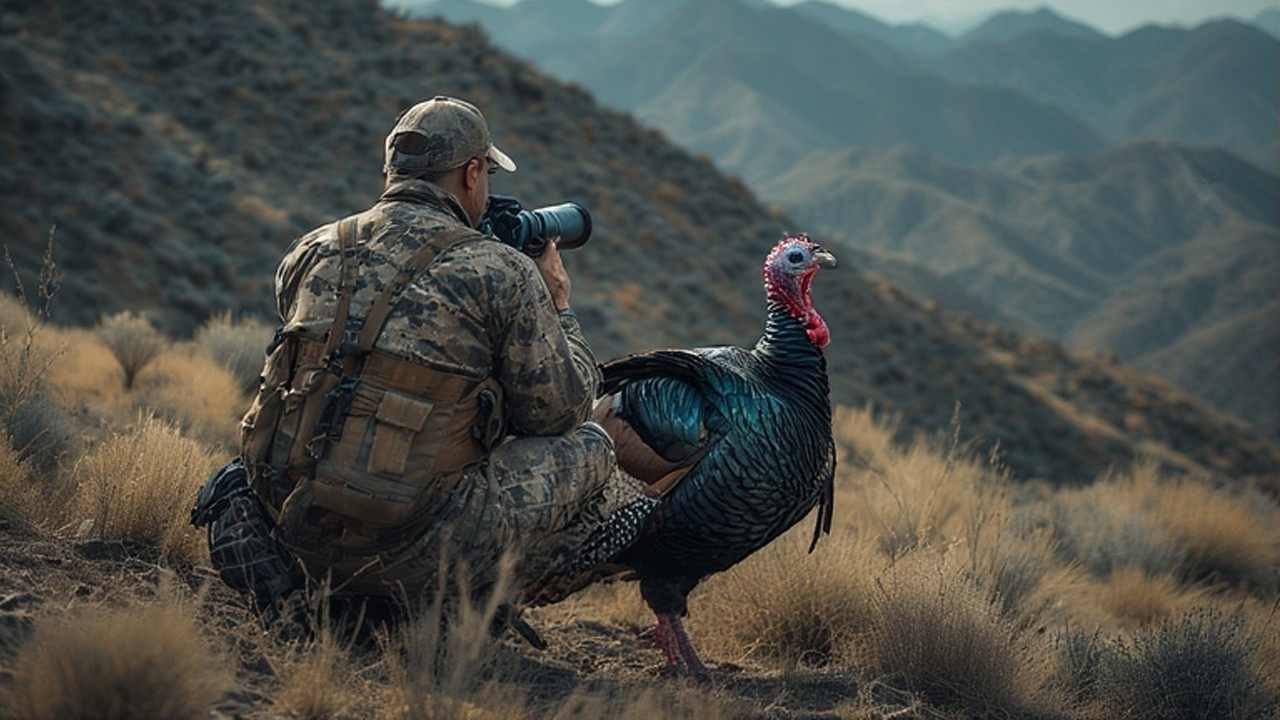
Arizona 2026 Turkey Season for Hunters: Dates, Permits, and Zones
You know there’s something unique about pursuing longbeards in Arizona if you’ve ever heard a Merriam’s gobbler reverberate down a ponderosa pine canyon at dawn. The state’s varied environments, from forests at high elevations to scrubby desert foothills, make hunting here unlike anyplace else in the country. But before you put on your boots and go out in 2026, you need to know the exact dates, areas, and rules that apply to hunting these cautious birds.
This book has all the information you need for the spring and autumn possibilities in 2026. It includes the precise dates of the seasons, how the management units are divided up, the bag limits, the licensing procedures, and the restrictions that protect both hunters and animals. Having the right information is what makes the difference between a successful hunt and a frustrating one, whether you’re a first-time caller or an experienced one.
Quick Overview: Arizona Turkey Hunting 2026
| Turkey Species | Primary Season Dates | Legal Methods |
|---|---|---|
| Merriam’s Wild Turkey | April 17 – May 17, 2026 (Spring) | Shotgun, archery, crossbow |
| Gould’s Wild Turkey | April 3 – April 19, 2026 (Spring, limited units) | Shotgun, archery, crossbow |
| Fall General Hunt | October 2 – November 15, 2026 | Shotgun, archery, crossbow |
All Turkey Seasons: Detailed 2026 Schedule
| Season Name | Dates (2026) | Units/Zones | Bag Limit | Permit Details |
|---|---|---|---|---|
| Spring Youth Hunt | April 10–12, 2026 | Statewide (where turkeys present) | 1 bearded turkey | Youth-only permit required |
| Spring General (Merriam’s) | April 17 – May 17, 2026 | Units 1, 3A, 3B, 3C, 4A, 4B, 5A, 5B, 6A, 6B, 7, 8, 9, 10, 12A, 12B, 27 | 1 bearded turkey per tag | General tag or draw tag depending on unit |
| Spring Limited (Gould’s) | April 3 – April 19, 2026 | Unit 23 (Peloncillo Mountains) | 1 bearded turkey | Draw only; limited tags |
| Fall General Hunt | October 2 – November 15, 2026 | Units 1, 3A, 3B, 4A, 4B, 5A, 5B, 6A, 6B, 8, 9, 10 | 1 turkey (either sex) | General fall tag |
From my experience preparing for spring hunts in Arizona’s White Mountains, the April opener can still bring cold mornings and unpredictable weather. Packing layers and waterproof gear has saved more than one of my early-season scouting trips.
More Bird Species 🕊️
Arizona offers excellent hunting opportunities beyond turkeys. If you’re planning an extended trip or looking to diversify your upland game pursuits, consider these other legally hunted birds:
- Mourning Dove: Season runs September 1 – September 15, 2026 (early season) and November 20, 2026 – January 8, 2027 (late season). Daily bag limit is 15 birds.
- White-winged Dove: September 1 – September 15, 2026. Daily bag limit is 15 birds (combined with mourning dove).
- Gambel’s Quail: October 16, 2026 – February 10, 2027. Daily bag limit is 15 birds.
- Scaled Quail: October 16, 2026 – February 10, 2027. Daily bag limit is 15 birds.
- Band-tailed Pigeon: September 18 – October 11, 2026. Daily bag limit is 5 birds (draw hunt only).
Each species has its own charm and challenge. Quail hunting in the Sonoran Desert is a completely different rhythm compared to calling in a gobbler at 7,000 feet.
Arizona Turkey Regulations 🌾
Understanding the rules isn’t just about staying legal—it’s about respecting the resource and ensuring future generations can enjoy the same experiences. Here’s what you need to know:
- Legal Weapons: Shotguns (10-gauge or smaller), archery equipment with a minimum 30-pound draw weight, and crossbows are all permitted. Rifles are not allowed for turkey hunting in Arizona.
- Shooting Hours: One-half hour before sunrise to one-half hour after sunset. Timing your setup in the dark and waiting for legal shooting light is part of the discipline.
- Calling Restrictions: Electronic calls are prohibited during spring turkey seasons. Mouth calls, box calls, and friction calls are allowed. Fall seasons permit electronic calls in some units—check your specific unit regulations.
- Tagging Requirements: Immediately upon harvest, you must validate your tag by notching the month and day. The tag must remain attached to the bird during transport.
- Land Access: Roughly 60% of Arizona turkey habitat is on public land managed by the U.S. Forest Service or Bureau of Land Management. Respect posted boundaries, and always verify access rules for state trust lands, which may require additional permits.
- Hen Restrictions: During spring seasons, only bearded turkeys may be harvested. Fall general hunts allow either-sex harvest in designated units.
- Ethical Practices: Use non-toxic shot if hunting in areas overlapping waterfowl zones. Practice accurate shooting within your effective range. Retrieve all downed birds promptly.
License & Tag Fees 🎟️
Pricing for 2026 reflects Arizona’s commitment to both accessibility and conservation funding:
| License/Tag Type | Resident | Non-Resident | Youth (ages 10-17) |
|---|---|---|---|
| Hunting License (Annual) | $37 | $160 | $5 |
| Spring Turkey Tag | $25 | $150 | $5 |
| Fall Turkey Tag | $20 | $120 | $5 |
| Habitat Stamp | $8 | $8 | Not required |
Where to Purchase: Licenses and tags can be bought online through the Arizona Game and Fish Department portal, at authorized license dealers statewide (sporting goods stores, tackle shops), or in person at any Arizona Game and Fish office. The online system is available 24/7 and is especially helpful during draw application periods.
Senior hunters (ages 70+) may qualify for discounted or free licenses depending on residency status. Active-duty military stationed in Arizona can apply for resident pricing under certain conditions.
License Requirements
Who needs what, and when? Here’s the breakdown:
- All hunters ages 10 and older must possess a valid Arizona hunting license and the appropriate turkey tag for the season and unit they’re hunting.
- Hunter Education: Anyone born on or after January 1, 1967, must complete an approved hunter education course before purchasing a license. Arizona accepts hunter education certifications from all U.S. states and Canadian provinces. Online hybrid courses are available and fulfill the requirement.
- Youth Hunters: Ages 10-13 must be accompanied by a licensed adult (18 or older) at all times in the field. The accompanying adult does not need to be hunting but must maintain direct supervision.
- Landowner Permits: Arizona does not have a formal landowner preference program for turkeys. Private landowners hunt under the same draw and tag systems as other residents, though they retain the right to manage access on their property.
- Nonresident Limits: There are no caps on nonresident turkey tags for most general units. However, limited-entry Gould’s turkey hunts in Unit 23 are subject to a draw, and nonresidents receive a percentage of available tags.
If you’re planning a cross-state hunt, you might also want to review regulations in neighboring states. For example, checking out the Alabama turkey season can give you ideas for planning multi-state spring trips in different ecosystems.
Frequently Asked Questions
What’s the best time of day to hunt turkeys in Arizona?
Early morning, right after fly-down, is prime time. Gobblers are vocal, hens are moving, and the cool desert air carries sound beautifully. Late morning (9 a.m. to noon) can also be productive once hens leave the toms to nest. Evening hunts are legal but generally less productive in Arizona compared to other states.
Can a beginner hunt turkeys in Arizona?
Absolutely. Spring turkey hunting is one of the most accessible pursuits for newcomers. Take a hunter education course, practice with your calls, scout your unit ahead of time, and consider starting in a general unit with higher bird densities like Unit 3B or 5B.
Are electronic calls allowed?
Not during spring turkey seasons. Hand-operated calls only. Fall seasons in select units may permit electronic calls—double-check the regulations for your specific hunt.
Can I hunt on both public and private land?
Yes, but rules differ. Most U.S. Forest Service and BLM lands are open to hunting without additional permits. Arizona State Trust Land requires a Recreation Permit ($15 annually). Private land requires written landowner permission. Always verify boundaries using maps or GPS.
What if I draw a limited-entry Gould’s turkey tag?
Congratulations—you’re in for a unique hunt. Unit 23 in the Peloncillo Mountains is the only place in the U.S. where Gould’s turkeys are hunted. These birds are larger and warier than Merriam’s. Prepare for rugged terrain, limited water, and an unforgettable experience.
Do I need a habitat stamp?
Yes. All hunters (except youth) must purchase an Arizona Habitat Stamp along with their license. The $8 fee funds critical wildlife habitat projects statewide.
Can I use a crossbow for turkey hunting?
Yes. Crossbows are legal for all hunters during turkey seasons in Arizona without any special permits or disability documentation required.
Conservation & Safety
Arizona’s turkey populations are carefully managed by the Arizona Game and Fish Department to ensure long-term sustainability. Bag limits, season dates, and unit-specific regulations are based on annual population surveys, harvest data, and habitat assessments. By following these rules, you’re contributing to science-based wildlife management that keeps flocks healthy and huntable.
A few quick safety reminders before you head out:
- Always positively identify your target. Never shoot at sound, movement, or color alone.
- Wear hunter orange when traveling to and from your setup, even though it’s not required during the hunt itself.
- Let someone know your hunting location and expected return time.
- Carry a first aid kit, plenty of water, and a GPS or map. Cell service is spotty in many turkey zones.
- Be aware of other hunters. Spring gobblers attract crowds in popular units.
- Respect private property boundaries and follow all access regulations on public lands.
Conclusion
In 2026, hunting wild turkeys in Arizona is more than just completing a tag. It’s a way to interact with wild areas, test your woodsmanship, and take part in a ritual that shows respect for the land and its animals. It makes a difference if you are glassing for Merriam’s in the high country or stalking Gould’s in the borderlands.
Before you go hunting, make sure to verify with the Arizona Game and Fish Department about all the dates, fees, and laws that apply to your unit. Rules might change, so it’s important to remain up to date to make sure you’re hunting legally and morally. Check out the full Arizona hunting seasons overview to plan your whole year in the field and get more chances to hunt in the state.
Good luck out there. I hope your mornings are cold, your gobblers are loud, and your memories linger.