
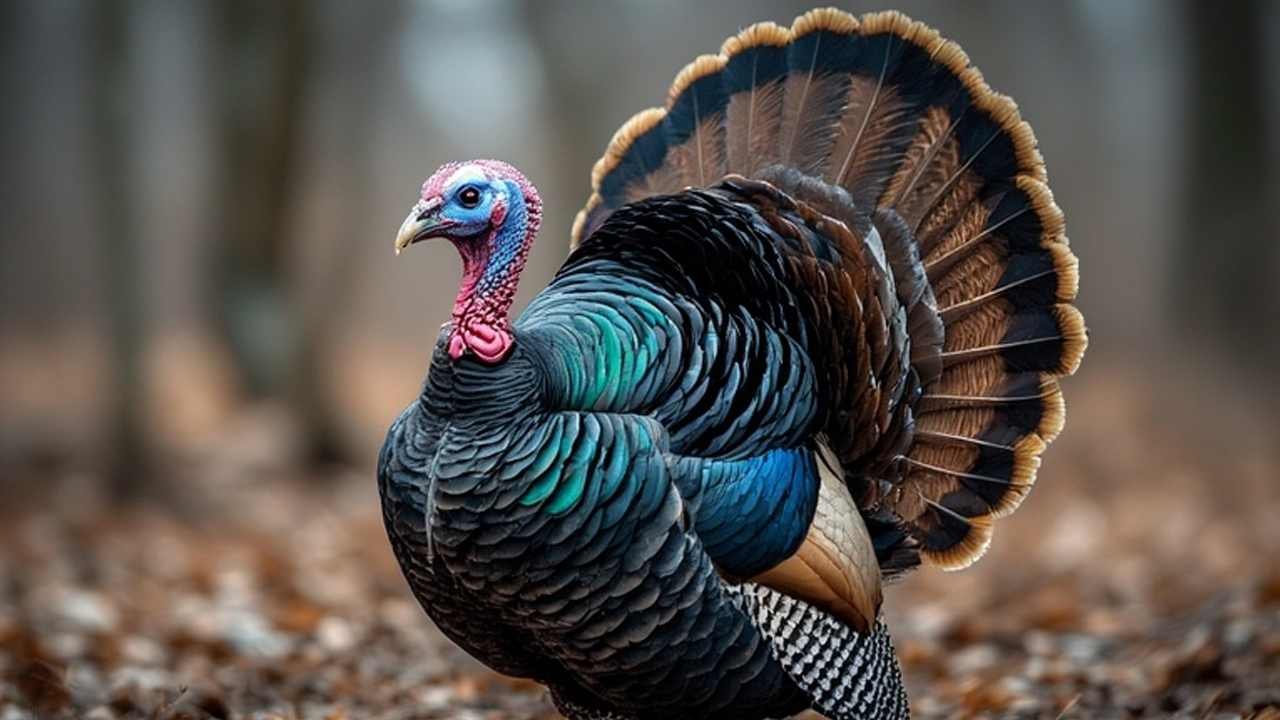
Arkansas Turkey Season 2026: Hunting Rules and Full Schedule
You know turkey hunting in The Natural State is exceptional if you’ve ever felt the thrill of a gobbler answering your first call of the morning. Arkansas has some of the best spring turkey hunting in the country. There are a lot of public lands to hunt on and a lot of healthy Eastern wild turkeys. This book tells you everything you need to know for the 2026 season, from exact hunting dates and zone splits to license requirements and field-tested advice that will help you tag out in a fair and effective way.
This guide has everything you need to know, whether you’re a first-time hunter wondering what all the commotion is about or an experienced hunter verifying your dates before traveling to the Ozarks.
Quick Overview Table
| Turkey Type | Season Dates (2026) | Legal Methods |
|---|---|---|
| Eastern Wild Turkey (Spring Youth) | April 4–5, 2026 | Shotgun, archery, crossbow |
| Eastern Wild Turkey (Spring Regular) | April 13 – May 3, 2026 | Shotgun, archery, crossbow |
| Eastern Wild Turkey (Fall/Winter) | October 1, 2026 – February 28, 2027 | Shotgun, archery, crossbow (either sex) |
All Arkansas Turkey Seasons (Detailed Table)
| Season Name | Exact Dates (2026) | Zones/Regions | Bag Limit | Permit/Tag Details |
|---|---|---|---|---|
| Spring Youth Weekend | April 4–5, 2026 | Statewide | 1 bearded bird | Valid turkey permit required; youth must be accompanied by adult (non-hunting or licensed) |
| Spring Regular Season | April 13 – May 3, 2026 | Statewide | 3 bearded birds (1 per day) | Valid spring turkey permit required; no zone restrictions |
| Fall/Winter Season | October 1, 2026 – February 28, 2027 | Statewide | 1 turkey (either sex) | Separate fall permit required; bearded or beardless legal |
From my experience preparing for spring hunts in Arkansas, the youth weekend is a fantastic opportunity to get young hunters in the woods before the pressure ramps up. The habitat is lush, gobblers are vocal, and you’ll often have public land mostly to yourself if you pick the right WMA.
More Bird Species 🕊️
Arkansas isn’t just about turkeys. If you’re looking to diversify your upland game pursuits in 2026, consider these legally huntable species:
- Mourning Dove: September 1 – November 29, 2026 (early split); December 19, 2026 – January 17, 2027 (late split)
- Quail (Northern Bobwhite): November 7, 2026 – February 15, 2027
- Woodcock: December 12, 2026 – January 25, 2027
- Snipe: November 7, 2026 – February 20, 2027
- Crow: July 1 – August 31, 2026 and December 5, 2026 – March 2, 2027
Each of these offers unique challenges and can fill your fall and winter calendar when turkey action slows down. Always verify current regulations with the Arkansas Game and Fish Commission before heading out.
Arkansas Turkey Regulations 🌾
Understanding the rules isn’t just about staying legal—it’s about respecting the resource and ensuring sustainable hunting for future generations. Here’s what you need to know:
- Legal Weapons: Shotguns (no larger than 10-gauge; plugged to 3-shell capacity recommended for spring), archery equipment with minimum 30-pound draw weight at 28 inches, crossbows with minimum 125-pound draw weight.
- Shooting Hours: Spring season runs from one-half hour before official sunrise until sunset. Fall/winter allows hunting during general daylight hours. Always double-check local sunrise times—it changes noticeably over the three-week spring window.
- Electronic Calls: Legal during fall/winter season only. Spring season prohibits electronic calling devices; use mouth calls, box calls, or friction calls.
- Decoys: Permitted during spring season. Be cautious with decoy placement on public land to avoid safety issues—other hunters may approach.
- Land Access: Arkansas boasts over 350,000 acres of public Wildlife Management Areas (WMAs) open to turkey hunting. Some WMAs require special-use permits or have quota hunt systems. Private land hunting requires written landowner permission.
- Tagging and Transport: Immediately upon harvest, attach your turkey permit (carcass tag) to the bird. You must keep the beard or leg attached during transport to prove sex and legality.
- Clothing: Hunter orange is not required for turkey hunting in Arkansas, but wearing it while walking to and from your setup is a smart safety practice.
- Ethical Standards: Never shoot a hen during spring season. Only bearded birds are legal. During fall/winter, either sex is legal, but practice selective harvest to maintain population balance.
License & Tag Fees 🎟️
Getting properly licensed is straightforward in Arkansas, and fees remain reasonable compared to many other states:
Resident Fees (2026)
- Hunting License: $25 (annual)
- Spring Turkey Permit: $15
- Fall Turkey Permit: $10
- Combination Hunting/Fishing License: $35
Non-Resident Fees (2026)
- Hunting License: $185 (annual)
- Spring Turkey Permit: $40
- Fall Turkey Permit: $30
- 5-Day Non-Resident Hunting License: $55 (plus turkey permit)
Youth & Senior Discounts
- Youth hunters (ages 16 and under): Hunting license is free; turkey permits still required at standard youth rates
- Senior residents (age 65+): Eligible for lifetime license options or reduced annual fees
Where to Purchase
Licenses and permits can be purchased online through the Arkansas Game and Fish Commission (AGFC) website, by phone at 800-364-4263, or in person at licensed vendors statewide including sporting goods stores, Walmart locations, and regional AGFC offices.
Important: Your spring turkey permit is valid for the entire spring season and allows harvest of up to three bearded birds (one per day). You do not need separate tags for each bird—just record your harvest properly.
License Requirements
Not everyone needs the same paperwork. Here’s who needs what:
Who Needs a License?
- All hunters age 16 and older must possess a valid Arkansas hunting license and appropriate turkey permit.
- Non-residents hunting in Arkansas need a non-resident hunting license plus turkey permit.
Hunter Education
- Anyone born on or after January 1, 1969, must successfully complete a Hunter Education course approved by AGFC before purchasing a hunting license.
- The course covers firearm safety, ethics, wildlife identification, and regulations. Online and in-person options are available.
Age Requirements
- Youth hunters under age 16 can hunt during youth season and regular season but must be accompanied by a licensed adult (age 21+) who remains within normal voice contact.
- The accompanying adult does not need to purchase a turkey permit if they are not hunting.
Landowner Exemptions
- Arkansas residents hunting on their own land (land they own or lease) may be exempt from purchasing a hunting license but still require turkey permits.
- Verify exemption eligibility directly with AGFC, as criteria can be specific.
FAQs Section
Q: What’s the best time of day to hunt turkeys in Arkansas?
A: Early morning, right around sunrise, is prime time. Gobblers are vocal at fly-down and actively seeking hens. Late morning (9–11 a.m.) can also be productive once hens leave the toms to nest. Evening hunting is legal but often less effective since birds are heading to roost and quieter.
Q: Can beginners hunt turkeys in Arkansas, or do I need prior experience?
A: Absolutely beginners are welcome. Just complete your Hunter Education course if required, get your license and permit, and consider going out with an experienced hunter your first time. Arkansas has plenty of public land and resources for newcomers.
Q: Are electronic calls allowed during spring season?
A: No. Electronic or battery-powered calls are prohibited during spring turkey season in Arkansas. You can use mouth calls, box calls, slate calls, and other manual friction calls. Electronic calls are legal during the fall/winter season.
Q: Can I hunt on public land without special permits?
A: Most Wildlife Management Areas are open for spring turkey hunting with just your hunting license and turkey permit. However, some WMAs require a special-use permit or operate on a quota system. Always check the current AGFC WMA regulations for the specific area you plan to hunt.
Q: What should I do if I accidentally call in another hunter?
A: Stay calm, stay still, and identify yourself verbally in a clear, loud voice. Never wave or make sudden movements. This is why wearing hunter orange when walking to your setup is critical, even though it’s not required while actually hunting.
Q: How do fall and spring turkey hunting differ?
A: Spring hunting targets vocal, breeding-season gobblers. You’re typically calling in aggressive toms. Fall and winter hunting is about locating flocks, scattering them, and calling birds back together. Either-sex harvest is allowed in fall, and behavior is less predictable.
Q: Do I need landowner permission to hunt private land?
A: Yes, always. Trespassing is illegal and damages the reputation of ethical hunters. Get written permission when possible and respect property boundaries, gates, and any specific rules the landowner sets.
Conservation & Safety
Arkansas’s turkey population didn’t rebound by accident. In the mid-20th century, wild turkeys were nearly extinct across much of their historic range due to overharvesting and habitat loss. Through decades of science-based management, habitat restoration, and regulated hunting, the Arkansas Game and Fish Commission has successfully restored robust, sustainable populations of Eastern wild turkeys throughout the state.
Spring season regulations—like bearded-bird-only rules and bag limits—are designed to protect hens during nesting season, ensuring future generations of hunters have the same opportunities. Ethical hunters understand that following these rules isn’t about restriction; it’s about stewardship.
Quick Safety Reminders:
- Never stalk a turkey. Always call them to you.
- Positively identify your target and what lies beyond it before shooting.
- Camouflage your hands, face, and gun—but avoid red, white, or blue (gobbler head colors).
- Announce your presence to other hunters if needed.
- Avoid setting up near roads, trails, or other hunters.
Respect the Land:
- Pack out what you pack in.
- Leave gates as you found them.
- Stay on designated trails when required.
- Report poaching or violations to AGFC’s wildlife hotline: 800-482-9262.
If you’re exploring hunting opportunities in neighboring states, check out resources like Alabama’s turkey season guide or Arizona’s turkey hunting insights to compare regulations and plan multi-state trips.
For broader hunting and licensing details specific to Arkansas, visit Arkansas hunting seasons overview on StateOutdoors.org.
You can also consult the Arkansas Game and Fish Commission’s official site for the latest proclamations, maps, and regulatory updates.
Conclusion
There are three things you need to do to plan a successful turkey hunt in Arkansas: know when you may hunt, follow the rules, and do the work before the season starts. From April 13 to May 3, 2026, there will be three weeks of great hunting. A special youth weekend will start things off early. This condition is great for both getting your first longbeard and adding to your collection.
Before you go, be sure to double-check all the information with the Arkansas Game and Fish Commission. Seasons, WMA rules, and restrictions might change. Hunt safely, responsibly, and enjoy every daybreak in the woods with the turkeys.