
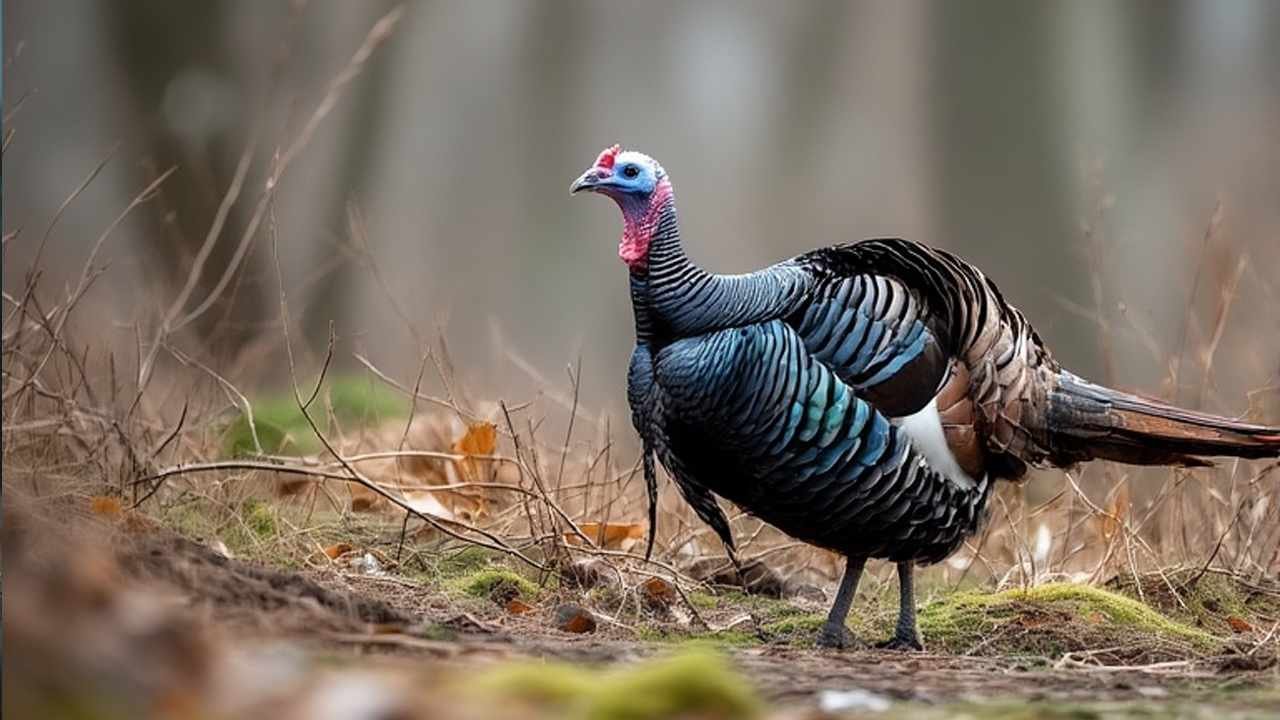
Connecticut’s Turkey Season 2026: Hunting Laws and Dates
You’re in the perfect location if you’re getting ready for the 2026 gobbler chase in Connecticut. Connecticut is a great place for wild turkey fans since the spring season brings hunters to both public and private areas in beautiful New England. This book tells you the specific dates, rules, license requirements, and insider insights you need to know to arrange a safe, legal, and fun hunt.
We can help you, whether you’re a first-time hunter trying to figure out what permits you need or an experienced hunter who wants to double-check bag restrictions. Connecticut’s wild turkey population has grown a lot over the past several decades, from the hardwood ridges of Litchfield County to the river valleys of the eastern uplands.
Quick Overview Table
| Turkey Type | Season Dates (2026) | Legal Methods |
|---|---|---|
| Wild Turkey (Spring) | April 22 – May 26, 2026 | Shotgun, bow, crossbow |
| Wild Turkey (Fall – Private Land Youth Hunt) | October 17 – 18, 2026 | Shotgun, bow, crossbow |
| Wild Turkey (Fall – General Season) | October 19 – November 21, 2026 | Shotgun, bow, crossbow |
All Turkey Seasons (Detailed Table)
| Season Name | Exact Dates (2026) | Zones/Regions | Bag Limit | Permit/Tag Details |
|---|---|---|---|---|
| Spring Turkey Season | April 22 – May 26, 2026 | Statewide | 1 bearded turkey | Private land or public land permit required |
| Fall Youth Turkey Hunt (Private Land Only) | October 17 – 18, 2026 | Statewide (private land) | 1 turkey (either sex) | Youth must possess valid hunting license and turkey permit |
| Fall Turkey Season (General) | October 19 – November 21, 2026 | Statewide | 1 turkey (either sex) | Valid hunting license and turkey permit required |
More Bird Species 🕊️
Connecticut also offers hunting opportunities for other upland game birds, giving you more reasons to explore the state’s diverse habitats:
- Ruffed Grouse: Season runs from October 15 – December 31, 2026. Bag limit is 2 per day.
- Pheasant: Season opens October 15 and closes December 31, 2026. Daily bag limit is 2 birds.
- Woodcock: October 10 – November 23, 2026. Daily limit is 3 birds.
- Waterfowl (Ducks & Geese): Dates vary by zone; typically September through January. Check the Connecticut DEEP website for specific frameworks.
These seasons provide excellent variety for hunters looking to extend their time afield beyond the gobbler months.
Connecticut Turkey Regulations 🌾
Before you head into the woods, make sure you’re up to speed on the state’s specific rules. Connecticut’s Department of Energy and Environmental Protection (DEEP) sets clear guidelines to ensure safe and sustainable hunting:
- Legal Weapons: Shotguns (10-gauge or smaller), bows, and crossbows are permitted. Rifles are not allowed for turkey hunting.
- Shooting Hours: Spring season runs from one-half hour before sunrise to sunset. Fall season follows the same timeframe.
- Ammunition: Shot size must not exceed #4 for shotguns. Lead shot is legal for turkey, but always verify current regulations.
- Decoys & Calls: Electronic calls are prohibited. Manual calls and decoys are allowed.
- Tagging & Reporting: Harvest must be reported within 24 hours via the DEEP online system or by phone. Your permit must be validated immediately upon kill.
- Hunter Orange: Not required during spring turkey season, but strongly recommended during fall when other hunting seasons may overlap.
- Land Access: Always secure written permission for private land hunts. Public land permits are available but limited—apply early.
- Ethical Standards: Take only clear, ethical shots. Avoid skyline shooting and always positively identify your target. Wild turkeys can be vocal and curious; never mistake another hunter for game.
From my experience preparing for spring hunts, double-checking these regulations the week before opening day saves a lot of headaches. Rules can shift slightly year to year, especially regarding permit availability and harvest reporting methods.
License & Tag Fees 🎟️
Here’s what you’ll need to budget for the 2026 season:
Resident Hunters:
- Hunting License (annual): $26
- Turkey Permit (Spring): $12
- Turkey Permit (Fall): $12
Non-Resident Hunters:
- Hunting License (annual): $75
- Turkey Permit (Spring): $38
- Turkey Permit (Fall): $38
Youth & Senior Discounts:
- Residents aged 65+ can purchase a Senior Hunting License for $12, plus applicable permits.
- Youth under 16 can hunt with a Junior Hunting License at a reduced cost, often around $8, plus turkey permits.
Licenses can be purchased online through the Connecticut DEEP Licensing & Permits Portal, at authorized vendors (sporting goods stores, town clerk offices), or by phone. I always recommend buying online—it’s fast, and you get instant confirmation. If you’re planning both spring and fall hunts, purchase your permits separately as needed.
No aggressive sales pitch here—just make sure you have your paperwork sorted before the opener. Conservation funding from license sales directly supports habitat management and wildlife research, so your dollars do meaningful work.
License Requirements
Who needs a license to hunt turkeys in Connecticut?
- All hunters aged 16 and older must possess a valid hunting license and turkey permit.
- Hunter Education: Anyone born on or after June 1, 1986, must complete a state-approved hunter education course before purchasing a license. Connecticut accepts online courses followed by a field day, as well as traditional in-person classes.
- Age Minimums: Youth hunters (ages 12–15) may hunt under direct adult supervision. The supervising adult must hold a valid hunting license.
- Landowner Exemptions: Connecticut does not offer a blanket landowner exemption—landowners must still purchase licenses and permits unless they fall under specific exemptions (rare and narrowly defined).
If you’re new to hunting, the hunter education requirement might feel like a hurdle, but it’s genuinely valuable. You’ll learn firearms safety, ethics, and field practices that make you a more confident and responsible hunter. Classes fill up fast in late winter, so register early.
FAQs Section
Q: What’s the best time of day to hunt wild turkeys in Connecticut?
A: Early morning, just after flydown, is prime time. Gobblers are vocal and searching for hens. The last hour before sunset can also produce action, though it’s typically quieter. Scout your area ahead of time to locate roost sites and feeding zones.
Q: Can beginners hunt turkeys in Connecticut?
A: Absolutely. As long as you’ve completed your hunter education (if required by birth date) and have the proper license and permit, you’re good to go. Consider tagging along with an experienced hunter your first time out—mentorship makes a huge difference.
Q: Are electronic calls allowed?
A: No. Connecticut prohibits electronic or battery-powered calling devices for turkey hunting. Stick with manual slate calls, box calls, or diaphragm calls.
Q: Can I hunt on public land?
A: Yes, but you’ll need a Public Land Turkey Hunting Permit in addition to your standard turkey permit. These are limited and allocated by lottery in some areas, so apply early through the DEEP portal.
Q: What’s the difference between spring and fall seasons?
A: Spring season is bearded-bird only (typically mature gobblers), and the behavior is driven by breeding activity—gobblers respond aggressively to calls. Fall season allows either-sex harvest, and behavior is more about flock dynamics and feeding patterns. Calling strategies differ significantly.
Q: Do I need hunting insurance or special firearms safety training?
A: Hunting insurance isn’t legally required, but many hunters carry liability coverage, especially when hunting on private land. Firearms safety is covered in your mandatory hunter education course. Some hunters also invest in hunting gear insurance to protect expensive optics, shotguns, and other equipment.
Q: Can I hunt on private land without a public land permit?
A: Yes. If you have written landowner permission, you only need your standard hunting license and turkey permit—no public land permit required.
Conservation & Safety Add-Ons
Supporting Wildlife Through Regulations
Connecticut’s structured seasons, bag limits, and permit systems aren’t arbitrary red tape—they’re science-based tools designed to maintain healthy turkey populations. Decades ago, wild turkeys were nearly extirpated from the state. Through careful management, habitat restoration, and regulated hunting, populations rebounded. When you follow the rules, you’re participating in one of conservation’s great success stories. Harvest data collected through mandatory reporting helps biologists adjust future seasons, ensuring sustainable populations for your kids and grandkids.
Safety Reminders for the Field
- Always treat your firearm as if it’s loaded.
- Positively identify your target and what’s beyond it before pulling the trigger.
- Wear gloves and a face mask; avoid red, white, or blue clothing (colors found on a gobbler’s head).
- Let someone know your hunting location and expected return time.
- Carry a first aid kit, GPS or compass, and a charged phone.
- If you hear another hunter nearby, announce your presence loudly—don’t try to sneak away.
Respecting Land Access
Whether you’re hunting Pachaug State Forest or a family friend’s woodlot, always respect property boundaries and access rules. Pack out everything you pack in, close gates behind you, and report any violations you witness. Public land etiquette and ethical behavior keep hunting opportunities open for everyone.
If you’re exploring other states, you might also check out Arkansas turkey hunting opportunities or California’s turkey seasons for regional comparisons.
For official Connecticut regulations and real-time updates, always refer to the Connecticut DEEP Wildlife Division website.
Conclusion
To plan a successful turkey hunt in Connecticut in 2026, you need to know the dates, the rules, and how to take care of the resource. This season has a lot of chances in a lot of different places, whether you’re going after a spring longbeard or filling an autumn tag. Before opening day, make sure your license and permits are up to date, scout your areas, and practice your calling skills.
The rules are there to keep the birds safe and the hunters safe, so follow them, check for any changes with DEEP, and have fun in the field. Good luck out there, and may your 2026 season be full of gobbles, clean shots, and great times.