
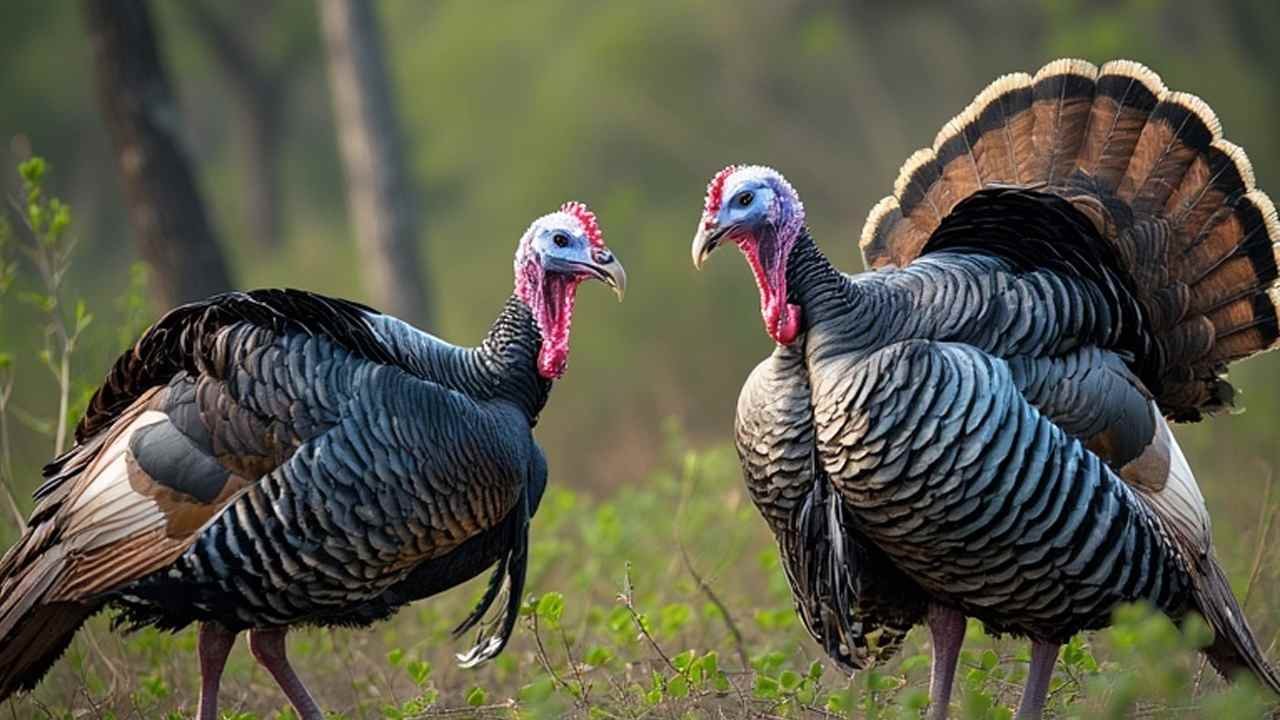
Florida 2026-2027 Turkey Season: Regional Hunting Dates & Limits
If you’re getting ready for the 2026–2027 turkey hunting season in Florida, you’re in for a great time. Florida has some of the most varied turkey hunting options in the Southeast. There are two different subspecies and a lot of different zones with long seasons. This book tells you everything you need to know about your hunt, from the specific dates and bag limits to the rules for getting a license and hunting in a way that is fair. This way, you can plan your hunt with confidence and make sure you follow all the state rules.
If you’re a seasoned hunter or just getting ready for your first spring gobbler hunt, it’s important to know the laws and seasons for each zone in Florida. Let’s break it all down into clear, useful, and ready-to-use parts.
Quick Overview Table
| Turkey Type | Season Dates (2026-2027) | Legal Methods |
|---|---|---|
| Spring Gobbler (Zones A–D) | March 7 – April 12, 2026 | Shotgun, archery, crossbow, muzzleloader |
| Spring Gobbler (Zone E) | March 21 – April 26, 2026 | Shotgun, archery, crossbow, muzzleloader |
| Fall Either-Sex (Zones A–D) | November 14 – January 3, 2027 | Shotgun, archery, crossbow, muzzleloader |
| Youth-Only Spring Hunt | February 28 – March 1, 2026 | Same as regular season |
All Turkey Seasons (Detailed Breakdown)
| Season Name | Exact Dates | Zones/Regions | Bag Limit | Permit/Tag Details |
|---|---|---|---|---|
| Youth Spring Turkey | February 28 – March 1, 2026 | Zones A, B, C, D, E | 1 bearded bird/day | Standard hunting license + turkey permit |
| Spring Gobbler (A–D) | March 7 – April 12, 2026 | Zones A, B, C, D | 2 bearded birds/season | Turkey permit required |
| Spring Gobbler (Zone E) | March 21 – April 26, 2026 | Zone E (South Florida) | 2 bearded birds/season | Turkey permit required |
| Fall Either-Sex (A–D) | November 14 – January 3, 2027 | Zones A, B, C, D | 1 either-sex bird/day, 2/season | Turkey permit required |
| Fall Either-Sex (Zone E) | Closed | Zone E | N/A | No fall season in Zone E |
Note: Florida recognizes two subspecies—the Eastern wild turkey (northern and central regions) and the Osceola (Florida) wild turkey, which is unique to the peninsula. Zone E, covering the southern peninsula, has later spring dates and no fall season to protect the Osceola population during breeding cycles.
From my experience preparing for spring hunts in central Florida, the staggered zone openings give you flexibility to plan multiple trips or target specific birds. The youth weekend is a fantastic opportunity to introduce young hunters to the sport in a less crowded environment.
More Bird Species 🕊️
Florida isn’t just about turkeys. The state offers hunting seasons for several other upland and migratory game birds, each with its own dates and regulations:
- Mourning Dove: Split seasons typically run from early September through mid-January, with a break in late fall. Check the Florida Fish and Wildlife Conservation Commission (FWC) for exact 2026-2027 split dates.
- Quail (Bobwhite): Season generally runs from mid-November through early March. Bag limits and possession limits apply.
- Snipe (Wilson’s): Migratory bird season, usually November through February, following federal frameworks.
- Woodcock: Season typically opens in mid-December and runs into late January.
- Waterfowl (Ducks & Geese): Split seasons managed under federal frameworks, generally running from late November through late January.
These seasons offer excellent opportunities to extend your time afield and diversify your game bag. Always verify current dates with FWC, as migratory bird seasons can shift slightly year to year based on population surveys.
If you’re interested in exploring turkey hunting opportunities in neighboring states, check out the Alabama turkey season or the Arkansas turkey season guides for comparison.
Florida Turkey Regulations 🌾
Staying legal and ethical in the field means understanding the rules before you step onto your hunting ground. Here’s what you need to know:
- Legal Weapons: Shotguns (10-gauge or smaller), rifles and pistols (.20-caliber or larger for fall only), muzzleloading firearms, archery equipment (bows with minimum 35 lbs. draw, crossbows with minimum 125 lbs. draw).
- Shooting Hours: Spring season runs from one-half hour before sunrise to sunset. Fall season allows hunting from one-half hour before sunrise to one-half hour after sunset.
- Decoys and Calls: Electronic or recorded calls are prohibited for wild turkey hunting. Manual calls (box calls, diaphragms, slate calls) are allowed and encouraged.
- Tagging Requirements: Successful hunters must immediately validate their turkey permit upon harvest by recording the date, time, and location. The permit must remain with the bird until it reaches your final destination.
- Transport and Possession: At least one fully feathered wing or the head must remain attached to the carcass during transport to prove species and sex.
- Hunting from Vehicles: It is illegal to shoot from or across a public road, or from a vehicle, unless you have a valid mobility impairment permit.
- Baiting: Hunting over bait or within 100 yards of a baited area is strictly prohibited and can result in significant fines and license suspension.
- Safety Zones: Maintain a minimum distance of 150 feet from any occupied dwelling unless you have written permission from the landowner.
- Fluorescent Orange: While not required for turkey hunting specifically, wearing hunter orange on your approach to and from your hunting location is a smart safety practice during general gun seasons.
Conservation and ethics go hand in hand with these regulations. Florida’s turkey populations have rebounded significantly thanks to careful management, and following these rules ensures future generations can enjoy the same opportunities. For a broader look at hunting regulations and seasons across Florida, visit the official Florida hunting seasons page.
License & Tag Fees 🎟️
Licenses and permits are straightforward in Florida, with clear pricing tiers based on residency status:
Resident Hunters:
- Annual hunting license: $17.00
- Turkey permit (required in addition to hunting license): $10.00
- 5-year hunting license: $79.00 (includes reduced fees for turkey permits during the period)
Non-Resident Hunters:
- Annual hunting license: $46.50
- Turkey permit: $10.00 (same as residents)
- 10-day hunting license: $26.50 (turkey permit still required separately)
Youth and Senior Discounts:
- Florida residents age 65 or older hunt for free with a no-cost “Senior Resident Recreational Hunting & Fishing Certificate.”
- Youth under age 16 do not need a hunting license if accompanied by someone 18 or older who holds a valid license. However, the youth hunter still needs a turkey permit if they are the one harvesting the bird.
- A discounted lifetime sportsman’s license is available for residents and covers most hunting and fishing activities.
Where to Purchase:
Licenses and permits can be purchased online through the Florida Fish and Wildlife Conservation Commission’s official website, at county tax collector offices, or through authorized retail vendors like sporting goods stores. I recommend buying online to save time and immediately have your licenses available on your phone via the FWC’s mobile app.
Important: Turkey permits are quota-based in some Wildlife Management Areas (WMAs), so if you plan to hunt public land, check availability early and apply during designated application periods. Missing the window can mean missing your hunt.
For authoritative and up-to-date purchasing details, visit the Florida Fish and Wildlife Conservation Commission.
License Requirements
Understanding who needs a license—and what additional credentials are necessary—helps avoid surprises at check stations or during enforcement encounters.
Who Needs a License:
- All hunters age 16 and older must possess a valid Florida hunting license.
- Non-residents hunting in Florida must purchase a non-resident license, even for short trips.
- Resident landowners hunting on their own property (and immediate family members) are exempt from needing a hunting license, but still need the turkey permit.
Hunter Education:
- Anyone born on or after June 1, 1975, must successfully complete a hunter safety course approved by FWC or a similar agency from another state before purchasing a hunting license.
- The course covers firearms safety, wildlife identification, hunting ethics, and survival skills. It’s typically offered both online and in-person, and certification is valid for life.
- Proof of certification must be presented when purchasing your first license and should be kept accessible in case of a field check.
Age Limits:
- Youth hunters under 16 may hunt without a license if supervised by a licensed adult. The supervising adult must be within normal voice contact.
- There is no maximum age limit for hunting in Florida.
Exemptions:
- Active-duty military personnel who are Florida residents may hunt without a license while on leave, but they still need the turkey permit.
- Disabled veterans with a service-connected disability may qualify for discounted or free licenses.
If you’re new to turkey hunting or need to brush up on regulations, the FWC offers excellent educational materials and workshops throughout the year. Many veteran hunters also find that re-reading the regulations before each season helps them stay sharp and avoid accidental violations.
FAQs Section
1. What’s the best time of day to hunt turkeys in Florida?
Early morning, starting about 30 minutes before sunrise, is prime time. Gobblers are most vocal on the roost at first light, and hens typically fly down shortly after. Late morning (9 a.m. to noon) can also be productive once hens leave gobblers to nest. Afternoon hunts during spring are less predictable but can work near feeding areas.
2. Can a beginner hunt turkeys in Florida without prior experience?
Absolutely. Florida is beginner-friendly, especially during the youth hunt and on public lands with good access. Consider going with an experienced mentor, taking a turkey hunting workshop offered by FWC, or hiring a guide for your first outing. Practicing with your calls before the season and learning basic woodsmanship will set you up for success.
3. Are electronic calls legal for turkey hunting in Florida?
No. Electronic or recorded turkey calls are prohibited. You’ll need to rely on manual calls like box calls, slate calls, mouth diaphragms, or locator calls. This keeps the hunt fair-chase and maintains the traditional challenge of calling in a wary gobbler.
4. Can I hunt turkeys on public land, or do I need private access?
Florida has extensive public hunting opportunities on Wildlife Management Areas (WMAs) and national forests. Popular WMAs for turkey hunting include Apalachicola, Ocala, and Tosohatchee. Some areas require a quota permit or advance reservation, so check the WMA-specific regulations brochure and apply early. Public land access is one of Florida’s strengths compared to many other states.
5. What’s the difference between Zone E and the other zones?
Zone E covers South Florida, where the Osceola subspecies is prevalent. The spring season opens two weeks later than Zones A–D to align with the later breeding behavior of Osceola turkeys in subtropical climates. There is no fall season in Zone E to protect the population during its unique life cycle.
6. Do I need a permit for each turkey I harvest?
You need one turkey permit per season, which allows you to harvest up to two bearded birds during spring and up to two either-sex birds during fall (in open zones). You validate your permit for each bird immediately upon harvest, so the permit itself tracks your bag limit.
7. Can I hunt over bait or near a feeder?
No. Hunting over bait or within 100 yards of a baited area is illegal and can result in serious penalties, including fines and loss of hunting privileges. This rule applies to all game species in Florida and is strictly enforced.
Conservation & Safety 🌿
Florida’s turkey hunting regulations aren’t just about keeping hunters legal—they’re designed with long-term conservation goals in mind. Bag limits, season dates, and zone-specific rules are carefully set based on population surveys, reproductive success, and habitat conditions. The staggered spring openings, for example, prevent overharvest during peak breeding activity and help maintain healthy population densities.
Wild turkey populations in Florida have thrived thanks to science-based management and habitat restoration efforts. By following the rules and reporting your harvests accurately, you contribute to the data that informs future management decisions. Ethical hunters understand they’re part of a bigger picture that ensures sustainable hunting for generations to come.
Safety Reminders:
- Always positively identify your target and what lies beyond it before firing. Turkey hunting involves camouflage and calling, which can create risky situations if hunters aren’t careful.
- Never stalk a turkey or approach turkey sounds. Always call birds to your setup and remain stationary.
- Wear a blaze orange hat or vest while moving to and from your hunting spot, especially during overlapping deer or hog seasons.
- Let someone know where you’re hunting and when you plan to return.
- Carry a first aid kit, plenty of water, and a charged cell phone.
- Be aware of venomous snakes, insects, and weather conditions, especially in swampy or remote areas.
- Respect all posted signs and property boundaries. Trespassing damages the reputation of all hunters and can result in legal action.
When hunting public land, practice good trail etiquette by packing out all trash, avoiding overcrowded areas during peak weekends, and being courteous to other hunters. A little respect goes a long way toward keeping Florida’s wild places welcoming for everyone.
For additional safety tips and outdoor ethics, the National Wild Turkey Federation offers excellent resources for hunters at all skill levels.
Conclusion
If you want to plan your Florida turkey hunt for the 2026–2027 season, the first thing you need to do is learn about the rules, zones, and dates that regulate the sport. Florida has one of the longest and most diversified turkey hunting calendars in the country. The season starts with a youth-only opener in late February and ends with the last autumn seasons in early January. Whether you’re hunting Osceola gobblers in the palmetto flats of Zone E or Eastern birds in the pine forests up north, being ready and observant are your finest weapons.
Before you go out, double-check the Florida Fish and Wildlife Conservation Commission’s official publications, get your licenses and permits early, and hunt with respect for the resource and other people who are outside. Here’s to a safe, moral, and prosperous season in the field.