
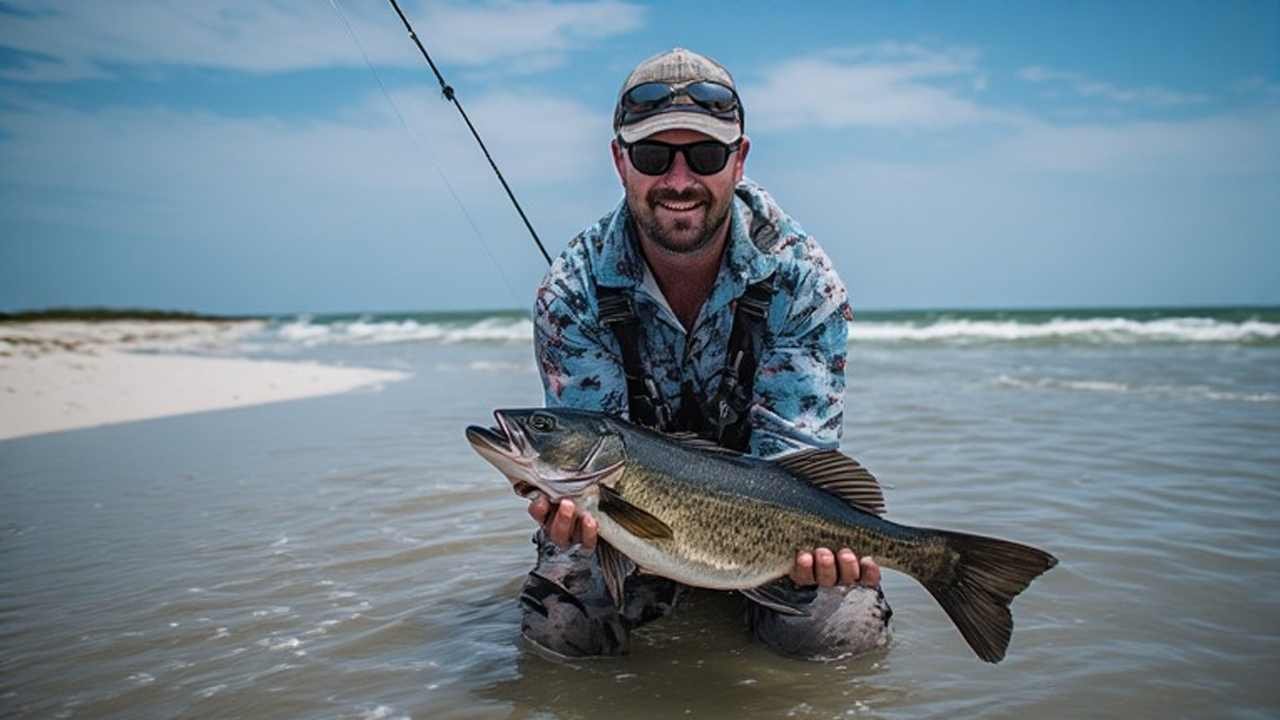
Black Drum Regulations 2026 – Size Limits, Bag Limits & Slot Rules for All Coastal States
Black drum size limits in 2026 vary significantly from state to state. States like Texas enforce a 14–30 inch slot limit with a 5-fish daily bag, Florida uses a 14–24 inch slot with one trophy over 24 inches allowed, while Mississippi and Alabama have zero size or bag limits. At the federal level, NOAA sets no minimum size or possession cap for black drum — that responsibility falls entirely on individual states. This guide breaks down every regulation you need to know before you hit the water in 2026, organized by state, so you never risk an illegal catch.
Whether you’re surf fishing the Texas coast, working bridges in Florida, or targeting bull drum in the Delaware Bay, knowing the exact rules for your state is non-negotiable. Regulations change annually, enforcement is real, and the penalties for non-compliance can ruin a fishing trip fast. Read through the complete state-by-state breakdown below — it covers every coastal state where black drum populations exist, what the current slot or minimum sizes are, daily bag limits, and any special exceptions you need to know about.
What Is Black Drum and Why Do Regulations Matter?
The black drum (Pogonias cromis) is the largest member of the drum family found along the U.S. Atlantic and Gulf coasts. These fish grow impressively large — the IGFA all-tackle world record stands at 113 lbs, 1 oz, caught at Lewes, Delaware. They can live up to 60 years, grow past 46 inches, and don’t fully mature sexually until they’re around 23–25 inches. That biological reality is precisely why slot limits exist in most states: protecting juvenile and spawning-size fish ensures populations stay healthy for future generations.
The Atlantic States Marine Fisheries Commission (ASMFC) manages black drum stocks along the Atlantic Coast and requires all member states to maintain a minimum size limit of no less than 14 inches. Gulf states operate under their own frameworks, though the conservation goals remain similar. According to the ASMFC Black Drum species page, fish grow rapidly until age 15, after which growth slows considerably — which is why oversized “bull drum” often get a special exemption rather than a total prohibition.
Complete Black Drum Size Limit & Bag Limit Table — All Coastal States (2026)
The table below summarizes every regulation for 2026 across all coastal states where black drum are regularly caught. Keep in mind: regulations can change mid-year through emergency proclamations. Always verify with your state agency before heading out. For a full overview of fishing season regulations by state, that resource covers multiple species in one place.
| State | Minimum Size | Maximum Size | Daily Bag Limit | Special Notes |
|---|---|---|---|---|
| Texas | 14 inches | 30 inches | 5 per person | 1 fish over 52″ allowed per day (counts toward bag) |
| Florida | 14 inches | 24 inches (slot) | 5 per person | 1 fish over 24″ allowed per day (counts toward bag) |
| Louisiana | 16 inches | 27 inches | 5 per person | No more than 1 over 27″ per day |
| Mississippi | None | None | No limit | No formal size or bag restrictions |
| Alabama | None | None | No limit | No formal size or bag restrictions |
| Georgia | 14 inches | None listed | 15 per person | Highest bag limit in the nation for this species |
| South Carolina | 14 inches | 27 inches | 5 per person | 1 fish over 27″ allowed per person |
| North Carolina | 14 inches | 25 inches | 10 per person | 1 fish over 25″ per person per day allowed |
| Virginia | 16 inches | None listed | 2 per person | Year-round open season |
| Maryland | 16 inches | None listed | 1 per person | Boat limit of 6 fish |
| Delaware | 16 inches | None listed | 3 per person | Year-round open season |
| New Jersey | 16 inches | None listed | 3 per person | Year-round, no closed season |
| New York | No formal regulations | — | — | Rare occurrence; check NYSDEC for updates |
⚠️ Always confirm current regulations with your state wildlife agency before fishing. Regulations are subject to change by emergency proclamation at any time during the year.
Gulf Coast State-by-State Breakdown
Texas
Texas has one of the most detailed slot systems for black drum in the country. The Texas Parks and Wildlife Department (TPWD) mandates a 14–30 inch slot limit, a 5-fish daily bag, and a unique trophy provision: anglers may retain one fish exceeding 52 inches per day, which still counts toward the 5-fish bag. This rule acknowledges trophy fishing while preventing overharvest of the mid-size reproductive population. Black drum are found in every bay system in Texas and are most abundant in the Laguna Madre, Galveston Bay, and Matagorda Bay areas.
Key Texas Black Drum Regulations:
- Minimum size: 14 inches
- Maximum size in slot: 30 inches
- Trophy exception: 1 fish over 52 inches per person per day
- Daily bag: 5 fish
- Season: Year-round
Florida
Florida enforces a 14–24 inch slot limit statewide, applying to both Gulf and Atlantic waters. Anglers can keep one fish over 24 inches per day as part of the 5-fish daily bag. The Florida Fish and Wildlife Conservation Commission (FWC) keeps the season open year-round. Florida’s slot limit is tighter than Texas’s because its waters support denser populations of mid-size drum that require additional protection.
Key Florida Black Drum Regulations:
- Slot: 14–24 inches (one over 24″ allowed)
- Daily bag: 5 per person (including the over-24″ fish)
- Season: Open year-round
- Applies to both Atlantic and Gulf state waters
Louisiana
Louisiana’s regulations follow the ASMFC framework closely. The state mandates a 16-inch minimum and a 27-inch maximum, with a 5-fish daily bag and a maximum of one fish over 27 inches per day. This conservative slot system targets the most productive size range for table fare while protecting large spawning fish.
Key Louisiana Black Drum Regulations:
- Minimum size: 16 inches TL
- Maximum size: 27 inches TL
- Daily bag: 5 per person
- Trophy provision: No more than 1 over 27 inches
Alabama
Alabama stands out as one of the most permissive states for black drum fishing. The Alabama Department of Conservation and Natural Resources (ADCNR) imposes no size limit and no bag limit on black drum. This is confirmed by the state’s saltwater recreational size and creel limits page. While this opens the door to unlimited harvest, responsible anglers still practice voluntary catch and release, especially for larger spawning fish.
Mississippi
Similar to Alabama, Mississippi currently has no size limit and no bag limit for black drum. The Mississippi Department of Marine Resources (DMR) lists black drum under species with no formal restrictions. This is the most permissive regulatory stance in the country for this species.
Atlantic Coast State-by-State Breakdown
North Carolina
North Carolina operates one of the more generous bag limits on the Atlantic Coast at 10 fish per day. The 14–25 inch slot protects juvenile and prime-size fish, and a special allowance of one fish per person per day over 25 inches gives trophy hunters a legitimate option. The NC Division of Marine Fisheries (DMF) aligns its regulations with ASMFC standards and reviews them annually.
Key North Carolina Black Drum Regulations:
- Slot: 14 inches minimum, 25 inches maximum
- Daily bag: 10 per person
- Trophy allowance: 1 fish over 25″ per person per day
- Season: Check NC DMF for any seasonal proclamations
South Carolina
South Carolina enforces a 14–27 inch slot limit with a 5-fish daily bag. One fish over 27 inches may be kept per person. South Carolina’s regulations mirror the Atlantic coast tendency to protect large bull drum while allowing reasonable harvest of slot fish.
Key South Carolina Black Drum Regulations:
- Size slot: 14–27 inches TL
- Daily bag: 5 per person
- Trophy provision: 1 over 27 inches per person allowed
Georgia
Georgia has the highest daily bag limit in the nation at 15 fish per person per day for black drum, with a 14-inch minimum. This is notably liberal compared to other Atlantic states, though regulations are reviewed regularly through the Georgia Coastal Resources Division.
Key Georgia Black Drum Regulations:
- Minimum size: 14 inches TL
- Daily bag: 15 per person (highest in the U.S.)
- Season: Year-round in coastal waters
Virginia
Virginia requires a 16-inch minimum and allows only 2 black drum per person per day in its marine waters — one of the most restrictive bag limits on the Atlantic seaboard. The Virginia Marine Resources Commission (VMRC) manages this species as part of its overall Atlantic drum management framework.
Maryland
Maryland sets a 16-inch minimum, a daily personal limit of 1 fish, and a boat limit of 6 black drum. This is among the lowest individual limits in any coastal state. The Chesapeake Bay and Maryland coastal waters do hold seasonal black drum runs, particularly in spring.
Delaware
Delaware enforces a 16-inch minimum and a 3-fish daily bag with no closed season. Delaware Bay is actually famous in the black drum world — it’s where the IGFA world-record 113 lb, 1 oz black drum was landed at Lewes. Despite this, regulations remain relatively conservative.
New Jersey
New Jersey mirrors Delaware with a 16-inch minimum and a 3-fish daily bag, open year-round. The Delaware Bay shared waters between NJ and DE attract large bull drum each spring, making the season particularly popular from April through June.
States Where Black Drum Are Not Regulated (Non-Habitat States)
Black drum are a saltwater and estuarine species. They are not found in the following states, which means no regulations apply:
| Region | States With No Black Drum Habitat |
|---|---|
| Pacific Coast | Alaska, California, Hawaii, Oregon, Washington |
| Great Lakes / Midwest | Illinois, Indiana, Iowa, Michigan, Minnesota, Missouri, Ohio, Wisconsin |
| Mountain / Plains | Arizona, Colorado, Idaho, Kansas, Montana, Nebraska, Nevada, New Mexico, North Dakota, South Dakota, Utah, Wyoming |
| Inland South / Southeast | Arkansas, Kentucky, Oklahoma, Tennessee, West Virginia |
| Northeast Inland | Connecticut*, Maine*, Massachusetts*, New Hampshire, Pennsylvania, Rhode Island*, Vermont |
*These states have limited coastal access where occasional black drum have been reported, but no formal regulatory framework exists for the species. Connecticut, Rhode Island, Massachusetts, and Maine anglers should contact their state fish and wildlife agencies if they encounter a black drum.
Black Drum Size Limit Comparison: Gulf vs. Atlantic States
To make cross-state planning easier — especially if you fish multiple states — here’s a direct side-by-side comparison organized by regulatory strictness:
| Category | Most Restrictive | Most Permissive |
|---|---|---|
| Bag Limit | Maryland (1/day) | Georgia (15/day), Mississippi & Alabama (unlimited) |
| Minimum Size | Mississippi & Alabama (none) | Most Atlantic states (16″) |
| Maximum/Slot | Florida (24″ max in slot) | Alabama & Mississippi (none) |
| Trophy Provision | Maryland (none) | Texas (1 over 52″ allowed) |
Gear, Bait, and Tactics That Work in 2026
Understanding the regulations is only half the battle. You also need to actually catch the fish. Black drum are bottom feeders that use the sensory barbels under their chin to locate food on the seafloor. They crush shellfish, crabs, and marine worms with their strong pharyngeal teeth.
Top Black Drum Baits by Effectiveness:
| Bait Type | Best Conditions | Notes |
|---|---|---|
| Blue crab (whole or half) | Surf, jetties, bridges | Top bait for bull drum over 30″ |
| Shrimp (live or fresh dead) | Inshore flats, docks | Most versatile, works everywhere |
| Sand flea / mole crab | Surf fishing | Outstanding in NC, SC, and FL surf |
| Clams (whole, pieces) | Delaware Bay, Chesapeake | Trophy season standard |
| Oysters (crushed shell on hook) | Grass flats, oyster reefs | Natural forage presentation |
| Fiddler crabs | Calm backwaters | Excellent for finicky fish |
Rigs That Consistently Work:
- Fish finder rig (Carolina rig): Most popular for surf and jetty fishing; allows bait to move naturally along the bottom
- Hi-Lo rig: Works well when targeting multiple fish at once in holes and channels
- Knocker rig: Keeps weight on the bottom while bait floats slightly — great around structure
Tackle Recommendations:
- Rod: Medium-heavy to heavy spinning or conventional, 7–10 ft
- Line: 20–50 lb braided main line with fluorocarbon leader
- Hook: 5/0–8/0 circle hooks (preferred in most regulated states; required in some)
- Weight: 2–6 oz pyramid or bank sinker depending on current
For anglers planning multi-state saltwater trips, it’s also worth checking state-by-state speckled trout closures, since trout and black drum often share the same inshore habitat and have overlapping seasonal windows.
Black Drum Species Quick Facts
| Fact | Detail |
|---|---|
| Scientific name | Pogonias cromis |
| Family | Sciaenidae (drums and croakers) |
| Max recorded weight | 146 lbs (Texas) |
| IGFA World Record | 113 lbs, 1 oz — Lewes, Delaware |
| Max lifespan | Up to 60 years |
| Max length | Over 46 inches |
| Sexual maturity | ~23″ males, ~25″ females |
| Spawning season | Winter and early spring |
| Primary habitat | Bays, estuaries, nearshore Gulf and Atlantic |
| Diet | Crabs, oysters, shrimp, marine worms, mollusks |
2026 Regulatory Trends: What’s Changing and What’s Staying the Same
Most states are maintaining 2025 black drum regulations into 2026 without major changes. However, there are a few trends worth tracking:
- Florida implemented qualifying length reductions for several species including black drum in its 2026 saltwater regulations package — anglers should review the updated FWC rule sheet
- North Carolina confirmed its 14-to-25 inch slot with the 10-fish bag limit for 2026 in its official recreational size and bag limits document
- Louisiana’s 16–27 inch slot and 5-fish bag remain unchanged for 2026
- Alabama continues to carry no formal restrictions, though ADCNR has signaled a willingness to revisit this in future cycles
- Virginia maintains its conservative 2-fish bag, aligning with VMRC’s ongoing management review
The ASMFC last reviewed black drum formally in 2020 and found the stock not to be in an overfished condition. However, regional management updates are expected as new stock assessment data comes in during 2026–2027.
Frequently Asked Questions
Q: What is the legal size for black drum in the United States?
There is no single federal standard. NOAA sets no federal minimum size or bag limit for black drum, deferring entirely to state agencies. Minimum sizes range from none (Alabama, Mississippi) to 16 inches (Virginia, Maryland, Delaware, New Jersey, Louisiana).
Q: Can you keep black drum over the slot limit?
In many states, yes — with restrictions. Texas allows one fish over 52 inches per day. Florida allows one over 24 inches. North Carolina allows one over 25 inches. South Carolina allows one over 27 inches. Always check your specific state’s rules before retaining an oversized fish.
Q: Is black drum good to eat?
Smaller slot-size black drum (14–24 inches) are considered excellent table fare with firm, white, mild-flavored meat. Larger bull drum over 15–20 lbs tend to be coarser, more strongly flavored, and often parasitized by spaghetti worms (harmless to humans but unpleasant). Most experienced anglers practice catch and release on fish over 30 inches.
Q: Do you need a saltwater fishing license to catch black drum?
Yes, in virtually every state where black drum occur. License requirements and fees vary by state. Most states require anglers 16 and older to carry a valid saltwater fishing license. Some states (like Texas and Florida) also require a saltwater fishing endorsement.
Q: What states have no black drum bag limit?
Alabama and Mississippi are the only two states currently with no bag limit and no size limit for black drum as of 2026. Georgia has no maximum size but does enforce a 14-inch minimum and a 15-fish daily bag.
Q: When is the best time of year to catch black drum?
Spring (March–May) is widely considered the peak season, particularly for large bull drum staging near inlets, bridges, and passes. Gulf Coast states also see strong winter runs (December–February). Summer fishing is slower in most regions as fish move to deeper, cooler water.
Q: Are there different regulations for kayak anglers vs. boat anglers?
In most states, regulations are the same regardless of vessel type — size limits and bag limits apply per person, not per boat (with a few exceptions like Maryland’s 6-fish boat limit). Always verify with your specific state agency.
Q: Can I catch black drum in freshwater?
Black drum are primarily saltwater and brackish-water fish. They occasionally venture into tidal freshwater sections of rivers but are not considered freshwater fish. No freshwater fishing licenses cover black drum — you need a saltwater license.
Pro Tips for Staying Compliant on the Water in 2026
- Keep a measuring device on the boat at all times — a regulation-legal bump board is ideal
- Know your state’s measurement method: Most use total length (tip of mouth to end of tail), but some specify fork length or total length with tail pinched
- Circle hooks are strongly encouraged and required in some areas — they make live release of undersized fish easier and safer
- Take a photo before releasing — it creates a timestamp record if there’s ever a dispute
- Check for emergency proclamations before every trip — states can change rules at any time during the season
- For anglers planning multi-state itineraries, a resource like the complete fishing seasons and regulations guide by state can help you stay on top of multiple sets of rules in one place
Summary: Black Drum Size Limits at a Glance — 2026
| State | Slot / Min Size | Bag Limit | Difficulty Rating for Anglers |
|---|---|---|---|
| Texas | 14″–30″ slot | 5/day | Moderate |
| Florida | 14″–24″ slot | 5/day | Moderate |
| Louisiana | 16″–27″ slot | 5/day | Moderate |
| Mississippi | None | Unlimited | Very Easy |
| Alabama | None | Unlimited | Very Easy |
| Georgia | 14″ min | 15/day | Easy |
| South Carolina | 14″–27″ slot | 5/day | Moderate |
| North Carolina | 14″–25″ slot | 10/day | Easy-Moderate |
| Virginia | 16″ min | 2/day | Restrictive |
| Maryland | 16″ min | 1/day | Most Restrictive |
| Delaware | 16″ min | 3/day | Moderate-Restrictive |
| New Jersey | 16″ min | 3/day | Moderate-Restrictive |