
Common Fishing Mistakes That Lead to Fines or Injuries
Over 50 million fishermen visit waterways each year, making fishing one of the most popular outdoor pursuits in America. But every year, a number of preventable errors continue to lead to expensive penalties, legal ramifications, and unnecessary injuries. It’s essential to comprehend these typical fishing mistakes if you want to appreciate time on the lake while safeguarding your health and finances.
This thorough overview looks at the most common infractions and safety lapses that result in fines and damage. With the right information and planning, these errors—which range from equipment misuse that sends thousands to emergency rooms every year to license infractions that may cost hundreds of dollars—can be completely avoided. Understanding these hazards can help you fish properly, legally, and safely while avoiding the legal and physical repercussions that uneducated fishermen face across the United States, regardless of your level of experience.
Licensing and Permit Violations
Fishing Without a Valid License
Operating without proper credentials represents the single most common violation among anglers. State wildlife officers issue thousands of citations annually for this easily preventable mistake.
Common License-Related Violations:
| Violation Type | Typical Fine Range | Additional Consequences |
|---|---|---|
| No fishing license | $50 – $500 | Court appearance required in some states |
| Expired license | $75 – $300 | Gear confiscation possible |
| Wrong license type | $100 – $400 | Multiple violations if other rules broken |
| Fishing in another state without reciprocal license | $150 – $600 | Equipment seizure, court costs |
| Youth fishing without supervision | $50 – $200 | Parent/guardian fined |
Many anglers mistakenly believe they can fish anywhere with any license. Each state maintains specific requirements, and interstate waters require careful attention to which jurisdiction applies. Additionally, certain species or fishing methods demand special stamps or endorsements beyond the basic license.
Understanding your complete fishing license requirements prevents these costly mistakes and ensures compliance wherever you fish.
Ignoring Special Permit Requirements
Beyond basic licenses, specific activities require additional permits that many anglers overlook:
- Trout stamps for designated trout waters
- Salmon endorsements in Pacific states
- Lobster permits for crustacean fishing
- Two-pole endorsements where applicable
- Special area access permits for wildlife refuges
Failing to obtain these specialized permits results in fines typically ranging from $100 to $750, depending on the jurisdiction and species involved.
Size, Bag, and Possession Limit Violations
Keeping Undersized or Oversized Fish
Size restrictions exist to protect breeding populations and maintain sustainable fisheries. Violating these regulations carries serious consequences.
Typical Size Limit Violations:
| Species Category | Standard Penalties | Aggravating Factors |
|---|---|---|
| Undersized gamefish (bass, walleye, pike) | $75 – $500 per fish | Multiply by number of fish |
| Protected slot sizes | $200 – $1,000 | Loss of fishing privileges |
| Oversized trophy fish (in protected ranges) | $300 – $1,500 | Criminal charges possible |
| Undersized panfish | $50 – $250 | Equipment confiscation |
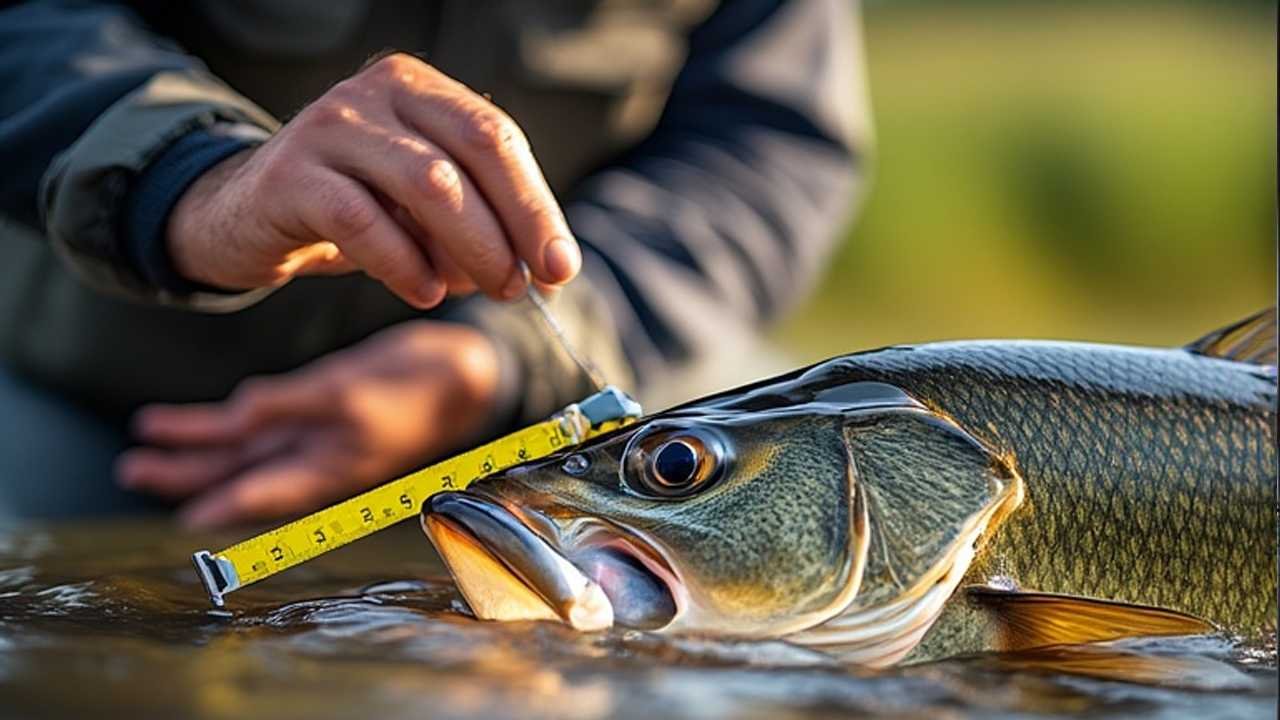
Officers use measurement boards and standardized techniques during inspections. Anglers cannot claim ignorance of regulations as a defense. Each state publishes detailed size requirements, and many provide waterproof regulation cards or mobile apps for easy reference.
Exceeding Daily Bag Limits
Taking more fish than allowed demonstrates disregard for conservation efforts and triggers substantial penalties.
Consequences of Bag Limit Violations:
- First offense: $100 – $750 plus court costs
- Second offense: $500 – $2,000 plus mandatory license suspension
- Third offense: $1,000 – $5,000, loss of fishing rights for 1-3 years
- Intentional commercial-level violations: Felony charges, thousands in fines, jail time
Many jurisdictions now employ “per fish” fine structures, meaning someone caught with 20 bass in a 5-fish limit zone faces fines calculated per each illegal fish. The financial impact escalates quickly beyond the base violation.
Misunderstanding Possession Limits
Possession limits differ from daily bag limits and cause frequent confusion. Possession limits restrict the total amount of fish you can have in your control at any time, whether fresh, frozen, or processed.
Common misunderstandings include:
- Keeping multiple daily limits in a freezer (violates possession limit)
- Transporting fish across state lines without proper documentation
- Sharing fish between anglers without proper accounting
- Claiming fish belong to someone else during inspection
These violations typically result in fines between $200 and $1,000, plus confiscation of all illegally possessed fish.
Fishing in Restricted or Closed Areas
Trespassing on Private Property
Private waterfront property creates confusion about access rights and fishing boundaries.
Private Property Violations:
| Scenario | Legal Risk | Typical Penalty |
|---|---|---|
| Fishing from private dock without permission | Trespassing citation | $150 – $500 |
| Anchoring in private waters | Civil and criminal charges | $200 – $1,000 plus damages |
| Walking across property to access water | Trespassing | $100 – $600 |
| Ignoring posted no-fishing signs | Criminal trespass | $250 – $750 |
Always verify access rights before fishing any location. Many states maintain public access databases showing legal entry points to public waters.
Violating Closed Season Dates
Seasonal closures protect spawning fish and maintain healthy populations. Fishing during closed seasons represents a serious violation.
- Spring spawning closures: Common for bass, walleye, pike
- Winter closures: Apply to certain trout streams
- Year-round closures: Exist for endangered species
Penalties range from $500 to $3,000, with mandatory license suspension and possible equipment forfeiture. Repeat offenders face escalating consequences including permanent license revocation.
Fishing in Prohibited Zones
Specific areas remain off-limits for safety, conservation, or other regulatory reasons:
- Dam safety zones (typically 300-600 feet)
- Fish hatchery grounds
- Wildlife sanctuary waters
- Military installation boundaries
- Commercial shipping channels
- Hydroelectric facility restricted zones
Violating these restrictions results in fines from $200 to $2,000 and may involve additional charges from managing authorities beyond fish and game departments.
Illegal Fishing Methods and Gear
Using Prohibited Bait or Tackle
Regulations carefully control which baits and methods remain legal to protect fish populations and maintain sporting ethics.
Commonly Prohibited Methods:
| Illegal Method | Reason for Prohibition | Fine Range |
|---|---|---|
| Live baitfish in trout streams | Disease transmission | $150 – $600 |
| Barbed hooks in catch-and-release waters | Fish injury prevention | $75 – $300 |
| Multiple-hook rigs beyond allowed number | Excessive harvest | $100 – $500 |
| Snagging or foul-hooking | Unsporting practice | $200 – $1,000 |
| Using game fish as bait | Conservation | $250 – $800 |
Different waterways maintain unique regulations. What’s legal in one location may violate rules elsewhere, even within the same state.
Deploying Excessive Fishing Lines
Most jurisdictions limit the number of rods, lines, or hooks one angler can use simultaneously.
Standard restrictions include:
- Two rods maximum per angler (most common)
- Single line on certain trophy waters
- Specific hook count limitations (often 3-5 hooks total)
- Trotline restrictions in applicable states
Using excessive gear draws fines from $100 to $500 and signals potential commercial poaching intent, which escalates penalties significantly.
Employing Illegal Harvest Methods
These serious violations carry the harshest consequences:
- Spearfishing in prohibited waters: $500 – $5,000
- Using explosives or chemicals: $1,000 – $10,000, potential felony
- Electrofishing without authorization: $2,000 – $15,000, criminal charges
- Net fishing in sport-fishing-only waters: $500 – $3,000
- Bow fishing restricted species: $300 – $2,000
These methods often result in criminal charges, equipment seizure, and lengthy license suspensions beyond monetary fines.
Safety-Related Mistakes Causing Injuries
Improper Hook Handling Techniques
Hook-related injuries send approximately 8,000 anglers to emergency rooms annually in the United States. Most occur from preventable mistakes.
Common Hook Injury Scenarios:
| Injury Type | Frequency | Prevention Method |
|---|---|---|
| Self-hooking during casting | Very High | Check surroundings, controlled casting |
| Hooking other anglers | High | Maintain distance, announce casts |
| Removal attempts causing deeper embedding | High | Stop pulling, seek proper removal |
| Eye injuries from lures | Moderate | Wear protective eyewear |
| Infection from contaminated hooks | Moderate | Clean wounds immediately, tetanus current |
Barbed hooks embedded beyond the barb require medical intervention. Never attempt aggressive removal, as this worsens tissue damage and increases infection risk.
Neglecting Personal Flotation Devices
Drowning represents the leading cause of death in fishing-related accidents. Approximately 80% of victims were not wearing life jackets.
Water Safety Violations and Risks:
- Fishing from boats without PFDs: Fines $50 – $200 plus safety hazard
- Children without proper flotation: $100 – $500, child endangerment possible
- Non-functional or expired PFDs: $75 – $300
- Wrong PFD type for activity: Safety risk, potential citation
Modern PFDs offer comfortable, movement-friendly designs that eliminate excuses for non-compliance. Inflatable suspender-style devices provide comfort while ensuring safety.
Ignoring Weather Conditions
Sudden weather changes create dangerous situations that injure hundreds of anglers yearly.
Critical weather-related mistakes include:
- Remaining on water during thunderstorms (lightning strike risk)
- Fishing in high winds without adequate boat control
- Ignoring severe weather warnings and advisories
- Hypothermia from cold water exposure
- Heat stroke during summer fishing without hydration
While weather violations rarely result in direct fines, reckless endangerment charges may apply if rescue operations become necessary. Moreover, ignoring small craft advisories or weather warnings can void insurance coverage if accidents occur.
Comprehensive fishing safety guidelines help anglers prepare for various conditions and recognize dangerous situations before they escalate.
Inadequate Sun Protection
Long-term sun exposure while fishing increases skin cancer risk substantially. Immediate concerns include:
- Severe sunburn causing second-degree burns
- Sun poisoning requiring medical treatment
- Heat exhaustion and heat stroke
- Eye damage from UV reflection off water
Protection measures should include SPF 50+ water-resistant sunscreen, polarized UV-blocking sunglasses, wide-brimmed hats, and long-sleeve UV-protection clothing.
Equipment-Related Safety Hazards
Operating Boats Without Proper Safety Gear
Coast Guard and state regulations mandate specific safety equipment aboard fishing vessels.
Required Safety Equipment:
| Boat Size | Mandatory Equipment | Fine for Non-Compliance |
|---|---|---|
| All sizes | PFD for each person, throwable device | $100 – $500 |
| All motorized | Fire extinguisher, sound signaling device | $150 – $600 |
| Over 16 feet | Visual distress signals | $100 – $400 |
| All sizes | Navigation lights (operating at night) | $200 – $800 |
Regular equipment inspection ensures functionality during emergencies. Expired flares, non-functional fire extinguishers, or damaged PFDs fail to meet requirements even if present.
Mishandling Sharp Filleting Tools
Knife-related injuries rank second only to hook injuries among fishing accidents.
Common knife mistakes include:
- Cutting toward the body instead of away
- Using dull knives requiring excessive force
- Filleting on unstable surfaces
- Working with wet, slippery hands
- Inadequate knife storage during transport
Proper filleting technique, sharp blades, cutting gloves, and stable work surfaces prevent most knife injuries. A quality fillet knife with proper grip reduces accident likelihood significantly.
Improper Gasoline Handling on Boats
Fuel-related accidents cause fires, explosions, and environmental damage.
Critical fuel safety practices:
- Always refuel at dock, never while underway
- Turn off all electrical systems during fueling
- Ventilate engine compartments before starting
- Check for fuel leaks regularly
- Maintain proper fuel system components
Fuel-related violations and accidents carry severe penalties, including Coast Guard citations from $500 to $5,000, environmental cleanup costs, and potential criminal charges for negligence.
Species Identification Failures
Keeping Protected or Endangered Species
Misidentifying fish species before keeping them creates serious legal problems.
Protected Species Violations:
| Species Type | Penalty Range | Additional Consequences |
|---|---|---|
| Federally endangered fish | $5,000 – $50,000 | Federal criminal charges, prison time |
| State-protected species | $1,000 – $10,000 | License revocation 1-5 years |
| Out-of-season gamefish | $500 – $3,000 | Mandatory court appearance |
| Rare native species | $750 – $5,000 | Restitution costs |
Common identification mistakes include confusing similar species like:
- Northern pike vs. muskellunge
- White bass vs. striped bass
- Different trout species with varying regulations
- Native vs. invasive species with different rules
Carry identification guides and learn distinguishing characteristics before fishing unfamiliar waters. When uncertain about species legality, practice catch-and-release until proper identification is confirmed.
Failing to Differentiate Juvenile Gamefish
Young gamefish often resemble other species, leading to unintentional violations.
- Juvenile striped bass mistaken for white perch
- Young muskies identified as northern pike
- Immature snook confused with similar species
These mistakes still result in citations despite being unintentional, with fines typically $200 to $800. Ignorance provides no legal defense for possession violations.
Record-Keeping and Reporting Failures
Not Maintaining Proper Catch Documentation
Many states require harvest documentation, particularly for highly regulated species.
Required documentation often includes:
- Harvest information programs (HIP) for migratory species
- Tagging requirements for certain trophy fish
- Catch reporting through mobile apps or phone systems
- Tournament documentation and reporting
Failure to properly document catches results in fines from $100 to $500, and accumulated violations may indicate commercial poaching, triggering investigation.
Ignoring Mandatory Disease Reporting
When catching diseased fish showing obvious abnormalities, many jurisdictions require reporting to fisheries biologists.
Observable conditions requiring reports include:
- Large tumors or lesions
- Unusual parasites
- Mass fish mortality events
- Previously unobserved species
While reporting failures rarely trigger fines directly, participating in disease monitoring programs helps protect fisheries and demonstrates responsible angling.
Environmental and Ethical Violations
Improper Fish Handling and Release
Catch-and-release fishing requires proper techniques to ensure fish survival.
Harmful Handling Practices:
| Poor Practice | Impact on Fish | Proper Alternative |
|---|---|---|
| Holding by eye sockets | Permanent damage | Support head and body |
| Extended air exposure | Oxygen deprivation | Minimize time out of water |
| Dry hands on fish | Removes protective slime | Wet hands before contact |
| Dropping fish onto hard surfaces | Internal injury | Support until in water |
| Fighting fish to exhaustion | Low survival rate | Use adequate tackle |
While improper handling rarely results in direct fines, it violates the ethical principles many states now incorporate into fishing regulations. Additionally, it contributes to unnecessary mortality in catch-and-release fisheries.
Practicing ethical fishing methods ensures sustainable fishing opportunities for future generations.
Littering and Pollution Violations
Leaving trash or disposing of fishing line improperly creates environmental hazards and legal liability.
- Discarded fishing line: $100 – $500 (wildlife entanglement hazard)
- Leaving bait containers: $75 – $300
- Dumping fish carcasses improperly: $150 – $600
- Fuel or oil spills: $500 – $5,000 plus cleanup costs
Monofilament fishing line takes approximately 600 years to decompose and injures countless birds and animals annually. Many fishing areas now provide recycling stations specifically for old line.
Invasive Species Violations
Transporting live bait, fish, or water between bodies of water spreads invasive species and diseases.
Invasive Species-Related Penalties:
- Moving live fish between waters: $500 – $3,000
- Transporting aquatic vegetation: $200 – $1,000
- Failing to drain water from boat/equipment: $100 – $400
- Releasing aquarium fish into wild: $300 – $2,000
- Using prohibited baitfish species: $150 – $750
Many states now require boat inspections at launches and impose mandatory decontamination for vessels traveling from infested waters.
Alcohol and Substance-Related Violations
Boating Under the Influence
Operating watercraft while intoxicated carries the same severity as driving under the influence on roadways.
BUI Penalties:
| Offense Level | Legal Consequences | Additional Impact |
|---|---|---|
| First offense | $500 – $2,500 fine, possible jail | Boating safety course required |
| Second offense | $1,000 – $5,000, mandatory jail time | License suspension 1-2 years |
| Third offense | Felony charges, $5,000+, imprisonment | Permanent boating privilege loss |
| BUI with injury | Felony, $10,000+, significant prison time | Civil liability |
Blood alcohol content limits match road DUI standards at 0.08% in most states. Refusing testing results in automatic penalties similar to road DUI refusal consequences.
Fishing While Impaired
Even when not operating a boat, alcohol consumption while fishing creates safety hazards:
- Impaired judgment near water increases drowning risk
- Reduced coordination causes hook injuries
- Poor decision-making leads to regulation violations
- Heat and sun amplify alcohol’s effects
While public intoxication citations remain less common at fishing locations, they still apply, typically resulting in fines from $100 to $500.
Frequently Asked Questions
What happens if a game warden finds me fishing without a license?
Officers will issue a citation that calls for a court appearance or the payment of a fee, which for a first violation usually ranges from $50 to $500. They could seize your catch and, in some situations, your fishing gear. Penalties for repeated infractions increase and fishing licenses may be revoked.
Can I be fined if I accidentally catch an illegal fish and release it immediately?
If done correctly, the quick release of illicit fish usually does not result in citations. But having the fish in a livewell, on a stringer, or taking pictures of them before they are measured is possession and can lead to penalties. Before handling fish, carefully release them into the water if you are unsure about their legality.
How long do fishing violations stay on my record?
Depending on state laws, the majority of fishing infractions are recorded for five to ten years. Serious infractions, such as commercial poaching or crimes involving endangered species, might last a lifetime. Through interstate wildlife violator compact databases, law enforcement across states can access these records.
Do fishing regulations change between different lakes in the same state?
Yes, even within the same county, restrictions sometimes differ depending on the particular body of water. Certain lakes, rivers, or parts of waterways are frequently subject to special laws. Always verify the most recent restrictions for the precise area where you want to fish, not simply the state’s general regulations.
What should I do if I’m injured by a fishing hook in a remote location?
Clean properly and keep an eye out for infections if you have superficial hook injuries. Instead of trying to remove firmly lodged barbed hooks, lock the hook to stop it from moving and get medical help. Injuries to the eyes or hooks in delicate regions are considered medical emergencies and need to be treated by an expert right away.
Are there additional requirements for fishing from kayaks or float tubes?
Yes, kayaks and float tubes are regarded as boats, and if they are to be used after dark, they must have the appropriate safety gear, such as PFDs, sound signaling systems, and navigation lights. In certain states, kayaks with trolling motors must be registered. Verify the particular regulations for your craft type and state.
What constitutes “commercial fishing” versus recreational fishing?
Selling your catch or fishing with the intention of making money is known as commercial fishing. Recreational fishing is done for fun or for personal use. Regulations are broken by using commercial methods, selling fish in excess, or selling fish without a commercial license. Even revealing big amounts might draw attention.
Can I use fish caught as bait for other fish?
States and species have quite different regulations. While some states permit the use of particular species, others forbid the use of any gamefish as bait. It is never permitted to use protected or out-of-season fish as bait. Before using fish as bait, confirm the particular restrictions for your area and target species.
What are the penalties for fishing in a national park without proper permits?
Under federal control, national parks are subject to more stringent regulations. Federal citations are issued for violations, and first-time offenders are usually fined between $100 and $500. In addition to statutory fishing licenses, several parks require special permits. Federal sanctions are significantly greater for commercial activity or major offenses.
How do I properly measure fish to ensure they meet size requirements?
While some states demand fork length (to the fork in the tail), the majority need measurement from the tip of the snout to the end of the tail fin (total length). For precise measuring, pinch the tail fin. To prevent future conflicts with law enforcement, release fish that are within 1/4 inch of the minimal size.
Key Takeaways for Responsible Fishing
Avoiding fines and injuries while fishing requires commitment to knowing and following regulations, prioritizing safety, and practicing ethical angling. The financial and physical costs of violations far exceed the minimal effort required for compliance.
Before every fishing trip:
- Verify your license remains current and appropriate for your location
- Review size, bag, and possession limits for target species
- Check seasonal closures and special regulations
- Inspect safety equipment and ensure proper functionality
- Prepare appropriate gear for weather conditions
- Confirm access rights and boundary locations
During fishing activities:
- Handle fish carefully to maximize survival in catch-and-release fishing
- Practice proper hook-setting and removal techniques
- Maintain awareness of weather changes
- Keep accurate count of your harvest against limits
- Properly identify species before keeping any fish
- Respect other anglers and property rights
Catching fish is only one aspect of successful fishing; another is doing so in a sustainable, safe, and legal manner. The safety procedures that prevent accidents and the rules that safeguard fish populations are in place for good reasons that have been established over decades of fisheries management and accident study.
The best way to stop infractions and injuries is still via education. Compliance becomes second nature when one keeps up with evolving regulations, learns appropriate methods, and comprehends the rationale behind them. This information is easily available through resources offered by state wildlife agencies, including as instructional programs, smartphone applications, and rule manuals.
The responsible actions of today’s fishermen will determine the future of fishing. Every infraction erodes public confidence in fishing villages and may result in more stringent laws. Every avoidable injury serves as a reminder that enjoying outdoor activities calls for consideration for both human safety and the environment. By avoiding these typical blunders, fishermen support conservation efforts, preserve access to good fishing chances, and safely return home with happy memories rather than regrets, injuries, or tickets.