
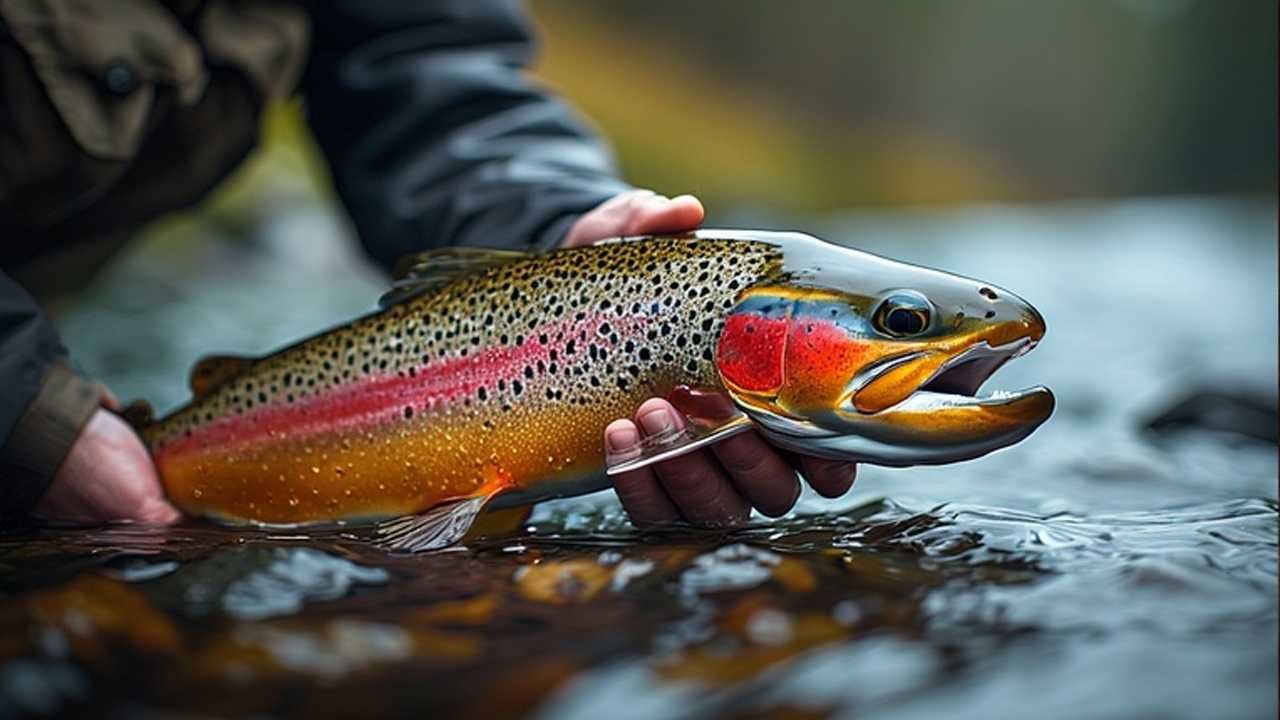
Complete Guide to Ethical Fishing: Conservation Practices Every Angler Should Follow
The foundation of sustainable fisheries management is ethical fishing and responsible angling, which combine recreational enjoyment with conservation principles to guarantee the health of aquatic ecosystems for future generations. This all-encompassing strategy includes respect for fish populations and their natural habitats, catch-and-release methods, habitat protection, local law compliance, appropriate gear selection, and more. Adopting appropriate fishing practices has become crucial for both sustaining fish populations and maintaining the caliber of fishing experiences throughout American waterways as fishermen become more aware of their responsibility as stewards of aquatic resources.
Responsible fishing is more than just abiding with the law; it necessitates a fundamental change in perspective toward conservation-first methods that maximize fish stock sustainability while minimizing environmental effect. Contemporary anglers must be aware of the ecological significance of aquatic environments, comprehend the biological requirements of target species, and actively engage in conservation initiatives that save rivers. In order to ensure that fish populations flourish and fishing opportunities continue to be plentiful for many years to come, this guide offers doable tactics, thorough procedures, and useful insights that turn recreational fishing into an ethical activity that strikes a balance between recreation and environmental responsibility.
Understanding the Foundation of Ethical Fishing
The first step in responsible fishing is realizing that fish are living beings that should be treated with dignity and compassion. This kind of thinking applies to many facets of fishing, including choosing the right equipment, treating fish humanely, and deciding whether to retain or release fish.
Core Principles of Conservation-Minded Angling
- Selective Harvesting: Taking only what you need and targeting abundant species rather than vulnerable populations
- Habitat Protection: Avoiding damage to spawning areas, vegetation, and aquatic structures
- Regulatory Compliance: Following size limits, bag limits, and seasonal restrictions without exception
- Knowledge Acquisition: Understanding the biology and behavior of target species
- Environmental Stewardship: Leaving fishing locations cleaner than you found them
- Ethical Decision-Making: Prioritizing fish welfare over personal convenience
- Community Responsibility: Educating others about sustainable practices
- Scientific Support: Contributing to fish population studies and conservation programs
Legal Compliance and Licensing Requirements
Operating within established legal frameworks represents the most fundamental aspect of ethical angling. Regulations exist to protect fish populations during vulnerable periods and maintain sustainable harvest levels.
Essential Licensing and Permit Considerations
| License Type | Purpose | Typical Validity | Cost Range |
|---|---|---|---|
| Resident Annual | Year-round fishing privileges | 12 months | $15-$50 |
| Non-Resident Annual | Out-of-state fishing access | 12 months | $40-$150 |
| Short-Term Permit | Temporary fishing rights | 1-7 days | $10-$30 |
| Lifetime License | Permanent fishing privileges | Lifetime | $200-$1,000 |
| Senior Discount | Reduced rates for elderly anglers | Varies | 50% reduction |
| Youth License | Reduced rates for minors | Until age 16-18 | $5-$15 |
| Combination License | Fishing plus hunting rights | 12 months | $50-$200 |
| Trout Stamp | Additional species endorsement | 12 months | $5-$25 |
Understanding and obtaining the proper fishing licenses ensures compliance with state and federal regulations while contributing funding to conservation programs. Revenue from fishing licenses directly supports habitat restoration, fish stocking programs, and enforcement of conservation laws.
Key Regulatory Components to Master
- Size Limits: Minimum and maximum length requirements protecting juvenile and breeding-size fish
- Bag Limits: Daily and possession limits preventing overharvest
- Seasonal Closures: Protected periods during spawning or vulnerable life stages
- Method Restrictions: Limitations on gear types, bait, and fishing techniques
- Water-Specific Rules: Special regulations for individual lakes, rivers, or coastal areas
- Species-Specific Protections: Enhanced restrictions for threatened or endangered species
- Time-of-Day Restrictions: Limitations on fishing hours in certain locations
- Protected Zones: No-fishing areas around spawning grounds or sensitive habitats
Catch-and-Release Best Practices
Catch-and-release fishing has evolved from a conservation concept to a widely practiced ethical standard. However, the survival rate of released fish depends entirely on proper handling techniques.
Maximizing Fish Survival Rates
| Practice | Impact on Survival | Implementation Method |
|---|---|---|
| Barbless Hooks | Reduces injury by 40% | Crimp down barbs or purchase barbless |
| Minimal Air Exposure | Increases survival by 60% | Keep fish in water during unhooking |
| Wet Hands | Prevents slime coat damage | Wet hands before touching fish |
| Rubber Nets | Reduces scale loss by 70% | Replace nylon nets with rubberized versions |
| Circle Hooks | Decreases gut-hooking by 50% | Use for bait fishing applications |
| Quick Landing | Reduces exhaustion stress | Use appropriate tackle strength |
| Proper Dehooking Tools | Speeds release time | Carry hemostats and hook removers |
| Revival Techniques | Improves recovery by 80% | Support fish in current until fully revived |
Step-by-Step Proper Fish Handling Protocol
- Pre-Landing Preparation: Prepare net, unhooking tools, and photography equipment before landing
- Minimize Fight Time: Use tackle appropriate for target species to land fish efficiently
- Keep Fish Wet: Never remove fish from water unless absolutely necessary for hook removal
- Support Properly: Cradle fish horizontally, supporting head and tail regions
- Avoid Gill Contact: Never insert fingers into gills or apply pressure to gill plates
- Remove Hooks Carefully: Back out hooks along entry path without tearing tissue
- Cut Deep Hooks: Sever line close to hook if deeply embedded rather than causing injury
- Revive Thoroughly: Move fish gently forward and backward in water to flush gills
- Ensure Recovery: Release only when fish demonstrates strong swimming ability
- Document Quickly: Take photos rapidly while fish remains mostly submerged
Sustainable Harvest Practices
When choosing to keep fish for consumption, responsible anglers follow guidelines that ensure population sustainability while maximizing food quality.
Selective Retention Guidelines
Fish to Keep:
- Mid-size individuals within legal limits
- Males during spawning season (when identifiable)
- Abundant species with healthy populations
- Fish from stocked waters with excess populations
- Individuals from waters with overpopulation issues
- Species targeted for population control
Fish to Release:
- Trophy-size breeding stock
- Gravid females (egg-bearing)
- Species with declining populations
- Fish from pressured waters
- Undersized or oversized fish outside slot limits
- Native species in threatened habitats
Processing and Utilization Standards
| Practice | Ethical Consideration | Recommended Approach |
|---|---|---|
| Quick Dispatch | Minimizes suffering | Immediate brain spike or stunning |
| Complete Utilization | Reduces waste | Use all edible portions |
| Proper Bleeding | Improves meat quality | Sever gill arches immediately |
| Rapid Cooling | Prevents spoilage | Ice fish within 15 minutes |
| Clean Processing | Maximizes yield | Remove all edible meat |
| Waste Disposal | Environmental respect | Dispose of remains properly |
| Sharing Harvest | Community benefit | Distribute excess catch |
| Carcass Return | Nutrient cycling | Return remains to ecosystem when appropriate |
Habitat Conservation and Waterway Protection
Aquatic ecosystems require active protection from anglers who utilize these resources. Every fishing trip presents opportunities for conservation action.
Leave No Trace Principles for Anglers
- Pack Out All Waste: Remove every piece of fishing line, packaging, and personal trash
- Avoid Vegetation Damage: Access water via established paths and avoid trampling spawning habitat
- Minimize Anchor Impact: Use sand or mud bottom for anchoring, avoiding coral or vegetation
- Prevent Invasive Spread: Clean equipment between water bodies to avoid transferring organisms
- Protect Shorelines: Avoid bank erosion by limiting foot traffic in sensitive areas
- Respect Wildlife: Maintain distance from nesting birds and other aquatic species
- Reduce Pollution: Use biodegradable products and prevent fuel or chemical spills
- Preserve Structures: Avoid damaging submerged logs, rocks, and natural fish habitat
Active Habitat Improvement Initiatives
Individual Angler Contributions:
- Participate in stream cleanup events
- Report pollution or habitat damage to authorities
- Install fish habitat structures with proper permits
- Support wetland restoration projects
- Volunteer for riparian zone planting
- Remove invasive plant species
- Monitor water quality through citizen science programs
- Advocate for watershed protection policies
Gear Selection and Environmental Impact
Tackle choices significantly influence both fishing effectiveness and environmental consequences. Responsible anglers prioritize equipment that minimizes ecosystem damage.
Environmentally Conscious Tackle Choices
| Gear Category | Traditional Option | Eco-Friendly Alternative | Environmental Benefit |
|---|---|---|---|
| Fishing Line | Monofilament | Biodegradable fluorocarbon | Breaks down naturally |
| Weights | Lead sinkers | Tungsten or steel weights | Non-toxic to wildlife |
| Lures | Hard plastic | Biodegradable soft plastics | Reduces persistent waste |
| Hooks | Bronze J-hooks | Stainless steel circle hooks | Less gut-hooking |
| Bait Containers | Styrofoam | Insulated fabric coolers | Eliminates foam pollution |
| Line Disposal | Trash/water | Line recycling stations | Prevents wildlife entanglement |
| Cleaning Products | Petroleum-based | Plant-based cleaners | Reduces water contamination |
| Packaging | Plastic blister packs | Minimal cardboard packaging | Less landfill waste |
Tackle Management Best Practices
- Prevent Line Loss: Secure all line properly to avoid accidental release
- Retrieve Snags: Make every effort to recover snagged lures and tackle
- Use Appropriate Strength: Match line strength to target species to minimize break-offs
- Maintain Equipment: Regularly inspect gear to prevent failures that lead to lost tackle
- Choose Durable Products: Invest in long-lasting equipment rather than disposable alternatives
- Recycle Properly: Utilize line recycling programs at tackle shops and marinas
- Avoid Excessive Inventory: Purchase only needed supplies to reduce waste
- Repair Before Replace: Fix damaged equipment rather than discarding
Species-Specific Ethical Considerations
Different fish species require tailored conservation approaches based on their biological characteristics and population status.
Handling Requirements by Species Category
Coldwater Species (Trout, Salmon, Arctic Char):
- Extremely temperature-sensitive requiring minimal handling
- Use rubberized nets to protect delicate slime coating
- Release immediately in highly oxygenated water
- Avoid fishing during peak summer heat
- Handle only with wet hands or not at all
- Support horizontally never vertically
Warmwater Species (Bass, Pike, Muskie):
- More tolerant of handling but still require care
- Use lip-gripping tools for toothy species
- Support large fish with both hands
- Avoid excessive fight times in warm water
- Check for barotrauma in deep-caught fish
- Allow extended revival time in current
Saltwater Species (Redfish, Snook, Tarpon):
- Many species protected by strict regulations
- Revive thoroughly due to higher metabolic rates
- Avoid removing large fish from water entirely
- Use descending devices for deep-caught species
- Consider water temperature and dissolved oxygen
- Respect spawning aggregations and seasonal closures
Addressing Environmental Challenges
Modern anglers face numerous environmental threats that require proactive responses and adaptive management strategies.
Current Threats to Fishery Health
- Habitat Degradation: Loss of spawning areas, wetlands, and riparian zones
- Water Pollution: Agricultural runoff, industrial discharge, and urban contamination
- Climate Change: Rising temperatures, altered precipitation, and extreme weather
- Invasive Species: Competition from non-native fish and aquatic organisms
- Overharvest: Unsustainable fishing pressure on vulnerable populations
- Dam Impacts: Blocked migration routes and altered flow regimes
- Sedimentation: Increased turbidity from erosion and poor land management
- Disease Outbreaks: Spread of pathogens through contaminated equipment
Angler-Led Conservation Actions
| Threat | Individual Response | Community Initiative | Long-Term Impact |
|---|---|---|---|
| Invasive Species | Clean equipment between waters | Organize inspection stations | Prevent new invasions |
| Habitat Loss | Avoid sensitive areas | Fund restoration projects | Increase spawning success |
| Pollution | Use eco-friendly products | Stream monitoring programs | Improve water quality |
| Overfishing | Practice catch-and-release | Support stronger regulations | Rebuild fish stocks |
| Climate Change | Reduce carbon footprint | Advocate for policy change | Stabilize ecosystems |
| Disease Spread | Disinfect gear | Education campaigns | Limit outbreak severity |
Teaching and Mentoring Future Anglers
Passing ethical fishing practices to new generations ensures long-term conservation success and maintains fishing traditions.
Youth Education Priorities
Essential Skills to Teach:
- Proper catch-and-release techniques before harvest methods
- Species identification and regulatory knowledge
- Knot-tying and gear maintenance fundamentals
- Reading water and understanding fish behavior
- Safety protocols including weather awareness and emergency procedures
- Environmental stewardship and Leave No Trace principles
- Respect for other anglers and shared water access
- Fish biology and ecosystem relationships
Mentorship Best Practices
Effective Teaching Approaches:
- Lead by example in all ethical practices
- Explain the reasoning behind conservation regulations
- Celebrate releases as enthusiastically as successful catches
- Involve youth in habitat improvement projects
- Encourage questions and curiosity about aquatic life
- Share stories emphasizing stewardship over trophy pursuit
- Provide age-appropriate responsibilities
- Acknowledge mistakes and model corrective actions
Regional Considerations and Local Knowledge
Fishing ethics must adapt to regional variations in ecosystems, species, and cultural traditions while maintaining core conservation principles.
Geographic Fishing Adaptations
Freshwater Environments:
- Respect spawning tributaries and seasonal closures
- Understand stocking programs and their limitations
- Recognize native versus introduced species
- Adapt to local water temperature constraints
- Account for altitude effects on fish metabolism
Coastal and Estuarine Systems:
- Follow tidal patterns for minimal stress fishing
- Respect nursery areas critical for juvenile fish
- Understand bycatch reduction techniques
- Recognize the impact of weather on fish stress
- Account for brackish water species sensitivity
Open Ocean Fishing:
- Practice strict adherence to billfish release protocols
- Understand pelagic species migration patterns
- Use proper dehooking and revival techniques for large species
- Minimize bycatch through selective gear choices
- Support shark conservation through proper handling
Technology and Modern Ethical Angling
Technological advances provide powerful tools for both fishing success and conservation effectiveness when used responsibly.
Responsible Technology Use
| Technology | Ethical Application | Potential Misuse | Responsible Approach |
|---|---|---|---|
| GPS Fish Finders | Locate structure and depth | Overharvest concentrated fish | Share locations sparingly |
| Underwater Cameras | Observe behavior and habitat | Disturb spawning activity | Minimize deployment time |
| Social Media | Education and conservation | Spot burning sensitive areas | Protect location details |
| Fishing Apps | Track regulations and conditions | Gamification encouraging excess | Focus on conservation metrics |
| Drones | Scout distant waters | Harass wildlife | Follow aviation regulations |
| Live Sonar | Real-time fish imaging | Unfair advantage | Use for education, not exploitation |
Data Collection and Citizen Science
Contributing to Fisheries Management:
- Report catches through state fish and wildlife apps
- Participate in creel surveys and angler studies
- Submit biological samples for age and growth studies
- Document rare species sightings
- Record water temperature and quality observations
- Track fishing effort and success rates
- Report tagged fish recaptures
- Share phenological observations about spawning timing
Economic and Social Dimensions
Ethical angling creates economic value while supporting communities and preserving cultural traditions rooted in fishing heritage.
Responsible Fishing Tourism
Ethical Guide Selection Criteria:
- Prioritizes catch-and-release practices
- Demonstrates proper fish handling techniques
- Follows all regulations without exception
- Educates clients about conservation
- Supports local community initiatives
- Uses environmentally appropriate equipment
- Limits client numbers for sustainable pressure
- Contributes to habitat restoration funding
Community Engagement
Building Conservation Culture:
- Join local fishing clubs with conservation missions
- Support tackle shops that promote ethical practices
- Attend public meetings on fisheries management
- Volunteer for stream restoration projects
- Mentor new anglers in responsible techniques
- Participate in fish population surveys
- Advocate for adequate conservation funding
- Share knowledge through workshops and presentations
Advanced Ethical Considerations
Experienced anglers can adopt sophisticated conservation strategies that go beyond basic responsible practices.
Specialized Conservation Techniques
Tournament Fishing Ethics:
- Use live wells with proper aeration and temperature control
- Minimize handling time during weigh-ins
- Support immediate release programs
- Advocate for catch-photo-release formats
- Choose tournaments with conservation partnerships
- Avoid events during vulnerable spawning periods
- Support tournaments that fund habitat projects
- Participate only in well-managed competitive events
Fly Fishing Specific Practices:
- Use barbless flies exclusively
- Land fish quickly with appropriate tippet strength
- Avoid fishing during extreme temperature stress
- Practice zero-contact photography when possible
- Support wild fisheries over put-and-take stocked waters
- Respect private water access agreements
- Maintain proper etiquette in crowded waters
- Advocate for native species restoration
Emergency Situations and Difficult Decisions
Ethical anglers sometimes face challenging circumstances requiring quick judgment and prioritization of fish welfare.
Handling Problem Scenarios
| Situation | Ethical Response | Explanation |
|---|---|---|
| Deep-Hooked Fish | Cut line if removal causes injury | Survival rate higher with hook left in place |
| Exhausted Fish | Extended revival time required | Fish needs full recovery before release |
| Bleeding Fish | Consider retention if severe | Survival unlikely, harvest prevents waste |
| Damaged Fish | Assess injury severity | Release if swimming ability intact |
| Wrong Species | Release immediately regardless of size | Protects non-target populations |
| Overcrowded Waters | Relocate to reduce pressure | Distributes fishing impact |
| Poor Conditions | Postpone fishing | Avoid fishing during fish stress periods |
| Equipment Failure | End fishing session | Prevents lost fish and tackle |
Building a Personal Ethical Framework
Developing individual conservation principles based on experience, knowledge, and commitment to stewardship creates lasting positive impact.
Self-Assessment Questions
- Do I prioritize fish welfare over personal convenience?
- Am I current on all relevant regulations for my fishing locations?
- Have I properly maintained my gear to prevent lost tackle?
- Do I actively work to improve my catch-and-release techniques?
- Am I contributing to conservation beyond following regulations?
- Do I educate others about responsible practices?
- Am I honest about my catches and conservation efforts?
- Do I consider the long-term sustainability of my actions?
- Am I staying informed about current fisheries science?
- Do I respect other anglers and water access rights?
Continuous Improvement Strategies
Advancing Ethical Practice:
- Attend workshops on fish handling and conservation
- Read current fisheries research and management reports
- Experiment with techniques that reduce fish stress
- Document personal catch-and-release success rates
- Seek feedback from experienced conservation-minded anglers
- Support and join conservation organizations
- Participate in tagging studies and research projects
- Challenge yourself to improve stewardship annually
Conservation Organizations and Resources
Connecting with established conservation groups amplifies individual efforts and provides valuable education opportunities.
Reputable Organizations Supporting Ethical Angling
National Organizations:
- Trout Unlimited – Coldwater fisheries conservation
- Coastal Conservation Association – Saltwater habitat protection
- Bass Anglers Sportsman Society – Freshwater conservation programs
- American Fisheries Society – Scientific fisheries management
- Theodore Roosevelt Conservation Partnership – Habitat advocacy
- National Fish Habitat Partnership – Ecosystem restoration
- Wild Steelhead Coalition – Anadromous fish protection
- Native Fish Society – Indigenous species conservation
Educational Resources
Authoritative Information Sources:
- NOAA Fisheries management guidelines and stock assessments
- State fish and wildlife agency websites with species-specific information
- University extension programs offering angler education
- The Recreational Boating and Fishing Foundation provides comprehensive resources for responsible angling
- Scientific journals publishing fisheries research
- Professional guides associations promoting best practices
- Conservation organization newsletters and publications
- YouTube channels dedicated to ethical fishing education
Frequently Asked Questions
What is the most important ethical principle in fishing?
The fundamental ethical precept is to put fish wellbeing ahead of individual accomplishment. This entails employing appropriate handling methods, choosing between retention and release with knowledge, and fishing exclusively in situations that minimize fish stress. The effects on individual fish and the general health of the population should be taken into account in every decision.
How long can fish safely remain out of water?
Ideally, fish should stay completely immersed during the whole capture and release procedure. If short-term air exposure is necessary for photography or hook removal, keep it to a maximum of 10–15 seconds for coldwater species and 20–30 seconds for more tolerant warmwater species. Long-term exposure to the air significantly lowers survival rates and induces physiological stress.
Are barbless hooks really better for fish?
Barbless hooks have been shown to drastically improve post-release survival rates, prevent tissue injury, and shorten handling times. They remove cleanly without ripping and enter tissue more readily, which improves hook sets. The advantages to conservation outweigh the little trade-off of somewhat higher fish loss during the battle.
Should I fish during spawning season?
Local conservation requirements and species-specific laws will determine this. To safeguard delicate breeding populations, several governments forbid fishing during crucial spawning times. When it’s permitted, fishermen should practice catch-and-release only to reduce their influence on the population, avoid overt spawning activity, and target non-spawning individuals.
What should I do with invasive species I catch?
The laws governing invasive species differ depending on the species and the area. While some jurisdictions demand catch-and-release, others require quick dispatch and forbid release. Prior to fishing, always verify local restrictions. Never transfer live invasive species or release them into other waters; instead, when harvesting is necessary, kill the fish humanely and properly dispose of their carcasses.
How can I tell if a released fish will survive?
Strong, steady swimming motion, balance without rolling or falling, deliberate swimming away from stimuli, and normal coloration instead of pale or darker stress colors are all characteristics of a successfully revived fish. Until a fish shows these symptoms of healing and is able to swim away on its own, it should never be released.
Is it ethical to use live bait?
The use of live bait raises ethical questions about the welfare of the bait as well as the higher mortality of fish captured because to deeper hooking. Anglers should utilize circular hooks to minimize gut-hooking, make sure that live bait is transported and stored humanely, and be ready to harvest rather than release fish that have been deeply hooked. In general, artificial lures provide more moral options.
What makes a fishing spot overcrowded from an ethical standpoint?
Overcrowding happens when fishing pressure inhibits fish populations from getting enough rest and recuperation, leads to disputes amongst fishermen, or harms habitat due to excessive foot traffic and access. In order to lessen their overall influence on stressed fisheries, ethical fishermen are aware of these situations and pick different spots, fish during off-peak hours, or modify their methods.