
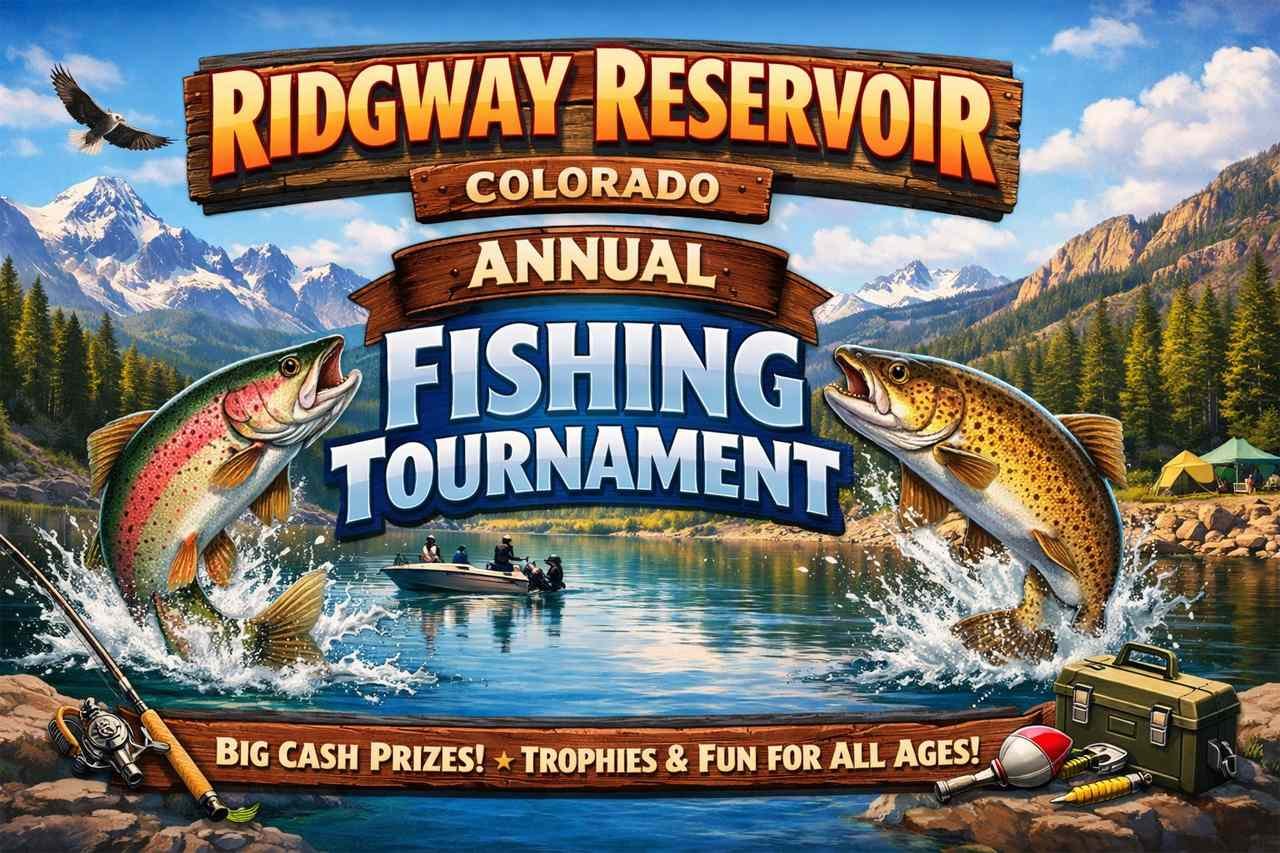
Ridgway Smallmouth Bass Tournament 2026: Win $10,000 While Saving Native Colorado Fish
The Ridgway Smallmouth Bass Fishing Tournament 2026 represents one of Colorado’s most unique fishing competitions where anglers can win substantial cash prizes while helping protect native fish populations. Expected to run from early July through mid-August 2026 at Ridgway State Park’s reservoir, this biennial event offers up to $20,000 in total prize money for removing invasive smallmouth bass from the 1,000-acre reservoir located in southwestern Colorado. Unlike traditional catch-and-release tournaments, this conservation-focused competition organized by Colorado Parks and Wildlife encourages unlimited harvest with no bag limits, making it an exceptional opportunity for both competitive anglers and conservation-minded fishermen to make a meaningful environmental impact while competing for significant rewards.
This comprehensive guide covers everything you need to know about participating in the 2026 tournament, including registration procedures, prize structures, proven fishing techniques, facility information, and essential regulations. Whether you’re a seasoned tournament angler or planning your first competitive fishing experience, understanding the unique conservation mission behind this event will help you maximize your success while contributing to Colorado’s aquatic ecosystem management efforts.
What Makes the Ridgway Smallmouth Bass Tournament Unique
Conservation Through Competition
The Ridgway tournament stands apart from traditional bass fishing competitions because it’s designed as an invasive species removal program rather than a sport fishing event. Smallmouth bass were illegally introduced to Ridgway Reservoir and pose a serious threat to native fish species found nowhere else in the world.
Key Conservation Goals:
- Protect Native Species: Prevent smallmouth bass from escaping into the Uncompahgre River downstream
- Ecosystem Preservation: Safeguard endangered native fish including several endemic trout species
- Population Suppression: Reduce aggressive predator populations that outcompete native species
- Water Resource Protection: Maintain water quality and biological integrity for downstream users
- Public Engagement: Educate anglers about invasive species impacts through hands-on participation
The tournament has proven remarkably successful. During the record-breaking 2022 event, anglers removed an impressive 5,500 smallmouth bass from the reservoir, with tournament champion Chase Nicholson personally harvesting 3,036 fish. Understanding these ethical fishing practices helps participants recognize the broader conservation value beyond personal competition.
Tournament Schedule and Important Dates for 2026
Expected Tournament Timeline
Based on the biennial schedule established in 2024, the 2026 Ridgway Smallmouth Bass Classic is anticipated to follow this timeframe:
| Event Milestone | Anticipated Date/Time | Details |
|---|---|---|
| Tournament Start | Saturday, July 4, 2026, 7:00 AM | First fish counted from this moment |
| Registration Opens | July 4, 2026 | No pre-registration required |
| Mid-Tournament Check | Late July 2026 | Informal leaderboard updates |
| Final Fish Submission | Sunday, August 9, 2026, 6:00 PM | Absolute deadline for fish turn-in |
| Prize Distribution | Mid-August 2026 | Winners announced and prizes awarded |
| Next Tournament | Summer 2028 | Following the every-other-year schedule |
Daily Fishing Schedule
Flexible Participation Advantages:
- No daily time restrictions during tournament period
- Fish any time between start and end dates
- Multiple submission opportunities throughout tournament
- Turn in catches at your convenience
- No mandatory check-in times except tournament beginning and end
This flexible structure accommodates anglers with varying schedules, allowing weekend warriors and weekday anglers equal opportunity to compete.
Prize Structure and Cash Awards
Major Prize Categories for 2026
The tournament features multiple pathways to win cash prizes, ensuring participants at all skill levels have winning opportunities:
Primary Competition Prizes:
| Placement | Prize Amount | Qualification |
|---|---|---|
| 1st Place – Most Fish | $10,000 | Highest total smallmouth bass count |
| 2nd Place | $5,000 | Second highest total catch |
| 3rd Place | $1,000 | Third highest total catch |
| Tagged Fish (3 total) | $1,000 each | Catch any of three specially tagged bass |
| Raffle Grand Prize | $500 | Random drawing from all participants |
| Additional Raffle Prizes | $100 each (5 prizes) | Random drawings |
Total Prize Pool: $20,000
Understanding the Raffle System
Every single fish you turn in equals one raffle entry, creating opportunities even if you’re not competing for top placement. This democratic prize structure means:
- Casual anglers fishing one weekend can win
- First-time tournament participants have equal raffle odds
- Each additional fish increases your winning chances
- First, second, and third place winners are excluded from raffle drawings
- You can win regardless of total catch numbers
Strategic Insight: An angler who catches just five bass throughout the tournament has five chances to win $100-$500, making every fish valuable beyond the main competition.
Registration Process and Requirements
How to Register
The Ridgway tournament features a uniquely simple registration process:
Registration Method:
- No advance registration required
- Register when submitting your first fish
- Registration occurs at the tournament freezer location
- Complete registration card with each fish submission
- Process takes approximately 5-10 minutes
What to Bring for Registration:
- Valid Colorado fishing license (if 16 years or older)
- Colorado State Parks pass (annual or daily)
- Photo identification
- Smallmouth bass (whole fish or heads)
- Completed fish registration card
License and Permit Requirements
Mandatory Documentation:
| Requirement | Who Needs It | Cost Range | Where to Purchase |
|---|---|---|---|
| Colorado Fishing License | Ages 16+ | $36-$110 (varies by residency) | cpwshop.com or local vendors |
| State Parks Pass | All visitors | $10 daily / $80 annual | Park entrance or online |
| Tournament Registration | All participants | FREE | At fish submission location |
| Additional Stamps | Varies | Habitat stamp typically included | With license purchase |
Youth Anglers: Those aged 15 and under fish completely free without requiring a license, though they still need a State Parks pass for vehicle entry. This makes the tournament an excellent family activity where younger participants can compete on equal footing with adults. For more details on licensing, visit this complete fishing license guide.
Daily vs. Annual Parks Pass Considerations
Cost-Benefit Analysis:
- Daily Pass ($10): Best for single-day or weekend participants
- Annual Pass ($80): Becomes cost-effective after 8 days of fishing
- Tournament Duration: 37 days (over 5 weeks)
- Break-Even Point: Fish 8+ days during tournament period
Recommendation: Serious competitors planning multiple fishing trips should invest in an annual pass, which also provides year-round access to all Colorado State Parks.
Tournament Rules and Regulations
Fish Submission Requirements
Acceptable Submissions:
- Whole fish carcass (preferred for research purposes)
- Fish head only (if keeping meat for consumption)
- Must be smallmouth bass species only
- No size restrictions or minimum lengths
- Unlimited daily submissions allowed
Fish Handling Protocols:
- Immediate Processing: Keep fish on ice or in live well until submission
- Proper Identification: Ensure correct species identification before turning in
- Documentation: Complete registration card for each submission batch
- Bagging: Use provided bags at fish drop box location
- Signature Required: Sign registration card to validate entry
Fish Drop Box Location and Access
Primary Submission Point:
- Location: Next to fish cleaning station at Ridgway Reservoir boat ramp (28557 US-550, Ridgway, CO 81432)
- Hours: Noon July 4 through 6:00 PM August 9, 2026
- Access: 24/7 during tournament period
- Facilities: Freezer storage, registration materials, instruction signage
- Backup Information: Ridgway State Park Visitor’s Center and Montrose CPW Office (2300 S. Townsend Ave.)
What’s Provided at Drop Box:
- Tournament freezer for storage
- Registration cards and pens
- Plastic bags for fish
- Detailed submission instructions
- Current tournament standings (updated periodically)
Species Restrictions and Regulations
Important Legal Considerations:
- Smallmouth bass ONLY qualify for tournament
- Other species may be caught and kept per Colorado Fishing Regulations
- No bag or possession limits on smallmouth bass at Ridgway Reservoir
- Cannot submit largemouth bass, spotted bass, or hybrid species
- Proper species identification is participant’s responsibility
Smallmouth Bass Identification Features:
- Bronze-green coloration (not bright green like largemouth)
- Vertical bars along sides (not horizontal stripe)
- Upper jaw doesn’t extend past eye
- Connected dorsal fins
- Typically smaller mouth opening than largemouth bass
Ridgway State Park Location and Access
Getting to Ridgway Reservoir
Physical Address: 28555 Highway 550, Ridgway, CO 81432
Directions from Major Cities:
| Starting Point | Distance | Approximate Drive Time | Primary Route |
|---|---|---|---|
| Denver | 305 miles | 5.5 hours | I-70 W to US-550 S |
| Colorado Springs | 270 miles | 4.5 hours | US-24 W to US-50 W to US-550 S |
| Grand Junction | 86 miles | 1.5 hours | US-50 S to US-550 S |
| Durango | 95 miles | 2 hours | US-550 N |
| Montrose | 20 miles | 25 minutes | US-550 S |
GPS Coordinates: 38.2229° N, 107.7345° W
Park Entrances:
- Pa-Co-Chu-Puk Entrance: Main entrance with visitor center
- Dutch Charlie Entrance: Best access to boat ramp and marina
- Dallas Creek Entrance: River access and walk-in camping
Park Facilities and Amenities
Available Facilities:
- Boat Launch: Four-lane paved ramp accommodating most recreational boats
- Blue Heron Marina: Boat rentals, supplies, bait, and tackle
- Fish Cleaning Station: Located near tournament drop box
- Campgrounds: 253 sites including full hookup RV sites
- Modern Restrooms: ADA-accessible facilities with showers
- Picnic Areas: Covered and open sites throughout park
- Swimming Beach: Designated swim area with lifeguards (seasonal)
- Hiking Trails: Multiple trails with varying difficulty levels
- Visitor Center: Information, maps, and educational displays
Camping Reservations:
- Book online at cpwshop.com
- Sites range from $30-$42 per night plus daily park fee
- Full hookup, electric-only, and tent sites available
- Three yurts available for rent year-round
- Reservation highly recommended during tournament period
Proven Smallmouth Bass Fishing Techniques
Best Times to Fish During Tournament Period
Optimal Fishing Windows:
Daily Timing:
- Early Morning (5:00 AM – 9:00 AM): Most productive period when bass feed aggressively in cooler temperatures
- Late Evening (6:00 PM – Dark): Second-best window as bass move shallow to feed
- Midday (11:00 AM – 3:00 PM): Slowest period; focus on deeper structure and shaded areas
- Overcast Days: All-day fishing becomes more productive
Seasonal Patterns (July-August):
- Early July: Post-spawn recovery; fish shallow to mid-depth structures
- Mid-July through Early August: Peak summer pattern; focus on deeper water and early/late fishing
- Late August: Pre-fall transition; increased feeding activity throughout day
Recommended Lures and Tackle
Top 10 Smallmouth Bass Lures for Ridgway:
| Lure Type | Recommended Models | Conditions | Technique |
|---|---|---|---|
| Tubes | 3-4″ green pumpkin, black/blue | All conditions, rocky areas | Drag along bottom, hop presentation |
| Jerkbaits | Rapala X-Rap, Megabass Vision 110 | Clear water, cooler mornings | Erratic retrieve with pauses |
| Topwater Poppers | Rebel Pop-R, Heddon Tiny Torpedo | Calm mornings/evenings | Walk-the-dog or pop-and-pause |
| Crankbaits | Norman Deep Little N, Rapala DT series | Mid-depth structure | Steady retrieve, bouncing rocks |
| Drop Shot Rigs | Roboworm, Yamamoto finesse worms | Deep water, suspended fish | Vertical presentation |
| Spinnerbaits | 3/8 oz white/chartreuse | Windy conditions, shallow flats | Steady retrieve near surface |
| Ned Rigs | Z-Man TRD on mushroom jig head | Tough conditions, pressured fish | Slow dragging on bottom |
| Swimbaits | Keitech Easy Shiner, Strike King Rage | Open water, active fish | Steady retrieve varying depths |
| Football Jigs | 3/8-1/2 oz black/blue, brown | Deep rocky points, ledges | Drag and hop along bottom |
| Blade Baits | Silver Buddy, Heddon Sonar | Vertical jigging deep water | Lift-drop vertical presentation |
Essential Tackle Setup:
Rod Selections:
- Spinning: Medium-light to medium power, 6’6″-7’ length for finesse techniques
- Baitcasting: Medium to medium-heavy power, 7’-7’6″ for power fishing
Line Recommendations:
- Main Line: 10-15 lb braided line for sensitivity and strength
- Leader: 6-10 lb fluorocarbon for finesse presentations in clear water
- Heavy Applications: 15-20 lb fluorocarbon for jigs and larger baits
Location Strategies for Ridgway Reservoir
High-Percentage Areas:
Rocky Structure Zones:
- Dam riprap and rocky shorelines
- Boulder fields in 10-25 feet of water
- Submerged rock piles and ledges
- Points extending into deeper water
Creek Channel Areas:
- Dallas Creek channel (northern section)
- Channel bends and deeper pools
- Submerged creek bed in 15-30 feet
Shallow Water Targets:
- Early morning shoreline cruisers
- Shallow flats adjacent to deep water
- Boat docks and marina structures
- Weed edges (limited vegetation)
Deep Water Summer Patterns:
- Main lake points dropping to 25+ feet
- Suspended fish over deep basins
- Vertical structure in 20-40 foot range
Boat Access and Shore Fishing Options
Boat Launch Information
Dutch Charlie Boat Ramp Details:
- Type: Four-lane concrete ramp
- Capacity: Suitable for boats up to 25+ feet
- Parking: Large trailer parking area
- Fees: Included with State Parks pass
- Hours: 24/7 access during tournament
- Facilities: Nearby restrooms, fish cleaning station, marina
Mandatory Boat Inspection:
All watercraft must be inspected for aquatic nuisance species before launching. This includes:
- Clean, drain, and dry inspection
- Inspection station at boat ramp
- Zero tolerance for zebra mussels, quagga mussels, other invasive species
- Inspection typically takes 5-10 minutes
- No additional fee for inspection
Shore Fishing Access Points
Productive Bank Fishing Locations:
Pa-Co-Chu-Puk Area:
- Dam area accessible from shoreline
- Rocky banks with deep water access
- Limited casting room but good fish holding structure
Dallas Creek Area:
- River inlet fishing opportunities
- More accessible shoreline
- Good early season concentration area
Dutch Charlie Shoreline:
- Areas near boat ramp and marina
- Fishing pier available (check seasonal availability)
- Easier walking access
Bank Fishing Tips:
- Arrive early for prime spots during busy weekends
- Longer rods (7’+ spinning) help reach deeper water
- Focus on dawn and dusk when bass move shallow
- Bring portable chair and tackle storage
Safety Considerations and Best Practices
Weather and Environmental Factors
Summer Weather Challenges:
- High Elevation: 6,800 feet above sea level
- UV Exposure: Intense sun at altitude; 50+ SPF sunscreen essential
- Afternoon Thunderstorms: Common in July-August; monitor weather closely
- Temperature Swings: Cool mornings (50s-60s°F) to hot afternoons (80s-90s°F)
- Lightning Risk: Leave water immediately when storms approach
Safety Equipment Checklist:
- USCG-approved life jackets for all passengers
- First aid kit with altitude sickness remedies
- Fire extinguisher (required on boats)
- Throwable flotation device
- Weather radio or smartphone with alerts
- Emergency whistle or horn
- Adequate drinking water (1 gallon per person per day)
For comprehensive safety information, review these essential fishing safety guidelines.
Wildlife and Environmental Awareness
Bear Safety:
- Black bears inhabit the area
- Secure all food and fish waste properly
- Never leave unattended coolers
- Report bear sightings to park rangers
Aquatic Hazards:
- Cold water temperatures even in summer
- Sudden depth changes near dam
- Submerged rocks and structure
- Boat traffic in high-use areas
Tournament Strategy and Competition Tips
Maximizing Your Catch Numbers
Volume Fishing Approach:
Daily Catch Targets:
- Beginner/Casual: 10-20 fish per full day
- Intermediate: 30-50 fish per full day
- Advanced/Competitive: 75-100+ fish per full day
- Weekend Warrior: 50-100 fish total over 2-3 days
Efficiency Strategies:
- Pattern Recognition: Once you find productive areas and techniques, maximize time there
- Quick Processing: Efficient fish handling saves valuable fishing time
- Pre-Tournament Scouting: Legal scouting before July 4 helps identify concentrations
- Multiple Technique Rotation: Don’t commit to single method if it’s not producing
- Time Management: Fish prime hours intensively; rest during slow midday periods
Solo vs. Team Approaches
Individual Competition Advantages:
- Keep all fish for your personal count
- Maximum flexibility in schedule and strategy
- Lower costs (boat gas, lodging sharing not required)
Team/Partner Benefits:
- Share boat and fuel expenses
- Rotate fishing and boat operation duties
- Cover more water with coordinated search patterns
- Mutual motivation and safety backup
Note: Tournament rules specify individual winners, but nothing prevents friendly collaboration for learning and efficiency.
Multi-Day Tournament Planning
Week-by-Week Strategy:
Week 1 (July 4-10):
- Scout various locations and patterns
- Test different lure types and presentations
- Establish baseline catch rates
- Identify 3-5 high-percentage locations
Week 2-3 (July 11-24):
- Focus on most productive patterns discovered
- Increase fishing time during peak periods
- Monitor weather patterns for optimal conditions
- Make mid-tournament fish submissions
Week 4 (July 25-31):
- Maximize fishing days as tournament progresses
- Refine techniques that have proven most successful
- Consider adapting to late-summer patterns
Final Week (August 1-9):
- Fish intensively if competing for top prizes
- Ensure all fish submitted before 6:00 PM deadline
- Don’t wait until final day for major submissions
Accommodations and Lodging Options
On-Site Camping
Ridgway State Park Campgrounds:
| Campground | Site Types | Amenities | Approximate Cost |
|---|---|---|---|
| Pa-Co-Chu-Puk | Full hookup, electric, tent | Showers, restrooms, dump station | $36-42/night + park fee |
| Dutch Charlie | Full hookup, electric | Modern facilities, near boat ramp | $36-42/night + park fee |
| Dallas Creek | Walk-in tent sites | Primitive, river access | $28-32/night + park fee |
| Elk Ridge | Electric sites | Standard amenities | $32-38/night + park fee |
Camping Advantages:
- Immediate water access for early morning fishing
- Secure fish storage in camp
- Cost-effective for extended tournament participation
- Family-friendly atmosphere
Reservation Requirements:
- Book well in advance (3-6 months recommended)
- Peak summer season fills quickly
- Online booking at cpwshop.com
- Some first-come, first-served sites available
Nearby Towns and Hotels
Ridgway (4 miles north):
- Multiple hotels, motels, and vacation rentals
- Restaurants, grocery stores, tackle shops
- Closest amenities to park
Montrose (20 miles north):
- Full range of accommodations (budget to luxury)
- Walmart, sporting goods stores for tackle resupply
- Medical facilities and services
- CPW office for tournament information
Ouray (14 miles south):
- Historic town with scenic charm
- Higher-end accommodations
- Limited but quality dining options
- Popular tourist destination (book early)
Processing Your Catch: Meat vs. Heads
Fish Utilization Options
Complete Carcass Donation:
- Simplest submission method
- CPW uses fish for research purposes
- Some fish become raptor food at rehabilitation centers
- Contributes to scientific understanding of population
Head-Only Submission (Meat Retention):
- Keep edible portions for consumption
- Must prepare meat according to Colorado regulations
- Heads must include enough structure for verification
- Bring cooler with ice for meat storage
Smallmouth Bass as Table Fare
Culinary Qualities:
- Taste: Mild, sweet flavor similar to walleye
- Texture: Firm, white, flaky meat
- Preparation: Excellent fried, baked, or grilled
- Yield: Roughly 30-40% meat-to-weight ratio
Preparation Recommendations:
- Fillet immediately or keep on ice
- Remove skin for best flavor (reduces muddy taste)
- Smaller fish (10-14 inches) often taste best
- Try beer-battered deep frying for classic preparation
Recipe Suggestion:
Pan-fried smallmouth with lemon butter: Coat fillets in seasoned flour, pan-fry in butter until golden (3-4 minutes per side), finish with lemon juice and fresh parsley.
Conservation Impact and Scientific Purpose
Why Smallmouth Bass Are Problematic in Colorado
Native Species Threats:
Smallmouth bass were illegally introduced to Ridgway Reservoir sometime after its 1987 completion. These aggressive predators pose multiple threats:
Direct Predation:
- Consume native fish eggs and juveniles
- Outcompete native species for food resources
- Can eat fish up to 1/3 their own body length
- Much more aggressive than native trout species
Reproductive Advantage:
- Spawn multiple times per season in Colorado’s warm reservoirs
- High survival rates for young bass
- Rapid population growth without natural predators
- Can establish self-sustaining populations in rivers
Downstream Escape Risk:
The Uncompahgre River flows from Ridgway Reservoir and supports several native and endangered fish species. If smallmouth bass populations escape into the river system, they could:
- Spread to connected river systems (Green and Yampa Rivers)
- Threaten Colorado pikeminnow (endangered)
- Impact razorback sucker populations
- Destabilize entire native fish communities
Tournament Effectiveness Data
Historical Removal Numbers:
| Tournament Year | Total Bass Removed | Number of Anglers | Top Angler Catch |
|---|---|---|---|
| 2022 (Record Year) | 5,500 | 85+ | 3,036 (Chase Nicholson) |
| 2023 | 2,800+ | 62 | 1,450+ |
| 2025 (10th Edition) | 1,498 | 79 | Not disclosed |
Population Management Success:
- Significant reductions in smallmouth density
- Decreased average size (indicating pressure on population)
- Reduced downstream escape incidents
- Improved native fish recruitment in monitored areas
Frequently Asked Questions
Q: Do I need to register before the tournament starts?
A: No, registration occurs when you submit your first fish at the tournament drop box. However, you’ll need a valid fishing license and State Parks pass before fishing begins.
Q: Can I fish from a float tube or kayak?
A: Yes, any watercraft is acceptable. All boats must pass aquatic nuisance species inspection before launching, regardless of type.
Q: What happens if I catch the most fish but didn’t register until late in the tournament?
A: Registration timing doesn’t matter for placement. All fish submitted with proper documentation during the tournament period count equally toward your total.
Q: Are there youth categories or family divisions?
A: The tournament features open competition without age divisions. However, youth 15 and under fish free without a license, making it very family-friendly.
Q: Can I turn in fish multiple times throughout the tournament?
A: Absolutely. You can make unlimited submissions at any time during tournament hours. Many competitors make weekly submissions.
Q: What should I do if I’m unsure whether I’ve caught a smallmouth bass?
A: When in doubt, take photos and consult with staff at the park visitor center or CPW Montrose office before submission. Only smallmouth bass qualify.
Q: Is there a minimum size requirement for submitted fish?
A: No minimum size exists. All smallmouth bass regardless of length qualify for tournament submission.
Q: Can out-of-state anglers participate?
A: Yes, non-residents are welcome and eligible for all prizes. You’ll need a non-resident Colorado fishing license (approximately $110 annually or $36 for 1-day).
Q: What if I catch a tagged fish worth $1,000?
A: Submit it exactly like any other fish. The tag will be noticed during processing, and you’ll be contacted about your prize.
Q: Are there any restrictions on fishing methods or techniques?
A: Standard Colorado fishing regulations apply. Rod-and-reel only (no nets or traps), single angler participation, legal lures and bait permitted.
Resources and Additional Information
Official Information Sources
Colorado Parks and Wildlife:
- Website: cpw.state.co.us
- Phone: (970) 626-5822 (Ridgway State Park)
- Montrose CPW Office: (970) 252-6000
- Tournament Updates: Check CPW event page for 2026 details
Fishing Regulations:
- Annual regulations brochure available at cpw.state.co.us
- License purchases: cpwshop.com or call 1-800-244-5613
- Regulation updates posted before each season
Weather and Conditions:
- NOAA Weather: weather.gov (enter Ridgway, CO)
- Colorado Avalanche Information Center: avalanche.state.co.us (mountain weather)
- Lake level information: Available at park visitor center
Local Fishing Resources
Tackle and Bait Shops:
- Blue Heron Marina (on-site at park)
- Montrose sporting goods stores
- Ridgway local outdoor shops
Fishing Guides and Services:
- Several local guides offer Ridgway Reservoir trips
- Consider pre-tournament scouting trip with experienced guide
- Guide services can provide pattern insights and location knowledge
Online Communities:
- Colorado Fishing Facebook groups
- FishExplorer.com Colorado forums
- CPW fishing reports (updated periodically)
Making the Most of Your Tournament Experience
Beyond the Competition
Family Activities at Ridgway:
While you’re fishing the tournament, family members can enjoy:
- Swimming at designated beach area
- Hiking on multiple park trails
- Wildlife viewing (eagles, ospreys, deer, elk)
- Visiting nearby Ouray Hot Springs
- Exploring historic Ridgway downtown
- Scenic photography opportunities
Multi-Day Vacation Integration:
The tournament’s flexible structure allows combining serious competition with family vacation:
- Fish intensively 2-3 days while family explores area
- Take rest days for family activities
- Return for final tournament weekend push
- Enjoy southwestern Colorado’s recreational opportunities
Tournament Etiquette and Community
Respecting Fellow Anglers:
- Maintain appropriate spacing from other boats
- Share general location information (not exact spots)
- Assist boaters in distress or emergency situations
- Keep tournament freezer area clean and organized
- Respect campground quiet hours
Leave No Trace Principles:
- Pack out all trash and fishing line
- Properly dispose of fish waste at cleaning station
- Don’t disturb wildlife or nesting birds
- Stay on designated trails and access points
- Leave locations better than you found them
Conclusion: A Tournament with Purpose
The Ridgway Smallmouth Bass Fishing Tournament 2026 represents far more than typical competitive angling—it’s a critical conservation program where your participation directly protects Colorado’s native aquatic ecosystems. Whether you’re competing for the $10,000 top prize or simply enjoying a weekend of fishing while contributing to invasive species management, every bass removed makes a measurable difference.
The tournament’s generous prize structure, flexible schedule, and spectacular setting in the San Juan Mountains combine to create an unmatched fishing experience. From seasoned tournament professionals to families introducing children to competitive fishing, Ridgway offers something for everyone willing to help protect Colorado’s aquatic heritage.
Mark your calendar for July 4-August 9, 2026, and prepare to be part of Colorado’s most impactful fishing competition. Your next cast could land the tournament-winning fish while simultaneously protecting endangered species found nowhere else on Earth.