
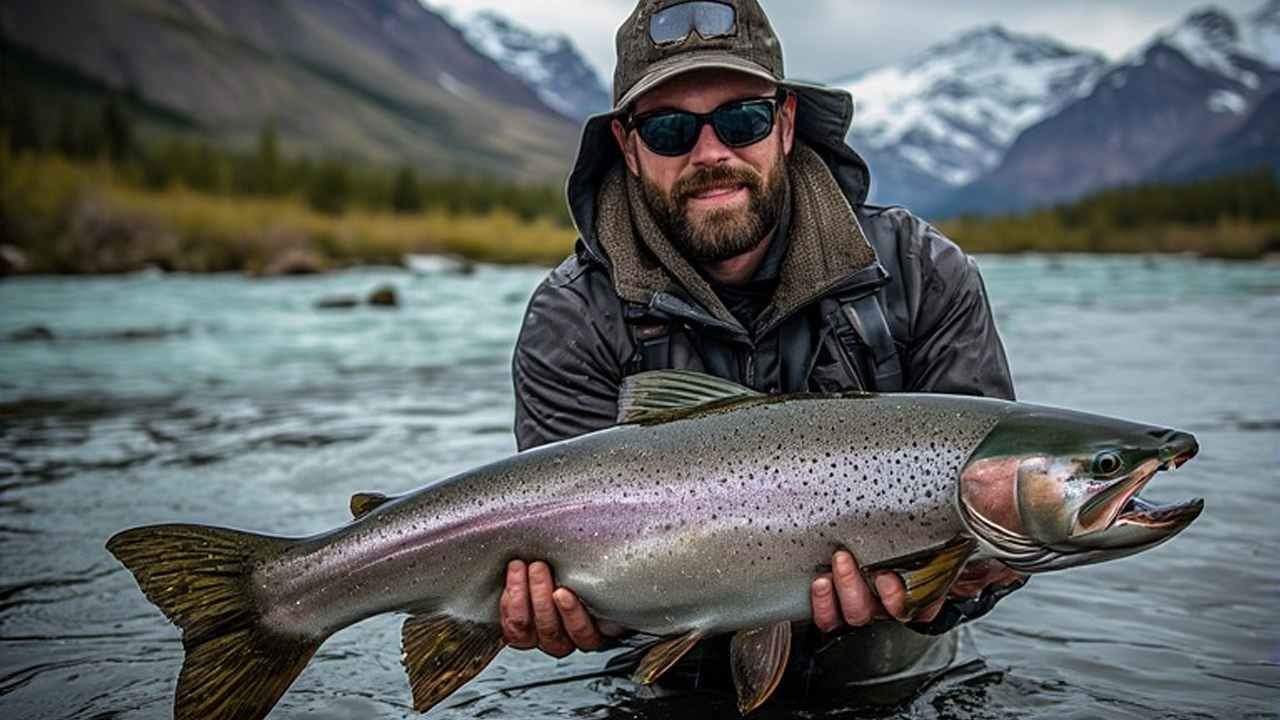
Alaska Fishing Season 2026: What’s Open and When to Fish
There is some homework to complete before you pack your tackle box and travel north to the Last Frontier. Alaska’s angling prospects are famous, but they come with precise rules, creel limitations, and time windows that vary by species and location. Whether you’re hunting the five species of Pacific salmon, seeking prize rainbow trout, or expecting to land a monster halibut, following the 2026 regulations will keep you legal—and successful.
This thorough book breaks down everything visiting anglers and Alaska locals need to know: season dates for key gamefish, bag limits, licensing requirements, popular destinations, and insider advice to make your 2026 Alaska excursion unforgettable. Let’s get started with a cup of coffee or some smoked salmon jerky! 🐟
📅 Quick Reference: Alaska Sport Fish Seasons 2026
Here’s a snapshot of the major species you’ll encounter in Alaska waters this year. Remember, specific regulations can vary by management area, so always check local rules before you fish.
| Species | Peak Season | Daily Bag Limit | Special Regulations |
|---|---|---|---|
| King Salmon 👑 | May–July | 1 fish (28″+ length) | Annual limit 1-2 fish depending on area; King Stamp required |
| Sockeye (Red) Salmon 🔴 | June–August | 3–6 fish (varies by location) | Most productive mid-June through July |
| Silver (Coho) Salmon ✨ | July–November | 3–6 fish | Extended fall run; excellent for beginners |
| Pink Salmon 💗 | July–September | No limit in many areas | Odd-numbered years are peak (2025, 2027) |
| Chum Salmon | July–September | Variable limits | Often overlooked but excellent fighters |
| Pacific Halibut 🐟 | February–December | 2 fish per day | Size restrictions: 1 any size, 1 under 27″ (charter areas) |
| Rainbow Trout 🌈 | Year-round | 2 fish, 11–22″ slot limit | Many catch-and-release waters; check local regs |
| Arctic Grayling | Year-round | 5 per day, 5 in possession | 20 fish annual limit per water body |
| Northern Pike | Year-round | No statewide limit | Management varies by region |
| Rockfish (Multiple Species) 🪨 | Year-round | 5 per day (combined) | Pelagic species often unlimited |
Note: Regulations can change mid-season based on run strength and conservation needs. Always consult the Alaska Department of Fish & Game for updates.
🐟 Popular Sport Fish: The Headliners
King Salmon (Chinook) – The Crown Jewel 👑
If you’ve got a bucket list for angling, Alaska king salmon are probably at the top. These bruisers average 20-40 pounds, with trophies exceeding 60 pounds—and they fight like they’ve got something to prove.
Season Timing: Mid-May through mid-July is prime time. The Kenai River’s early run kicks off around May 16, while late-run kings show up in July.
Size & Bag Limits: Most areas require kings to be at least 28 inches. The daily and annual limits are strictly enforced—typically one fish per day with an annual limit of 1-2 kings depending on where you fish.
Where to Target Them: The Kenai River is legendary (particularly between Cooper Landing and Soldotna), but don’t overlook the Nushagak River, Sitka’s marine waters, or the Naknek River in Bristol Bay.
License Note: You’ll need a King Salmon Stamp in addition to your sport fishing license to target these fish—unless you’re fishing stocked lakes or fall under an exemption.
Sockeye Salmon (Reds) – Pure Crimson Power 🔴
Sockeye might not grow as large as kings, but pound-for-pound, they’re some of the hardest-fighting fish in freshwater. These 6-10 pound torpedoes turn rivers into adrenaline factories from mid-June through August.
Season Dates: The Kenai River’s early sockeye run starts around June 11 and runs through late July. A second run picks up in late July and continues into mid-August.
Bag Limits: Typically 3-6 sockeye per day depending on location. The Russian River (accessed via the Russian River Ferry) is legendary—but expect crowds during peak season.
Pro Tip: Sockeye rarely hit traditional lures. You’ll want to learn the “flossing” or “lining” technique, which involves drifting weighted flies through schools of migrating fish.
Silver Salmon (Coho) – The Fall Favorite ✨
If you’re visiting Alaska later in the summer or early fall, silvers are your go-to species. These acrobatic salmon average 8-12 pounds and are more willing to hit lures than their sockeye cousins.
Peak Months: July through November, with September and October being absolutely stellar on the Kenai and Kasilof Rivers.
Daily Limits: Generally 3-6 fish per day. Check your specific fishing area for details.
Best Waters: The Kenai River below Skilak Lake, Kasilof River, and coastal streams around Seward, Kodiak, and Sitka.
Why They’re Great for Beginners: Silvers aggressively strike spinners, spoons, and flies, making them accessible for anglers of all skill levels.
Pink Salmon (Humpies) – The People’s Fish 💗
Don’t let anyone tell you pinks aren’t worth targeting. Sure, they’re smaller (3-5 pounds), but they’re abundant, aggressive, and perfect for kids or first-time Alaska anglers.
Season: July through September. Important note: Pink salmon runs are strongest during odd-numbered years (2025, 2027), so 2026 might see lighter runs.
Bag Limits: Often unlimited or very liberal (check local regs).
Where to Fish: Virtually any coastal stream or river near tidewater during peak runs.
Chum Salmon (Dogs) – The Underrated Warrior
Chum salmon get a bad rap, but these 10-15 pound fish are spectacular fighters and delicious when caught fresh in saltwater or lower river sections.
Season: July–September
Limits: Variable; often 3-6 per day
Top Spots: Ketchikan area streams, Prince William Sound tributaries, and Bristol Bay drainages.
🦞 Specialty Species: Alaska’s Unique Catches
Pacific Halibut – The Barn Doors 🐟
Halibut are the stuff of legend. These flatfish can exceed 300 pounds, and landing even a 50-pounder feels like wrestling a coffee table off the ocean floor.
Season: February 1–December 31 for most areas, but peak fishing runs from May through September when weather cooperates.
2026 Charter Regulations (Area 3A – Southcentral Alaska):
- Daily bag limit: 2 halibut per person
- Size restriction: One fish any size, one fish must be 27 inches or less
- New requirement: All charter anglers 18+ must purchase a halibut stamp
Where to Go: Homer (the “Halibut Capital of the World”), Seward, Whittier, Valdez, Kodiak, and Juneau all offer world-class halibut charters.
Pro Tip: Charter captains know the productive banks and can dramatically increase your success rate. DIY halibut fishing requires serious gear and knowledge of productive grounds.
Rainbow Trout & Steelhead – Technicolor Freshwater Beauties 🌈
Alaska’s rainbow trout are spectacular—especially the leopard-spotted trophies that lurk below spawning salmon, feeding on drifting eggs.
Season: Technically year-round in many waters, but post-spawn periods (late summer and fall) offer the best action. Many trophy rainbow waters operate under catch-and-release-only regulations.
Limits: Where harvest is allowed, expect 2 fish per day with an 11-22 inch slot limit (one fish may exceed 22 inches). Always check specific water body regulations.
Top Waters: Kenai River (below Skilak Lake in fall), Naknek River, Alagnak River, and numerous fly-out lake destinations.
Steelhead Note: Steelhead (sea-run rainbows) are present in Southeast Alaska streams from April through May and again in fall. Limits are typically 1-2 fish per day.
Arctic Grayling – The Sailfin Stunner
These uniquely beautiful fish with oversized dorsal fins are found throughout Interior Alaska and are a favorite target for fly anglers.
Season: Year-round
Bag Limits: 5 per day, 5 in possession, with a 20-fish annual limit per water body
Where to Find Them: Clear headwater streams, Interior lakes, and Arctic drainages. Popular roadside access includes the Chatanika River and many stocked lakes near Fairbanks.
Northern Pike – The Toothy Torpedoes
Pike might not be native to Alaska, but they’ve established solid populations in Southcentral lakes and provide exciting action for anglers.
Season: Year-round
Limits: Variable by water body; some areas have no limit to encourage harvest
Top Spots: Harding Lake (near Delta Junction), Alexander Lake, and various sloughs off the Susitna and Matanuska Rivers.
🐠 Panfish & Everyday Catches
Alaska isn’t traditionally known for panfish like crappie or bluegill—you won’t find those species here. But if you’re looking for accessible, family-friendly angling, stocked lakes provide excellent opportunities:
Stocked Trout Lakes
The Alaska Department of Fish & Game stocks approximately 114 lakes and ponds throughout the state with rainbow trout, Arctic char, and landlocked salmon. These are perfect for families, shore anglers, and those without access to boats or guides.
Species Stocked:
- Rainbow Trout
- Arctic Char
- Landlocked Coho and Chinook Salmon
Popular Stocked Waters Near Anchorage:
- Mirror Lake (Mat-Su Valley): Family-friendly, roadside access
- Campbell Point Lake (Kincaid Park): Stocked with rainbow trout and Arctic char
- Edmonds Lake: Quiet, productive rainbow trout fishing
How to Find Them: Check out the 2026 Statewide Stocking Plan for a complete list of stocked waters and release schedules.
🌍 Public vs. Private Waters: Know Before You Go
Thankfully, Alaska is overwhelmingly public. Most rivers, streams, lakes, and marine waters are open to all licensed anglers. Private water restrictions are rare compared to Lower 48 states.
Key Access Points:
- State Recreation Sites: Many offer river access, parking, and basic facilities
- National Forest/Park Lands: Vast opportunities, but may require hiking or fly-in access
- Native Corporation Lands: Some areas require special permits or permissions. Always verify access before fishing.
Pro Tip: Alaska has extensive coastline and millions of acres of public land. Unlike states such as Pennsylvania or Florida, access isn’t usually the limiting factor—transportation and logistics are.
🎟️ Fishing License Guide: What You Need for 2026
Alaska’s licensing system is straightforward, but you’ll want to understand the tiers before arriving. Licenses can be purchased online through the Alaska Department of Fish & Game License Portal, at sporting goods stores, or at ADF&G offices statewide.
Resident Licenses
Who Qualifies? Alaska residents age 18-59. (Note: Residency requirements are tightening in 2026, so verify your eligibility if you’re a recent transplant.)
Annual Resident Sport Fishing License: $20
King Salmon Stamp (Resident): $10
Exemptions:
- Residents under 18 years old
- Residents 60+ years old (must obtain free ADF&G Identification Card)
- Disabled veterans with ADF&G ID Card
Non-Resident Licenses
Who Needs One? Anyone 16+ who doesn’t meet Alaska residency requirements.
Options:
- 1-Day License: $30
- 3-Day License: $50
- 7-Day License: $75
- 14-Day License: $105
- Annual Non-Resident License: $145
King Salmon Stamp (Non-Resident): $15
Halibut Stamp (for charter fishing, 18+): $15-25 (new for 2026)
Youth & Junior Anglers
Resident Youth (under 18): No license required, but may need a free Sport Fishing Harvest Record Card if targeting species with annual limits.
Non-Resident Youth (under 16): No license required
Combo Packages
If you’re planning to hunt and fish during your Alaska trip, combo licenses are available that bundle both privileges (e.g., Non-Resident Annual Hunting and Sport Fishing License for $260).
Harvest Record Cards
If you’re fishing for species with annual limits (many king salmon and rainbow trout waters), you’ll need a Sport Fishing Harvest Record Card—even if you’re exempt from the license requirement. These are free and available online, at vendors, and at Fish & Game offices.
Important: Record your harvests immediately in the field. You don’t need to turn in your card at season’s end, but you must keep it until the fishing year concludes.
❓ FAQ: Your Alaska Fishing Questions Answered
Do kids need a fishing license in Alaska?
Resident kids under 18 and non-resident kids under 16 do not need a sport fishing license. However, if they’re targeting species with annual harvest limits (like king salmon or certain rainbow trout waters), they’ll need a free Sport Fishing Harvest Record Card.
Can I use live bait in Alaska?
Generally, yes—but with important restrictions. Live baitfish are prohibited in many waters to prevent the introduction of invasive species. Always check local regulations. Salmon eggs (cured roe), worms, and other natural baits are widely legal.
Are night fishing and bowfishing allowed?
Night fishing: Legal in most waters unless specifically prohibited by local regulation. Summer’s endless daylight makes this less relevant than in Lower 48 states!
Bowfishing: Limited opportunities. Some non-sport fish species can be taken with archery equipment, but check specific regulations carefully.
What waters are catch-and-release only?
Numerous trophy rainbow trout fisheries operate under catch-and-release-only regulations to protect genetics and maintain quality fishing. Examples include sections of the Kenai River during certain periods and various fly-out destinations. Always consult the area-specific regulations.
How do I report a trophy catch?
Alaska maintains Trophy Fish Program records. If you land a potential record fish, photograph it, record measurements, and report details to ADF&G. Many charter captains can help with documentation. Keep in mind that if you’re pursuing a state record, you’ll need witnesses and proper verification.
Can I fish from cruise ships or while on port stops?
Absolutely! Many Alaska cruise passengers book charter fishing excursions in ports like Ketchikan, Juneau, Sitka, and Seward. Just make sure you purchase the appropriate short-term non-resident license (1-day or 3-day options work great for cruise schedules). Some charters include license purchase in their packages.
What’s the deal with “combat fishing”?
You might hear jokes about “combat fishing”—this refers to elbow-to-elbow angling during peak salmon runs on popular rivers like the Russian River or Kenai. If you don’t like crowds, avoid opening weekends of major salmon runs or book a guided float trip to more remote sections.
🗺️ Top Fishing Hotspots for 2026
Alaska is massive—larger than Texas, California, and Montana combined. Here are five must-visit destinations that consistently produce trophy fish and unforgettable experiences:
1. Kenai River 🏆
The most famous river in Alaska, and for good reason. The Kenai produces world-record king salmon, countless sockeyes and silvers, and trophy rainbow trout. Access is excellent with paved roads, campgrounds, and guide services throughout the corridor.
Target Species: King salmon (May-July), sockeye salmon (June-August), silver salmon (August-October), rainbow trout (September-November)
Access Towns: Cooper Landing, Sterling, Soldotna
2. Homer & Kachemak Bay 🎣
The “Halibut Capital of the World” isn’t just marketing hype. Homer’s charter fleet is legendary, and you’ll also find excellent rockfish, lingcod, and salmon opportunities in surrounding waters.
Target Species: Halibut (May-September), king salmon (May-June), silver salmon (July-September)
Charter Hub: Homer Spit
3. Bristol Bay Drainages 🐻
Remote, wild, and jaw-droppingly productive. Rivers like the Nushagak, Alagnak, and Naknek offer world-class salmon fishing plus trophy rainbows and grayling. Most access requires fly-in lodges, but the fishing is unmatched.
Target Species: All five salmon species, rainbow trout, Arctic grayling, pike
Access: Fly-in lodges from Anchorage or King Salmon
4. Seward & Prince William Sound ⚓
Seward combines stunning scenery with productive marine fishing. Prince William Sound’s protected waters offer halibut, salmon, rockfish, and occasional lingcod. It’s also accessible for kayak-based anglers seeking adventure.
Target Species: Halibut, king salmon (May-July), silver salmon (July-September), rockfish
Charter Towns: Seward, Whittier, Valdez
5. Sitka (Southeast Alaska) 🌲
Sitka faces the open Pacific and gets early king salmon runs, making it an excellent choice for May and June trips. The surrounding waters also produce halibut, lingcod, and spectacular scenery.
Target Species: King salmon (May-June), halibut, rockfish
Bonus: Excellent for cruise ship port stops
For more interactive maps and detailed hotspot information, check the official Alaska Department of Fish & Game Interactive Maps or explore popular waters using their Sport Fishing Regulations pages.
✅ Wrap-Up: Your 2026 Alaska Adventure Awaits
Alaska is, without question, one of the planet’s premier angling destinations. Whether you’re a seasoned pro chasing trophy kings or a family looking for accessible stocked-lake fishing, the Last Frontier delivers.
Before you head out, remember these essentials:
✅ Purchase your license and stamps (don’t forget the King Stamp and new Halibut Stamp if applicable)
✅ Check current regulations for your specific fishing area—rules vary by region and can change based on run strength
✅ Respect bag limits and size restrictions—Alaska’s fisheries are carefully managed, and compliance ensures great fishing for future generations
✅ Consider hiring a guide for your first trip—local knowledge is invaluable and dramatically increases success rates
✅ Pack layers and rain gear—Alaska weather is famously unpredictable
If you’re curious about regulations in other states, you might also want to compare Alaska’s rules to destinations like California or Michigan, where freshwater species and structures differ significantly from Alaska’s glacially-fed rivers and vast wilderness.
Whether you’re drifting flies below spawning salmon, wrestling halibut in Cook Inlet chop, or watching the midnight sun glint off a leaping silver, Alaska offers fishing experiences that’ll stay with you forever.
So grab that license, double-check those bag limits, rally your crew, and get ready. The fish are waiting—and 2026 is shaping up to be an epic season.
Tight lines and big kings! 🎣🐟