
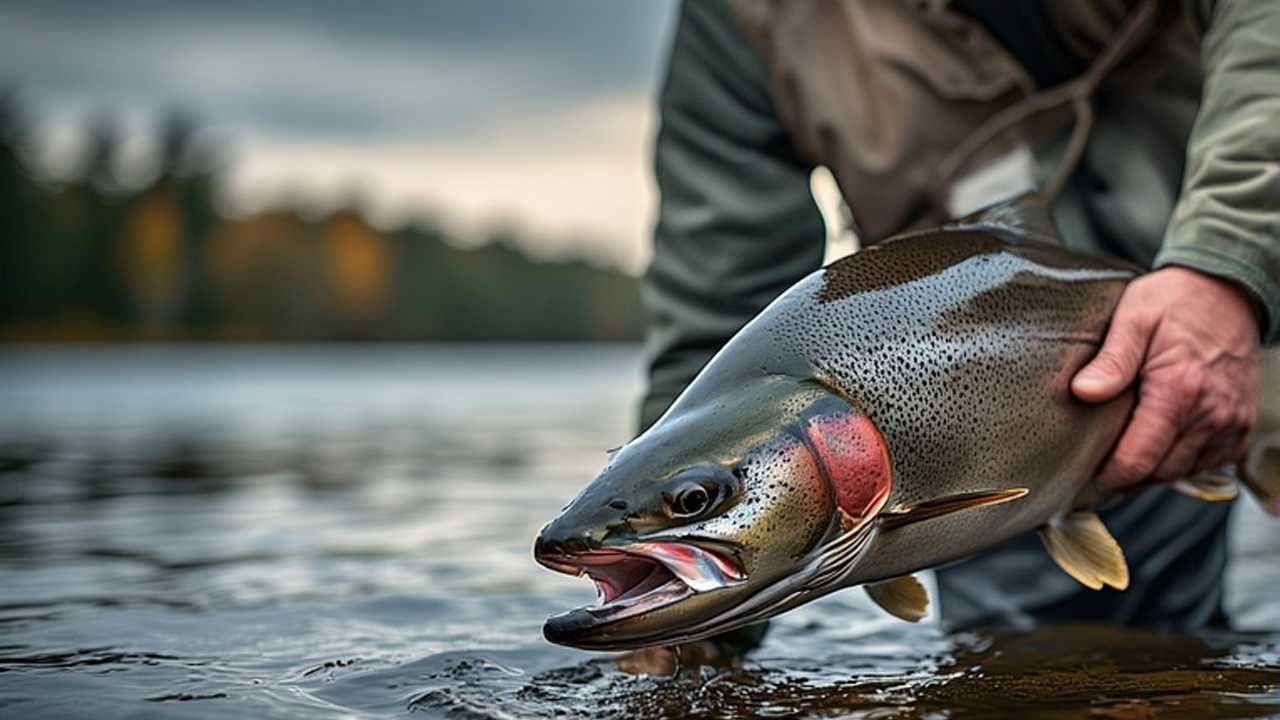
Maine Fishing Season and Limits for 2025–2026 by Month – Species, Licenses & Hotspots
Whether you’re ice fishing on a frozen pond while sipping hot coffee, waiting for a landlocked salmon to strike, or watching the dawn over Moosehead Lake with your line in the water, there’s something enchanted about fishing in Maine. You are already familiar with this if you have ever cast a line in the Pine Tree State. What if you haven’t? You’re going to have a great time.
Like its scenery, Maine offers a wide variety of fishing options. This state has plenty to offer everyone, from experienced fishermen to families seeking an enjoyable weekend excursion, from immaculate mountain streams brimming with native brook trout to enormous lakes housing trophy-sized lake trout (or “togue,” as we call them up here). Let’s go over everything you need to know about the 2025–2026 fishing calendar, including open dates, creel restrictions, license requirements, and where to find the finest action, before you pack your tackle box and go fishing.
🌊 What Makes Maine Fishing Special?
Imagine 3,500 miles of coastline, 32,000 kilometers of rivers and streams, and more than 6,000 lakes and ponds. For you, Maine is an angler’s dream come true. The diversity offered here is unparalleled, whether you’re aiming for warm-water fish like bass and pike or cold-water species like salmon and trout.
The North Zone and the South Zone are the two primary freshwater regulatory zones in the state. Because these zones have varying season dates and bag restrictions, it is essential to understand them. In general, the South Zone provides year-round chances on numerous waters, but the North Zone, which comprises the majority of Maine’s northern and western regions, has shorter seasons to conserve fish populations during spawning.
Due to Maine’s dedication to sustainable fisheries management, both locals and tourists can expect to discover robust wild populations, well-stocked waters, and unambiguous laws that will ensure these resources continue to flourish for many years to come.
📅 Quick Reference Table: Maine Fishing Seasons by Species (2025–2026)
Here’s a handy snapshot of the major sportfish species, their open seasons, and bag limits. Remember, some waters have special regulations, so always check the specific rules for your destination!
| Species | Season (Lakes/Ponds) | Season (Rivers/Streams) | Daily Bag Limit | Size Limits |
|---|---|---|---|---|
| 🐟 Brook Trout | North: Apr 1–Sep 30 / South: Year-round | Apr 1–Aug 15 (all tackle); Aug 16–Sep 30 (artificial only) | North: 5 fish / South: 2 fish | 6″ minimum |
| 🐟 Brown Trout | North: Apr 1–Sep 30 / South: Year-round | Apr 1–Aug 15 (all tackle); Aug 16–Sep 30 (artificial only) | 2 fish | Lakes: 14″ min / Streams: 6″–25″ slot |
| 🐟 Rainbow Trout | North: Apr 1–Sep 30 / South: Year-round | Apr 1–Aug 15 (all tackle); Aug 16–Sep 30 (artificial only) | 2 fish | Lakes: 12″ min / Streams: 6″ min |
| 🎣 Landlocked Salmon | North: Apr 1–Sep 30 / South: Year-round | Apr 1–Aug 15 (all tackle); Aug 16–Sep 30 (artificial only) | 2 fish | 14″ min (streams: 14″–25″ slot) |
| 🐟 Togue (Lake Trout) | North: Apr 1–Sep 30 / South: Year-round | Same as lakes | 2 fish | 18″ minimum |
| 🐠 Smallmouth/Largemouth Bass | North: Year-round / South: Year-round | Year-round | North: Unlimited / South: 2 fish | South only: 1 over 14″ allowed |
| 🐟 Whitefish | Year-round | Year-round | 3 fish | None |
| 🦞 Smelts | Season varies | Season varies | 2 quarts (Mar 15–Sep 30); 4 quarts (Oct 1–Mar 14) | None |
Important Note: From August 16–September 30, all rivers, streams, and brooks are artificial lures or flies only, with a daily limit of one landlocked salmon and one brook trout. This helps protect spawning fish during the fall run.
🐟 Popular Sport Fish in Maine
Brook Trout (Including Splake & Arctic Charr) 🎣
Brook trout—or “brookies”—are Maine’s state heritage fish, and for good reason. These beautifully colored native fish inhabit countless streams, ponds, and remote wilderness waters across the state. About 95% of all remaining native brook trout populations in North America are found right here in Maine!
When to Fish: In the North Zone, you can chase brookies from April 1 through September 30 on lakes and ponds. The South Zone offers year-round opportunities. Stream fishing opens April 1 and continues through September 30, though remember that artificial-only restriction after August 15.
Where to Find Them: Pristine mountain streams in the western mountains, countless remote ponds in the North Woods, and even some larger lakes like Moosehead. Check out the Maine Department of Inland Fisheries & Wildlife stocking reports for recently stocked waters.
Bag Limits: In the North Zone, you can keep 5 brook trout per day from lakes and ponds. The South Zone is more conservative at 2 fish to protect smaller populations.
Landlocked Salmon 🎣
If there’s one species that embodies Maine fishing, it’s the landlocked salmon. These powerful fighters are actually Atlantic salmon that have adapted to freshwater life, and they provide some of the most exciting action you’ll find anywhere.
When to Fish: April 1–September 30 in North Zone lakes; year-round in South Zone waters. Early spring (ice-out) and fall are prime times when these fish move into shallower water and feed aggressively.
Where to Find Them: Sebago Lake, Moosehead Lake, the Rangeley Lakes chain, and Grand Lake Stream are legendary salmon destinations. These fish love cold, deep, oxygen-rich water.
Regulations: Daily limit is 2 fish with a 14-inch minimum length. In rivers and streams, there’s also a maximum length of 25 inches to protect large breeding adults.
Togue (Lake Trout) 🐟
Togue—what the rest of the country calls lake trout—thrive in Maine’s deep, cold lakes. These are the fish of legend, with specimens over 20 pounds caught regularly in places like Moosehead Lake.
When to Fish: Season dates mirror other coldwater species (April 1–September 30 in North Zone). Spring and fall offer the best chances when togue move to shallower water. Summer fishing requires downriggers or lead-core line to reach the depths where they hold.
Where to Find Them: Moosehead Lake, Sebago Lake, Flagstaff Lake, and the Allagash Wilderness. Any large, deep lake with cold water can hold togue.
Bag Limits: 2 fish daily with an 18-inch minimum length.
Bass (Smallmouth & Largemouth) 🐠
Bass fishing in Maine is a tale of two zones—literally. The North Zone offers unlimited harvest (which actually encourages anglers to keep bass to protect native trout populations), while the South Zone has more restrictive limits.
When to Fish: Year-round in both zones! This is one of the few species you can target in the middle of winter through the ice.
Where to Find Them: For smallmouth, try Sebago Lake, Kezar Lake, and countless rivers throughout southern Maine. Largemouth bass prefer warmer, weedier waters—check out Cobbosseecontee Lake, Messalonskee Lake, and the Belgrade Lakes chain.
Regulations:
- North Zone: Unlimited harvest, no size restrictions
- South Zone: 2 fish daily, only one may exceed 14 inches
This slot limit in the South Zone helps maintain a quality fishery with more medium-sized bass while allowing anglers to keep smaller fish for the table.
If you’re looking for similar bass opportunities in other states, check out our guide on Pennsylvania fishing seasons or explore bass fishing in the New York fishing season guide.
🦞 Specialty Species & Saltwater Opportunities
Striped Bass (Saltwater) 🦈
Maine’s coastal waters offer excellent striper fishing, though regulations are strict to protect this important species.
Season: July 1 through November 30
Bag Limit: 1 fish per day
Size Restriction: Must be between 28–31 inches (slot limit)
Special Regulation: Circle hooks required when using bait
The best action happens in June and July around river mouths, rocky points, and tidal areas. The Kennebec River, Saco Bay, and various estuaries along the coast are prime spots.
Bluefish 🐟
These hard-fighting predators show up in Maine waters during summer months, providing exciting action on light tackle.
Season: No closed season
Bag Limit: 3 fish per day
Size Limit: None
Note: No more than two treble hooks per lure when targeting bluefish
Rainbow Smelt 🐠
Smelt fishing is a beloved Maine tradition, especially during the spring spawning runs when these silvery fish move up coastal streams.
Bag Limits:
- March 15–September 30: 2 quarts per day
- October 1–March 14: 4 quarts per day
For more information on saltwater fishing regulations, visit the Maine Department of Marine Resources.
🐠 Panfish & Everyday Catches
Don’t overlook Maine’s panfish—they’re perfect for family outings and new anglers learning the ropes!
| Species | Daily Bag Limit | Size Limit | Best Waters |
|---|---|---|---|
| 🐟 White Perch | Unlimited | None | Belgrade Lakes, Sebago Lake |
| 🐟 Yellow Perch | Unlimited | None | Most lakes statewide |
| 🐟 Bluegill/Sunfish | Unlimited | None | Warm-water ponds, southern Maine |
| 🐟 Crappie (Black/White) | Unlimited | None | Belgrade Lakes, Cobbosseecontee |
These fish are abundant, fun to catch, and delicious on the table. They’re also excellent for teaching kids how to fish—there’s nothing quite like seeing a young angler’s face light up when they reel in their first fish!
🦆 Stocked & Managed Waters
Maine’s hatchery system stocks over 1.5 million fish annually, including brook trout, brown trout, rainbow trout, landlocked salmon, and splake. This ensures that even heavily fished waters near population centers provide quality angling opportunities.
Where to Find Stocked Waters: The Maine Department of Inland Fisheries & Wildlife maintains a regularly updated stocking report on their website. You can search by county, town, or water body to see exactly when and what species were stocked.
Popular Stocked Destinations:
- Sebago Lake: Regular stockings of landlocked salmon and lake trout
- Rangeley Lake: Brook trout and landlocked salmon
- Belgrade Lakes chain: Rainbow trout, brook trout
- Androscoggin River: Brown trout and brook trout
Pro Tip: Fishing pressure is typically highest in the first few weeks after stocking. If you want a more peaceful experience, wait a few weeks—those fish will still be there, and they’ll have had time to spread out and adjust to their new home.
🌍 Public vs Private Waters: Know Before You Go
One of the best things about Maine is the abundance of public access. The state maintains hundreds of boat launches, shore fishing spots, and public access points throughout its waters.
Public Waters: Most of Maine’s larger lakes and rivers offer free public access. Look for signs indicating “Public Boat Launch” or “Shore Fishing Access.” The Maine IF&W website has an interactive map showing public access points.
Private Waters: Some ponds and smaller lakes are privately owned or have restricted access. Always look for posted signs and respect private property. If you’re unsure, a quick call to the town office or checking the state fishing regulations can clarify access rights.
Sporting Camps & Guide Services: Many remote waters are accessible through traditional Maine sporting camps, which often include boat rentals, lodging, and guide services. This is an excellent option for reaching wilderness fisheries in the North Woods or Allagash region.
🎟️ Maine Fishing License Guide (2025–2026)
Alright, let’s talk licenses—because nobody wants a hefty fine to ruin their fishing trip!
License Types & Fees
Resident Licenses (Maine residents):
- Annual Fishing License: $32 (increase from $25 effective September 24, 2025)
- Combination Hunting & Fishing: $50
- 3-Day Fishing License: $30
- Youth/Junior (under 16): Free! No license required
Non-Resident Licenses:
- Season Fishing License: $71 (increased by $7)
- 15-Day License: $64
- 7-Day License: $47
- 3-Day License: $30
- 1-Day License: $20
Special Notes:
- Non-resident college students enrolled full-time in a Maine college may qualify for resident rates
- Active military stationed in Maine may also qualify for resident licenses
- All licenses include a $2 agent fee when purchased through a vendor
Free Fishing Days 2025–2026
Mark your calendars! Maine offers Free Fishing Weekends when anyone can fish without a license (except those with suspended licenses):
- February 14–15, 2026
- May 30–31, 2026
These are perfect opportunities to introduce friends or family to fishing without the commitment of buying a license first.
Where to Buy
Licenses are available:
- Online: Through the Maine IF&W website (most convenient!)
- By Phone: Through authorized vendors
- In Person: At town offices, sporting goods stores, and many convenience stores throughout Maine
Pro Tip: Buy your license online before your trip. It’s instant, and you can print it at home or save it on your phone. Plus, you avoid the rush at local vendors during peak season!
❓ Frequently Asked Questions
Q: Do kids need a fishing license in Maine?
A: Nope! Anyone under 16 can fish without a license. It’s a great way to get young anglers started without extra costs.
Q: Can I use live bait in Maine?
A: It depends on where you’re fishing. In the North Zone, the use or possession of live fish as bait is prohibited (you can use dead baitfish, worms, and artificial lures). In the South Zone, live baitfish are permitted. Always check the specific regulations for your water body.
Q: How many fishing rods can I use?
A: During open water fishing, you’re limited to 2 lines. During ice fishing, you can use up to 5 lines (including tip-ups). You must be within sight of your tip-ups and cannot leave them unattended.
Q: Are there catch-and-release-only waters in Maine?
A: Yes! Many streams and some special management waters are designated catch-and-release for specific species. These are clearly marked in the fishing regulations book. Trophy trout and salmon waters often have these restrictions to maintain quality fisheries.
Q: Is night fishing allowed?
A: Yes, night fishing is generally permitted on most Maine waters. However, some waters may have specific restrictions, so check the regulations for your chosen location.
Q: What about bowfishing?
A: Bowfishing is legal in Maine for certain species like carp, suckers, and other non-game fish. However, it’s illegal to take game fish (bass, trout, salmon, etc.) by bow and arrow.
Q: How do I report a trophy catch?
A: Maine has an official “Big Fish” recognition program! You can submit your trophy catch through the IF&W website with photos and measurements. Categories include landlocked salmon, brook trout, brown trout, lake trout, and several other species.
🗺️ Top 5 Must-Visit Fishing Hotspots in Maine
1. Moosehead Lake 🏔️
At 75,000 acres, this is Maine’s largest lake and a true wilderness destination. Togue, landlocked salmon, brook trout, and even burbot call this lake home. The scenery alone is worth the trip—towering Mount Kineo rises from the water like something out of a postcard.
2. Sebago Lake 💙
Just a short drive from Portland, Sebago is Maine’s deepest lake (316 feet) and offers outstanding opportunities for landlocked salmon, lake trout, and smallmouth bass. Excellent public access and proximity to amenities make this a favorite for both locals and visitors.
3. Rangeley Lakes Region 🎣
This chain of interconnected lakes—including Rangeley Lake, Mooselookmeguntic Lake, and Richardson Lakes—is legendary in fly fishing circles. Wild brook trout, landlocked salmon, and some of the most beautiful mountain scenery in the Northeast.
4. Grand Lake Stream 🌊
If you’re a smallmouth bass enthusiast, this is your Mecca. Grand Lake Stream connects Big Lake and West Grand Lake, and the fishing here is absolutely phenomenal. The village of Grand Lake Stream is also one of Maine’s most charming fishing communities.
5. Kennebec River 🦈
For something different, try the Kennebec for sea-run striped bass, Atlantic salmon restoration waters (catch-and-release), and excellent smallmouth bass fishing. The river offers diverse angling in a beautiful setting.
Interactive Resources: The Maine IF&W Interactive Fishing Map is an incredible tool—you can search by species, water body, or location to find exactly what you’re looking for.
✅ Final Tips: Make the Most of Your Maine Fishing Adventure
So there you have it—everything you need to know to plan your Maine angling adventure for 2025–2026. Whether you’re chasing trophy lake trout in the depths of Moosehead, enjoying family time catching panfish at a local pond, or testing your skills against powerful landlocked salmon, Maine has something special waiting for you.
Before you head out:
- ✅ Check current water levels and recent stocking reports
- ✅ Purchase your license online for convenience
- ✅ Review special regulations for your specific water body
- ✅ Pack appropriate gear for Maine’s variable weather (even in summer!)
- ✅ Practice Leave No Trace principles—keep our waters clean
- ✅ Take a kid fishing—pass on the tradition!
Remember, fishing isn’t just about what you catch—it’s about the experience, the scenery, the peace of being on the water, and the stories you’ll tell for years to come. Maine’s waters have been providing those experiences for generations, and with proper stewardship and respect for the resource, they’ll continue to do so for generations to come.
Tight lines and safe travels! 🎣
If you enjoyed this guide and want to explore fishing opportunities in nearby states, check out our comprehensive guides for Connecticut fishing seasons and discover what makes each region unique.
For official regulations, always consult the Maine Department of Inland Fisheries & Wildlife website, and for saltwater fishing, visit the Maine Department of Marine Resources.