
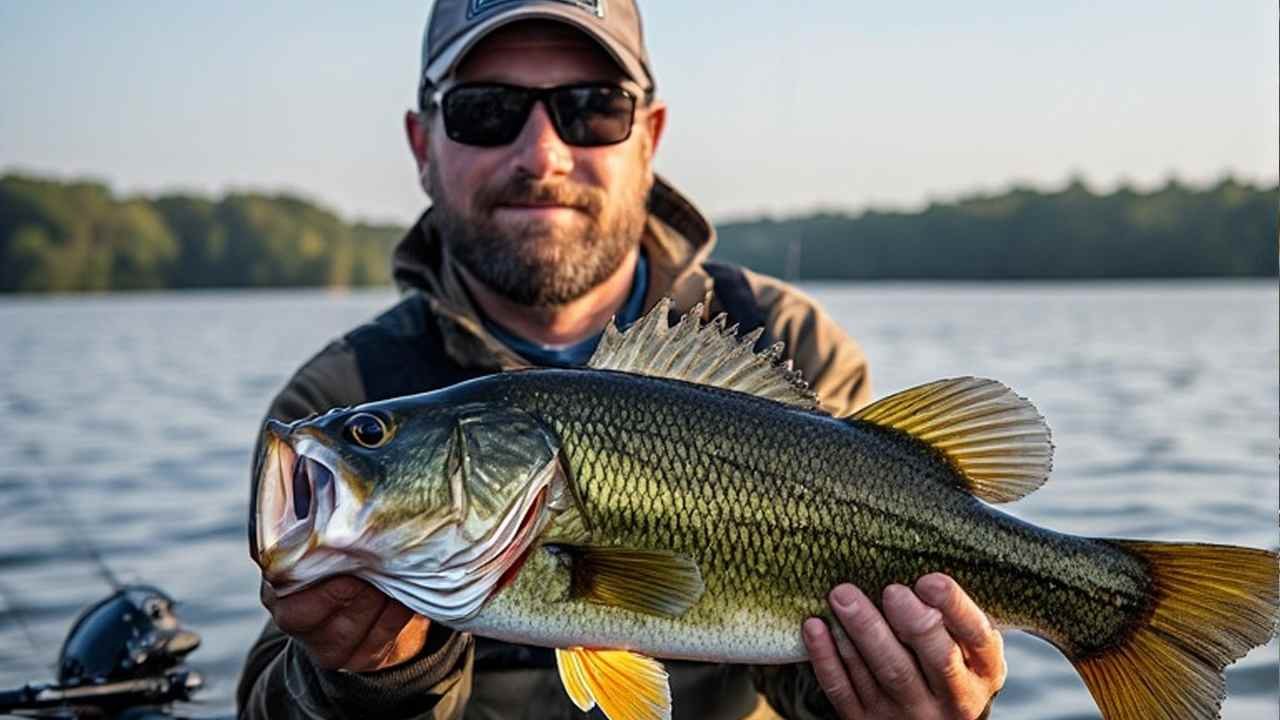
Virginia Fishing Season and Regulation 2026 – Species, Licenses & Hotspots
You already know that Virginia is an angler’s paradise if you have ever stood on the banks of the Shenandoah River before dawn, rod in hand, watching the mist roll off the river. The Old Dominion has plenty to offer everyone, regardless of skill level, from the untamed mountain streams that are alive with native brook trout to the expansive reservoirs that are brimming with stripers.
I vividly recall my first trip to Smith Mountain Lake back in 2014. I believed my friend was exaggerating when he claimed that the striped bass bite was “insane.” Turns out, he wasn’t. My arms felt like noodles from hauling in fish after fish. That’s Virginia for you; there are always surprises and potential trophy catches.
Everything you need to know about Virginia’s 2025–2026 fishing schedule is broken down in this guide, including important dates, bag restrictions, licensing requirements, and locations for the best action. Whether you’re pursuing largemouth in Lake Anna, drifting for walleye in Claytor, or casting streamers in the Blue Ridge mountains, we’ve got you covered.
🌊 What Makes Virginia Special for Anglers?
Virginia’s geographical diversity is its superpower. You’ve got freshwater mountain streams cascading through Appalachia, piedmont lakes stocked with lunker bass, and the Chesapeake Bay feeding system that opens the door to incredible saltwater opportunities. Red drum, striped bass (rockfish), speckled trout—they’re all here, and regulations have been carefully crafted to keep these populations healthy for generations to come.
Both residents and out-of-state visitors will find plenty of public access waters, family-friendly stocking programs, and some of the most scenic backdrops you’ll ever cast a line against. And with updated regulations rolling out for 2026, it’s more important than ever to stay informed about creel limits, slot sizes, and special management zones.
📅 Quick Reference: Virginia Fishing Seasons by Month (2026)
Here’s a snapshot of what’s biting when, along with daily bag limits and any special regulations. Remember, some waters have unique rules—always double-check before you head out.
| Species | Open Season | Daily Bag Limit | Size Restrictions | Special Notes |
|---|---|---|---|---|
| Largemouth Bass | Year-round | 5 fish combined (largemouth + smallmouth) | No statewide minimum | Some lakes have slot limits |
| Smallmouth Bass | Year-round | 5 fish combined | No statewide minimum | New River: special regs apply |
| Trout (Stocked Waters) | Oct 1–Jun 15 | 6 fish | Varies by water type | Catch & release: Mar 1–Apr 12 (most waters) |
| Trout (Wild/Native) | Year-round | 6 fish | No statewide minimum | Some streams catch & release only |
| Walleye | Year-round | 5 fish | 18-inch minimum (some waters) | Check specific lake regs |
| Crappie (Black/White) | Year-round | No daily limit | 9-inch minimum (select waters) | Peak: Feb–May |
| Channel Catfish | Year-round | No daily limit | No minimum | Blue catfish: check Rappahannock/York regs |
| Striped Bass (Freshwater) | Year-round | Varies by water | 20–28 inch slot (many waters) | Some lakes: 2 fish limit |
| Striped Bass (Saltwater) | Varies | 2 fish | 20–28 inch slot | Season closures Apr–early May |
| Red Drum | Year-round | 3 fish | 18–26 inch slot | Saltwater only |
| Bluegill/Sunfish | Year-round | No daily limit | None | Great for kids! |
| Muskellunge | Varies by water | 1 fish | 42–50 inch minimum (varies) | Catch & release encouraged |
Pro Tip: This table covers statewide norms, but individual lakes and rivers often have special regulations. The New River, Shenandoah National Park streams, and certain striped bass impoundments all march to their own beat. Check the official Virginia Department of Wildlife Resources (DWR) creel and length limits guide before you fish.
🐟 Popular Sport Fish: The Headliners
Largemouth & Smallmouth Bass
Bass fishing in Virginia is a year-round affair, and the state produces some absolute monsters. Largemouth dominate the piedmont and coastal plain reservoirs—think Lake Anna, Chickahominy, and the sprawling Kerr Reservoir (Buggs Island Lake). Smallmouth, on the other hand, rule the rivers and highland lakes. The James River, New River, and South Holston are legendary for bronze beauties that’ll test your drag.
- Season: Open all year
- Bag Limit: 5 fish combined (largemouth + smallmouth)
- Size Restrictions: No statewide minimum, but some waters enforce slot limits to protect spawners
- Best Months: Spring (March–May) and fall (September–November) are prime time
Where to Go: Smith Mountain Lake is a perennial favorite for both species. If you want a quieter experience, head to Philpott Reservoir or the upper reaches of the Shenandoah.
Trout: Brook, Brown, Rainbow
Virginia’s trout waters are nothing short of magical. From the wild brookies hiding in Shenandoah National Park’s high-elevation streams to the hefty rainbows and browns cruising the stocked tailwaters, there’s a trout adventure for every skill level.
- Season: Designated Stocked Trout Waters run October 1 through June 15
- Catch & Release Period: March 1 through 6:00 AM on April 12 (most stocked waters)
- Bag Limit: 6 fish
- Trout License Required: Yes, in addition to your base freshwater license if fishing stocked waters
The DWR stocks over 100 streams and lakes with catchable-sized trout multiple times per season. Category A waters get stocked weekly, Category B every other week, and Category C three times total. Urban program sites near cities like Richmond and Roanoke are stocked five times to give local anglers easy access.
Top Spots: Jackson River, Mossy Creek (catch-and-release only), North Creek in Shenandoah, and Big Stony Creek. For lake fishing, try Moomaw or Laurel Bed Lake.
Walleye
Walleye fishing in Virginia flies under the radar, but if you know where to look, you can have a field day. Claytor Lake and the New River system are your best bets. These fish love cooler water, so late winter through spring (January–April) is peak season. Troll crankbaits along rocky points or drift live minnows near drop-offs.
- Season: Year-round
- Bag Limit: 5 fish
- Size Limit: 18 inches minimum on some waters (check local regs)
Catfish: Channel, Blue, and Flathead
If you’re looking for a fun, family-friendly outing or just want to fill the cooler, catfish are your ticket. Channel cats are everywhere—from farm ponds to the Potomac. Blue catfish have exploded in the tidal rivers (more on that in a sec), and flatheads lurk in the deeper holes of big rivers.
- Season: Year-round
- Bag Limit: No daily limit for channel and flathead (statewide)
- Blue Catfish: Unlimited harvest in the York and Rappahannock Rivers to help control this invasive species
Techniques: Chicken liver, cut bait, or stink bait on the bottom. For flatheads, try live bluegill or shad.
Crappie (Black & White)
Crappie fishing heats up in late winter and early spring when these schooling fish move shallow to spawn. February through May is the sweet spot. They’re ridiculously fun to catch, especially around submerged brush piles and docks.
- Season: Year-round
- Bag Limit: No daily limit (statewide)
- Size Limit: 9-inch minimum on select waters
Best Lakes: Lake Anna, Occoquan Reservoir, and the upper end of Claytor Lake. A simple jig-and-minnow combo under a bobber is all you need.
🦞 Specialty Species: The Trophy Hunters
Striped Bass (Rockfish)
Stripers are Virginia icons, especially in the Chesapeake Bay and its tributaries. Freshwater reservoirs like Smith Mountain, Leesville, and Kerr also host landlocked populations that can reach 30+ pounds.
- Freshwater Season: Year-round (varies by water)
- Saltwater Season: Closed April 1–May 15 in some zones
- Bag Limit: 2 fish (common)
- Slot Limit: 20–28 inches in many waters
New 2026 regulations from the Atlantic States Marine Fisheries Commission (ASMFC) tighten some harvest restrictions to support stock recovery. If you’re targeting trophy rockfish, pay close attention to updated slot sizes.
External Resource: For the latest saltwater regulations, check the Virginia Marine Resources Commission (VMRC).
Red Drum (Redfish)
Red drum are a saltwater staple in the lower Chesapeake and along the Eastern Shore. They’re feisty, beautiful, and a blast on light tackle.
- Season: Year-round
- Bag Limit: 3 fish
- Slot Limit: 18–26 inches total length
Fall is prime time when big schools of “puppy drum” flood the shallows. Cast gold spoons or soft plastics near marsh edges and oyster bars.
Muskellunge (Muskie)
Muskie are the “fish of 10,000 casts,” but when one hits, you’ll never forget it. Virginia’s premier muskie waters include the New River, North Fork Holston, and Philpott Reservoir.
- Season: Varies by water (often year-round with catch-and-release encouraged)
- Bag Limit: 1 fish
- Size Limit: 42–50 inches minimum (depends on location)
These apex predators require patience and heavy tackle. Bucktails, jerkbaits, and topwater lures are standard weapons.
🐠 Panfish & Everyday Catches
Let’s not forget the little guys that make fishing so accessible and fun. Bluegill, redear sunfish (shellcrackers), pumpkinseed, and yellow perch are found in nearly every pond, lake, and slow-moving creek across Virginia.
| Species | Season | Bag Limit | Size Limit | Notes |
|---|---|---|---|---|
| Bluegill & Sunfish | Year-round | No limit | None | Perfect for kids |
| Redear Sunfish | Year-round | No limit | None | Peak: May–June |
| Yellow Perch | Year-round | No limit | None | Great in winter |
| White Perch | Year-round | No limit | None | Tidal rivers |
Family Fun: Grab a bucket of worms, a few cane poles, and hit a public lake like Hungry Mother or Douthat. Kids will be hooked in no time.
🦆 Stocked & Managed Waters
Virginia’s DWR does an incredible job managing public fisheries. The 2026 Catchable Trout Stocking Plan covers over 100 designated streams and lakes. Urban program waters near population centers are stocked more frequently to give city dwellers easy access to quality angling.
Where to Find Stocking Schedules:
The DWR publishes a daily trout stocking schedule on their website. You can see exactly when and where trucks are hitting the water. Serious trout anglers bookmark this page and plan trips around fresh deliveries.
Top Stocked Lakes:
- Douthat Lake (Bath County)
- Laurel Bed Lake (Russell County)
- South Holston Reservoir (Washington County)
- Big Cherry Reservoir (Bland County)
National Forest Waters: Many streams in the George Washington and Jefferson National Forests are stocked regularly. Look for the asterisk (*) on the stocking plan—it denotes public lands with fantastic access.
🌍 Public vs. Private Waters: Know Before You Go
Virginia has thousands of miles of public rivers and streams, plus dozens of state-owned reservoirs and lakes. However, some waters are private or require special permits.
Public Waters: Free to fish with a valid license. Examples include the James River, Rappahannock River, Shenandoah River, and all DWR-managed lakes.
DWR-Owned Lands: Some Wildlife Management Areas (WMAs) require an Access Permit in addition to your fishing license. These are cheap (often just a few bucks) and help fund habitat improvements.
Private Ponds & Fee Lakes: If you’re fishing on private property, always get permission. Some pay-to-fish lakes exist, especially for trout.
Tidal vs. Non-Tidal: Virginia draws a line between freshwater and saltwater regs. Tidal waters (below the fall line) follow saltwater rules, even if the water isn’t salty. Confusing? A little. But the DWR’s online maps clarify boundaries.
🎟️ Fishing License Guide: What You Need
Nobody likes red tape, but licenses fund conservation programs, hatcheries, and public access. Here’s the breakdown for 2026:
Resident Licenses
- Annual Freshwater Fishing: $23
- Senior (65+) Annual Freshwater: $9
- Trout License (Oct 1–Jun 15): $23 (required in addition to base license for stocked trout waters)
- Lifetime Freshwater Fishing (age-based pricing): $555+
Non-Resident Licenses
- Annual Freshwater Fishing: $47
- 5-Day Freshwater Fishing: $21
- Trout License: $23 annual / $555 lifetime
Youth & Exemptions
- Kids under 16: Fish for free (no license required)
- Seniors 65+: Discounted freshwater license
- Saltwater: Anglers 65+ don’t need a saltwater license but must register with the Virginia Fisherman Identification Program (FIP)
Where to Buy
You can snag a license online at GoOutdoorsVirginia.com, at most sporting goods stores, or through the DWR’s mobile app. Super easy.
Special Stamps & Permits:
- Trout Stamp: Required for stocked trout waters
- WMA Access Permit: Needed on some Wildlife Management Areas
- Saltwater License: Optional but recommended if you fish tidal waters frequently
Free Fishing Days: Virginia offers up to six free fishing days per year (thanks to recent legislation). No license needed on these dates—perfect for introducing friends or family to the sport.
If you’re planning trips to neighboring states, you might want to check out similar guides like the Pennsylvania fishing season for cross-border adventures.
❓ FAQ: Quick Answers to Common Questions
Do kids need a fishing license in Virginia?
Nope! Anyone under 16 can fish without a license. It’s a great way to get young anglers hooked (pun intended) without extra cost.
Can I use live bait everywhere?
Yes, with some exceptions. Bluegill, sunfish, and bream can be used as cut bait. You can’t transport live fish between waterbodies (to prevent disease spread). Minnows, worms, and crickets are fair game statewide.
Is night fishing allowed?
Absolutely. Virginia allows night fishing on most public waters. Just make sure you’ve got proper lighting and follow local boating regulations if you’re on the water after dark.
Are there catch-and-release-only waters?
Yes. Mossy Creek, portions of Whitetop Laurel Creek, and several streams in Shenandoah National Park are designated catch-and-release for trout. Check the regs for each water.
How do I report a trophy catch?
Virginia has a Citation Program for trophy-sized fish. If you land a qualifying catch, you can submit photos and measurements through the DWR website to earn a certificate and bragging rights.
Can I bowfish in Virginia?
Yes, but only for certain species. Blue catfish, common carp, and snakeheads are common bowfishing targets. Do not bowfish for game species like bass, walleye, or muskie—that’s illegal.
What’s the deal with blue catfish?
Blue cats are invasive in the Chesapeake Bay drainage. The state actually encourages unlimited harvest in the York and Rappahannock Rivers to help control their population. So load up the cooler guilt-free!
🔗 Related Guides: Explore More Angling Hotspots
Looking to expand your horizons? Check out our other state guides:
- Florida Fishing Season – Year-round action in the Sunshine State
- North Carolina Fishing Season – Mountains, piedmont, and coast
For in-depth species info and regional insights, the National Oceanic and Atmospheric Administration (NOAA) offers federal saltwater regulations that apply to Virginia’s coastal waters.
🗺️ Map & Hotspots: Where the Fish Are
Virginia’s angling scene is so diverse, you could fish every weekend for a decade and still find new spots. Here are my top five must-visit waters for 2026:
1. Smith Mountain Lake
Species: Striped bass, largemouth bass, crappie
Why It’s Great: Virginia’s second-largest lake (20,600 acres) with over 500 miles of shoreline. The striper bite in spring and fall is legendary. Launch from Hales Ford or Parkway Marina.
2. Lake Anna
Species: Largemouth bass, blue catfish, crappie
Why It’s Great: The “warm side” (near the power plant) stays temperate year-round, extending the fishing season. Great for kayak anglers.
3. Kerr Reservoir (Buggs Island Lake)
Species: Largemouth bass, striped bass, crappie, catfish
Why It’s Great: At 50,000 acres, it’s Virginia’s largest lake (shared with North Carolina). Tournament-quality bass fishing and a thriving striper population.
4. Jackson River
Species: Rainbow trout, brown trout
Why It’s Great: A stunning tailwater fishery below Gathright Dam. Consistent flows, healthy hatches, and fish that’ll make your reel scream. Fly fishing paradise.
5. Chesapeake Bay (Eastern Shore)
Species: Red drum, speckled trout, flounder, striped bass
Why It’s Great: Saltwater paradise. Wade the flats, fish the bridges, or charter a boat. Fall is prime time for big red drum.
Interactive Maps: The DWR’s website has an interactive fishing map where you can filter by species, access type, and region. It’s a game-changer for trip planning.
✅ Wrap-Up: Get Out There!
The waterways of Virginia are beckoning, and 2026 looks to be a fantastic year for fishermen. The Old Dominion delivers whether you’re casting dry flies to rising trout in a clean mountain stream, fighting a bruiser striper on Smith Mountain, or drifting jigs for crappie on a freezing February morning.
Final Checklist Before You Go:
- ✅ Valid fishing license (and trout stamp if needed)
- ✅ Check creel and size limits for your target species
- ✅ Review special regulations for your chosen water
- ✅ Grab the DWR app for real-time stocking schedules
- ✅ Pack safety gear (life jacket, first aid kit, sun protection)
- ✅ Bring a friend or family member—fishing’s better together
Keep in mind that laws are in place to safeguard our fisheries for coming generations. Practice judicious harvest, respect size and bag limitations, and consider releasing trophy fish so they can spawn again. Keep your distance, be careful, and create some memories.