
West Virginia Fishing Season limits and Regultions for 2026 by Month – Species, Licenses & Hotspots
Angling in West Virginia is more than just “something to do”—it’s a whole mood, if you’ve ever seen fog lift off a mountain river at first light. 🐟 One weekend you’re drifting a small jig along a rocky ledge for bronzebacks, and the next you’re standing knee-deep in chilly trout waters wondering why your fingers feel like popsicles.
The overall picture for 2026 is straightforward: many of the best freshwater opportunities are available for the majority of the year, but the rules vary by body of water, and unique regulations (such as slot sizes, catch-and-release stretches, and lake-specific creel limits) may catch you off guard. You can use statewide creel limits as a baseline (e.g., 6 trout/day, 6 black bass/day), but always make sure you’re fishing in the right water.
This guide is designed for locals and tourists alike, so you’ll know what to expect whether you’re planning a musky weekend, chasing bass on a public lake, or hoping for stocked rainbows with the kids.
📅 Quick Reference by Month (Major Species Snapshot)
These are beginner-friendly “planning notes.” Exact catch dates and exceptions depend on the specific river, lake, or special regulation area—so treat this as your quick calendar, not the final word.
| Month | What’s Typically Hot 🐠 | Open/Close (General) | Daily Bag / Creel Limits (Baseline) | Special Regulation Reminders |
|---|---|---|---|---|
| Jan–Feb | Trout in stocked areas, river catfish | Most fishing open | Trout: 6/day; Channel catfish varies by water | Some lakes/rivers have different catfish limits; check before you fill a cooler. Source |
| Mar–Apr | Stocked trout peaks 🎣 | Stocking ramps up | Trout: 6/day | Stocked streams/lakes can fish very differently week-to-week—watch stocking updates. |
| May–Jun | Bass, crappie, walleye | Generally open | Black bass: 6/day | Trophy/slot rules may apply on certain rivers and lakes. Source |
| Jul–Aug | Catfish, bass, musky | Generally open | Musky/Tiger musky: 1/day (min 30″) | Night fishing can be great—just follow local access rules. Source |
| Sep–Oct | Musky season feel, fall bass | Generally open | Striped/white bass (select waters): 4/day, 15″ min | Some lakes/rivers have striped bass rules; Rollins Lake is catch-and-release for striped/hybrid/white bass. Source |
| Nov–Dec | Late fall trout, deep-water bass, tailwater bites | Generally open | Trout: 6/day | Cold water = slow down, fish smaller, and handle releases gently. |
🐟 Popular Sport Fish (What to Catch + Where to Start)
Black Bass (Largemouth, Smallmouth, Spotted) 🐟
If you told me to pick one “signature” gamefish here, I’d lean smallmouth—because West Virginia rivers have that rocky, current-swept personality that bronzebacks love.
Statewide baseline: 6 black bass/day in any combination (possession limit 12), but special rules apply in certain waters.
Where beginners do well:
- Public lakes with easy access and predictable structure (points, riprap, docks)
- Medium-size rivers with rock ledges and eddies
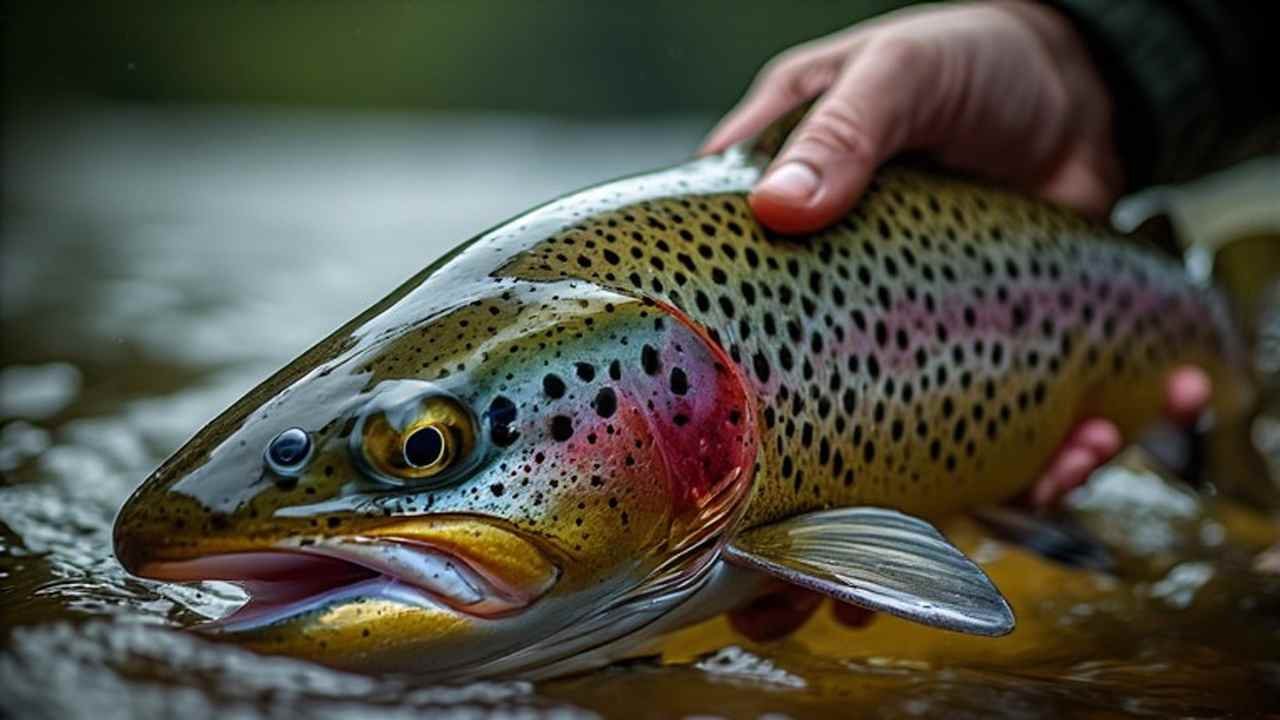
Trout (Rainbow, Brown, Brook, Golden Rainbow, etc.) 🐠
Trout fishing here is famous because the state actively stocks and manages a ton of water. Baseline: 6 trout/day (possession 12).
Best tip for new anglers: don’t overcomplicate it. A small spinner, a single hook bait setup, or a simple fly will catch fish—especially near recent stocking areas.
Walleye / Sauger / Saugeye 🦈
Walleye opportunities show up in rivers and larger reservoirs. Statewide baseline listed for walleye is 8/day (possession 16), but pay attention to river-specific aggregate rules—especially the Ohio River system where combined limits can apply to walleye/sauger/saugeye.
Catfish (Channel, Blue, Flathead) 🦞
Catfish are the “all-summer, all-attitude” option, and you can keep it simple: a sturdy rod, circle hook, and stink bait or cut bait.
Notable statewide notes:
- Blue catfish: 2/day, 25″ minimum (with additional notes by water type)
- Channel catfish: limits vary depending on whether you’re in state-managed impoundments vs certain bigger waters (rivers/streams and some large lakes have higher overall catfish limits)
Muskellunge / Tiger Musky 🎣
If you want a fish story that sounds slightly unbelievable, musky fishing is your lane. The baseline rule: 1/day, 30″ minimum (possession 2).
🦞 Specialty Species (Highly Regulated / Must-Know Rules)
A few species are essentially “look but don’t keep” in many situations:
- Paddlefish, lake sturgeon, shovelnose sturgeon: listed as must be returned immediately (no harvest).
Also, certain waters have unique striped/hybrid rules, including places where all striped/hybrid/white bass must be released (Rollins Lake).
🐠 Panfish & Everyday Catches (Easy Wins for Beginners)
If you’re introducing someone to fishing (or just want steady action), panfish are the confidence builders.
| Species Group | Daily Creel Limit | Notes |
|---|---|---|
| Crappie (black + white) | 30/day (aggregate under “all other gamefish”) | Always confirm local lake rules. |
| Bluegill + sunfish (aggregate) | 30/day | Great for kids and simple gear. |
| Yellow perch | 30/day (but Cheat Lake: 15/day) | That Cheat Lake exception matters. |
🦆 Stocked & Managed Waters (Family-Friendly Gold)
Stocking is a major reason the trout bite can feel “on” even for beginners. Use the official map before you go so you’re not guessing.
External authority link: visit the WVDNR Trout Stocking Map to find current stocking locations and plan trips around recently stocked waters.
Quick personal tip: if you can, fish a stocked stream on a weekday morning. Less pressure, calmer water, and you’ll actually enjoy the place instead of jockeying for space.
🌍 Public vs Private Waters (What Changes?)
Public lakes, rivers, and reservoirs are where most visitors start—and for good reason: easier access, ramps, parking, and clear boundaries. Private ponds can be incredible too, but you need explicit permission, and the owner may set additional rules beyond state regs.
My rule of thumb: when in doubt, check the waterbody listing and any posted signage at access points—especially in managed areas where catch-and-release only and gear restrictions show up.
🎟️ Fishing License Guide (Simple Breakdown)
You can buy online and print quickly—handy if you’re planning a last-minute weekend.
Official link: Buy a WV fishing license online (step-by-step purchase and print instructions). Source
Baseline requirement reminder: West Virginia states that anglers 15 and older need a fishing license (and ID while fishing).
Common license situations to look for:
- Resident vs non-resident options
- Short-term/day passes (great for traveling anglers)
- Youth/junior rules (ideal for family trips)
- Specialty stamps/privileges (ex: trout privileges on stocked trout waters—verify what applies to you)
❓ FAQ (Quick Answers)
1) Do kids need a license to fish?
Generally, anglers 15+ must be licensed; younger anglers often fall under youth rules. Always verify your exact situation before you go.
2) Where do I find the official creel limits fast?
Use the state creel/possession limit tables, then confirm the specific lake/stream exceptions.
3) Are there waters where I must release certain species?
Yes—examples include sturgeon and paddlefish, and certain lakes with release-only rules for striped/hybrid bass.
4) How do I find legal access points?
Use the state interactive mapping tools to locate public land/water access and planning layers.
5) Do limits change on specific lakes?
Absolutely. Cheat Lake yellow perch is a classic example (15/day instead of 30).
6) What’s the easiest “first fish” trip for a beginner?
A stocked trout lake/stream or a panfish-friendly public lake—simple tackle, fast bites, low stress.
🔗 Related Guides (Internal Links)
If you’re planning a border hop, here’s a nearby option worth bookmarking: Pennsylvania fishing season guide.
🗺️ Map & Hotspots (Where to Go in 2026)
For planning and public access layers, use the state’s mapping tool: West Virginia Hunting & Fishing Interactive Map. Source
Top “must-visit” ideas (mix of lake + river vibes):
- Cheat Lake area (watch the perch limit rule) 🐟
- Summersville Lake region for big-water variety
- Elk River area for trout-focused trips and classic WV scenery 🎣
- Ohio River access points for catfish and walleye/sauger/saugeye potential 🦞
- A managed public lake close to home (seriously—local wins add up)
✅ Wrap-Up
Plan your visit around the body of water, not just the species, if you can learn anything from it. Before you ever string a fish, get your licence, consult the stocking map and be aware of the creel regulations. Many lifelong anglers become attracted to panfish and stocked trout, so pay attention to water levels, bring a friend (or the entire family), and don’t be afraid to start small.🐟🎣