
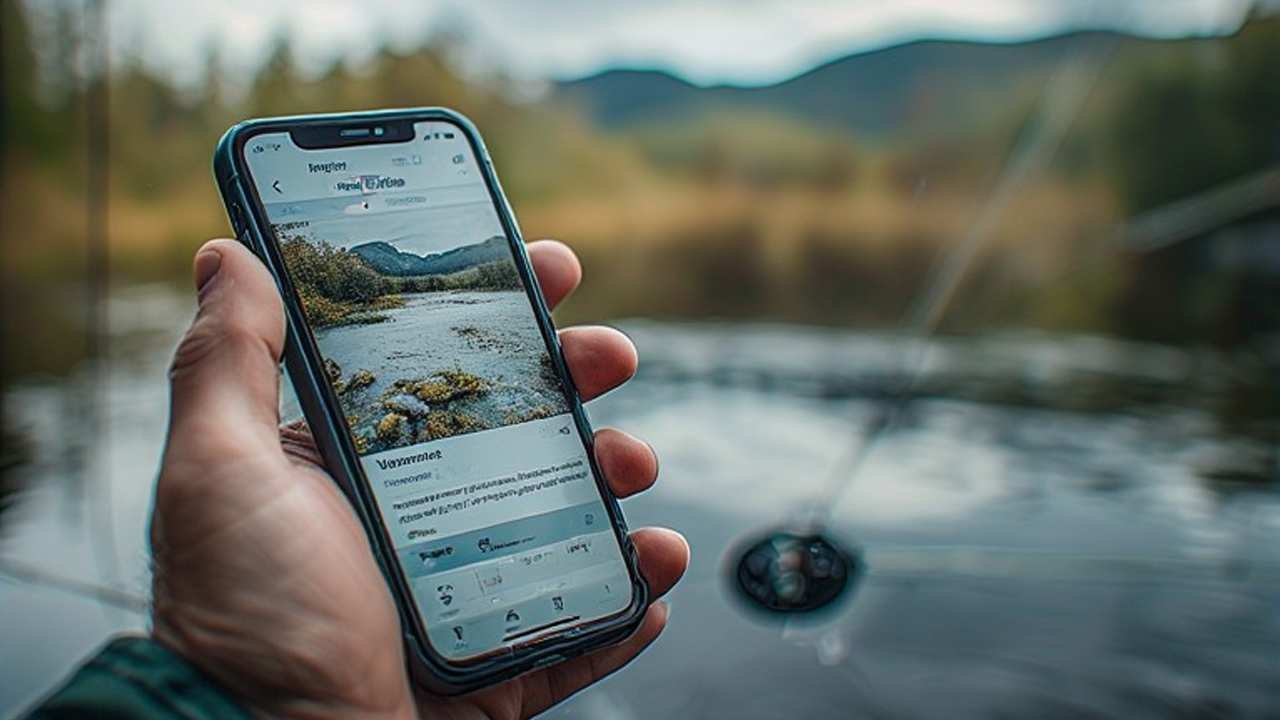
Fishing License in Vermont 2026: Fees, Regulations, and Exemptions
If you want to fish in Vermont in 2026 and you’re 15 or older, you’ll generally need a valid fishing license. The good news: buying one is quick (online or in-person), and you can even keep a digital copy on your phone. Below you’ll find the current fee options, who needs what, how to purchase in minutes, and the practical rules anglers actually get tripped up on—written to help you get legal, stay legal, and get on the water faster.
Quick answers
Vermont fishing license 2026: fast facts table
| What you’re trying to do | The quick answer | What to do next |
|---|---|---|
| Fish as an adult (15+) | You’ll need a license | Pick a short-term or annual option |
| Take kids fishing | Under 15 typically fish free | Bring ID and keep it simple |
| Visit Vermont for a weekend | Short-term licenses are built for this | Choose 1-day/3-day/7-day based on trip length |
| Forgot to print it | Digital copy is allowed for adults | Reprint online or pull it up on your phone |
| Not sure if you qualify as resident | Must generally live in VT 6+ months and not claim another state | Buy the correct category to avoid trouble |
License fees for 2026 (resident vs. nonresident)
I’m listing the common fishing-only options first, because that’s what most anglers are looking for.
Vermont fishing license cost overview
| License option (plain English) | Best for | VT resident fee | Out-of-state fee |
|---|---|---|---|
| Annual fishing | Anyone fishing multiple times in 2026 | $28 | $54 |
| Youth annual (15–17) | Teens who fish even a few times | $8 | $15 |
| 3-day short-term | Long weekend trips | $11 | $23 |
| 1-day short-term | Day trip (nonresident option) | — | $21 |
| 7-day short-term | Full-week vacation (nonresident option) | — | $31 |
Notes that matter:
- Short-term licenses run on consecutive days (not “pick any 3 days”).
- Some short-term options are nonresident-only (so don’t waste time looking for a resident 1-day).
- If you’re going to fish more than a handful of times, annual is usually the simplest.
(Fees and age guidance shown by Vermont’s Fish & Wildlife “Fish VT” page.)
Which license should you buy?
Decision checklist
- Are you 15 or older?
- If no → you likely don’t need a standard fishing license.
- If yes → keep going.
- Are you a Vermont resident or visiting?
- Resident → annual or 3-day are the usual picks.
- Visitor → 1-day / 3-day / 7-day / annual depending on trip length.
- How many days will you actually fish?
- 1 day → 1-day (if eligible) or annual if you’ll be back soon
- 2–4 days in a row → 3-day is often the sweet spot
- 5–7 days → 7-day (visitor) or annual
- Many trips/year → annual (least hassle)
Quick recommendation table
| Your situation | Best pick (most of the time) | Why |
|---|---|---|
| “I’m visiting for one day.” | Nonresident 1-day | Cheapest for a single outing |
| “I’m in VT Fri–Sun and will fish each day.” | 3-day | Built exactly for this |
| “I’m staying a week and might fish 4–6 days.” | Nonresident 7-day | More flexible than stacking short licenses |
| “I live here and fish randomly all season.” | Resident annual | No math, no calendar counting |
| “My 16-year-old is obsessed with fishing.” | Youth annual | Best value if they go often |
Who needs a license in Vermont
Age and eligibility rules
| Person | Do they need a fishing license? | What to remember |
|---|---|---|
| Under 15 | Typically no | Still follow seasons, limits, and access rules |
| Age 15–17 | Yes (youth license option) | Minors may need a signed physical copy in some cases |
| Age 18+ | Yes | Digital license is generally acceptable for adults |
Important compliance reminders
- Carry your license while fishing, not “back in the car.”
- If you’re using a digital copy, make sure your phone battery won’t die halfway through the day.
- If you’re fishing with friends, each licensed person should have their own proof ready to show.
How to buy a Vermont fishing license (2026) — step-by-step
Most anglers just want the fastest method. Here it is.
Option A: Buy online
What you’ll need
- Visit VT Fishing License online
- A payment card (commonly accepted major cards)
- Your basic personal details
- Printer optional (digital proof is allowed for adults)
Steps
- Choose the correct license type (annual vs. short-term)
- Enter your information carefully (name, DOB, residency category)
- Pay and save your confirmation
- Download/print or store a digital copy on your device
Option B: Buy in person (good for last-minute trips)
You can typically buy from:
- Authorized license agents (often sporting goods stores / town clerks)
- Department offices
Best times to buy in person
- When you need help picking the right license
- When you want a printed copy on durable paper
- When you don’t have reliable internet where you’re staying
Option C: Reprint if you lost it (common problem, easy fix)
If your license is lost/damaged:
- You can reprint online at no cost
- A license agent or office can also reprint, and they may charge a small admin fee (up to $1.50 is noted)
Residency rules that affect what you pay
This is where people accidentally buy the wrong thing.
Vermont residency: what typically qualifies
| Question | If your answer is “yes” | What it means |
|---|---|---|
| Have you lived in Vermont at least 6 months? | You may qualify as resident | You can purchase resident-priced licenses |
| Are you claiming residency in another state for any purpose? | Then you likely don’t qualify | Buy nonresident to stay compliant |
| Do you own property in Vermont but live elsewhere? | Property alone doesn’t qualify | You’re usually still nonresident |
My quick take: if you’re on the fence, don’t “hope it counts.” Buy the category you clearly qualify for. It’s cheaper than fixing a citation later.
Rules that matter most for license buyers
This section is intentionally practical. It’s the stuff people ask at bait shops.
License compliance checklist
- Have proof of license on you (paper or digital for adults)
- Know your license duration dates (short-term is consecutive days)
- Don’t assume “my buddy has one” covers you (it doesn’t)
- Follow the waterbody-specific regulations (limits and seasons can vary by place)
“I’m just catching and releasing—do I still need a license?”
In most cases, yes—because licensing is tied to the act of fishing, not whether you keep fish. When in doubt, treat catch-and-release as fishing (because it is).
“Do I need a course first?”
Vermont’s licensing FAQs note you don’t need to take a course just to buy a fishing license (unlike hunting requirements). Vermont Fish & Wildlife Department
Trip-planning “extras” that make your license more valuable
This is the part most license pages skip, but it helps you actually use what you bought.
Before you go: a tight packing list (organized by “don’t forget” priority)
Must-have
- License proof (digital + screenshot backup is smart)
- Photo ID
- Rod/reel, terminal tackle, bait/lures
- Small tape measure (for legal length checks)
Nice-to-have
- Polarized sunglasses (spot structure and reduce eye strain)
- Forceps or needle-nose pliers
- Small first-aid kit
- Trash bag (leave it better than you found it)
Planning around seasons and openings
If you’re trying to time a trip around peak opportunity, this guide is a solid jumping-off point: Vermont fishing season guide
(Using one internal reference once, as requested—bookmark it and move on.)
Common mistakes (and how to avoid them)
Mistake prevention table
| Mistake | Why it happens | Easy fix |
|---|---|---|
| Buying the wrong residency category | People assume property ownership counts | Follow the 6-month rule and “no other state residency” rule |
| Choosing the wrong short-term window | People think 3-day means any 3 days | Plan consecutive days and align with your trip |
| Not carrying proof | License is on email at home | Save a digital copy + screenshot |
| Letting phone die | Cold weather, long days | Bring a small power bank |
| Assuming rules are identical everywhere | Lakes vs. streams vary | Check the specific water’s rules before fishing |
Cost-saving strategies
These won’t feel like “coupon hacks,” but they do reduce waste.
Ways to spend less without cutting corners
- Choose 3-day when your trip is Fri–Sun and you’ll fish all three days
- If you’re visiting multiple times, compare annual vs. stacking short-term
- For families: keep it simple—kids under 15 can usually fish without buying their own license
- If you lose paperwork, reprint online instead of paying an agent fee (when possible)
“Annual vs. short-term” comparison
| Pattern | What you’d likely buy | Why it tends to win |
|---|---|---|
| 1 trip, 1 day | 1-day (visitor) | Lowest entry cost |
| 1 trip, 3 consecutive days | 3-day | Fits the trip cleanly |
| 2–3 trips/year | Depends | Do the math once; then stop thinking about it |
| Frequent fishing | Annual | Less friction, fewer mistakes |
FAQ
1) Can I show my Vermont fishing license on my phone?
Yes—Vermont’s licensing FAQs indicate adults can carry an electronic version on a phone or tablet. If you’re buying for a minor, read the minor-signature/physical copy guidance carefully so you don’t get surprised at the water.
2) I’m 15. Do I count as “adult” for licensing?
Not for pricing. Ages 15–17 fall under the youth fishing license category, which is priced differently than standard adult annual licenses.
3) Is a 3-day license three separate days or a 72-hour timer?
It’s typically consecutive calendar days, and the dates are inclusive. So pick your start day carefully—especially if you’re arriving late at night.
4) What if I typed something wrong when purchasing?
Don’t ignore it. The licensing FAQs recommend contacting the licensing office when you notice an error, rather than hoping it won’t matter later.
5) Do I need a fishing license just to help my kid?
If you’re actively fishing (casting, setting hooks, etc.), assume you need your own license if you’re 15+. If you’re purely assisting—netting, untangling, baiting hooks—keep it clear who is actually fishing.
6) Are licenses refundable if my trip gets canceled?
Generally no—Vermont’s FAQs state license purchases are non-refundable and non-transferable, so buy closer to your trip if plans are shaky.