
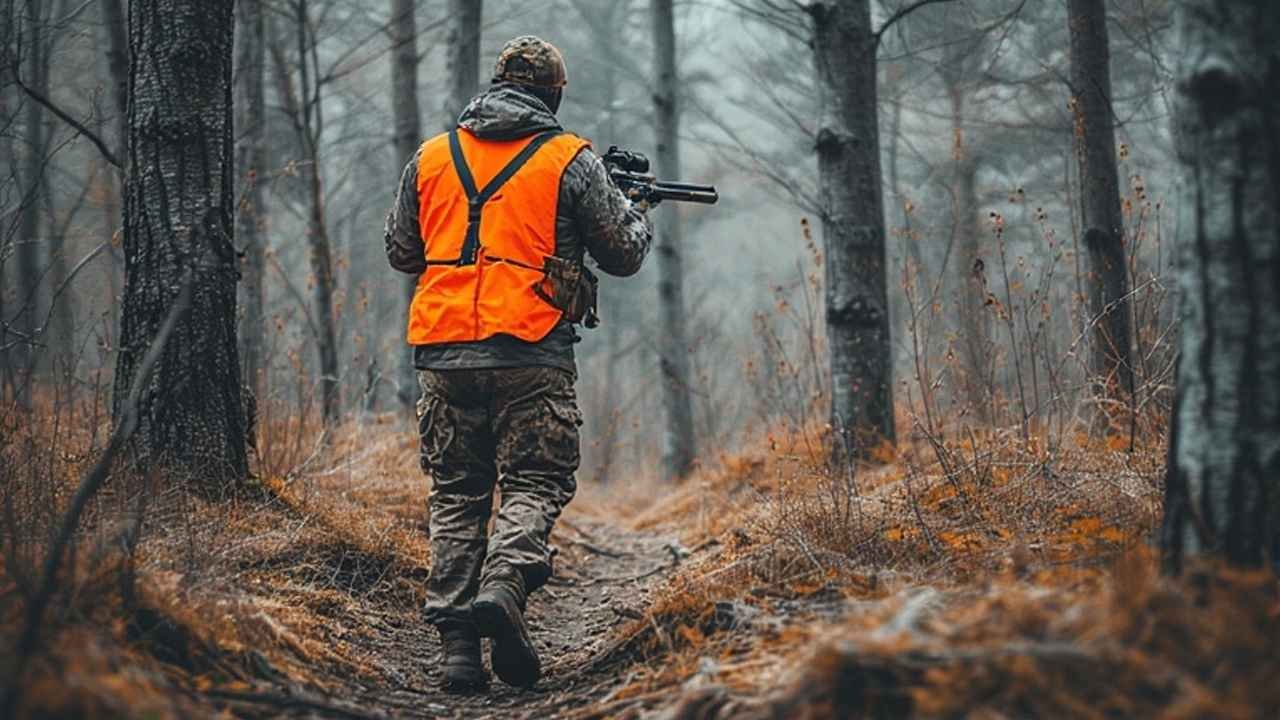
Common Hunting Mistakes That Lead to Accidents or Fines
Although hundreds of people are injured and thousands of tickets are issued annually around the United States due to hunting accidents and regulatory breaches, the majority of these instances are the result of hunters making avoidable mistakes in the field. Every hunter, regardless of experience level, needs to understand common hunting mistakes because they can lead to fatalities, serious injuries, legal repercussions, and hefty fines that can range from hundreds to tens of thousands of dollars depending on the infraction. These errors, which can quickly turn an exciting outdoor experience into a tragic or legally problematic situation, are more common than most people realize. They range from improperly identifying targets and disregarding firearm safety procedures to hunting without the required licenses or trespassing on private property.
The good news is that the chance of accidents and infractions is significantly decreased by awareness and planning. The majority of hunting-related incidents are caused by fundamental safety procedure failures, a lack of understanding of hunting rules, poor decision-making during crucial situations, or straightforward license and land boundary oversights. Hunters may take proactive measures to protect themselves, adhere to wildlife regulations, respect property rights, and support conservation initiatives that preserve hunting customs for future generations by being aware of these typical risks before entering the field. This thorough book looks at the various errors that result in mishaps or penalties and offers workable fixes to help you hunt safely, legally, and ethically.
Critical Safety Violations That Cause Hunting Accidents
Firearm Handling Errors
Improper firearm handling remains the leading cause of hunting accidents nationwide. These mistakes often occur when hunters become complacent or fail to maintain consistent safety practices throughout their hunt.
| Firearm Safety Mistake | Potential Consequence | Prevention Strategy |
|---|---|---|
| Failing to keep muzzle pointed in safe direction | Accidental discharge injuries or fatalities | Always point firearm at ground or skyward, never at people or structures |
| Climbing into tree stands with loaded firearms | Falls combined with accidental discharge | Unload completely before climbing; use haul line for equipment |
| Carrying loaded weapons in vehicles | Illegal in most states; potential for accidental discharge | Remove all ammunition before entering vehicle; store separately |
| Placing finger on trigger before ready to shoot | Premature discharge when startled or tripped | Keep finger outside trigger guard until target confirmed and ready |
| Failing to check barrel for obstructions | Barrel rupture causing serious injury | Inspect barrel before each hunt and after any fall or ground contact |
| Not engaging safety mechanisms when not actively hunting | Accidental discharge during movement | Engage safety immediately after shot opportunity passes |
| Shooting at hard surfaces or water | Ricochets causing unintended injuries | Only shoot when backdrop ensures bullet containment |
Learning essential hunting safety rules before your first trip can prevent most firearm-related accidents.
Target Identification Failures
Misidentifying targets represents one of the most dangerous mistakes hunters make, resulting in tragic accidents that devastate families and communities.
Critical target identification errors include:
- Shooting at movement or sound without visual confirmation – Many accidents occur when hunters fire at rustling bushes or movement glimpsed through vegetation without positively identifying the target
- Mistaking another hunter for game – This happens particularly during low-light conditions at dawn or dusk when visibility is compromised
- Failing to identify what lies beyond the target – Bullets can travel for miles, and hunters must know what’s in the background before squeezing the trigger
- Rushing shots without proper assessment – The excitement of spotting game causes some hunters to shoot quickly without confirming species, sex, or legal status
- Shooting through obstructions – Attempting shots through brush or branches can deflect projectiles in unpredictable directions
- Misidentifying species – Shooting protected species or animals outside of legal season due to inadequate knowledge
- Ignoring the “10 degrees of consideration” – Failing to visually confirm target from multiple angles before shooting
Zone-of-Fire Violations
Understanding and maintaining proper zones of fire becomes critical when hunting with partners or in group settings.
Common zone-of-fire mistakes:
- Swinging firearm across other hunters while tracking moving game
- Failing to establish clear shooting lanes before the hunt begins
- Not communicating position changes to other members of hunting party
- Taking shots that cross paths or roads where others might be located
- Shooting from elevated positions without considering ground hunters below
- Ignoring agreed-upon safe shooting directions established at hunt start
- Positioning hunters in line with each other rather than staggered formation
Regulatory Violations That Result in Substantial Fines
Licensing and Permit Infractions
State wildlife agencies strictly enforce licensing requirements, and violations result in significant penalties that can include both fines and loss of hunting privileges.
| Licensing Violation | Typical Fine Range | Additional Consequences |
|---|---|---|
| Hunting without valid license | $100-$1,000 | Possible equipment confiscation |
| Failing to carry license while hunting | $50-$300 | Court appearance may be required |
| Hunting with expired license | $150-$500 | Hunting privileges suspension possible |
| Not having required species-specific tags | $200-$2,000 per animal | Restitution fees for wildlife value |
| Borrowing or using another person’s license | $500-$5,000 | Criminal charges; permanent license revocation |
| Failing to tag harvested game immediately | $100-$1,000 | Game confiscation |
| Purchasing incorrect license type for intended game | $200-$1,500 | Violation treated as unlicensed hunting |
Understanding legal hunting requirements including licenses, permits, and age rules ensures you remain compliant with state regulations.
Season and Bag Limit Violations
Wildlife management depends on carefully established seasons and harvest limits that protect population sustainability.
Frequent season and bag limit mistakes:
- Hunting outside designated season dates – Starting too early or continuing past closing dates
- Exceeding daily bag limits – Taking more animals than allowed in a single day
- Violating possession limits – Keeping more harvested game than regulations permit
- Hunting during closed hours – Taking game before legal shooting hours begin or after they end
- Harvesting wrong sex of animal – Taking does during buck-only seasons or hens during tom-only periods
- Shooting juvenile animals when prohibited – Harvesting young-of-year when regulations protect them
- Taking game during sanctuary periods – Hunting during special protection periods for breeding or migration
Trespassing and Land Access Violations
Property rights violations represent a significant percentage of hunting citations issued annually, and consequences extend beyond fines.
Land access violations that lead to trouble:
- Hunting on private property without permission – The most common trespassing violation
- Failing to obtain written permission when required – Some states mandate documented permission
- Exceeding the scope of granted permission – Hunting different areas or species than authorized
- Ignoring posted “No Hunting” or “No Trespassing” signs – Visible signage creates legal notification
- Retrieving game from private property without permission – Even following wounded animals requires permission
- Parking vehicles that block gates or roads – Creates access issues for landowners
- Leaving gates open or damaging property – Disrespectful behavior that results in permission revocation
- Hunting too close to occupied structures – Most states prohibit discharge within specific distances of buildings
Equipment and Gear Mistakes That Compromise Safety
Inadequate Blaze Orange Visibility
Visibility to other hunters prevents mistaken identity accidents, yet many hunters fail to wear sufficient high-visibility clothing.
| State Requirement Category | Typical Regulation | Common Violation |
|---|---|---|
| Big game rifle seasons | 400-500 square inches blaze orange | Wearing camouflage jacket over orange vest |
| Upland bird hunting | Blaze orange hat minimum | Failing to wear any visible marking |
| Archery seasons | Orange often not required | Voluntarily wearing orange improves safety |
| Hunters in tree stands | Full body visibility required | Only wearing orange hat |
| Youth hunters | Same or stricter than adult requirements | Parents neglecting youth hunter visibility |
Critical visibility considerations:
- Blaze orange must be visible from all directions, not just front
- Camouflage patterns over orange reduce effectiveness significantly
- Mesh or net orange materials don’t provide adequate visibility
- Orange requirements vary by state and season; check current regulations
- Fluorescent pink is legal alternative in some states but not all
Tree Stand Safety Failures
Tree stand accidents cause more hunting injuries than any other equipment-related incident, with falls resulting in serious trauma or death.
Dangerous tree stand practices:
- Failing to use fall arrest system/safety harness throughout entire time off ground
- Using old or damaged stands with rusted cables, worn straps, or compromised welds
- Installing stands in dead or unstable trees that may fail under load
- Climbing with loaded firearms rather than using haul line
- Not inspecting equipment before each use for wear or damage
- Exceeding weight capacity of stand with hunter and gear combined
- Installing stands at excessive heights beyond safe recovery distance
- Hunting alone without communication device when elevated
- Using climbing method without three points of contact maintained constantly
- Failing to practice with harness before season to understand deployment
For hunters who need basic emergency preparedness skills, reviewing basic wilderness first aid for common injuries provides valuable knowledge.
Inadequate Survival and Emergency Gear
Hunters who venture into remote areas without proper emergency equipment risk serious consequences when unexpected situations arise.
Essential gear frequently forgotten:
- First aid kit with trauma supplies – Not just bandages but tourniquets and hemostatic agents
- Fire starting materials – Waterproof matches, lighters, and tinder in waterproof container
- Emergency shelter materials – Space blanket, emergency bivy, or tarp
- Water purification method – Tablets, filter, or boiling container
- Navigation tools beyond GPS – Compass and physical maps as electronic backup
- Signaling devices – Whistle, mirror, and bright-colored flagging
- Sufficient food and water – More than planned for original timeline
- Extra clothing layers – Protection against unexpected weather changes
- Headlamp with extra batteries – Darkness descends quickly in wilderness
- Communication device – Cell phone, satellite communicator, or two-way radio
Building a comprehensive essential survival kit ensures you’re prepared for emergencies.
Shot Placement and Ethical Hunting Errors
Taking Low-Percentage Shots
Poor shooting decisions result in wounded animals that suffer unnecessarily and may never be recovered, which wastes wildlife resources.
| Shot Type | Why It’s Problematic | Better Alternative |
|---|---|---|
| Extreme distance shots beyond competence | High probability of wounding rather than clean kill | Practice range limitations; only shoot within proven ability |
| Shots at running game without practice | Moving targets dramatically reduce accuracy | Let animal stop or pass on opportunity |
| Shooting through heavy brush or branches | Deflection causes unpredictable bullet path | Wait for clear shooting lane |
| Quartering-toward shots on big game | Small vital zone increases wounding risk | Wait for broadside or quartering-away presentation |
| Head or neck shots on big game | Small target with high miss/wound potential | Aim for heart/lung vitals with larger margin |
| Ground-level shots on hillside game | Risk of bullet traveling long distance | Position for downward angle shot when possible |
| Shots in poor visibility conditions | Cannot adequately assess target and background | Wait for better light or pass on opportunity |
Failing to Track Wounded Game
Ethical hunters make every reasonable effort to recover wounded animals, but many give up too quickly or fail to use proper tracking techniques.
Tracking mistakes that result in lost game:
- Not waiting adequate time after shot – Pushing wounded animals immediately causes them to travel farther
- Failing to mark the exact shot location – Starting point is critical reference for blood trail
- Overlooking blood sign – Not checking both sides of trail or looking at proper height
- Giving up after losing blood trail – Should conduct systematic grid search of likely areas
- Not seeking experienced tracking assistance – Pride prevents asking for help when needed
- Failing to use tracking dogs when available – Many states allow use of leashed dogs for recovery
- Not returning to search during daylight – Darkness makes recovery significantly harder
Understanding wounded game tracking techniques used in Michigan forests can improve recovery success rates.
Environmental and Weather-Related Mistakes
Hunting in Dangerous Weather Conditions
Weather-related accidents and emergencies occur when hunters underestimate environmental hazards or fail to prepare adequately.
Weather mistakes with serious consequences:
- Ignoring lightning risk warnings – Continuing to hunt during thunderstorms, especially from tree stands
- Hunting during extreme cold without proper clothing – Hypothermia and frostbite risks
- Underestimating heat dangers – Heat exhaustion and heat stroke during early archery seasons
- Not recognizing early signs of hypothermia – Confusion, loss of coordination, slurred speech
- Hunting in high winds – Falling tree limbs and unstable tree stands become dangerous
- Ignoring flood warnings – Creek crossings become impassable and life-threatening rapidly
- Continuing hunt during whiteout conditions – Disorientation and becoming lost in blizzards
Getting Lost or Disoriented
Hunters who become lost consume significant search and rescue resources and put themselves at serious risk.
Navigation errors that lead to getting lost:
- Over-relying on electronic GPS without backup – Batteries die and devices fail
- Failing to inform others of hunting location – Nobody knows where to search
- Not establishing reference landmarks – Unable to orient to recognizable features
- Pushing too deep into unfamiliar territory – Distance and terrain complexity increase
- Hunting during conditions that obscure landmarks – Fog, snow, or darkness eliminate visual references
- Lacking basic map and compass skills – Cannot navigate when technology fails
- Ignoring the urge to stop when disoriented – Panicked movement makes situation worse
Developing skills in natural navigation without a compass provides critical backup navigation abilities.
Game Handling and Transportation Violations
Improper Field Dressing and Meat Care
Failing to properly care for harvested game leads to meat spoilage, wasted resources, and potential regulatory violations.
| Meat Care Mistake | Consequence | Proper Procedure |
|---|---|---|
| Delaying field dressing beyond 30-60 minutes | Rapid bacterial growth; meat spoilage | Field dress immediately after confirming death |
| Failing to cool carcass adequately | Sour meat; regulatory violation in some states | Prop cavity open; use game bags; add ice in warm weather |
| Dragging animal through mud/dirt | Contaminated meat | Use clean tarp or game cart |
| Not removing scent glands properly | Tainted meat flavor | Carefully remove without rupturing |
| Transporting uncooled meat in warm weather | Spoilage; wanton waste violation | Use coolers with ice; process quickly |
| Failing to remove hide promptly | Delayed cooling; hair retention | Skin as soon as possible |
| Not protecting from flies and insects | Contamination; disease transmission | Use game bags; keep clean and cool |
Illegal Transportation Practices
States regulate how hunters must transport harvested game, and violations can result in citations and game confiscation.
Transportation violations to avoid:
- Failing to attach required tags before transport – Tags must remain with animal until processed
- Transporting game concealed from view when display required – Some states mandate visible transport
- Crossing state lines without proper permits – Interstate transport often requires special documentation
- Transporting game during closed season – Possession during closed season is illegal even if legally taken
- Removing evidence of sex when required – Regulations often mandate proof of sex remain attached
- Failing to report harvest within required timeframe – Some species require immediate check-in
- Transporting loaded firearms with game – Creates appearance of illegal activity
Technology and Modern Hunting Mistakes
Illegal Use of Electronic Devices
Technological advancement has introduced new regulations that many hunters don’t fully understand.
Electronic device violations:
- Using electronic calls where prohibited – Many states ban electronic game calls during certain seasons
- Operating drones for hunting purposes – Illegal in most states for locating or harassing game
- Hunting over active trail cameras – Some states prohibit hunting near cameras broadcasting images
- Using two-way radios to coordinate drives illegally – Communication to herd game may violate fair chase
- Spot-lighting from vehicles – Using lights to locate game is illegal in most circumstances
- Using apps or devices that violate fair chase principles – Real-time game tracking applications may be prohibited
Social Media Mistakes That Lead to Violations
Digital footprints create evidence trails that conservation officers increasingly use for enforcement.
Social media errors resulting in citations:
- Posting photos with visible violations – Images showing overlimits, closed season harvest, or trespassing
- Geotagging locations on private property – Reveals trespassing or unauthorized access
- Timestamp evidence of illegal timing – Photos proving hunting outside legal hours
- Bragging about circumventing regulations – Admissions used as evidence in prosecutions
- Revealing identity of youth hunters without licenses – Exposes unlicensed hunting violations
- Showing prohibited hunting methods – Evidence of baiting, spotlighting, or other illegal techniques
Physical Fitness and Health-Related Mistakes
Inadequate Physical Preparation
Hunting often involves strenuous physical activity that many hunters aren’t adequately prepared to handle safely.
Fitness-related mistakes:
- Attempting terrain beyond physical capability – Exhaustion leads to poor decision-making
- Ignoring cardiovascular warning signs – Chest pain, extreme shortness of breath, or dizziness
- Hunting despite illness or injury – Compromised judgment and physical ability
- Failing to acclimate to altitude – High-elevation hunts require adjustment period
- Not staying hydrated – Dehydration affects judgment and physical performance
- Skipping meals or adequate nutrition – Hypoglycemia impairs decision-making
- Overexertion in extreme temperatures – Heat exhaustion or hypothermia risk increases
- Carrying excessive pack weight – Increases fall risk and causes premature fatigue
Medication and Substance Issues
Hunting while impaired creates serious safety hazards and violates regulations in every state.
| Substance/Medication | Hunting Risk | Legal Status |
|---|---|---|
| Alcohol | Impaired judgment, coordination, reaction time | Illegal in all states while hunting |
| Marijuana | Altered perception, slowed reactions | Illegal federally and in all states while hunting |
| Prescription pain medications | Drowsiness, impaired judgment | Legal if prescribed but dangerous |
| Cold/allergy medications causing drowsiness | Reduced alertness and reaction time | Legal but inadvisable |
| Prescription stimulants | Altered judgment, risk-taking behavior | Questionable safety even if prescribed |
Landowner Relations and Ethical Mistakes
Disrespectful Behavior Toward Landowners
Maintaining positive relationships with landowners ensures continued hunting access and reflects well on all hunters.
Behaviors that damage landowner relationships:
- Arriving without notification or at inappropriate times – Showing up unannounced early morning or late evening
- Bringing unauthorized guests – Permission typically applies to named individuals only
- Hunting during restricted activities – Disregarding landowner requests to avoid certain dates
- Damaging fences, gates, or infrastructure – Careless behavior that creates repair obligations
- Leaving trash or spent casings – Showing disrespect for property cleanliness
- Driving vehicles in restricted areas – Creating ruts or damaging fields and pastures
- Failing to share harvest when customary – Not offering meat when local custom suggests it
- Not expressing gratitude – Forgetting to thank landowners for access privilege
Violating Hunting Ethics and Fair Chase
Legal hunting doesn’t always equal ethical hunting, and violations of fair chase principles damage hunting’s reputation.
Ethical violations that reflect poorly on hunting:
- Shooting confined or penned game – Animals unable to escape through natural behavior
- Taking advantage of helpless animals – Shooting swimming deer or animals trapped by flooding
- Using methods that give extreme advantage – Technology that eliminates challenge
- Shooting from vehicles or aircraft – Illegal in most circumstances and widely considered unethical
- Baiting beyond legal limits – Excessive baiting that removes fair chase element
- Harvest for trophy only – Wasting meat contradicts conservation principles
- Shooting animals for target practice – Using live animals for non-harvest shooting
Youth Hunter Supervision Mistakes
Inadequate Mentorship and Supervision
Adults introducing youth to hunting carry significant responsibility for safety and legal compliance.
Mentorship failures that endanger youth:
- Allowing youth to handle firearms unsupervised – Constant direct supervision is required
- Placing excessive pressure to harvest – Creates rushed shots and poor decision-making
- Failing to verify youth hunter license requirements – Age-specific regulations vary by state
- Not teaching shot refusal – Youth must learn when NOT to shoot is appropriate
- Inadequate firearm safety instruction – Rushing into field before fundamentals are mastered
- Exposing youth to extreme conditions – Physical limitations of young hunters must be respected
- Setting poor example through own violations – Youth model adult behavior they observe
- Failure to make experience positive regardless of harvest – Creating negative associations with hunting
Record-Keeping and Reporting Failures
Mandatory Reporting Violations
Many states require hunters to report harvests, even when unsuccessful, and failing to comply results in penalties.
Reporting mistakes with consequences:
- Missing mandatory harvest reporting deadlines – Often required within 24-48 hours
- Failing to report even when unsuccessful – Some states require negative reports
- Providing inaccurate harvest information – Wrong location, species, or sex data
- Not retaining confirmation numbers – Proof of reporting may be required during checks
- Failing to register game at check stations – Physical inspection required in some areas
- Not reporting lost or unused tags – Accounting for all issued tags may be mandatory
Documentation and Evidence Preservation
Maintaining proper documentation protects hunters from false accusations and proves compliance.
Documentation hunters should maintain:
- Permission letters or contact information from landowners
- Copies of licenses, tags, and permits (photos on phone work well)
- Harvest information including time, location, and circumstances
- Photos showing compliance with regulations (properly tagged game, legal shooting hours)
- Communication records regarding permission and access arrangements
- Receipt of check-in or registration if required
- GPS waypoints of harvest location when hunting multiple properties
Frequently Asked Questions
What should I do immediately after a hunting accident occurs?
First, make sure everyone is safe on the scene and help those who are hurt right away. Make an immediate call to 911 or emergency services. Unless there is an imminent threat, do not transfer someone who is gravely injured. In order to stop bleeding and keep sufferers warm and composed until assistance comes, apply direct pressure. Keep the accident scene intact without tampering with the evidence. State wildlife enforcement usually responds to hunting accidents, so get in touch with them. While things are still fresh in your mind, record them; nevertheless, do not speculate about the reasons. Accidents may have an impact on future hunting licenses, therefore notify your hunting license provider.
How can I verify I’m hunting on legal property?
Before hunting, always get landowners’ express consent, ideally in writing with dated evidence. Utilize programs that overlay property boundaries on GPS maps, such as OnX Hunt or comparable services. To identify private property, look for fencing, painted boundary marks, or posted notice. If consent is given orally, document the exchange or confirm by email or text message. Keep the landowner’s contact details on hand in case you have any issues. Never presume that approval goes beyond regions or dates that have been explicitly addressed. Steer clear of dubious regions if you are unsure about property borders.
What are my responsibilities after shooting an animal?
Before transferring or field dressing, gently approach the animal to confirm its dead and apply the necessary tags. For particular needs, check your rules. The majority of states mandate rapid tagging. To maintain the quality of the meat, start field dressing right away. For reporting reasons, mark the location using GPS coordinates. In accordance with local laws, remove and dispose of the gut pile (some places forbid leaving remnants). Transport the game in accordance with state regulations pertaining to sexual evidence and visibility. Report harvest within the allotted period, usually 24 to 48 hours. Keep all supporting paperwork and confirmation numbers. Use meat and share the experience in a way that shows respect for the animal.
Can I retrieve wounded game from private property without permission?
States have different laws, but generally speaking, you need permission to access private property, even to recover injured game. Certain states have “right of retrieval” legislation that permit recovery upon landowner notification, subject to certain restrictions. The best course of action is to get in touch with the landowner right once, be honest about the circumstances, and ask for permission to search. When politely addressed, the majority of landowners provide permission. Local wildlife authorities may be able to help or mediate if you are unable to get in touch with the landowner. Retrieving game via trespassing is never a good idea since it can lead to legal issues and harm relationships between landowners. Keep a record of your attempts to get approval.
How do range and shooting practice relate to hunting safety?
Accuracy and wounding are significantly increased with regular practice shooting from realistic hunting situations. Under field conditions, find your effective range with your particular equipment; this is usually substantially less than bench-rest range performance. Sitting, kneeling, or standing with shooting sticks are the positions you’ll really utilize to practice. To learn about bullet drop and your confidence limitations, shoot at different distances. If you plan to attempt such shots, practice acquiring targets quickly for moving games. Use the same ammo you want to use for hunting to test your gear. Before every season, make sure your scope is still zeroed. Taking shots that are beyond your skill level is prevented by an honest evaluation of your shooting abilities.
What should I do if approached by a game warden while hunting?
Keep your cool and be courteous; game wardens are law enforcement officials carrying out their duties. Keep your hands away from firearms and visible. If you are armed, let the police know and do what they say. Provide the license, tags, and identification that have been required. Respond to inquiries honestly, succinctly, and without providing extraneous details. Although you have legal rights, collaboration typically yields better results. The officer will provide an explanation if infractions are found. You may disagree politely without getting into a fight on the spot. Afterward, record the specifics of the experience. You will have the chance to challenge through the appropriate legal processes if you are cited. The majority of interactions are standard inspections of lawful hunters.
How can hunting with experienced mentors reduce mistakes?
Hunters with experience offer practical information that cannot be adequately taught in books or seminars. In real-world hunting scenarios, they exhibit sound judgment by demonstrating when to fire and when to pass. Mentors assist in accurately identifying games and highlighting chances that are legal vs illicit. They serve as role models for safe gun handling and appropriate firing stances. Hunters with experience are aware of local laws and typical traps unique to your hunting region. They can assist you avoid making the same mistakes that they have probably made. Patience and moral principles above and beyond the letter of the law are taught by good mentors. They show how to handle meat and game properly. The mentorship connection fosters principles that make hunters accountable and speeds up learning.
What technology tools help prevent hunting violations?
Current hunting regulations tailored to your area and license type are available through digital regulatory applications. Apps that display property lines and public land borders with GPS accuracy include OnX Hunt, HuntStand, and BaseMap. You can save records on your smartphone with cloud backups when you use electronic licensing. Apps for ballistic calculators assist you in figuring out your equipment’s ethical shooting ranges. Important safety information regarding impending hazardous situations is provided by weather apps. Getting lost may be avoided using GPS gadgets or smartphone applications that provide offline maps. Scouting activities may be recorded with the use of trail camera applications that provide timestamps. However, since some technological aids are forbidden in your jurisdiction, make sure that any equipment you employ conforms with fair chase laws.
How do I handle a situation where I accidentally violate a regulation?
If you realize you’ve committed a violation, the best course is typically to self-report to wildlife authorities before getting caught. Self-reporting often results in reduced penalties and demonstrates character. Document exactly what occurred and circumstances involved. If the violation involves an animal, preserve all evidence and don’t compound the problem by further violations like improper disposal. Consult an attorney before making formal statements if penalties are severe. Cooperate fully with any investigation while protecting your legal rights. Accept responsibility rather than making excuses. Learn from the mistake to prevent recurrence. Violations affect future licensing, so take them seriously and fulfill all penalties completely.
What survival priorities should I follow if stranded during a hunt?
Keep in mind the survival rule of threes: three days without water, three weeks without food, three minutes without air, and three hours without shelter in hostile environments. First, stop moving and take a calm look at your position; fear just makes things worse. To avoid hypothermia, find cover from the wind and rain. Use a whistle, mirror, or bright materials to signal for assistance. Make yourself known to searchers. Instead than mindlessly walking, save energy. Water should be rationed and sources of purification should be found. Light a fire for psychological comfort, signaling, and warmth. If you have disclosed your whereabouts to others, stay still since searches will target designated regions. Make use of the first aid kits, fire starter, and emergency blanket that are included in your bag. You may prevent being lost in the first place by following the outdoor safety advice offered here.
Conclusion
It takes continual attention to detail, careful planning, and a steadfast dedication to safety and legal compliance to prevent hunting mishaps and infractions. Awareness and appropriate training significantly lower the risks associated with the errors described in this guide, which result in hundreds of avoidable events annually. Each hunter must take personal responsibility for understanding rules, keeping gear in good condition, using firearms safely, honoring property rights, and making moral choices while hunting.
Our combined reputation and safety record determine the privileges we have as hunters. Every infraction or mishap gives anti-hunting activists more ammo and jeopardizes future generations’ access. You may prevent yourself from becoming a statistic by taking note of typical mistakes made by others. Spend time learning, practice key skills frequently, keep up with rules, and never allow complacency to cloud your judgment. When in question about anything, whether it’s safety, legality, or ethics, choose the cautious route. It is always better to pass up a dubious chance than to instigate a risky or unlawful circumstance.
Keep in mind that hunting is a pleasure as well as a duty. This tradition is preserved for present and future generations by those who hunt in a safe, legal, and moral manner. Make every hunt a testament to your dedication to animal protection, property rights, and everyone’s safety in the great outdoors.