
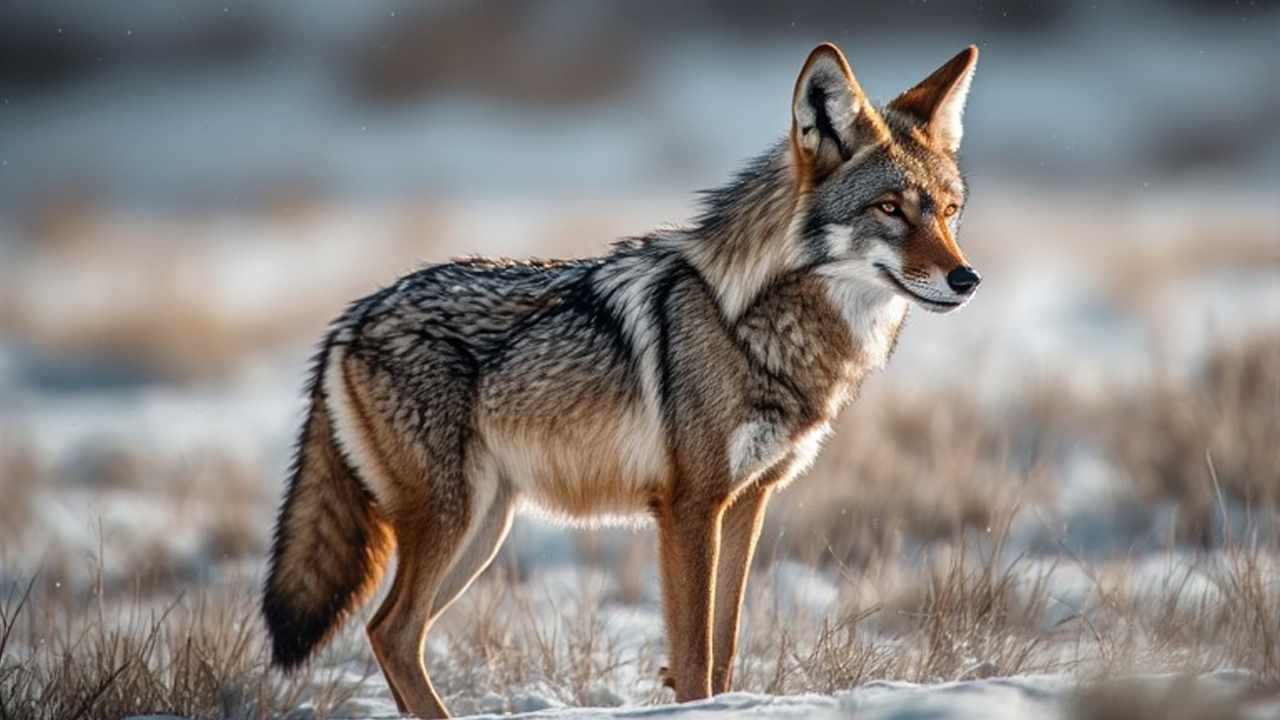
Is Coyote Hunting Open Year-Round? State-by-State Legal Overview
States in the US have very different laws regarding coyote hunting; some allow hunting all year round, while others have severe seasonal limits. Knowing the laws, license requirements, and technique limitations that vary by state is necessary to determine whether hunting coyotes is permitted in your state. The majority of states categorize coyotes as either furbearers or predators, which has an immediate effect on hunting seasons, bag restrictions, and acceptable hunting techniques.
The majority of states allow coyote hunting throughout the whole year without seasonal restrictions, identifying these canids as agricultural pests and predators that can harm livestock and wildlife populations. Nonetheless, a few of jurisdictions impose seasonal limitations, especially during the spring denning seasons or to coincide with the seasons of other game animals. Additional regulations that hunters must deal with include having a valid hunting license, obtaining permits specific to predators in some areas, and adhering to technique limits such electronic call limitations or forbidden night hunting equipment. This thorough reference explains the legality of coyote hunting in each of the 50 states, giving hunters the legal and moral foundation they need to hunt coyotes.
Understanding Coyote Classification and Hunting Regulations
Before exploring state-specific regulations, it’s essential to understand how wildlife agencies classify coyotes and why this classification matters for hunting purposes.
Predator vs. Furbearer Classification
States typically classify coyotes under one of three categories:
Predator Species: Most common classification where coyotes receive minimal protection due to their impact on livestock, game animals, and occasionally pets. States using this classification generally allow year-round hunting with few restrictions.
Furbearer Species: Some states classify coyotes as furbearers, which subjects them to trapping seasons and sometimes hunting season restrictions, particularly during prime fur months.
Unprotected Wildlife: A handful of states consider coyotes unprotected, meaning they can be taken at any time by any legal method without specific hunting seasons.
License and Permit Requirements
Nearly all states require hunters to possess a valid hunting license before pursuing coyotes, even in states with year-round seasons. Some jurisdictions require additional permits or stamps:
- Base Hunting License: Required in 48 states (Alaska and Hawaii have unique situations)
- Predator Permits: Required in select states like Massachusetts
- Fur Harvester License: Necessary in some states when hunting during designated fur seasons
- Landowner Exemptions: Many states exempt landowners from licensing when hunting on their own property
Complete State-by-State Coyote Hunting Regulations
The following comprehensive table provides an at-a-glance reference for coyote hunting seasons across all 50 states:
| State | Year-Round Hunting | Seasonal Restrictions | License Required | Night Hunting Allowed | Bag Limit |
|---|---|---|---|---|---|
| Alabama | Yes | None | Yes | Yes (with permit) | Unlimited |
| Alaska | Yes | None | Yes | Varies by region | Unlimited |
| Arizona | Yes | None | Yes | Yes (with restrictions) | Unlimited |
| Arkansas | Yes | None | Yes | Yes | Unlimited |
| California | Yes | None | Yes | Yes (restrictions apply) | Unlimited |
| Colorado | Yes | None | Yes | No | Unlimited |
| Connecticut | Yes | None | Yes | Limited | Unlimited |
| Delaware | Yes | None | Yes | No | Unlimited |
| Florida | Yes | None | Yes | Yes | Unlimited |
| Georgia | Yes | None | Yes | Yes | Unlimited |
| Hawaii | N/A | No coyotes present | N/A | N/A | N/A |
| Idaho | Yes | None | Yes | Yes | Unlimited |
| Illinois | Yes | None | Yes | Limited | Unlimited |
| Indiana | Yes | None | Yes | Limited | Unlimited |
| Iowa | Yes | None | Yes | Limited | Unlimited |
| Kansas | Yes | None | Yes | Yes | Unlimited |
| Kentucky | Yes | None | Yes | Yes | Unlimited |
| Louisiana | Yes | None | Yes | Yes | Unlimited |
| Maine | Yes | None | Yes | Limited | Unlimited |
| Maryland | Yes | None | Yes | Limited | Unlimited |
| Massachusetts | No | Sept 15 – Mar 8 | Yes (special permit) | No | Unlimited |
| Michigan | Yes | None | Yes | Limited | Unlimited |
| Minnesota | Yes | None | Yes | Limited | Unlimited |
| Mississippi | Yes | None | Yes | Yes | Unlimited |
| Missouri | Yes | None | Yes | Yes | Unlimited |
| Montana | Yes | None | Yes | Yes | Unlimited |
| Nebraska | Yes | None | Yes | Yes | Unlimited |
| Nevada | Yes | None | Yes | Yes (with permit) | Unlimited |
| New Hampshire | Yes | None | Yes | Limited | Unlimited |
| New Jersey | Yes | None | Yes | No | Unlimited |
| New Mexico | Yes | None | Yes | Yes | Unlimited |
| New York | Yes | None | Yes | Limited | Unlimited |
| North Carolina | Yes | None | Yes | Yes (restrictions) | Unlimited |
| North Dakota | Yes | None | Yes | Limited | Unlimited |
| Ohio | Yes | None | Yes | Limited | Unlimited |
| Oklahoma | Yes | None | Yes | Yes | Unlimited |
| Oregon | Yes | None | Yes | Yes (with restrictions) | Unlimited |
| Pennsylvania | Yes | None | Yes | Limited | Unlimited |
| Rhode Island | Yes | None | Yes | No | Unlimited |
| South Carolina | Yes | None | Yes | Yes | Unlimited |
| South Dakota | Yes | None | Yes | Yes | Unlimited |
| Tennessee | Yes | None | Yes | Yes | Unlimited |
| Texas | Yes | None | Yes | Yes | Unlimited |
| Utah | Yes | None | Yes | Yes (with permit) | Unlimited |
| Vermont | Yes | None | Yes | Limited | Unlimited |
| Virginia | Yes | None | Yes | Yes (restrictions) | Unlimited |
| Washington | Yes | None | Yes | Yes (with restrictions) | Unlimited |
| West Virginia | Yes | None | Yes | Yes | Unlimited |
| Wisconsin | Yes | None | Yes | Limited | Unlimited |
| Wyoming | Yes | None | Yes | Yes | Unlimited |
Regional Breakdown of Coyote Hunting Laws
Northeastern States
The Northeast generally permits coyote hunting year-round with Massachusetts being the notable exception. Understanding essential hunting safety rules becomes particularly important in these densely populated states where hunting occurs near residential areas.
Massachusetts: The only northeastern state with seasonal restrictions, running from September 15 through March 8. Hunters need a special permit in addition to their base hunting license.
New York: Year-round hunting permitted with no bag limits. Night hunting allowed during specific hours with artificial lights, but only from September 1 through April 30.
Pennsylvania: Unrestricted year-round coyote hunting. Night hunting permitted during certain seasons with proper permits. The state’s approach to Pennsylvania regulations demonstrates their comprehensive wildlife management strategies.
Maine, Vermont, New Hampshire: All three northern New England states allow year-round pursuit with similar nighttime hunting restrictions primarily limiting artificial light use.
Southeastern States
Southern states typically maintain the most lenient coyote hunting regulations due to higher population densities and agricultural conflicts.
Texas: Perhaps the most hunter-friendly state for coyote hunting, with no closed season, no bag limits, and liberal night hunting allowances using thermal and night vision equipment. Private landowners can hunt without licenses on their own property.
Alabama, Georgia, Florida: All three permit unrestricted year-round hunting with generous night hunting provisions. These states recognize coyotes as significant predators of ground-nesting birds and small game.
North Carolina, South Carolina: Year-round seasons with no limits. Both states allow night hunting with some restrictions on methods and equipment.
Louisiana, Mississippi, Arkansas: Complete year-round access with minimal restrictions, reflecting the agricultural importance of predator control in these farming-intensive states.
Midwestern States
Midwestern states balance agricultural interests with wildlife management, generally providing year-round coyote hunting opportunities.
Kansas, Oklahoma: Both states classify coyotes as predators with no closed seasons. Night hunting permitted year-round, making these popular destinations for serious predator hunters.
Missouri: Year-round hunting with no limits. The state permits night hunting and has seen increased participation in coyote hunting as populations have grown.
Illinois, Indiana, Ohio: All three allow year-round hunting but implement stricter night hunting regulations, typically requiring additional permits and limiting hours.
Michigan, Wisconsin: Year-round access with bag limit restrictions lifted. Both states have robust coyote populations that support heavy harvest pressure. Hunters interested in tracking wounded game might benefit from understanding Michigan’s tracking approaches.
Minnesota, Iowa: Unrestricted year-round seasons with night hunting limitations designed to prevent conflicts with other nocturnal hunting activities.
Western States
Western states with large public land holdings and extensive livestock operations typically maintain liberal coyote hunting regulations.
Montana, Wyoming, Idaho: The Northern Rockies states all permit year-round hunting without bag limits. These states view coyote management as essential for protecting livestock operations and wildlife populations.
Arizona, New Mexico: Both allow unrestricted year-round hunting with liberal night hunting allowances using thermal and night vision optics. Arizona’s hunting terrain presents unique challenges for predator hunters.
Colorado: Year-round hunting permitted but night hunting prohibited, reflecting the state’s approach to wildlife management and public safety concerns.
Nevada, Utah: Both states maintain year-round seasons with night hunting permits available. Large tracts of public land provide excellent opportunities.
California, Oregon, Washington: Pacific states all allow year-round hunting but implement stricter night hunting restrictions and method limitations compared to interior western states.
Alaska
Alaska: Unique regulations that vary by Game Management Unit. Generally, coyotes can be hunted year-round without bag limits, though their populations are limited compared to the Lower 48. Hunters pursuing multiple species should consider comprehensive gear like that detailed in the Alaska moose hunting checklist.
Night Hunting Regulations by State
Night hunting represents a significant component of successful coyote hunting, but regulations vary substantially:
States Permitting Unrestricted Night Hunting
- Texas
- Louisiana
- Alabama
- Georgia
- Mississippi
- Arkansas
- Kansas
- Oklahoma
- Missouri
- Tennessee
States with Limited Night Hunting
Equipment Restrictions: Many states prohibit certain artificial light sources, particularly spotlights mounted on vehicles, but allow night vision and thermal optics.
Seasonal Restrictions: Some jurisdictions only permit night hunting during specific months, typically outside of big game seasons to prevent confusion and safety issues.
Permit Requirements: States like Nevada, Utah, and Arizona require special permits for night hunting activities.
States Prohibiting Night Hunting
Several states completely prohibit night hunting for coyotes:
- Colorado
- Rhode Island
- New Jersey
- Delaware
License and Permit Requirements Breakdown
Standard License Requirements
Most states require only a base hunting license for coyote hunting:
Resident License Costs: Range from approximately $15-$50 annually depending on state
Non-Resident License Costs: Typically range from $50-$300 annually
Youth and Senior Exemptions: Many states offer reduced rates or exemptions for hunters under 16 or over 65
Additional Permits and Stamps
Predator Calling Permits: Required in a handful of states for using electronic calling devices
Night Hunting Permits: Separate permits needed in states like Nevada, Utah, and Alabama for after-dark hunting
Fur Harvester License: Some states require this additional license if hunting during designated fur seasons
Understanding legal hunting requirements helps ensure full compliance with all jurisdictional regulations.
Landowner Exemptions
Many states exempt property owners from licensing requirements when hunting on their own land:
- Texas, Oklahoma, and Kansas exempt landowners from license requirements
- Most states still require landowners to follow bag limits and method restrictions
- Some states require landowners to obtain free landowner permits
Method Restrictions Across States
Firearms and Ammunition
Nearly all states permit any legal firearm for coyote hunting, including:
- Centerfire rifles (most common)
- Rimfire rifles (.22 WMR, .17 HMR popular choices)
- Shotguns with appropriate loads
- Handguns of sufficient caliber
- Muzzleloaders
Some states prohibit fully automatic weapons or restrict magazine capacities.
Archery Equipment
All states permit archery equipment for coyote hunting:
- Compound bows
- Recurve bows
- Crossbows (restrictions vary)
- Minimum draw weight requirements in some states
Electronic Calling Devices
Most states now permit electronic calls for coyote hunting:
Permitted Without Restriction: 45+ states allow electronic callers year-round
Seasonal Restrictions: A few states prohibit electronic calls during certain big game seasons
Complete Prohibition: Very rare, with only one or two states maintaining bans
Trapping
States that classify coyotes as furbearers typically maintain specific trapping seasons:
- Generally runs from late fall through early spring
- Requires separate fur harvester or trapping license
- Subject to specific trap type regulations and setback requirements
Bag Limits and Reporting Requirements
Unlimited Harvest States
The vast majority of states impose no bag limits on coyotes, recognizing them as prolific breeders whose populations can withstand significant harvest pressure.
Biological Justification: Coyotes demonstrate compensatory reproduction, meaning populations rebound quickly even under heavy harvest. Studies indicate that coyote populations can sustain annual harvest rates exceeding 70% without long-term population decline.
Reporting Requirements
Most states do not require harvest reporting for coyotes, though exceptions exist:
Mandatory Reporting States: A small number of jurisdictions require harvest reporting through online portals or phone systems
Fur Season Reporting: States with designated fur seasons may require reporting if selling pelts
Bounty Programs: Some counties and private organizations operate bounty programs requiring proof of harvest
Special Management Areas and Restrictions
National Parks and Monuments
Federal lands under National Park Service jurisdiction typically prohibit all hunting, including coyotes, with rare exceptions for specific management situations.
Wildlife Management Areas
State-owned Wildlife Management Areas (WMAs) generally permit coyote hunting but may implement additional restrictions:
- Designated hunting zones
- Seasonal closures during nesting seasons
- Method restrictions beyond state regulations
- Special permit requirements
Urban and Suburban Restrictions
Many municipalities implement discharge ordinances that effectively prohibit hunting within city limits, even if state law permits coyote hunting year-round. Hunters must verify local ordinances before hunting near populated areas.
Native American Reservations
Tribal lands maintain sovereign jurisdiction over wildlife management. Hunters must obtain tribal permits and follow tribal regulations, which may differ significantly from state rules.
Why States Allow Year-Round Coyote Hunting
Agricultural Protection
Livestock predation represents the primary justification for liberal coyote hunting regulations:
Economic Impact: USDA reports indicate coyotes cause millions in annual livestock losses, particularly affecting sheep and goat operations
Calf and Fawn Predation: Cattle ranchers report coyote predation on newborn calves, while farmers experience losses of chickens and other small livestock
Wildlife Management
State wildlife agencies recognize coyotes as significant predators of game species:
Ground-Nesting Birds: Coyotes consume eggs and young of turkeys, pheasants, and waterfowl
Fawn Recruitment: White-tailed deer and mule deer fawn survival rates increase in areas with reduced coyote densities
Small Game Populations: Rabbit, squirrel, and quail populations face predation pressure from coyotes
Disease Management
Coyotes can harbor and transmit diseases affecting humans, pets, and livestock:
- Rabies vector species in some regions
- Mange outbreaks that can spread to other wildlife
- Parasites including heartworm and various intestinal parasites
Conservation Concerns and Ethical Considerations
Despite liberal hunting regulations, coyote populations remain stable or increasing across most of their range. However, responsible hunters should consider several factors:
Population Dynamics
Research from institutions like Utah State University demonstrates that coyotes exhibit remarkable adaptability and reproductive resilience. Indiscriminate harvest can actually increase reproduction rates as remaining coyotes experience less competition.
Non-Target Species
Hunters must positively identify targets, as coyotes can be confused with:
- Wolves in northern states (protected species)
- Red wolves in the Southeast (endangered)
- Fox species
- Domestic dogs, particularly in rural areas
Ethical Harvest
Professional hunting organizations promote ethical practices:
- Taking only shots within effective range
- Using appropriate calibers for quick, humane kills
- Recovering all harvested animals
- Respecting property boundaries and obtaining landowner permission
Consulting resources on predator hunting laws provides additional context for ethical considerations.
Accessing Hunting Opportunities
Public Land Access
Most western states offer extensive public land opportunities:
Bureau of Land Management (BLM): Manages millions of acres open to hunting across western states
National Forest Service: Forest Service lands generally permit hunting under state regulations
State Wildlife Management Areas: Specifically managed for hunting opportunities
Walk-In Programs: Several states operate programs enrolling private land for public access
Private Land Access
Gaining permission for private land hunting significantly expands opportunities:
Direct Contact: Approaching landowners directly, particularly in agricultural areas experiencing predation issues
Lease Programs: Some states facilitate land lease programs connecting hunters with landowners
Hunting Clubs: Joining clubs that maintain hunting leases
Depredation Assistance: Offering to help landowners experiencing livestock losses
Equipment Recommendations for Year-Round Coyote Hunting
Firearms Selection
Rifles: Popular calibers include .223 Remington, .22-250, .243 Winchester, and 6.5 Creedmoor, offering flat trajectories and sufficient energy
Optics: Quality optics are essential, with variable power scopes (3-9x or 4-12x) being most versatile
Night Vision/Thermal: Where legal, thermal optics revolutionize night hunting effectiveness
Calling Equipment
Electronic Callers: Programmable units offering dozens of sounds increase versatility
Hand Calls: Traditional calls remain effective and never require batteries
Decoys: Motion decoys significantly improve success rates
Clothing and Concealment
Camouflage Patterns: Match vegetation and terrain in hunting areas
Face Masks and Gloves: Coyotes key on movement and exposed skin
Scent Control: While less critical than for deer hunting, scent management improves close-range success
For extended hunting trips requiring overnight stays, reviewing outdoor camping tips ensures comfort in the field.
Seasonal Considerations for Year-Round Hunting
Winter Hunting (December-February)
Advantages: Prime fur quality, snow tracking opportunities, increased activity around food sources
Challenges: Extreme weather, difficult access to remote areas, shorter daylight hours
Spring Hunting (March-May)
Advantages: Denning behaviors make locating coyotes easier, pup distress calls highly effective
Challenges: Some states restrict spring hunting during denning season, lower fur quality
Summer Hunting (June-August)
Advantages: Extended daylight hours, predictable patterns around water sources, less hunting pressure
Challenges: Poor fur quality, hot conditions, increased vegetation limiting visibility
Fall Hunting (September-November)
Advantages: Dispersing juveniles respond well to calls, moderate temperatures, excellent fur quality begins
Challenges: Overlap with big game seasons may restrict access or methods
Common Legal Pitfalls to Avoid
Trespassing Violations
Hunting without landowner permission constitutes trespassing, which can result in criminal charges, fines, and license revocation. Always obtain written permission when possible.
License Violations
Hunting without a valid license, even for coyotes, carries significant penalties in all states. Ensure licenses remain current and carry physical or digital copies while hunting.
Method Violations
Using prohibited methods such as:
- Illegal artificial lights in states restricting night hunting
- Shooting from vehicles (illegal in all states except certain agricultural exemptions)
- Using prohibited weapons or ammunition types
- Hunting over bait in states prohibiting this practice
Understanding common hunting mistakes leading to fines helps avoid costly legal issues.
Discharge Ordinances
Municipal discharge ordinances often prohibit firearm discharge within specified distances of buildings, roads, or property lines. Violations can result in criminal charges separate from hunting violations.
Updates and Regulation Changes
Wildlife regulations change annually, with most states updating regulations on July 1 or August 1. Hunters should:
- Check current regulations before each hunting season
- Download digital copies of state hunting regulations
- Subscribe to state wildlife agency email updates
- Consult official state wildlife websites
Never rely solely on previous year’s information or secondhand sources when confirming regulations.
Economic Impact of Coyote Hunting
Hunting Industry Contributions
Year-round coyote hunting supports substantial economic activity:
Equipment Sales: Firearms, optics, calls, ammunition, and accessories generate millions in annual sales
Travel and Tourism: Hunters traveling to multiple states contribute to hotel, restaurant, and fuel sales
License Revenue: Hunting license sales fund state wildlife management programs
Wildlife Services and Damage Control
Professional predator control operations supplement recreational hunting:
USDA Wildlife Services: Federal program conducting predator removal for agricultural protection
Private Control Services: Commercial operations providing depredation management
Bounty Programs: Some counties offer payment per coyote to incentivize harvest
FAQs About Year-Round Coyote Hunting
Do I need a hunting license to hunt coyotes on my own property?
This varies by state. Texas, Oklahoma, and several other states exempt landowners from licensing requirements when hunting on their own property, while most states require a valid license regardless of land ownership. Check specific state regulations for landowner exemptions.
Can I use an AR-15 for coyote hunting?
Yes, AR-15 platform rifles chambered in .223/5.56mm are among the most popular coyote hunting firearms. They offer fast follow-up shots, minimal recoil, and adequate terminal performance. Ensure your specific rifle configuration complies with state hunting regulations regarding magazine capacity and features.
Is it legal to sell coyote pelts?
Generally yes, though some states require a fur harvester license or impose reporting requirements when selling pelts. Check state-specific regulations regarding commercial fur sales and any required tagging procedures.
What time of day is best for hunting coyotes?
Coyotes are primarily crepuscular, meaning they’re most active during dawn and dusk. However, where night hunting is permitted, after-dark hunting can be extremely effective, particularly during winter months when coyotes hunt throughout the night.
Do coyotes become call-shy after heavy hunting pressure?
Research indicates coyotes can become educated to calling, particularly in heavily hunted areas. Rotating calling locations, varying sounds, and incorporating longer calling sequences can maintain effectiveness even under pressure.
Are there any states where coyotes are protected?
No states fully protect coyotes as game animals requiring tags or implementing strict bag limits. Hawaii has no coyote population. Massachusetts implements the most restrictive regulations with seasonal closures, but coyotes can still be hunted during open seasons without bag limits.
Can I hunt coyotes during deer season?
Generally yes, though some states implement method restrictions during overlapping seasons. For example, you might be required to use archery equipment during archery deer season or avoid certain hours or locations. Always verify specific state regulations regarding overlapping seasons.
What should I do with harvested coyotes?
Options include fur processing and sale, taxidermy mounting, predator calling contests, or disposal. Some states require you to make reasonable efforts to retrieve harvested animals. Never leave carcasses near residences or public areas. Some trappers and taxidermists will accept donations of coyote carcasses.
Do I need hunter education to hunt coyotes?
Most states require hunter education certification to purchase a hunting license, regardless of target species. Some states exempt hunters born before certain dates. Youth hunters may hunt under direct supervision of certified adults in most jurisdictions.
Can non-residents hunt coyotes in other states?
Yes, all states permit non-resident coyote hunting with proper licensing. Non-resident license fees are substantially higher than resident fees, but coyote hunting provides opportunities when other species are closed or require difficult-to-obtain permits.