
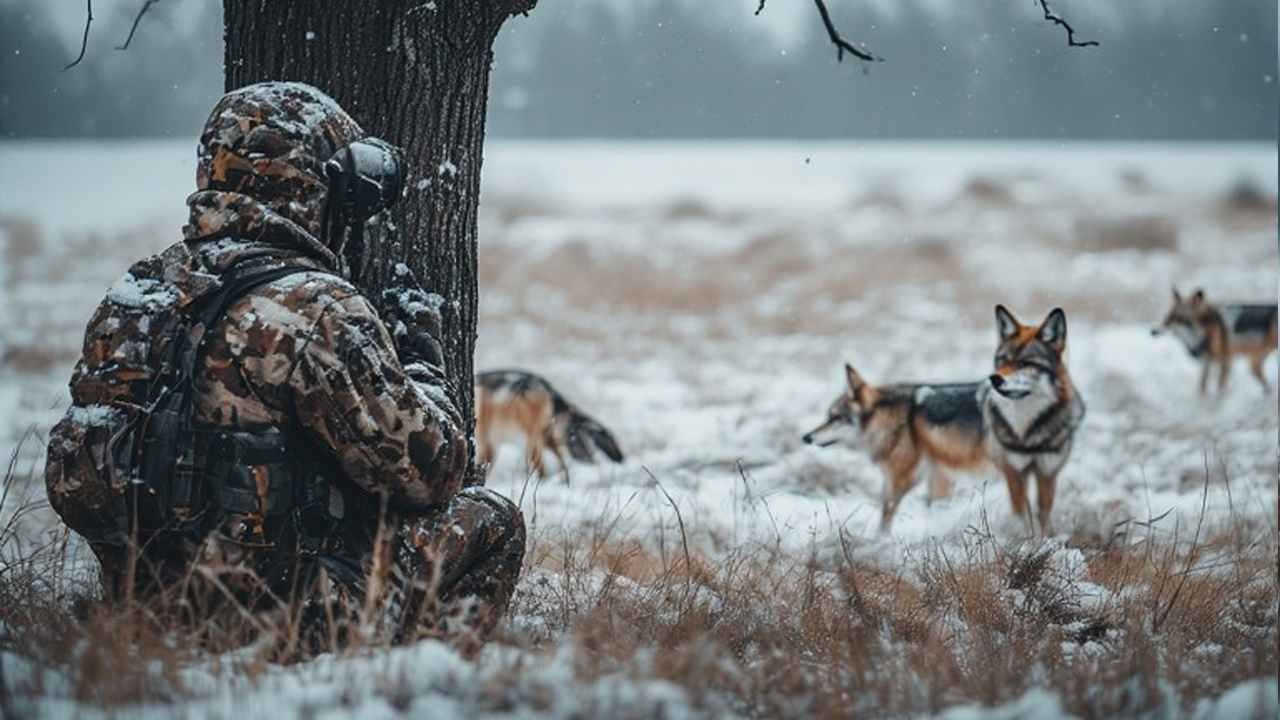
February Hunting Guide 2026: What’s Legal to Hunt Right Now
For hunters in the United States, February is a great time of year because it offers a variety of game species in what is typically thought of as the end of many hunting seasons. Strategic hunters take advantage of late-season opportunities for waterfowl, upland birds, predators, and some big game animals, even though winter weather patterns still predominate in most of the country. To maximize success during this shortened hunting window, it becomes essential to comprehend regional variations, particular season dates, and species availability. This thorough guide provides species-specific information to help hunters plan successful February expeditions by breaking down exactly what you can legally pursue in various states.
Regions have very different February hunting seasons; southern states have longer deer and wild hog hunting seasons, while northern states concentrate mostly on small game, waterfowl, and predators. Through early February, coastal regions continue to have active waterfowl seasons, especially for duck and goose hunting in designated flyways. Coyote, bobcat, and fox hunting are popular February activities because many states maintain or extend their predatory seasons throughout the winter. While specialty seasons for javelina, rabbit, and invasive species are still available, late-season archery opportunities for whitetail deer are available in a number of jurisdictions. Effective February hunters obtain the necessary licenses, study state-specific laws through official wildlife agencies, and get ready for harsh winter conditions that call for the right equipment and safety precautions.
Big Game Hunting Opportunities in February
Whitetail Deer
February provides limited but valuable deer hunting opportunities in select states with extended seasons or special late-winter hunts.
| State | Season Type | Typical End Date | Special Notes |
|---|---|---|---|
| Alabama | General Gun | Early February | Zone-specific closures |
| Florida | General Gun | Mid-February | Some counties extend through February |
| Georgia | Archery | Late January/Early February | Limited zones |
| Mississippi | Primitive Weapons | Early February | Select counties only |
| South Carolina | Game Zone 1 | Late February | Tag requirements apply |
| Texas | General Season | Late February | Regional variations significant |
| Virginia | Late Archery | Early February | Select management areas |
Late-season deer hunting during February presents unique challenges and advantages. Bucks have typically shed their antlers by mid-to-late February in most regions, making doe harvests or remaining antlered bucks the primary targets. Cold weather concentrates deer around food sources, particularly agricultural fields with winter wheat, standing corn, or supplemental feed locations. Hunters experience less competition during these final weeks compared to peak autumn seasons.
Success strategies for February whitetail hunting include focusing on thermal cover during extreme cold snaps, identifying active scrape lines near remaining food sources, and capitalizing on midday movement patterns when temperatures rise slightly. Glass open agricultural fields during morning and evening hours, as deer movement becomes more predictable when natural browse options diminish under snow cover or freezing conditions.
Wild Hogs (Feral Swine)
Wild hog hunting remains open year-round across most states dealing with invasive populations, making February an excellent month for pursuing these destructive animals.
Top February Hog Hunting States:
- Texas: No closed season, no bag limits in most counties, hunting allowed day and night on private property
- Florida: Year-round hunting on private lands and most WMAs, no permit required on private property
- Georgia: Open season all year, can be taken during any other hunting season with appropriate license
- Louisiana: No closed season, no bag limit, can be hunted at night with permit
- Oklahoma: Year-round season, may be taken by any legal means
- Alabama: Open season throughout the year, night hunting permitted with landowner permission
- South Carolina: Year-round on private land, WMA regulations vary
- Mississippi: No closed season, liberal methods allowed including dogs and night hunting
- Arkansas: Open all year, can be taken while hunting other species
February hog hunting advantages include cooler temperatures that make meat processing more manageable, increased hog activity during daylight hours seeking food, and bare vegetation that improves visibility. Hogs remain active throughout winter unlike many game animals, providing consistent action when other opportunities dwindle.
Target agricultural fields with fresh rooting damage, creek bottoms with readily available water sources, and oak flats where remaining acorns concentrate feeding activity. Trail cameras help identify movement patterns, while thermal optics significantly increase success rates during legal night hunting operations. Many hunters combine February hog hunts with predator calling sessions for maximum efficiency.
Javelina (Collared Peccary)
Arizona, New Mexico, and Texas offer February javelina hunting opportunities during their winter seasons.
Javelina Season Details:
- Arizona: Most units have February seasons, dates vary by hunt unit
- New Mexico: Limited draw hunts occur in February/March timeframe
- Texas: General season typically runs December through February in desert regions
Javelina hunting during February takes advantage of cooler desert temperatures and animals concentrated near water sources. These pig-like mammals travel in groups called “squadrons,” typically numbering 6-12 animals. Scout prickly pear cactus concentrations, as this comprises their primary food source. Glass south-facing slopes during morning hours when animals emerge to warm themselves after cold desert nights.
Spot-and-stalk tactics work well in open desert terrain, while calling techniques using predator calls can bring curious javelina within range. Their poor eyesight but excellent hearing and sense of smell require careful wind management and slow, deliberate movements when closing distance.
Waterfowl Hunting in February
Duck Hunting
February marks the final weeks of duck season across many states, particularly in southern latitudes and coastal regions within the statewide hunting calendar.
| Flyway | Typical February Status | Prime States |
|---|---|---|
| Atlantic | Closes mid-to-late February | North Carolina, South Carolina, Virginia |
| Mississippi | Most zones close by mid-February | Louisiana, Arkansas, Mississippi Delta |
| Central | Late season extends into early February | Texas coast, Oklahoma |
| Pacific | Varies by state, some extend through February | California (select zones), Oregon |
Late-season duck hunting during February concentrates birds in limited open water areas as northern wetlands freeze solid. Ducks become warier after months of hunting pressure, demanding refined decoy spreads, realistic calling, and concealment that matches winter habitat conditions.
Target species in February include:
- Mallards: Still abundant in southern states with agricultural flooding
- Pintails: Common along coastal areas and rice country
- Gadwall: Thrive in shallow freshwater impoundments
- Teal: Blue-winged teal begin migration into southern states
- Diving Ducks: Canvasbacks, redheads, and scaup concentrate on larger water bodies
- Sea Ducks: Coastal species remain available in Atlantic and Pacific zones
Successful February duck hunting focuses on scouting to identify where birds feed and rest, minimal calling to avoid spooking pressured birds, and using larger decoy spreads (30-60+ decoys) to provide confidence in open water situations. Hunt during weather fronts when barometric pressure changes trigger increased flight activity.
Goose Hunting
Canada goose and light goose (snow geese and Ross’s geese) seasons extend through February in numerous states, with conservation order hunts beginning late in the month.
February Goose Hunting Highlights:
- Light Goose Conservation Order: Begins around February 15-March 1 in many states, offering extended seasons with no daily bag limits for snow geese and Ross’s geese
- Canada Goose Late Seasons: Continue through February in resident population zones across Great Lakes states, Mid-Atlantic, and select western states
- Specklebelly Geese: Seasons extend into February along Gulf Coast and California
States with exceptional February goose hunting include Texas (conservation order begins late February), Louisiana (massive snow goose concentrations), Arkansas (rice country holds huge flocks), Missouri (conservation order and resident goose seasons), and California (Central Valley concentrations).
Layout blinds in harvested crop fields, large decoy spreads (200-500+ for snow geese), and electronic callers (legal during conservation order) maximize success. Snow geese become increasingly abundant as northern birds stage for spring migration, creating spectacular hunting opportunities during late February.
Upland Bird Hunting in February
Quail Species
Several quail species remain huntable through February, particularly in southern states with extended seasons.
Bobwhite Quail:
- Georgia: Season extends through February
- Alabama: Closes late February
- South Carolina: Season continues into late February
- Texas: Season runs through February in most regions
- Oklahoma: Typically closes mid-February
Scaled Quail (Blue Quail):
- New Mexico: Season extends through mid-February
- Texas: Panhandle and West Texas seasons continue
- Oklahoma: Western regions remain open
Gambel’s Quail:
- Arizona: Season continues through February
- New Mexico: Extends through February in appropriate habitats
Late-season quail hunting benefits from coveys consolidated in predictable locations near food sources and thermal cover. Bare vegetation improves dog work and shooting opportunities compared to dense autumn growth. Target brushy draws, plum thickets, edges between grassland and cropland, and areas with grain sources from wildlife plantings.
Pheasant Hunting
Limited February pheasant opportunities exist primarily in southern Great Plains states.
- Kansas: Season typically extends through mid-to-late February
- Oklahoma: Closes mid-February in most counties
- Texas: Panhandle season continues through February
- South Dakota: Some areas have extended seasons into early February
Roosters concentrate in heavy winter cover during February, particularly cattail marshes, CRP grass stands, and brushy creek bottoms. Hunt during midday temperature peaks when birds move to feed and loaf in sunny locations. Work thick cover methodically with pointing dogs or flushing dogs capable of penetrating dense vegetation.
Chukar and Hungarian Partridge
Western states maintain seasons for these upland species through February in many areas.
Prime February Chukar States:
- Idaho: Season extends through February
- Nevada: Continues through winter months
- Oregon: Most units remain open
- Washington: Eastern regions stay accessible
Chukar hunting in February challenges physically fit hunters willing to climb steep, rocky terrain. Snow at higher elevations pushes birds to south-facing slopes where bare ground provides access to seeds. Glass likely habitat before ascending, identify feeding flocks, and plan approach routes that allow intercepting birds on steep hillsides.
Small Game Hunting in February
Rabbit and Hare Species
Rabbit hunting remains open throughout February in virtually all states, providing excellent opportunities when other seasons close.
Cottontail Rabbit:
Available nationwide with minimal restrictions. Most states maintain open seasons through February with generous daily bag limits (typically 4-10 per day). Target brushy fencerows, briar patches, brush piles, and edges between fields and woodlots. Beagle packs make rabbit hunting a social winter activity, though individual hunters succeed using stillhunting methods.
Snowshoe Hare:
Northern states including Maine, Vermont, New Hampshire, Minnesota, Wisconsin, Michigan, Montana, Idaho, and Washington offer snowshoe hare hunting through February. These large hares turn white during winter, providing challenging shooting against snow backgrounds. Hunt spruce-fir forests, alder thickets, and regenerating clearcuts where dense cover provides escape routes.
Jackrabbit Species:
Black-tailed and white-tailed jackrabbits remain huntable throughout February across western states. These large hares inhabit open grasslands, sagebrush flats, and agricultural areas. Spot-and-stalk techniques or driving likely cover produces shooting opportunities at these fast-moving targets.
Squirrel Hunting
Both fox squirrels and gray squirrels remain legal game through February in most eastern and midwestern states.
Top February Squirrel States:
- Missouri: Open through January/early February
- Arkansas: Extended season in some zones
- Kentucky: Continues through February
- Tennessee: Season extends through winter
- Illinois: Open into late winter
- Ohio: Available through February
- Indiana: Winter season continues
February squirrel hunting benefits from leafless hardwoods that eliminate summer concealment advantages. Focus on oak, hickory, and walnut stands where remaining mast attracts feeding squirrels. Hunt during late morning through early afternoon when temperatures rise and squirrel activity increases. Look for fresh cuttings beneath den trees and feeding trees indicating active use.
Predator and Furbearer Hunting in February
Coyote Hunting
Coyote hunting remains open year-round or extends through February in nearly every state, making this one of the most accessible hunting opportunities during the month.
Year-Round Coyote Hunting States:
Most states including Texas, Oklahoma, Kansas, Nebraska, Montana, Wyoming, Idaho, New Mexico, Arizona, Nevada, and many others maintain no closed season on coyotes.
Extended Winter Seasons:
States with seasonal restrictions typically keep coyote hunting open through February or later, as predator control benefits agricultural interests and wildlife management objectives.
February represents peak coyote breeding season across much of the United States, significantly increasing calling success rates. Dominant males become territorial and aggressive, responding readily to challenge howls and female invitation howls. Adult coyotes also feed heavily to support breeding activities, making food source calls like rabbit distress particularly effective.
February Coyote Hunting Tactics:
Utilize calling sequences that incorporate both prey distress sounds and coyote vocalizations. Start setups with female invitation howls or ki-yi distress to locate responsive animals, then transition to prey distress after 5-8 minutes if no response occurs. Hunt during dawn and dusk periods when coyotes actively patrol territories and seek mates.
Electronic callers with motion decoys dramatically increase success by providing visual attraction and holding incoming coyotes’ attention while hunters prepare for shots. Thermal optics allow effective night hunting where legally permitted, capitalizing on coyotes’ predominantly nocturnal activity patterns.
Target agricultural areas with livestock operations where coyotes prey on newborn calves and lambs, travel corridors between bedding and feeding areas, and open grasslands where visibility permits long-range shooting opportunities.
Bobcat Hunting
Many states maintain bobcat seasons through February, though specific regulations vary dramatically.
States with February Bobcat Seasons:
- Montana: Season extends through February
- Idaho: Continues through winter months
- Wyoming: Open into late winter
- New Mexico: Zone-dependent closures
- Arizona: Seasons vary by unit
- Nevada: Extended seasons in most areas
- Utah: February hunting available
Bobcat hunting during February coincides with peak breeding season when males expand territories searching for females. Hound hunting remains the traditional and most effective method where legal, though calling techniques work in areas with concentrated populations. Use rabbit distress calls in rocky terrain, rimrock areas, brushy canyons, and transition zones between different habitat types.
Success requires understanding bobcats’ territorial nature and focusing efforts on proven travel routes between feeding and bedding areas. Look for tracks in snow, scat on prominent rocks or logs, and scrapes where bobcats mark territories. Many hunters target bobcats while pursuing coyotes using similar calling setups.
Red Fox and Gray Fox
Fox hunting seasons extend through February in most states, providing exciting opportunities for callers and houndsmen.
Red Fox:
Widely distributed across northern states and increasingly common in suburban areas. February breeding season makes red foxes highly responsive to vocalizations, particularly mouse squeaks, rabbit distress, and fox mating calls. Hunt agricultural areas with mixed cover, brushy fencerows, and CRP grasslands.
Gray Fox:
More common in southern and eastern states with mature timber. These tree-climbing canids prefer wooded habitats with rocky outcrops. Target hardwood forests with dense understory, creek bottoms, and mixed pine-hardwood stands. Gray foxes respond well to bird distress calls and cottontail distress.
Both species provide excellent opportunities for hunters learning predator calling techniques, as foxes approach closer than coyotes and offer more forgiving shooting situations. Their prime winter pelts make February harvests valuable for fur handlers.
Raccoon Hunting
Raccoon hunting with hounds remains a cherished tradition across the United States, with seasons open through February in most jurisdictions.
Prime Raccoon Hunting Regions:
- Southern States: Kentucky, Tennessee, Arkansas, Mississippi, Alabama, Georgia maintain strong raccoon hunting traditions
- Midwest: Ohio, Indiana, Illinois, Missouri offer excellent populations
- Great Lakes: Wisconsin, Michigan maintain healthy raccoon numbers
Hunt creek bottoms, river drainages, wooded areas adjacent to agricultural fields, and mature timber stands with den tree concentrations. Cold February nights without precipitation provide ideal conditions, as raccoons emerge from dens to feed during evening hours. Walking creek banks and timber edges allows hounds to strike tracks and trail raccoons to trees where hunters harvest them with accurate shooting.
Exotic and Invasive Species Hunting in February
Nutria
Louisiana, Texas, and other southern states encourage year-round nutria hunting to control these destructive invasive rodents.
Louisiana’s Coastwide Nutria Control Program even offers bounties ($6 per tail) for harvested nutria, turning pest control into profitable hunting. February provides prime opportunities as nutria remain active throughout winter months, feeding on marsh vegetation and damaging critical coastal wetlands.
Hunt coastal marshes, freshwater wetlands, canals, and drainage ditches. Nutria feed primarily during early morning and evening hours, creating ripples and wakes in calm water. Hunters using small boats or kayaks access interior marsh areas where populations concentrate.
Eurasian Collared Dove
These invasive doves may be hunted year-round without bag limits in most states, providing constant February shooting opportunities.
States with Established Populations:
Florida, Texas, Oklahoma, Kansas, Nebraska, Colorado, New Mexico, Arizona, and expanding ranges across southern and plains states.
Eurasian collared doves frequent agricultural areas, livestock operations, grain storage facilities, and suburban areas with bird feeders. Pass shooting near roosting sites during morning and evening flights produces consistent action. These birds respond to mourning dove calls and decoys, making them accessible targets for hunters of all experience levels.
Regional February Hunting Breakdown
Northeast Region
Available Species: Snowshoe hare, gray squirrel, fox squirrel, cottontail rabbit, coyote, red fox, bobcat (limited), raccoon, crow
Top States: Maine, Vermont, New Hampshire, New York, Pennsylvania
February hunting in the Northeast focuses predominantly on small game and predators. Heavy snow concentrations simplify tracking and pattern scouting. Snowshoe hare populations fluctuate cyclically but provide excellent opportunities during peak years. Coyote hunting remains productive throughout the region with animals responding well to distress calls and howls.
Southeast Region
Available Species: Whitetail deer (limited), wild hog, waterfowl (early February), quail, rabbit, squirrel, coyote, bobcat, raccoon, fox
Top States: Florida, Georgia, Alabama, South Carolina, Mississippi, Louisiana, Arkansas, Texas
The Southeast offers the most diverse February hunting opportunities nationwide. Extended deer seasons in select zones, year-round hog hunting, late waterfowl seasons, and abundant small game create multiple options. Mild weather allows comfortable hunting conditions compared to northern regions experiencing harsh winter storms.
Midwest Region
Available Species: Pheasant (early February), quail (limited), rabbit, squirrel, coyote, fox, bobcat (limited), raccoon
Top States: Kansas, Oklahoma, Missouri, Iowa (early February), Nebraska, South Dakota (early February)
Great Plains states provide excellent late-season upland bird hunting during early February before closures. Rabbit and predator hunting remains strong throughout the region. Agricultural landscapes with grain stubble and winter wheat fields attract concentrations of game animals seeking food resources.
Rocky Mountain Region
Available Species: Coyote, bobcat, mountain lion (limited), snowshoe hare, cottontail, jackrabbit, chukar, Hungarian partridge, waterfowl (limited)
Top States: Montana, Wyoming, Idaho, Colorado, Utah
Western mountain states focus on predator hunting and limited upland bird opportunities. Extreme winter conditions push species to lower elevations and concentrate them in accessible areas. Chukar and Hun hunting challenges physically fit hunters willing to navigate steep terrain.
Southwest Region
Available Species: Javelina, wild hog, coyote, bobcat, Gambel’s quail, scaled quail, cottontail, jackrabbit, waterfowl (limited)
Top States: Arizona, New Mexico, Texas, Nevada
Desert Southwest states provide unique hunting opportunities unavailable elsewhere. Javelina seasons peak during February, while predator hunting remains exceptional. Cooler desert temperatures make hunting more comfortable than scorching summer conditions.
Pacific Region
Available Species: Waterfowl, coyote, bobcat, mountain lion (limited), gray squirrel, cottontail, jackrabbit, chukar
Top States: California, Oregon, Washington
Coastal waterfowl hunting remains strong through early February along Pacific Flyway refuges and management areas. Interior regions offer predator and upland bird opportunities. Diverse habitat types from coastal marshes to interior deserts provide varied hunting experiences.
Essential February Hunting Preparation
License and Regulation Requirements
Before pursuing any February hunting opportunities, hunters must verify current regulations through official state wildlife agency websites. Seasons change annually, zone boundaries shift, and special restrictions apply in many areas.
Required Documentation:
- Valid state hunting license for your resident or non-resident status
- Federal Migratory Bird Hunting Stamp (duck stamp) for waterfowl hunting
- State waterfowl stamp where required
- Harvest tags for big game species
- Legal hunting requirements including licenses, permits, and age rules vary by jurisdiction
- Predator hunting permits or stamps in certain states
- Habitat stamps or conservation fees where applicable
Check bag limits, shooting hours, legal weapons, and any emergency closures before heading afield. Many states now offer digital licensing options through mobile apps, simplifying compliance verification during field checks by conservation officers.
Weather Considerations and Safety
February hunting exposes participants to potentially dangerous winter weather conditions across much of the United States.
Critical Safety Preparations:
Dress in layered clothing systems allowing adjustment as activity levels and temperatures fluctuate. Base layers should wick moisture away from skin, insulation layers trap warmth, and outer shells block wind and precipitation. Pack emergency supplies including fire-starting materials, emergency shelter, extra food and water, and communication devices.
Monitor weather forecasts before trips and prepare for rapidly changing conditions. Blizzards, ice storms, and extreme cold present serious risks in northern states. Southern hunters face different challenges including afternoon thunderstorms and dramatic temperature swings.
Inform someone about hunting locations and expected return times. Carry GPS devices or smartphone mapping applications to prevent becoming lost in unfamiliar territory. Winter’s shortened daylight hours compress hunting time, requiring earlier starts and careful time management to exit woods before darkness.
Recognize hypothermia symptoms including uncontrollable shivering, confusion, drowsiness, and slurred speech. Immediate warming and medical attention become critical if these symptoms develop.
Hunting Ethics and Conservation
February hunting often targets breeding animals or those stressed by winter conditions, making ethical behavior particularly important.
Selective harvest decisions support wildlife populations by removing surplus animals without damaging breeding potential. When hunting deer during late seasons, consider taking does rather than bucks to help balance sex ratios. Waterfowl hunters should focus on drakes when possible, protecting breeding hens for spring nesting.
Respect private property boundaries, secure appropriate permissions before accessing lands, and maintain positive relationships with landowners by following rules and leaving areas cleaner than found. According to the U.S. Fish & Wildlife Service, maintaining habitat and following ethical hunting practices ensures sustainable game populations for future generations.
Practice marksmanship to ensure clean, humane harvests. Wounded animals suffer unnecessarily and represent wasted resources. Take only high-percentage shots within your proven effective range. Track wounded game diligently, giving appropriate time before pursuing based on hit location.
Utilize harvested animals fully by properly processing meat, tanning hides, or donating to local food banks. Many states operate venison donation programs connecting hunters with families needing protein sources.
Frequently Asked Questions
What is the best state for hunting in February?
Texas offers the most diverse February hunting opportunities with year-round hog hunting, late deer seasons in some regions, extended waterfowl opportunities along the Gulf Coast, abundant predator populations, javelina in western areas, and various upland bird species. Florida runs a close second with extended deer seasons, unlimited hog hunting, waterfowl in the Everglades, and excellent small game populations.
Can you hunt deer anywhere in the United States during February?
No, most states close deer seasons by late January. However, Alabama, Florida, Georgia, Mississippi, South Carolina, Texas, and a few others maintain limited February deer hunting in specific zones or for certain weapon types. Always verify current regulations with your state wildlife agency before planning deer hunts.
Is February a good month for duck hunting?
Early February provides excellent duck hunting in southern states where seasons extend into the month. Birds become concentrated in limited open water areas, though hunting pressure throughout the season makes them warier. Late February marks the end of traditional duck seasons, but light goose conservation orders beginning around mid-February offer extended waterfowl opportunities.
What predators can you hunt year-round?
Coyotes can be hunted year-round in most states with few restrictions. Many jurisdictions also maintain year-round seasons for feral hogs, nutria, armadillos, and invasive species like Eurasian collared doves. Specific regulations vary by state, so verify local rules before hunting.
Do you need special licenses for predator hunting?
Most states only require a basic hunting license for predator hunting. However, some jurisdictions require additional predator hunting stamps, furbearer licenses, or permits for night hunting. Selling pelts may require trapping licenses even when animals were hunted. Check your state’s specific requirements.
What is the light goose conservation order?
The Light Goose Conservation Order allows extended hunting seasons for snow geese, Ross’s geese, and blue geese with no daily bag limits and relaxed regulations including use of electronic calls. This special season addresses overpopulation issues threatening Arctic nesting habitat. The conservation order typically begins in mid-to-late February and extends through spring.
Can you hunt hogs at night in February?
Night hog hunting legality varies by state. Texas, Louisiana, Georgia, Florida, and several others permit night hunting with appropriate permissions and equipment. Some states require special permits or limit night hunting to thermal/night vision devices rather than artificial lights. Always verify local regulations before conducting nighttime hunts.
What should I wear for February hunting?
Layer clothing with moisture-wicking base layers, insulating mid-layers (fleece or down), and waterproof/windproof outer shells. Choose patterns appropriate for your hunting environment (waterfowl camo for duck hunting, blaze orange where required for upland birds, natural colors or predator-specific camo for coyote hunting). Insulated, waterproof boots rated for cold temperatures prevent frostbite. Don’t forget warm gloves, headwear, and face protection.
Are hunting seasons different for private land versus public land?
Season dates typically remain consistent between private and public lands within the same management zone, though some states offer extended seasons on private property for certain species like hogs. Access regulations, harvest reporting, and specific area restrictions often differ significantly. Public land areas like Wildlife Management Areas frequently have additional rules regarding camping, vehicle access, and weapon restrictions. Consult specific property regulations before hunting.
What is the easiest animal to hunt in February for beginners?
Cottontail rabbits provide excellent entry-level hunting opportunities during February. They’re abundant across most states, seasons remain open with generous bag limits, required equipment is minimal (basic shotgun or .22 rifle), techniques are straightforward, and success rates are high. Rabbit hunting teaches essential skills like reading habitat, tracking, patience, and shooting discipline without the pressure of limited seasons or expensive licenses.