
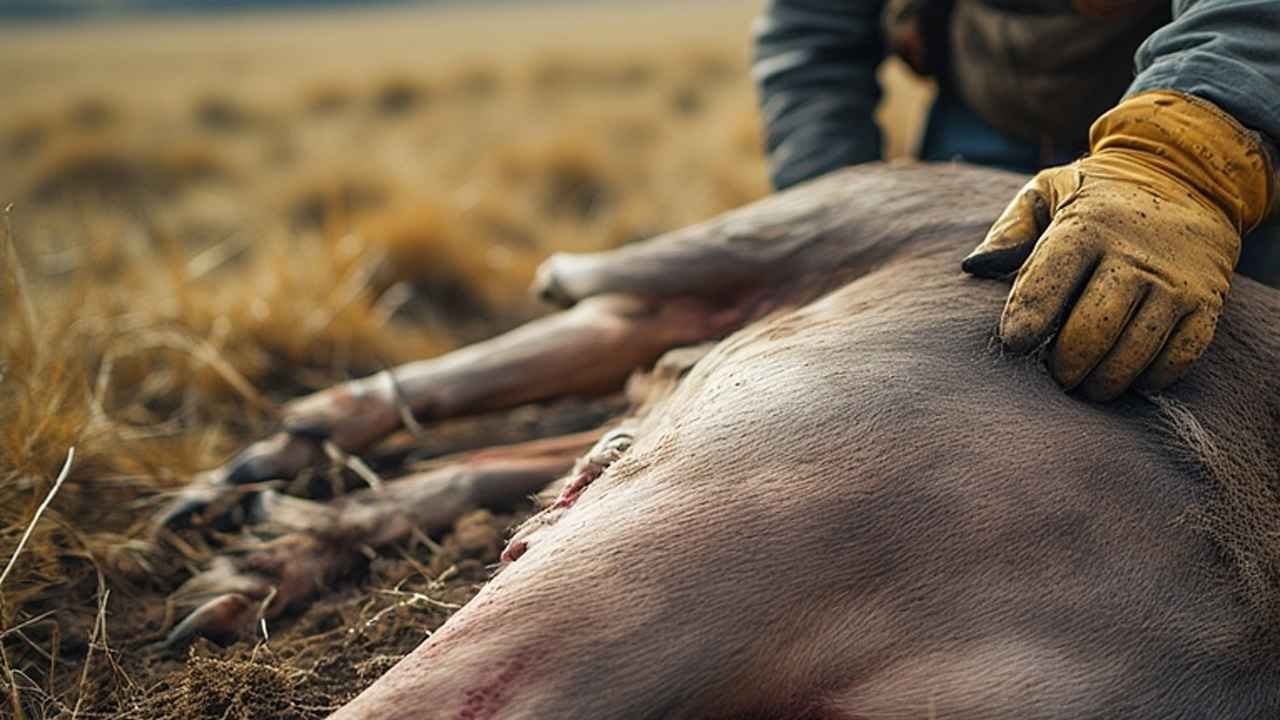
What to Do After Harvesting an Animal: Field Dressing and Legal Transport
Successfully harvesting an animal marks a critical transition point where proper handling becomes paramount for meat quality, legal compliance, and ethical hunting practices. The moments following a harvest demand immediate attention to field dressing procedures that preserve the meat while adhering to state and federal regulations governing animal transport. Understanding the correct sequence of steps—from initial field assessment and proper gutting techniques to tagging requirements and vehicle transport rules—ensures hunters maximize their harvest while remaining compliant with wildlife management laws that vary significantly across jurisdictions.
Field dressing begins within minutes of confirming the animal’s death, as rapid cooling prevents bacterial growth and maintains meat integrity. This process involves systematic removal of internal organs, proper carcass positioning for drainage, and temperature management that can mean the difference between premium table fare and spoiled meat. Beyond the biological necessities, hunters must navigate complex legal frameworks including mandatory check-in procedures, evidence-of-sex requirements, transportation permits, and documentation that proves lawful harvest. This comprehensive guide breaks down every essential step from initial approach to final delivery, providing hunters with actionable protocols that satisfy both conservation requirements and quality meat processing standards.
Immediate Post-Harvest Actions
Initial Safety and Verification Steps
| Priority Level | Action Required | Time Frame | Safety Consideration |
|---|---|---|---|
| Critical | Unload firearm completely | Immediate | Prevents accidental discharge |
| Critical | Wait 30 minutes before approach | 30 minutes | Ensures animal is deceased |
| High | Approach from behind | Before contact | Avoids potential injury from reflexes |
| High | Touch eye with long stick | Upon approach | Confirms death without risk |
| Medium | Tag animal immediately | Within 5 minutes | Legal compliance in most states |
| Medium | Take documentation photos | Within 10 minutes | Proof of legal harvest |
The first action after shooting involves making your weapon safe. Remove all ammunition from the chamber and magazine, then place the firearm in a secure location away from the work area. This non-negotiable safety step prevents tragic accidents during the excitement of a successful harvest.
Before approaching, observe the animal through binoculars for any signs of breathing or movement. Even mortally wounded animals can pose danger through involuntary muscle spasms or last survival efforts. A full thirty-minute waiting period might seem excessive, but it provides assurance that the animal has expired completely.
Mandatory Tagging Requirements
Most states require immediate tag attachment before moving or field dressing the animal. This legal obligation varies by jurisdiction but typically includes:
- Physical tag attachment to the carcass at specific locations (antler, ear, or leg)
- Date and time notation written on the tag in permanent ink
- License number verification matching your current hunting permit
- Zone or unit designation corresponding to harvest location
- Species identification marked according to state codes
- Sex designation indicated where required by regulation
Failure to properly tag an animal before transport constitutes a violation in most jurisdictions, resulting in substantial fines and potential license revocation. Keep your tags accessible in a waterproof container throughout your hunt.
Field Dressing Fundamentals
Essential Equipment Checklist
| Equipment Category | Specific Items | Purpose |
|---|---|---|
| Cutting Tools | Fixed-blade knife (4-5 inch), gut hook, bone saw | Primary field dressing operations |
| Protective Gear | Latex/nitrile gloves, arm-length gloves | Disease prevention and hygiene |
| Cleaning Supplies | Paper towels, clean rags, water container | Cavity cleaning and blood removal |
| Cooling Materials | Game bags, ice packs, cooler | Temperature management |
| Documentation | Tags, pen, camera, GPS device | Legal compliance and record-keeping |
| Safety Equipment | Headlamp, reflective vest, first aid kit | Personal protection during processing |
A sharp, reliable knife forms the cornerstone of field dressing success. Dull blades require excessive pressure that increases puncture risk to intestines or bladder, potentially contaminating meat. Carry a compact sharpening tool to maintain edge quality throughout the process.
Step-by-Step Field Dressing Procedure
Position the Animal Properly
Roll the carcass onto its back with the head positioned slightly uphill if terrain allows. This orientation uses gravity to assist with drainage and organ removal. Spread the hind legs wide and secure them with rope or cord if working alone. Proper positioning reduces physical strain and provides clear access to the abdominal cavity.
Make the Initial Incision
Begin at the base of the sternum (breastbone) and carefully cut through the hide and muscle layer. Insert two fingers beneath the hide to lift it away from the underlying organs, then slide your knife between your fingers with the blade facing upward. This technique, called the “tent method,” prevents accidental puncture of stomach or intestines.
Continue the incision down the centerline to the pelvic area, cutting only through the skin and thin muscle layer. Stop before reaching the genitals to avoid contamination issues.
Remove Internal Organs Carefully
Cut around the anus carefully, pulling it into the body cavity to avoid spillage. This delicate operation requires patience and precision. Next, cut through the diaphragm—the muscular wall separating chest from abdomen—by running your knife around the inside of the ribcage.
Reach into the chest cavity and locate the windpipe and esophagus. Sever these as high as possible in the chest, then pull downward to remove heart and lungs together with the abdominal organs. Everything should come out in one connected mass if done correctly.
Split the Pelvis (Optional)
For larger animals like elk or moose, splitting the pelvis facilitates complete organ removal and cooling. Use a bone saw or knife to carefully cut through the cartilage connecting the pelvic bones. This step requires significant force and sharp tools, but it dramatically improves access for thorough cleaning.
Clean and Drain the Cavity
Wipe out blood clots and any remaining tissue with clean cloths or paper towels. Avoid using water in the field unless absolutely necessary, as moisture promotes bacterial growth. If you must rinse, ensure thorough drying afterward.
Prop the chest cavity open with a stick to maximize air circulation. This simple step accelerates cooling, which is crucial for meat preservation.
Temperature Management Priorities
| Temperature Range | Meat Condition | Action Required | Time Sensitivity |
|---|---|---|---|
| Above 50°F | Critical risk zone | Immediate ice/cooling, prioritize removal | Within 1-2 hours |
| 40-50°F | Moderate risk | Active cooling, monitor closely | Within 3-4 hours |
| 32-40°F | Optimal range | Natural cooling sufficient | Within 6-8 hours |
| Below 32°F | Freezing risk | Protect from hard freeze | Remove within 12 hours |
Heat represents the primary enemy of meat quality after harvest. Bacteria multiply rapidly at temperatures above 40°F, producing toxins that cause spoilage. In warm weather conditions, field dressing becomes a race against bacterial proliferation.
The body cavity must reach 40°F or below within four hours of death for optimal preservation. Larger animals retain heat longer due to their mass, making size a critical factor in cooling strategy. A mature bull elk in 60°F weather requires aggressive cooling measures that a whitetail deer in 35°F conditions would not need.
Advanced Field Care Techniques
Quartering for Pack-Out Situations
When vehicle access isn’t possible, quartering breaks the carcass into manageable portions for backpack transport. This advanced technique requires additional skills but enables hunters to retrieve meat from remote locations.
Quartering Sequence
- Remove both front legs by cutting through the shoulder joint
- Separate both rear legs by cutting through the ball-and-socket hip joint
- Remove backstraps by cutting along both sides of the spine
- Extract tenderloins from inside the body cavity along the spine
- Remove neck meat and rib meat if desired and feasible
- Bone out remaining meat or pack bone-in quarters depending on distance
Each quarter should be placed immediately into clean, breathable game bags that protect against insects while allowing air circulation. Never use plastic bags in the field, as they trap heat and moisture, creating perfect conditions for spoilage.
Skinning in the Field
Complete field skinning offers advantages in warm weather by exposing maximum surface area for cooling. However, leaving the hide on protects meat from dirt, insects, and debris during transport.
Situations Favoring Field Skinning
- Ambient temperatures exceeding 50°F
- Extended time before reaching vehicle or processing facility
- Pack-out scenarios where weight reduction is critical
- Animals harvested in muddy or dirty conditions
- Presence of substantial hair or hide contamination
Situations Favoring Leaving Hide On
- Cold weather conditions below 40°F
- Short transport time to cooler or processor
- Dusty or dirty environments during transport
- Need for hide tanning or preservation
- Inexperienced hunters who might damage meat during skinning
The decision requires evaluating multiple factors specific to your situation. When in doubt, prioritize cooling speed over hide preservation, as meat quality supersedes hide value.
Legal Requirements for Transport
State-Specific Evidence Requirements
| Requirement Type | Common Implementation | Documentation Needed | Penalty for Non-Compliance |
|---|---|---|---|
| Evidence of Sex | Antlers/head/genitals attached | Photo documentation | $200-$1,000 fine, license suspension |
| Harvest Tag | Physical tag on carcass | Tag number recorded | $500-$2,000 fine, potential charges |
| Check Station Reporting | Mandatory stop within 24-48 hours | Receipt from station | $100-$500 fine |
| Transportation Permits | Written authorization for certain species | Original permit document | $300-$1,500 fine |
| Meat Labeling | Species, date, hunter info on packages | Label affixed to packages | $150-$750 fine |
| Interstate Transport | Federal permit for some species | USFWS documentation | Federal charges possible |
Evidence-of-sex regulations prevent illegal harvest and help wildlife agencies collect biological data. Most states require either the complete head (for antlered animals) or specific reproductive organs remain naturally attached during transport. Removing these identifying features before reaching a check station or your residence typically constitutes a violation.
Understanding your specific state’s requirements before hunting season prevents costly mistakes. Regulations change annually, and what was legal last year might not be this season. Hunters bear responsibility for knowing current rules in every jurisdiction where they hunt.
Mandatory Check-In Procedures
Many states operate either physical check stations or electronic reporting systems that hunters must use within specified timeframes. These systems serve multiple purposes:
Wildlife Management Functions
- Population monitoring and trend analysis
- Harvest success rate calculation
- Age structure determination through tooth collection
- Disease surveillance through tissue sampling
- Biological data collection for research purposes
Enforcement Functions
- Verification of legal harvest
- License and tag validation
- Zone and season compliance confirmation
- Species and sex identification verification
Physical check stations typically require presenting the entire animal or specific portions. Staff members examine the harvest, collect biological samples, and provide documentation confirming legal compliance. Electronic systems require hunters to report specific information through phone apps or websites, receiving confirmation numbers as proof of reporting.
Failing to check in within the required timeframe, even with a legally harvested animal, results in violations. Mark your calendar with reporting deadlines and keep confirmation numbers or receipts in multiple locations.
Transportation Best Practices
Vehicle Loading and Securing
| Loading Method | Advantages | Disadvantages | Best Application |
|---|---|---|---|
| Truck Bed (uncovered) | Excellent air circulation, easy loading | Weather exposure, theft risk | Short distances, cool weather |
| Truck Bed with Cover | Protection from elements and theft | Reduced air circulation | Medium distances, variable weather |
| Trailer | Large capacity, dedicated space | Requires towing capability | Multiple animals, long distances |
| Vehicle Interior | Climate control possible | Contamination risk, limited space | Small game, emergency situations |
| Roof Rack | Good visibility for legal compliance | Difficult loading, weather exposure | Display requirements, tradition |
Proper securing prevents carcass shifting during transport, which could cause accidents or vehicle damage. Use ratchet straps or heavy-duty rope to immobilize the animal completely. Test security by pushing hard on the carcass from multiple angles before driving.
Never place ungutted animals in enclosed spaces like car trunks or covered truck beds without exceptional air circulation. The body heat and gases from unremoved organs create spoilage conditions rapidly.
Visibility and Display Regulations
Some jurisdictions require harvested animals remain visible during transport to prove legal take and facilitate enforcement. These “display requirements” mandate specific positioning:
- Antlers clearly visible from outside vehicle
- Hunter wearing blaze orange while transporting
- Animals positioned upright rather than covered
- Transportation occurring only during daylight hours
- Specific route requirements to check stations
These regulations vary dramatically between states. Western states rarely impose display requirements, while some Eastern states maintain traditional visibility rules. Research your specific area’s transportation laws as thoroughly as you researched hunting regulations.
Interstate Transport Considerations
Crossing state lines with harvested game triggers additional regulatory layers. Federal and state laws govern moving wildlife across jurisdictions, with requirements varying by species and destination state.
Documentation Requirements for Interstate Transport
- Copy of valid hunting license from harvest state
- Completed harvest tag or confirmation number
- Interstate game transport permit (if required by either state)
- Receipt from check station (if applicable)
- Bill of sale (if animal will be processed commercially in another state)
- Federal permits (for certain species like migratory birds)
Contact wildlife agencies in both the harvest state and destination state before transporting game across state lines. Some states prohibit importing certain species entirely due to disease concerns, particularly relating to Chronic Wasting Disease (CWD) in deer family members.
Processing and Storage Timeline
Critical Time Windows After Harvest
| Time Since Harvest | Priority Actions | Meat Quality Status | Risk Level |
|---|---|---|---|
| 0-1 hours | Field dress, begin cooling | Excellent | Low |
| 1-4 hours | Complete cooling, transport to cooler | Very Good | Low-Moderate |
| 4-8 hours | Refrigeration essential, begin aging | Good | Moderate |
| 8-12 hours | Professional processing recommended | Fair | Moderate-High |
| 12-24 hours | Quality declining rapidly, salvage mode | Poor | High |
| 24+ hours | Significant spoilage likely | Compromised | Very High |
These timeframes assume moderate temperatures (40-60°F). Hot weather compresses these windows dramatically, while freezing conditions extends them. The condition of the animal at death also impacts timing—stressed animals that ran extensively before death spoil faster due to elevated body temperature and lactic acid buildup.
Aging vs. Immediate Processing
Properly aged venison develops enhanced tenderness and flavor through enzymatic breakdown of muscle fibers. However, aging requires precise conditions that balance meat improvement against spoilage risk.
Optimal Aging Conditions
- Temperature maintained between 34-38°F consistently
- Humidity level of 70-80% to prevent excessive drying
- Air circulation around all meat surfaces
- Clean environment free from contamination sources
- Duration of 7-14 days depending on animal age and size
Younger animals benefit less from aging since their meat is naturally tender. Mature animals with tougher muscle structure see significant improvement from proper aging. Hunters without access to controlled aging environments should skip this step and process immediately, as improper aging causes more harm than good.
Common Field Dressing Mistakes
Critical Errors to Avoid
Puncturing digestive organs during field dressing contaminates meat with bacteria-laden contents. This common mistake occurs when rushing or using dull knives that require excessive force. Once contamination occurs, thoroughly clean affected areas immediately and consider trimming adjacent meat sections.
Leaving excessive fat or tissue in the body cavity insulates against cooling and provides bacterial growth medium. Remove all digestive organs completely, including the diaphragm and windpipe remnants. Don’t leave sections because they’re difficult to reach.
Transporting animals on warm vehicle hoods or roofs seems convenient but creates severe meat damage. Engine heat conducts through hoods, cooking meat from the outside while the interior remains warm—perfect for bacterial proliferation. External mounting also exposes meat to road dirt, exhaust fumes, and weather elements.
Delaying processing because “cool weather will keep it fine” overestimates nature’s refrigeration capabilities. Even 40°F air temperature doesn’t cool a large animal’s deep muscle tissue quickly enough without active measures. Hanging a deer overnight in 45°F weather might seem acceptable but often results in spoiled meat in the shoulders and hindquarters where mass prevents cooling.
Handling Contamination Issues
When stomach or intestinal contents contact meat surfaces, immediate action minimizes damage. Wipe away visible material with clean cloths, then trim affected meat sections generously. Don’t attempt to rinse with available water unless it’s clean and potable—dirty water causes more problems than it solves.
Hair contamination occurs frequently and proves difficult to remove completely. Minimize hair contact by careful skinning technique and keeping hide side down when moving the carcass. Remove visible hair with damp cloths, but recognize that some contamination is unavoidable and will be addressed during final processing.
Health and Safety Protocols
Disease Prevention Measures
| Disease Risk | Transmission Route | Prevention Method | Symptoms to Watch |
|---|---|---|---|
| Brucellosis | Contact with reproductive organs | Wear gloves, avoid tissue contact | Flu-like symptoms 1-3 weeks post-exposure |
| Tularemia | Blood/tissue contact, insect bites | Gloves, avoid sick animals | Skin ulcers, fever, swollen lymph nodes |
| Chronic Wasting Disease | Nervous tissue contact | Minimize brain/spine handling | No direct human transmission known |
| Lyme Disease | Tick bites during processing | Tick checks, repellent use | Circular rash, fever, joint pain |
| E. coli/Salmonella | Intestinal content contamination | Proper cleaning, cook thoroughly | Gastrointestinal distress |
Wearing protective gloves throughout field dressing and processing isn’t optional—it’s essential health protocol. Diseases like tularemia can enter through minor cuts or abraded skin during animal handling. Using shoulder-length gloves provides maximum protection when reaching into body cavities.
Hunters should pay particular attention to animals that appear abnormal before harvest. Disoriented behavior, visible tumors, excessive parasites, or unusual organ appearance may indicate disease. While most game diseases don’t transmit to humans, these signs warrant extra caution and potentially consultation with wildlife officials before consuming meat.
Personal Injury Prevention
Field dressing involves sharp implements in potentially awkward positions, creating injury risk. Always cut away from your body, keeping free hands clear of blade paths. When cutting through tough tissue, controlled pressure prevents slipping that could cause deep cuts.
Working alone presents additional risks if injury occurs in remote locations. Having basic wilderness first aid skills becomes crucial for hunters who frequently pursue game far from immediate help. Carry a comprehensive first aid kit designed for traumatic injuries, not just minor scrapes.
Back strain from improper lifting technique sidelines more hunters than any other field injury. Large game animals represent substantial weight that exceeds safe lifting limits for most people. Use proper body mechanics, get help when available, and consider quartering as a safer alternative to dragging whole carcasses long distances.
Equipment Maintenance Post-Harvest
Knife Care and Sanitation
Thoroughly cleaning field dressing knives prevents cross-contamination and extends blade life. Blood and tissue residue corrodes steel and harbors bacteria that could contaminate future harvests.
Proper Knife Cleaning Protocol
- Rinse blade with hot water to remove visible blood and tissue
- Wash thoroughly with antibacterial soap or dish detergent
- Sanitize with diluted bleach solution (1 tablespoon per gallon of water)
- Dry completely to prevent rust formation
- Apply light oil coating to carbon steel blades for storage
- Sharpen blade to restore edge for next use
Never put quality hunting knives in dishwashers, as harsh detergents and high heat damage handles and blade finishes. Hand washing provides better results and extends tool lifespan significantly.
Clothing and Gear Decontamination
Blood-soaked clothing requires prompt attention to prevent permanent staining and odor development. Rinse in cold water immediately if possible, as hot water sets blood proteins. Use enzymatic laundry detergents designed for blood removal, and consider hydrogen peroxide for stubborn stains.
Game bags, tarps, and ropes need thorough cleaning between uses. Wash fabric items in hot water with detergent and bleach, then dry completely before storage. Moisture trapped in stored game bags creates mold that ruins the material and could contaminate future meat.
Legal Compliance Documentation
Record Keeping Requirements
Maintaining detailed harvest records protects hunters from potential legal challenges while providing valuable personal data for future seasons. Comprehensive documentation includes:
- Date and precise time of harvest with timezone if hunting near state borders
- Exact GPS coordinates or detailed location description sufficient to verify legal hunting area
- Weather conditions that might have influenced animal movement or behavior
- Specific weapon and ammunition used for reference in future hunts
- Shot placement and animal reaction to evaluate effectiveness
- Photos of animal with visible tag showing proper compliance
- Check station receipt or confirmation number proving timely reporting
- Any unusual observations about animal health or behavior
This documentation proves invaluable if questions arise about harvest legality. Wildlife officers may investigate harvests weeks or months after the fact, when memory fades. Written records with supporting photos provide clear evidence of compliance.
Understanding Violation Consequences
Wildlife violations carry serious consequences extending beyond immediate fines. Many states participate in the Interstate Wildlife Violator Compact, which shares violation information across participating jurisdictions. A conviction in one state can result in license suspension in your home state and dozens of others.
Typical Penalty Structures
- Minor violations: $100-$500 fines, warning on record
- Moderate violations: $500-$2,000 fines, license suspension 1-3 years
- Serious violations: $2,000-$10,000 fines, license revocation, equipment forfeiture
- Criminal violations: Felony charges, jail time, permanent hunting rights loss
Additionally, illegal harvest often requires restitution payments to the state for the animal’s replacement value. Trophy elk can carry restitution values exceeding $20,000, while deer typically range from $1,500-$5,000 depending on the state and antler characteristics.
Regional Considerations Across the United States
Western States Protocols
Western public land hunting often involves extended backcountry trips where field care happens miles from vehicle access. Successful meat retrieval from remote locations demands different approaches than farmland hunting near roads.
Pack animals (horses, mules) provide efficient transportation for whole or quartered game. However, proper wilderness safety planning becomes essential when working with livestock in rugged terrain. Hunters without personal stock should research outfitter pack-out services available in many western hunting areas.
Bear-proofing harvested game in grizzly country follows specific protocols. Hang meat at least 12 feet high and 6 feet from tree trunks, or store in bear-resistant containers. Many western jurisdictions prohibit leaving gut piles within certain distances of trails or campgrounds due to bear attraction concerns.
Midwest Agricultural Region Practices
Hunting in agricultural regions provides easier access but introduces different challenges. Many Midwest hunters pursue deer in areas where trail cameras have identified specific animals frequenting their property. When you harvest your target animal, quick field dressing and transport to processing facilities is typically straightforward given road proximity.
Midwest states often have extensive chronic wasting disease (CWD) management zones with special restrictions on carcass movement. These regulations commonly prohibit transporting whole carcasses or certain body parts across designated boundaries to prevent disease spread. Hunters must debone meat or use commercial processors within CWD zones before removing venison.
Northeastern Forest Considerations
Dense forest hunting in Northeastern states frequently requires tracking wounded animals through challenging terrain. Effective wounded game tracking skills help ensure clean recoveries and proper animal utilization. The thick vegetation and steep slopes common in states like Pennsylvania make field dressing more physically demanding.
Cold weather aging becomes viable in Northern regions where late-season temperatures consistently remain below 40°F. Many Northeastern hunters hang whole carcasses in unheated garages or sheds for the traditional week-long aging period. This practice works well when properly executed but requires monitoring to prevent freezing or unexpected temperature increases.
Southern Climate Challenges
Warm Southern weather compresses the safe handling timeline dramatically. Even late-season hunting in states like Texas or Alabama can occur in 60-70°F temperatures where bacterial growth happens rapidly. Southern hunters must prioritize immediate cooling through ice, air conditioning, or commercial cooler storage.
Insect pressure in Southern states demands extra protection measures. Flies and yellow jackets appear within minutes of field dressing, attempting to access the carcass. Game bags become essential rather than optional, and many hunters carry insect repellent specifically for treating meat bags rather than personal use.
Professional Processing vs. Home Processing
Selecting a Qualified Processor
| Evaluation Criteria | Red Flags to Avoid | Green Flags to Seek | Questions to Ask |
|---|---|---|---|
| Facility Cleanliness | Visible blood/tissue on surfaces | Spotless work areas, regular sanitation | “Can I tour the facility?” |
| Licensing | Unwillingness to show permits | Current licenses displayed | “Are you USDA inspected?” |
| Turnaround Time | Vague “whenever it’s done” | Specific pickup dates provided | “What’s your current wait time?” |
| Meat Return | “We mix all meat together” | Individual animal tracking | “How do you ensure I get my animal back?” |
| Custom Options | Only standard cuts available | Flexible cutting and packaging options | “Can you do specialty preparations?” |
Reputable processors maintain appointment systems that prevent overwhelming their capacity during peak season. Be skeptical of operations that accept unlimited animals without regard for their ability to handle volume properly. Overloaded processors cut corners that compromise meat quality.
Verify that processors guarantee returning your specific animal rather than substituting equivalent weight from a general pool. While commercial operations sometimes pool meat, hunters deserve the animal they harvested unless explicitly agreeing to alternative arrangements.
Home Processing Advantages and Challenges
Processing your own game provides complete control over cutting, packaging, and handling while eliminating processing costs. However, home processing requires significant equipment investment and skill development.
Essential Home Processing Equipment
- Commercial-grade meat grinder (at least 3/4 horsepower)
- Vacuum sealer with adequate capacity for large cuts
- Multiple sharp knives including boning, butcher, and fillet knives
- Large cutting boards designated for game processing only
- Meat saw or quality kitchen saw for bone cutting
- Digital scale for portion measurement
- Stainless steel bowls and containers in various sizes
- Plastic wrap, freezer paper, and permanent markers for labeling
The initial equipment investment typically exceeds $500 for quality items that will last many years. Cheaper alternatives often fail quickly under the demands of processing large game animals.
Learning proper cutting techniques takes practice. Beginning home processors should watch instructional videos, read detailed guides, and potentially take classes offered by extension services or meat processing schools. Mistakes in early attempts result in wasted meat and frustration.
Special Situations and Scenarios
Hunting from Boats or Remote Islands
Waterfowl hunters and those pursuing deer on islands face unique transportation challenges. Field dressing in a boat requires stability considerations and contamination prevention to avoid fouling the vessel.
Use heavy-duty trash bags or tarps to contain all processing waste and blood. Never gut animals directly in boats without protection, as blood permanently stains materials and creates persistent odors. Consider partially dressing animals on shore before boat transport when possible.
Long boat rides to mainland processing facilities demand excellent meat protection. Waterproof game bags prevent moisture contamination, while coolers with ice maintain safe temperatures during extended transport times.
Extreme Weather Conditions
Harvesting during severe weather complicates field care significantly. Heavy rain soaks meat and makes maintaining cleanliness nearly impossible. Lightning storms create safety hazards that may force delaying field dressing until conditions improve.
Extreme cold causes meat to freeze before proper cooling occurs, potentially resulting in tough texture. In subzero conditions, many hunters quarter animals and transport immediately to indoor locations where controlled thawing and aging can occur.
Blizzard conditions might necessitate temporary field storage with plans to return for retrieval when safe. Mark locations carefully with bright flagging and GPS coordinates. Protect carcasses from scavengers using tree hanging or rock covering if possible.
Ethical and Conservation Perspectives
Complete Utilization Practices
Ethical hunters strive to use as much of the harvested animal as possible, honoring the sacrifice and minimizing waste. Beyond obvious cuts, numerous lesser-known portions provide excellent nutrition:
Often-Overlooked Edible Parts
- Heart: rich, lean meat ideal for grilling or slow cooking
- Liver: nutrient-dense organ meat (check for health and parasites)
- Tongue: tender meat when properly prepared
- Shanks: perfect for stock, stew, or osso buco preparations
- Neck: ground meat or roast potential
- Rib meat: requires patience but yields quality strips
- Tallow: rendered fat for cooking or soap making
Some hunters donate inedible portions to wildlife rehabilitation centers, which use them for feeding predatory birds and mammals. This practice extends utilization beyond human consumption while supporting conservation education efforts.
Supporting Wildlife Management
Proper harvest reporting contributes critical data to wildlife biologists who manage populations. The inconvenience of check-in requirements serves important scientific purposes that benefit future hunting opportunities.
Compliance with regulations—even those that seem arbitrary or inconvenient—demonstrates hunters’ commitment to sustainable practices. This positive image helps counter anti-hunting narratives and maintains public support for wildlife management through regulated hunting.
Hunters should view themselves as active participants in conservation rather than mere consumers of wildlife resources. This perspective shift encourages practices that support long-term population health and habitat preservation.
Frequently Asked Questions
How long can I wait before field dressing an animal?
When feasible, field dressing should be done within an hour of death; at temperatures over 40°F, it must be done within two hours. Shortly after death, germs from the digestive tract start to infiltrate nearby muscle tissue. In addition to preventing contamination, prompt removal initiates the chilling process that maintains meat quality. You have a little more leeway in freezing temperatures below 32°F, but even in cold weather, if you wait more than four hours, the quality may suffer.
Can I transport an untagged animal to my property before tagging it?
No, almost every state has regulations requiring the animal to be immediately tagged at the harvest site before being transported. “Immediate” usually refers to a few minutes after death is confirmed rather than when one gets home. Enforcement officials can confirm a lawful harvest thanks to this criterion, which also stops tag fraud, in which hunters may use the same tag for several animals. Untagged game transportation is a major infraction that has severe consequences, such as fines and license suspension.
What should I do if I accidentally puncture the intestines during field dressing?
Stop right away and determine the level of pollution. All visible intestinal contents should be removed off meat surfaces using fresh cloths or clean water, if available. Remove as much infected muscle tissue as possible, leaving at least an inch beyond any evident contact points. When choosing what to salvage, err on the side of caution because the germs in stomach contents can cause significant sickness if swallowed. To avoid more punctures, carefully continue field dressing after cleaning. Instead of taking a chance on health problems, think about getting rid of highly polluted areas.
Do I need to remove the hide before transporting my harvested animal?
The length of the trip and the weather will determine this. While leaving the hide on minimizes insulating issues and shields meat from dirt and debris in temperatures below 45°F and transportation periods under two hours. Removing the hide, however, greatly increases cooling rates in warm temperatures above 50°F and need to be given priority. The hide slows the vital cooling process by acting as an insulating layer that retains body heat. A compromise that helps with cooling while preserving some protection is partial skinning, which involves opening the hide without completely removing it.
How do I know if my harvested meat has spoiled?
A strong sour or rotten smell that is clearly different from the typical game fragrance, a greenish or grayish discoloration (fresh meat should be deep red), a slimy or sticky surface texture, and an excessive buildup of moisture or fluid are all warning indications of spoiled meat. When in doubt, throw away dubious meat instead of running the risk of contracting a foodborne illness. Eating game meat that has gone bad can cause serious digestive problems that need medical attention. Regardless of how much work went into the harvest, trust your instincts and avoid eating anything that smells or seems off.
Can I cross state lines with my harvested game?
In general, yes, but with significant limitations. Importing lawfully harvested wildlife from other jurisdictions is permitted in the majority of states as long as you keep your harvest tag, hunting license, and check-in confirmation on file. However, several states have restricted or outright banned the importation of complete corpses or certain body parts (such as the brain, spine, or lymph nodes) from deer family members because to concerns about chronic wasting disease (CWD). Before interstate transportation, get in touch with the wildlife authorities in both the harvest and destination states to make sure that current regulations—which are always changing in response to disease control needs—are being followed.
What temperature does game meat need to reach for safe storage?
For best preservation, game meat must reach an internal temperature of 40°F or lower within four hours following harvest. Rapid bacterial growth in the “danger zone” of 40–140°F can lead to spoiling and possible problems with food safety. Meat should be frozen at 0°F or below for prolonged storage, or kept at 32–34°F for aging. To preserve the integrity of the cold chain throughout transportation, employ ice or refrigeration. Keep an eye on temperatures using a trustworthy thermometer instead than speculating since deep tissue stays warm while surface cooling frequently takes place.
Should I wash the body cavity with water after field dressing?
Hunters and meat processors continue to disagree on this. The conventional method stays away from water to avoid moisture, which encourages the growth of germs. However, if you completely dry the cavity afterward, using clean, drinkable water to eliminate blood clots and other debris might improve the quality of the finished meat. Water from standing springs, streams, or ponds should never be used since it adds more germs than it eliminates. If you rinse with water, make sure to dry completely with fresh towels and keep the cavity open to allow for the best possible air circulation while being transported.
What hunting regulations require the most attention regarding transport?
When hunters remove distinguishing traits too early in the process, evidence-of-sex criteria are frequently violated. Until the animal reaches its destination or a checkpoint, several states require that the entire head, including antlers, or certain reproductive organs remain naturally attached. Another crucial aspect is the attachment and completion of tags, which must be fully completed with accurate information before the animal is moved. The requirement to report check-in within certain durations (usually 24 to 48 hours) sometimes surprises hunters who believe they may report whenever it is most convenient for them. Before hunting season starts, find out what your state requires.
How should I handle my harvest if I’m hunting far from vehicle access?
Regardless of the distance from your car, give priority to field dressing right away. A properly gutted corpse saves you a lot of time during the pack-out process since it cools significantly faster than an entire animal. Instead than trying to pull entire corpses long distances, which ruins meat and wears you out, quarter huge animals into manageable loads. To prevent meat from becoming contaminated while being transported, use high-quality game bags. Before the hunt, plan your approach path so you will know how to remove an animal if you are successful in some areas. Instead of overtaxing yourself, which raises the risk of damage, think about making many journeys for big animals. While making several pack trips, some hunters stash quarters on high, shaded areas; yet, this calls for cautious bear safeguards in pertinent areas.
Conclusion and Best Practices Summary
Technical proficiency, legal expertise, and hands-on planning that starts before hunting season begins are all necessary for successful post-harvest handling. Hunters that put forth the effort to learn their state’s special laws, practice field dressing, and purchase the right equipment often produce excellent table food while abiding by all applicable laws.
From prompt field evaluation and safety procedures to appropriate gutting method, strict temperature control, lawful marking and transportation, and prompt processing or aging, the crucial path is a straight line. Every action builds on the one before it, resulting in either a cascade of declining quality or a chain of success.
Numerous tools are available to modern hunters, including as comprehensive state regulation guides, instructional movies that show correct technique, and professional organizations that provide mentorship and seminars. Harvesting is transformed from a stressful, unsure activity into a confident, effective one by taking advantage of these instructional opportunities.
Keep in mind that laws are in place to protect animal populations for coming generations while maintaining ethical and safe food production methods. The attitude is shifted toward constructive interaction with wildlife management systems when compliance is seen as a collaboration with conservation rather than a burden.