
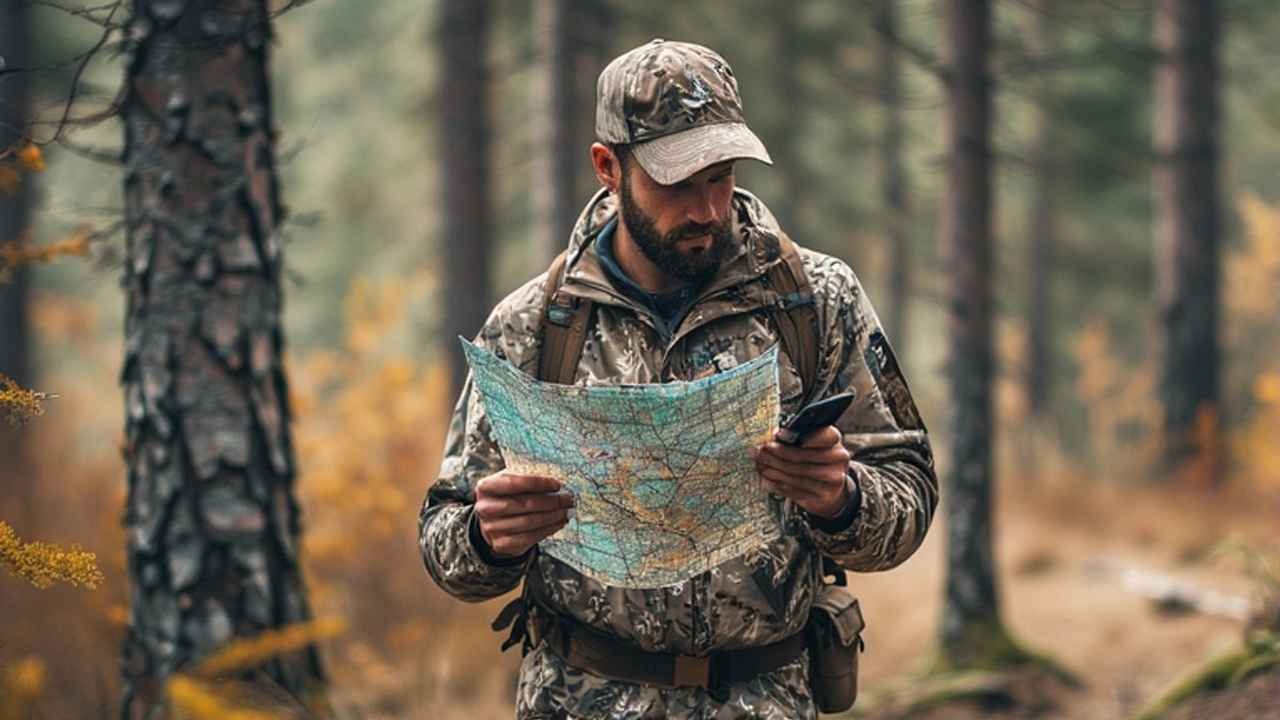
Do’s and Don’ts of Hunting on Public Land vs Private Property
Before going hunting, every hunter has to be aware of the different obstacles, rules, and moral issues that come with hunting on public vs private property. Understanding the key distinctions between these two hunting environments—whether you’re hunting turkey on a private ranch or whitetail deer on national forest land—can make the difference between a successful, legal hunt and receiving citations, strained landowner relations, or even losing your hunting rights. Private property hunting offers exclusive access, better game management opportunities, and more predictable conditions, but it requires permission, relationship building, and frequently comes with associated costs or lease agreements. In contrast, public lands typically offer free or inexpensive access to millions of acres across the United States, but come with higher hunter density, specific regulations, and limited control over the hunting environment.
You may stay in compliance with legislation, respect property borders, increase your success rates, and support hunting culture and conservation efforts by being aware of the unique rules, etiquette, and tactics for each hunting environment. This thorough guide helps you confidently and responsibly negotiate the complexities of American hunting landscapes by breaking down the key dos and don’ts for both public and private land hunting. It covers everything from access procedures and scouting tactics to safety concerns and post-harvest obligations.
Understanding the Fundamental Differences
Before diving into specific do’s and don’ts, hunters need to grasp the core distinctions between public and private hunting grounds. Public lands include national forests, Bureau of Land Management (BLM) areas, state wildlife management areas, and other government-owned properties. Private lands encompass ranches, farms, timber company holdings, and individually-owned parcels.
Key Ownership and Access Distinctions
| Aspect | Public Land | Private Property |
|---|---|---|
| Access Requirements | Generally open to licensed hunters during legal seasons | Requires explicit permission from landowner |
| Cost Structure | Free or minimal permit fees | May involve lease payments, trespass fees, or reciprocal agreements |
| Hunter Density | Often crowded, especially near access points | Typically lower pressure with controlled access |
| Hunting Pressure | High during peak seasons | Can be managed and controlled |
| Boundary Knowledge | Must research boundaries extensively | Usually clearly defined by landowner |
| Regulation Complexity | Multiple layers of federal, state, and local rules | State regulations plus landowner-specific rules |
| Management Control | Limited or no influence | Potential for habitat improvement and game management |
| Season Flexibility | Fixed by regulatory agencies | Must follow state seasons but may have property-specific restrictions |
Public Land Hunting: Essential Do’s
1. Do Obtain All Required Permits and Licenses
Public land hunting often requires multiple permits beyond your basic hunting license. Research state-specific requirements, which may include special stamps, habitat stamps, and unit-specific permits obtained through lottery systems. Always carry physical or digital copies while hunting.
2. Do Study Boundary Maps Thoroughly
Download and save offline maps from sources like OnX Hunt, HuntStand, or agency websites showing exact boundaries. Public lands frequently adjoin private property, and GPS accuracy isn’t always perfect. Understanding where you can legally hunt prevents trespassing violations.
3. Do Scout During Off-Peak Times
Visit your hunting area during weekdays or non-hunting seasons to pattern game without competition. Early season scouting reveals travel corridors, feeding areas, and bedding locations before hunting pressure alters animal behavior.
4. Do Practice Leave No Trace Principles
Pack out everything you bring in, including shell casings, food wrappers, and flagging tape. Proper outdoor ethics preserve hunting opportunities for future generations and maintain positive public perception of hunters.
5. Do Hunt Deeper into Public Lands
Most public land hunters concentrate near roads and parking areas. Penetrating one to three miles from access points significantly reduces competition and increases encounters with less-pressured wildlife. Essential wilderness navigation skills become critical for remote public land hunting.
6. Do Respect Other Hunters’ Space
If you encounter another hunter’s stand or blind, move to a different location. Crowding other hunters creates dangerous situations and demonstrates poor sportsmanship. Maintain at least several hundred yards from established positions.
7. Do Utilize Mobile Hunting Strategies
Unlike private property where permanent stands work well, public land requires adaptability. Use climbing stands, hang-on stands you can remove daily, or ground blinds to remain mobile and respond to changing conditions and hunting pressure.
8. Do Check Regulations for Specific Areas
Individual wildlife management areas may have restrictions beyond statewide regulations, including weapon limitations, hunting hour modifications, or prohibited activities. Always review area-specific rules before hunting.
9. Do Report Violations to Conservation Officers
If you witness illegal activity, poaching, or safety violations, report them immediately. Conservation officers rely on hunter reports to enforce regulations and protect resources.
10. Do Plan for Self-Recovery of Harvested Game
Public lands rarely allow vehicle access for game retrieval. Invest in game carts, pack frames, or have a solid plan with partners for moving harvested animals. Understanding essential outdoor preparation applies to multi-day public land hunts.
Public Land Hunting: Critical Don’ts
1. Don’t Assume All Public Land Is Open to Hunting
National Parks, many state parks, wildlife refuges, and certain conservation areas prohibit hunting entirely. Even within huntable public lands, specific zones may be closed during certain seasons or permanently restricted.
2. Don’t Leave Stands or Blinds Unattended Overnight (Where Prohibited)
Many public lands require removal of stands daily or prohibit them entirely. Check regulations carefully, as leaving equipment can result in confiscation and citations.
3. Don’t Hunt the Same Spot Day After Day
Pressured public land animals quickly pattern hunter behavior. Rotate between multiple locations and hunting different areas on consecutive days prevents educating wildlife to your presence.
4. Don’t Ignore the Orange Army Effect
Opening weekend of rifle season transforms public lands. Animals shift behavior dramatically due to hunting pressure. Adjust tactics to focus on security cover, hunt midday when other hunters take breaks, or consider alternative seasons.
5. Don’t Trespass on Adjacent Private Land While Tracking Wounded Game
Even when pursuing wounded animals, you cannot legally enter private property without permission. Mark the location where the animal crossed onto private land, contact the landowner immediately, and request permission before continuing recovery efforts.
6. Don’t Share Exact Locations on Social Media
Posting specific locations, GPS coordinates, or identifiable landmarks floods your productive areas with other hunters. Keep successful spots confidential or share only general regional information.
7. Don’t Cut Live Trees or Modify Habitat Without Authorization
Clearing shooting lanes, cutting branches for stands, or building permanent structures violates regulations on most public lands. Use only standing dead timber where allowed, and pack out any materials.
8. Don’t Assume Cell Service Will Be Available
Download offline maps, inform someone of your plans with specific return times, and carry emergency signaling equipment for remote public land hunts. Self-rescue capabilities prove essential in backcountry hunting scenarios.
9. Don’t Disregard Trail Cameras Belonging to Others
Other hunters’ cameras document their scouting efforts. Stealing, tampering with, or hunting directly over someone else’s camera demonstrates severe ethical violations and may constitute theft.
10. Don’t Hunt Without Understanding Recovery Regulations
Some public lands prohibit field dressing, leaving gut piles in certain locations, or require removal of all animal parts. Familiarize yourself with carcass disposal regulations specific to your hunting area.
Private Property Hunting: Essential Do’s
1. Do Obtain Explicit Written Permission
Verbal permission works, but written agreements prevent misunderstandings. Document the landowner’s name, contact information, property description, authorized hunters, allowed species, weapon restrictions, and permission duration.
2. Do Build Genuine Relationships with Landowners
Successful private land access stems from mutual respect and trust. Communicate regularly, offer assistance with property maintenance, share game photos (with permission), and express genuine appreciation beyond just hunting season.
3. Do Respect All Property-Specific Rules
Landowners may impose restrictions beyond state regulations, including prohibitions on certain stands, vehicle restrictions, guest limitations, or specific hunting zones. Honor these requirements absolutely, as they represent the landowner’s wishes for their property.
4. Do Offer Work or Value Exchange
Many landowners appreciate hunters who contribute through fence repair, invasive species removal, property maintenance, habitat improvement projects, or agricultural assistance. These exchanges strengthen relationships and demonstrate commitment beyond taking game.
5. Do Close All Gates as You Found Them
The agricultural principle “leave gates as you found them” prevents livestock escape, protects property security, and shows basic respect. If a gate was closed, close it behind you; if it was open, leave it open.
6. Do Practice Selective Harvest Aligned with Property Management Goals
Private property often involves specific management objectives like age structure improvement, doe harvest targets, or trophy management. Understand and support the landowner’s vision for wildlife management on their property.
7. Do Report All Harvests to the Landowner
Immediately inform landowners of successful hunts, ideally with photos (if they’re interested). This transparency builds trust and helps them understand harvest impacts on their property’s wildlife population.
8. Do Stay in Designated Areas and Routes
Avoid wandering into sensitive areas like near residences, livestock facilities, equipment storage, or crop fields unless explicitly permitted. Stick to designated access routes and hunting zones.
9. Do Introduce New Hunters Properly
If your permission includes bringing guests, always get advance approval for specific individuals. Never exceed authorized hunter numbers, and ensure guests understand and follow all property rules. Your reputation depends on their behavior.
10. Do Maintain Consistent Communication
Check in before each hunt, report unusual observations (property damage, poaching signs, injured livestock), and maintain contact throughout the season. Landowners appreciate hunters who treat their property with invested interest.
Private Property Hunting: Critical Don’ts
1. Don’t Assume Permission Continues Automatically
Always renew permission annually, even on properties you’ve hunted for years. Landowner circumstances change, and assuming continued access without communication damages relationships and may constitute trespassing.
2. Don’t Bring Uninvited Guests
Extending private land access to friends or family without explicit landowner approval violates trust and often terminates your permission permanently. Each person must be individually authorized by the property owner.
3. Don’t Share Access Information or Locations Publicly
Posting about private property hunting on social media, forums, or with acquaintances invites unwanted attention and trespassing. Protect your landowner’s privacy as you would your own.
4. Don’t Hunt During Restricted Agricultural Operations
Avoid hunting during sensitive farming activities like planting, harvesting, calving seasons, or when farm equipment is operating. Coordinate with landowners about timing to prevent interference with their livelihood.
5. Don’t Overhunt the Property
Excessive hunting pressure on small private parcels pushes game onto neighboring lands and reduces long-term opportunities. Practice restraint, allow areas to rest, and prioritize sustainability over immediate success.
6. Don’t Leave Any Trace of Your Presence
Remove all stands, trash, flagging, shell casings, and evidence of field dressing. The landowner should find their property in equal or better condition than before your hunt. Understanding common mistakes hunters make helps maintain access.
7. Don’t Shoot Toward Buildings, Roads, or Property Lines
Maintain extreme awareness of safe shooting directions. Never take shots that could send projectiles toward structures, occupied areas, or across property boundaries, regardless of backstop or distance.
8. Don’t Modify Property Without Permission
Creating food plots, building permanent stands, trimming trees, or making any property alterations requires explicit landowner approval. What you view as improvements may conflict with their land management plans.
9. Don’t Hunt Immediately Along Property Boundaries
Respect neighboring properties by maintaining distance from boundary lines. Wounded game crossing boundaries creates complications, and hunting pressure along edges pushes animals onto neighboring lands.
10. Don’t Forget to Express Genuine Gratitude
Beyond verbal thanks, tangible expressions like game meat shares (where legal), thank-you notes, gift cards, or assistance with property needs demonstrate authentic appreciation. Landowners can easily revoke access, so never take the privilege for granted.
Safety Considerations: Public vs Private Land
Public Land Safety Priorities
| Safety Factor | Considerations | Recommended Actions |
|---|---|---|
| Hunter Density | High numbers of unknown hunters in area | Wear required blaze orange, use elevated stands for visibility |
| Unknown Terrain | Unfamiliar landscape hazards | Scout thoroughly, carry GPS and basic first aid supplies |
| Communication Gaps | Cannot coordinate with other hunters | Establish visible presence, avoid sneaking through areas silently |
| Emergency Response | Longer emergency services response times | Carry satellite communicator, inform others of exact location |
| Vehicle Security | Unattended vehicles at trailheads | Remove valuables, use anti-theft devices, park in visible areas |
Private Property Safety Priorities
| Safety Factor | Considerations | Recommended Actions |
|---|---|---|
| Known Hunter Locations | Awareness of other authorized hunters | Coordinate hunt plans, use communication devices, establish zones |
| Landowner Activities | Agricultural operations, property maintenance | Confirm no conflicting activities scheduled, maintain communication |
| Domestic Animals | Livestock, pets, working dogs present | Identify animal locations, avoid areas with livestock |
| Property Infrastructure | Buildings, equipment, machinery present | Establish safe shooting zones, know backstops thoroughly |
| Lone Hunter Scenario | Often hunting solo on private ground | Use check-in systems, carry emergency beacon, inform landowner of plans |
Strategic Hunting Approach Differences
Public Land Strategy Considerations
Pressure Adaptation: Game on public land experiences constant human presence. Focus on security cover, hunt during weather fronts when other hunters stay home, and target midday periods when hunting activity decreases. Animals often move between pressure zones during hunting hours.
Access Point Distance: The farther from parking areas, the better your odds. Quality encounters increase exponentially beyond the first mile from access points. Physical fitness determines your competitive advantage on public ground.
Transient Population Targeting: Public land animals often relocate due to pressure. Focus on transition zones, escape routes, and areas animals flee toward rather than prime feeding or bedding locations that receive excessive attention.
Minimal Equipment Approach: Lightweight, mobile setups outperform heavy permanent installations. A quality climbing stand or compact ground blind allows rapid position changes based on real-time conditions and competition from other hunters.
Private Property Strategy Considerations
Pattern Consistency: With controlled pressure, wildlife maintains more predictable patterns. Long-term scouting data remains relevant across seasons, allowing strategic stand placement based on historical movement.
Habitat Improvement Investment: Private land justifies habitat projects like hinge cutting, food plot installation, and water source development. These improvements compound over time and directly benefit your hunting success.
Comprehensive Management: Implement population management through selective harvest, predator control (where legal and appropriate), and mineral site establishment. Shape the wildlife population to match landowner goals.
Permanent Infrastructure: Fixed stand locations, established shooting houses, and maintained access trails make sense on private property. The investment pays dividends across multiple seasons without theft concerns.
Legal Compliance Comparison Table
| Regulation Category | Public Land Requirements | Private Property Requirements |
|---|---|---|
| Written Permission | Not required | Strongly recommended, sometimes legally required |
| Boundary Markers | Hunter responsible for knowing boundaries | Landowner and hunter share responsibility |
| Equipment Regulations | Specific restrictions by area | State regulations apply, plus landowner rules |
| Access Hours | Often restricted to shooting hours only | May have 24-hour access or specific restrictions |
| Vehicle Use | Restricted to designated roads/parking | Depends on landowner permission |
| Camping/Overnight | Often prohibited or requires permits | Requires specific landowner authorization |
| Guest Allowance | Generally anyone with proper licenses | Strictly controlled by landowner |
| Season Enforcement | Exact state season dates | Cannot hunt outside state seasons |
| Weapon Restrictions | May vary by management area | State minimums apply, landowner may add restrictions |
| Harvest Reporting | Required to state agency | Required to state agency, courtesy to landowner |
Scouting Tactics for Each Environment
Public Land Scouting Essentials
Trail cameras on public land require strategic placement and security measures. Use lockboxes, camouflage cameras thoroughly, and check them infrequently to avoid establishing patterns. Place cameras on less obvious trails away from main access points. Focus on transition zones between bedding and feeding areas rather than obvious scrape lines that attract other hunters’ attention.
Electronic scouting using mapping applications provides incredible intelligence. Study topography for funnels, saddles, and terrain features that concentrate game movement. Identify potential stand locations that offer access routes minimizing scent contamination of primary areas. Look for natural barriers that limit human penetration.
Physical scouting during off-season months reveals sign without alerting game to hunting pressure. Late winter through early spring shows previous season patterns through shed antlers, rub lines, and trail networks. Summer scouting identifies food sources and water locations before they become obvious to other hunters. Learning fundamental safety practices ensures productive scouting trips.
Private Property Scouting Essentials
Year-round access transforms private land scouting. Monthly visits throughout the year track seasonal pattern changes, food source availability, and core area establishment. Maintain detailed journals recording observations, weather conditions, and animal behavior specific to the property.
Trail camera networks on private ground can be extensive and permanent. Strategic placement covering entry/exit points, feeding areas, travel corridors, and staging zones creates comprehensive wildlife inventory. Organize cameras to age structure analysis and individual buck identification.
Coordinate scouting with landowners to avoid sensitive times. Request access during property maintenance visits or agricultural off-seasons. Offer to report observations about property conditions, fence integrity, or potential issues while scouting.
Pre-Season Preparation Checklist
Public Land Pre-Season Requirements
- ✅ Research and purchase all required licenses, permits, and stamps
- ✅ Download offline maps covering hunting area and surrounding boundaries
- ✅ Study access points and parking locations on mapping applications
- ✅ Contact wildlife management area offices for area-specific regulations
- ✅ Test GPS devices and backup navigation tools
- ✅ Prepare lightweight, mobile hunting equipment suitable for long approaches
- ✅ Develop physical fitness for remote access hunting
- ✅ Create emergency plan with check-in protocols
- ✅ Review previous season’s harvest data for the specific area
- ✅ Identify backup locations if primary area shows excessive pressure
Private Property Pre-Season Requirements
- ✅ Contact landowner to renew permission and discuss any access changes
- ✅ Clarify management goals and preferred harvest parameters
- ✅ Schedule property visits for stand preparation and maintenance
- ✅ Discuss other authorized hunters and coordination strategies
- ✅ Review trail camera data with landowner (if they’re interested)
- ✅ Offer work exchange or property assistance before season
- ✅ Confirm gate access codes, locked entrance procedures
- ✅ Identify any new property restrictions or sensitive areas
- ✅ Establish communication protocols for hunt days
- ✅ Document updated permission in writing with clear dates
Post-Harvest Responsibilities
Public Land Post-Harvest Protocol
After successfully harvesting game on public land, immediately validate your tag per state regulations. Document the location with GPS coordinates for reference during recovery. Field dress the animal according to area-specific regulations, properly disposing of remains where permitted.
Remove the animal completely from the field, including all meat, hide, and required parts. Many states mandate removal of evidence of sex, which requires transporting specific portions. Pack out all refuse including gloves, bags, and cleaning materials.
Report your harvest through required systems immediately, whether through telephone check-in, online reporting, or physical check stations. Maintain your tagged animal with all documentation during transport and processing.
Private Property Post-Harvest Protocol
Notify the landowner immediately following your harvest with appropriate photos (if they enjoy receiving them). Many landowners appreciate knowing what came off their property. Respect their preference regarding photo sharing and communication style.
Field dress in locations that won’t disturb livestock or create issues with property aesthetics. Remove gut piles to designated locations if specified by the landowner, or place them in areas where scavengers can utilize them without creating problems.
Offer game meat to the landowner where legally permissible. Many appreciate receiving steaks, roasts, or burger as tangible thanks for access. Understand state regulations regarding game meat transfer and follow them precisely.
Building Long-Term Access to Private Land
Establishing Initial Contact
Approach landowners during off-season months when they’re less busy. Research property ownership through county records or tax assessor websites to identify decision-makers. Prepare a professional introduction explaining your hunting experience, safety commitment, and desire for responsible access.
Present yourself professionally with references from other landowners if available. Explain your hunting style, weapon choices, and what you’re seeking from the property. Be prepared to discuss your understanding of wildlife management and willingness to align with their goals.
Accept rejection gracefully. Many landowners receive numerous requests and cannot accommodate everyone. Thank them for their consideration and ask if circumstances might change in future seasons. Leave positive impressions for potential future opportunities.
Maintaining Long-Term Relationships
Consistency and reliability separate temporary access from multi-generational hunting privileges. Communicate regularly throughout the year, not just during hunting season. Remember important dates for the landowner, congratulate them on farming successes, and show genuine interest in their operation.
Provide value beyond hunting access. Assist with projects, offer specialized skills (mechanical, carpentry, equipment operation), and be available when they need help. The hunting access becomes secondary to a genuine friendship.
Include younger generations where appropriate. If the landowner has children or grandchildren interested in hunting, offer mentorship and include them in your hunting activities when the landowner approves.
Common Mistakes on Public Land
Hunters frequently underestimate public land competition and overestimate their wilderness skills. Arriving at popular trailheads on opening morning guarantees you’ll be hunting pressured animals. Early season midweek hunts or alternative seasons face dramatically lower hunter density.
Inadequate physical preparation limits public land success. Trophy animals on heavily hunted ground inhabit remote areas requiring significant physical effort to access. Building cardiovascular fitness and leg strength months before season makes the difference between successful hunts and watching other hunters from parking areas.
Poor navigation skills lead to trespassing violations and dangerous situations. Relying solely on GPS without paper map backups creates problems when electronics fail. Practice navigation skills, understand topographic map reading, and develop wilderness orientation capabilities before remote hunts.
Common Mistakes on Private Property
Taking access for granted destroys relationships faster than any other factor. Assuming permission continues without annual renewal or failing to communicate about specific hunt plans demonstrates disrespect. Landowners remember hunters who value the privilege and distinguish themselves through appreciation.
Exceeding boundaries or exploring unauthorized areas violates trust permanently. Even curiosity-driven wandering into restricted zones makes landowners uncomfortable about your judgment and reliability. Strict adherence to designated hunting areas proves your trustworthiness.
Poor guest behavior reflects directly on you. Bringing friends who damage property, disrespect rules, or fail to express gratitude to landowners often results in complete access termination for everyone involved. Carefully vet anyone you bring to private property and accept responsibility for their actions.
Weather and Timing Strategies
Public Land Weather Advantages
Adverse weather conditions clear public land of fair-weather hunters. Light rain, cold fronts, and moderate winds that don’t eliminate game movement create premium opportunities. Many hunters abandon plans during challenging weather, providing windows when animals return to normal patterns with minimal human pressure.
Midweek hunts during unseasonable weather produce exceptional results. The combination of low hunter density and weather-driven game movement creates ideal scenarios. Monitor weather patterns and plan vacation days around cold fronts, early snow events, or post-storm clearings.
Private Property Weather Strategies
Controlled access allows hunting during optimal conditions without competition concerns. Focus on peak movement periods including pre-frontal activity when barometric pressure drops trigger increased feeding behavior. Post-frontal stabilization periods also concentrate movement as animals recover from hunkering during storm passage.
Understanding property-specific patterns regarding weather influences requires years of observation. Note which wind directions make certain stands huntable, how precipitation affects game preference for specific food sources, and how temperature swings alter daily movement timing.
Technology and Equipment Considerations
Public Land Technology Essentials
- Mapping Applications: OnX Hunt, HuntStand, or BaseMap with downloaded offline maps
- GPS Devices: Backup handheld GPS units with extra batteries
- Communication: Satellite communicators for areas without cell coverage
- Game Carts: Wheeled carts or pack frames for meat transportation
- Lightweight Stands: Mobile climbing stands or portable hang-on sets
- Emergency Gear: Complete survival kit appropriate for region and season
Private Property Technology Essentials
- Trail Camera Networks: Cellular cameras with cloud storage for remote monitoring
- Mapping Software: Property mapping tools for stand placement documentation
- Communication Systems: Two-way radios for coordinating with other hunters
- Weather Monitoring: Local weather station data specific to property location
- Range Finders: Quality optics for accurate distance determination on known shooting lanes
- Game Processing: Equipment stored on-site for efficient field care where appropriate
Ethical Considerations Beyond Regulations
Public Land Ethics
Public land belongs to everyone, including non-hunters. Leave zero trace of your presence, respect other recreational users, and represent hunting positively. Trail runners, mountain bikers, and hikers share these spaces. Friendly interactions and courteous behavior contribute to positive public perception of hunters.
Report violations even when they don’t directly affect your hunt. Poaching, littering, and illegal activity on public lands damages everyone’s opportunities. Conservation officers depend on ethical hunters to serve as their eyes and ears across vast landscapes.
Private Property Ethics
Honor the privilege of private land access with impeccable behavior. The relationship transcends simple access agreements into representations of hunting culture. Landowners judge all hunters by your actions, influencing their willingness to provide access to others.
Support landowners publicly when appropriate. Defend their property rights in conversations, acknowledge their conservation contributions, and recognize that private landowners provide crucial wildlife habitat. Their stewardship benefits entire ecosystems beyond just hunting opportunities.
State-Specific Regulation Variations
Hunter orange requirements vary significantly across states. Some mandate minimum square inches of blaze orange during all firearms seasons, others require it only during specific seasons, and some western states have no requirements for big game hunting. Research your specific state requirements before heading afield. Understanding legal hunting requirements prevents costly violations.
Trespassing penalties range from minor citations to felony charges depending on state, intent, and violation details. Some states implement strict liability for boundary violations regardless of intent, while others consider signage and marking standards. Document your boundary research and maintain proof of permission on private lands.
Sunday hunting restrictions still exist in several eastern states, though many have recently modified these laws. Verify current regulations annually as legislative changes frequently update these restrictions. Some states allow Sunday hunting on private land but prohibit it on public ground.
Frequently Asked Questions
What should I do if I accidentally trespass on private property while tracking wounded game?
As soon as you recognize that you have entered private property, stop. Use GPS to mark the spot, cautiously back out, and get in touch with the landowner as soon as you can to ask for permission to keep tracking. When contacted politely, the majority of landowners allow the retrieval of wounded game. Give an honest explanation of the circumstances, give your contact details, and respect their choice. Get in touch with local conservation officers who can help with recovery access if they refuse permission.
Can landowners set more restrictive rules than state regulations on their private property?
Yes, landowners are able to impose laws on their property that are more stringent than those set down by the state. They can set property-specific regulations, limit the number of harvests, prohibit specific weapons, limit hunting hours beyond what is required by the state, or mandate particular safety precautions. They cannot, however, permit actions that are against state law, such as taking protected animals or hunting outside of permitted seasons. Whether it’s state legislation or landowner standards, always adhere to the strictest regulations.
How far from parking areas should I hunt on public land to avoid crowds?
The majority of hunting demand on public lands is concentrated 400–600 yards from major access points and parking lots. If you push more than one mile, you will see fewer hunters, and if you push farther than two miles, you will be in much less-pressured terrain. Distance by itself, however, does not ensure success; instead, concentrate on topographical elements that restrict access, such as steep drainage systems, dense vegetation, or river crossings, which deter casual hunters regardless of distance.
Is written permission legally required for hunting private property?
Every state has different requirements. While verbal consent is accepted in some places, hunting on private property is legally prohibited in others. Written permission protects both hunters and landowners regardless of legal requirements by recording the exact permits provided, authorized persons, time limits, and agreement specifics. Even in situations when it is not required by law, it is recommended practice to always get written consent.
What are my responsibilities if I witness illegal hunting activity on public land?
Without conflict, securely record everything. Note license plates, physical attributes, GPS coordinates for places, timings, and particular behaviors that were witnessed. Use the established violation reporting hotlines to get in touch with state wildlife agents right away. Through initiatives like “Turn in Poachers” (TIP), several states provide confidential reporting. Direct confrontation of suspected offenders might lead to hazardous circumstances, therefore avoid doing so. Enforcement should be left to skilled personnel.
Can I hunt right up to private property boundaries when hunting adjacent public land?
Although it is technically legal to hunt on public land up to the border line, doing so raises moral and practical issues. Hunting pressure along borders pushes animals onto adjacent properties, shooting over boundaries is prohibited, and injured game may pass onto private property, creating recovery problems. In order to show regard for nearby landowners and lessen the likelihood of confrontation, best practices maintain respectful buffer lengths from borders, usually between 100 and 200 yards.
How do I find private land hunting opportunities without family connections?
Begin by making connections in your neighborhood, joining sports clubs there, and volunteering for conservation groups where you may interact with landowners. During the off-season, make professional offers to farmers and ranchers that highlight safety, accountability, and a readiness to help with property requirements. Be patient, provide job exchange, and cultivate real connections rather than only requesting access. Though they usually need financial commitments, have a look at hunting leasing websites. Having other landowners recommend you greatly increases your prospects.
What happens if I harvest an animal that crosses from public to private land after the shot?
This leads to a complicated legal issue. Whether you had a reasonable expectation that the animal would stay on public land at the time of the shooting determines whether recovery is permitted. Don’t chase the animal onto private property; instead, mark the spot where it crossed the line and get in touch with the proprietor right once to ask for permission to retrieve. Notify conservation officers as well, since they might be able to help with access. Though they vary greatly and typically still need landowner notification, several states have right-of-recovery statutes that permit temporary entrance for the retrieval of injured game.