
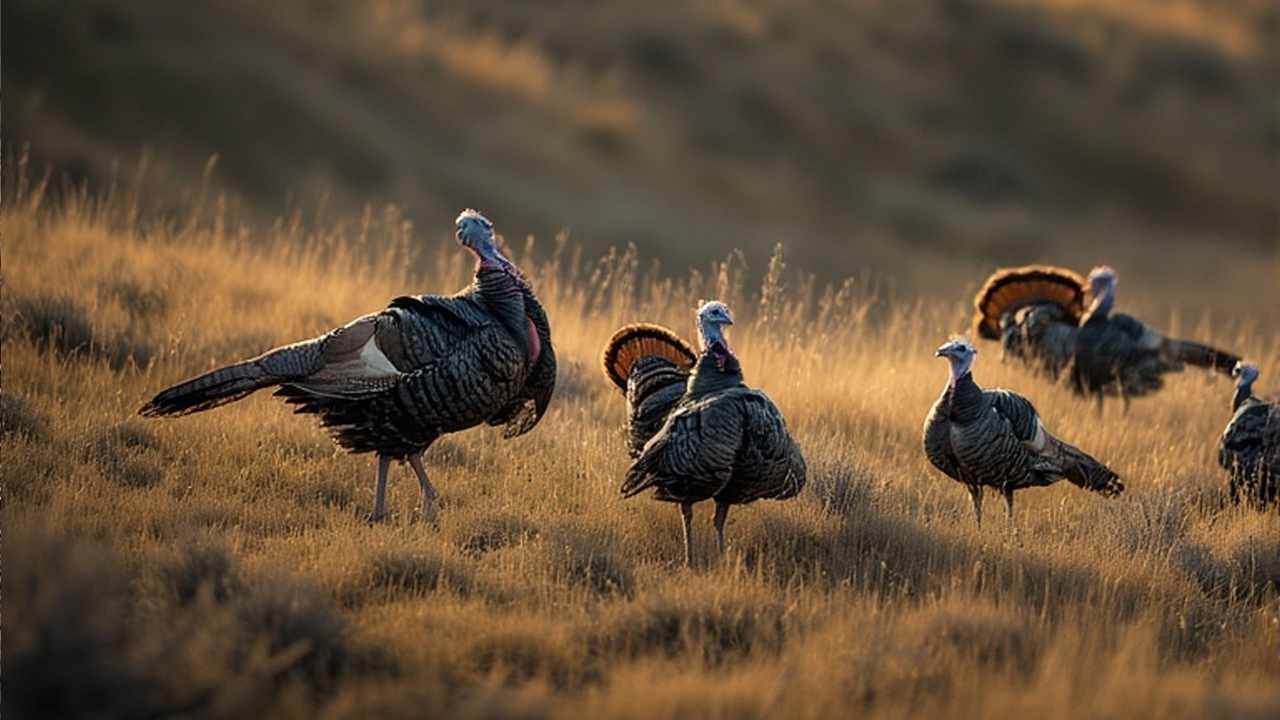
Idaho Turkey Season 2026-2027: Hunting Units, Tags, and Dates
You’re at the ideal area whether you’re getting ready to hunt gobblers in the spring or harvest crops in the fall in the Gem State. This guide tells you all you need to know about hunting wild turkeys in Idaho’s many landscapes, from the Snake River Plain to the Clearwater drainage, during the 2026–2027 hunting season. We’ll talk about the specific dates, the different zones, the licensing procedures, and the rules that help both hunters and bird populations thrive.
This resource is meant to help you hunt legally, ethically, and effectively, whether you’re a first-time hunter who wants to know if you need hunter education or a seasoned caller who wants to double-check bag restrictions.
Quick Overview Table
| Turkey Type | Season Dates (2026-2027) | Legal Methods |
|---|---|---|
| Spring (Bearded Turkey) | April 15 – May 31, 2026 | Shotgun, archery, muzzleloader |
| Fall General | October 1 – November 30, 2026 | Shotgun, archery, muzzleloader |
| Youth-Only Spring | April 11–12, 2026 | Shotgun, archery, muzzleloader |
All Turkey Seasons (Detailed Table)
| Season Name | Dates | Zones/Units | Bag Limit | Permit/Tag Notes |
|---|---|---|---|---|
| Youth Spring Hunt | April 11–12, 2026 | Statewide | 1 bearded bird | Youth must be accompanied; general license required |
| Spring General (Bearded) | April 15 – May 31, 2026 | All units statewide | 2 bearded birds per season | One bird per day; must use valid turkey tag |
| Fall General | October 1 – November 30, 2026 | Statewide | 2 turkeys (either sex) | Daily limit: 1 bird; includes hens in fall only |
| Archery-Only Fall | September 1–30, 2026 | Select units (check regs) | 1 turkey | Archery equipment only; special permit may apply |
Note: Always verify unit-specific closures or special restrictions through Idaho Fish and Game before your hunt.
More Bird Species 🕊️
While wild turkeys get most of the spotlight, Idaho offers excellent opportunities for other upland game birds. Here’s a snapshot of what else you can pursue during 2026-2027:
- Ruffed Grouse & Blue Grouse: September 1, 2026 – January 31, 2027
- Hungarian Partridge & Chukar: September 26, 2026 – January 31, 2027
- Ring-Necked Pheasant (Rooster Only): October 10, 2026 – January 31, 2027
- California & Gambel’s Quail: October 10, 2026 – January 31, 2027
These dates may vary slightly by zone, so grab the current upland game proclamation from Idaho Fish and Game to confirm details before heading into the field.
Idaho Turkey Regulations 🌾
Understanding the rules isn’t just about staying legal—it’s about respecting the resource and ensuring future generations get to experience the thrill of a gobbler answering your call at first light.
Legal Weapons
- Shotguns (10-gauge or smaller) with shot no larger than #4
- Archery tackle meeting minimum draw weight requirements
- Muzzleloaders (.40 caliber or larger)
- No rifles or handguns for turkey hunting in Idaho
Shooting Hours
- Spring: 30 minutes before sunrise to 30 minutes after sunset
- Fall: Same as spring unless otherwise posted
Land Access
- Always secure permission before stepping onto private property
- Public lands managed by the BLM, Forest Service, and state wildlife areas are generally open, but check for closures
- Respect posted boundaries and leave gates as you find them
Tagging & Transport
- Immediately attach your turkey tag to the bird after harvest
- The tag must remain with the bird until it’s processed or stored at your home
- Keep your hunting license on you at all times
Ethical & Safety Expectations
- Wear hunter orange when required (fall hunts in areas with concurrent big game seasons)
- Identify your target completely before firing—never shoot at sound or movement
- Practice firearm safety and know what lies beyond your target
- Avoid henned-up gobblers in spring to protect nesting success
From my experience preparing for spring hunts, double-checking zone maps and verifying weapon legality ahead of time saves a lot of headache—and ensures you’re ready when that longbeard steps into range.
License & Tag Fees 🎟️
Here’s what you’ll need to budget for if you’re planning to hunt turkeys in Idaho during 2026-2027:
Resident Fees
- Hunting License: $31.75
- Turkey Tag (each): $18.50
Non-Resident Fees
- Hunting License: $186.00
- Turkey Tag (each): $66.00
Youth & Senior Discounts
- Residents aged 65+ and youth (under 18) may qualify for reduced-cost licenses
- Youth licenses are typically under $15; check current pricing for exact amounts
Where to Purchase
Licenses and tags can be purchased online through the Idaho Fish and Game website, at regional offices, or through licensed vendors statewide. Many sporting goods retailers also sell hunting licenses, making it convenient to grab your tags while picking up hunting gear or shotgun shells.
No fancy upsells here—just straightforward pricing and easy access. Make sure you’ve got your tags before you hit the woods, because wardens do check, and it’s not worth the fine or the embarrassment.
License Requirements
Who Needs a License?
Anyone hunting wild turkeys in Idaho must possess a valid hunting license and turkey tag, regardless of age. Even youth hunters participating in the special early hunt need to be licensed.
Hunter Education
- All hunters born after January 1, 1975, must complete an approved hunter education course before purchasing a license
- The course covers firearms safety, wildlife identification, ethics, and survival skills
- Online and in-person options are available through Idaho Fish and Game
Age Limits
- Youth hunters (typically ages 10-17) may hunt during youth-only seasons when accompanied by a licensed adult
- Younger hunters should be supervised closely and demonstrate safe firearm handling skills
Landowner Exemptions
Idaho does offer some landowner permits in specific big game hunts, but for turkey hunting, standard licensing applies to everyone. If you own land and hunt on your own property, you still need a valid license and tag.
This system helps fund conservation programs, habitat improvements, and wildlife research—so every dollar spent on a license contributes to healthier bird populations and better hunting opportunities down the road.
FAQs Section
What’s the best time of day to hunt turkeys in Idaho?
Early morning, right around sunrise, is prime time. Gobblers are vocal on the roost and often fly down ready to respond to calls. Late afternoon can also be productive, especially in the fall when birds are moving to feeding areas.
Can beginners hunt during the general season?
Absolutely. As long as you’ve completed hunter education (if required by your birth year) and have the proper license and tags, you’re good to go. Consider pairing up with an experienced hunter for your first outing—it makes a huge difference.
Are electronic calls legal in Idaho?
Yes, electronic or mechanical calls are legal for turkey hunting in Idaho during both spring and fall. That said, many hunters prefer mouth calls or friction calls for the challenge and tradition, but the choice is yours.
Can I hunt on public land, or do I need private access?
Idaho has abundant public land options managed by the U.S. Forest Service, Bureau of Land Management, and state wildlife management areas. Most are open to hunting, though some may have seasonal closures or special restrictions. Always check current maps and regulations before heading out.
What should I do if I accidentally harvest a hen during spring season?
Spring hunts are for bearded birds only. If you mistakenly take a hen, report it immediately to Idaho Fish and Game. Honest mistakes happen, but transparency is critical—and it protects you legally.
Do I need a separate permit for hunting on wildlife management areas?
Generally, your hunting license and turkey tag are sufficient. However, some WMAs may require access permits or have special rules, so review the area-specific regulations on the Idaho Fish and Game website before your trip.
Is there a waiting period between harvesting two spring gobblers?
No formal waiting period exists, but you can only harvest one bird per day. If you tag out on your first bird in the morning, you’ll need to wait until the next day to pursue your second.
Conservation & Safety
Idaho’s turkey hunting regulations aren’t arbitrary—they’re rooted in decades of wildlife research and population monitoring. Limiting spring harvests to bearded birds protects hens during nesting, while fall hunts help manage overall population levels in areas where birds are abundant. By following bag limits and reporting your harvest accurately, you’re directly supporting the long-term health of wild turkey flocks across the state.
Quick Safety Reminders:
- Treat every firearm as if it’s loaded
- Never shoot at sound, color, or movement—always identify your target
- Avoid wearing red, white, or blue clothing (colors that resemble a gobbler’s head)
- Let someone know where you’ll be hunting and when you plan to return
- Carry a first-aid kit, especially if you’re heading into remote backcountry
Respecting private land boundaries and practicing Leave No Trace principles on public ground keeps access open for everyone. If you pack it in, pack it out—and always close gates behind you.
Conclusion
During the 2026–2027 cycle, hunting wild turkeys in Idaho will take you to a wide range of landscapes, from sagebrush plains to timbered ridges. Knowing the regulations, appreciating the resource, and preparing ahead can help you catch a noisy spring gobbler or a quiet fall flock.
Before you go, make sure your dates are correct, your zone is correct, and you have your license and tags. Also, check with Idaho Fish and Game for any last-minute changes. Good luck out there with tight lines and clear shots.
For hunters exploring opportunities in neighboring states, you might also find useful information in guides like the California turkey season or Colorado turkey season resources. Additionally, the Idaho Department of Fish and Game remains your primary source for official proclamations and real-time regulation updates.