
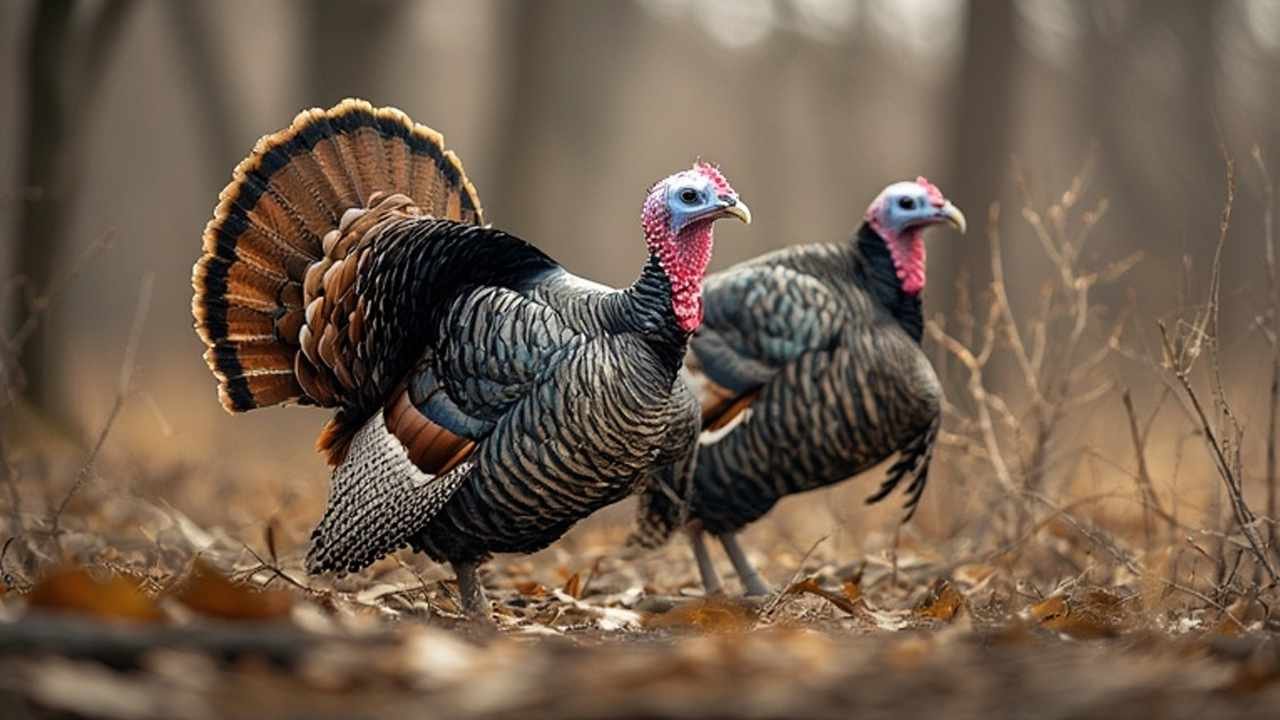
Indiana Turkey Season 2026-2027: Spring Hunting Overview
You’re in the right place if you’ve been waiting all winter to hear those unmistakable gobbles resound through the Hoosier hardwoods. This guide tells you everything you need to know to plan a successful spring or autumn hunt in Indiana. It includes the precise dates, zone breakdowns, gear requirements, and rules that keep both hunters and wild birds healthy. Knowing the regulations and seasons ahead of time means you can spend more time in the field and less time at the check station, whether you’re a first-time caller or a seasoned pro.
Quick Overview Table
| Bird Type | Season Dates (2026–2027) | Legal Methods |
|---|---|---|
| Wild Turkey (Spring Youth) | April 18–19, 2026 | Shotgun, archery, approved muzzleloader |
| Wild Turkey (Spring Regular) | April 22 – May 10, 2026 | Shotgun, archery, approved muzzleloader |
| Wild Turkey (Fall Firearms) | October 10–18, 2026 | Shotgun, archery, approved muzzleloader |
| Wild Turkey (Fall Archery) | October 1 – November 29, 2026 | Archery equipment only |
Dates are subject to final confirmation by the Indiana Department of Natural Resources (DNR). Always verify before your hunt.
All Turkey Seasons (Detailed Table)
| Season Name | Dates | Zones/Regions | Bag Limit | Permit Details |
|---|---|---|---|---|
| Spring Youth | April 18–19, 2026 | Statewide | 1 bearded bird | Youth hunting license; adult supervision required |
| Spring Regular | April 22 – May 10, 2026 | Statewide | 1 bearded bird | Base hunting license + turkey permit |
| Fall Firearms | October 10–18, 2026 | Statewide | 1 bird (either sex) | Base hunting license + fall turkey permit |
| Fall Archery | October 1 – November 29, 2026 | Statewide | 1 bird (either sex) | Base hunting license + archery deer/turkey permit |
Indiana’s spring hunts focus on mature gobblers, while fall opportunities allow harvest of either sex—helpful for population management and giving bowhunters an extended window. From my experience preparing for spring hunts, that youth opener is often one of the most rewarding weekends you can spend in the timber with a young hunter.
More Bird Species 🕊️
Indiana offers additional upland and migratory bird opportunities throughout the year. Here’s a snapshot of what else you might pursue:
- Ruffed Grouse & Bobwhite Quail: October 10 – January 10, 2027 (check local populations; quail are less common statewide)
- Mourning Dove: September 1 – November 29, 2026; December 19, 2026 – January 15, 2027
- Woodcock: September 26 – November 9, 2026
- Snipe: September 1 – December 16, 2026; December 23, 2026 – February 28, 2027
- Waterfowl (Ducks & Geese): Varies by zone; typically early September through late January
If you’re an upland enthusiast, Indiana’s mixed habitats offer solid diversity, though ruffed grouse populations have declined in recent decades. Always consult the Indiana hunting regulations and the DNR’s annual game bird summary for possession limits and any zone-specific closures.
Indiana Turkey Regulations 🌾
Staying legal and safe starts with understanding what’s allowed—and what’s not. Here’s what every Hoosier hunter should know:
- Legal Firearms: Shotguns (10-gauge or smaller, no larger than #4 shot for spring; any shot size for fall), archery equipment meeting DNR draw-weight minimums, and muzzleloaders (.44 caliber or larger, single projectile).
- Shooting Hours: One-half hour before sunrise to sunset during spring; one-half hour before sunrise to one-half hour after sunset in fall firearms season. Fall archery follows the same sunrise-to-sunset window as spring.
- Electronic Calls: Prohibited. Mouth calls, friction calls, and locator calls are your best friends.
- Decoys: Legal and highly effective, especially in open ag fields. Just make sure you’re visible to other hunters—safety orange on your back is smart even when not required.
- Tagging & Transport: Immediately attach your game tag to the bird’s leg after harvest. Keep the tag on during transport and field dressing. You’ll need to check your bird within 48 hours if required by your county.
- Hunter Orange: Not mandatory for spring hunts, but highly recommended when moving through the woods. During fall firearms season, you must wear at least 144 square inches of orange on your chest and back.
- Public vs. Private Land: State forests, fish and wildlife areas, and enrolled Hoosier National Forest lands are open to hunting unless posted. Always respect private property boundaries and secure landowner permission in writing when possible.
- Hunting from Vehicles or Roads: Illegal. You must be completely off the roadway and your vehicle must be legally parked.
- Ethical Practices: Take only clean, humane shots. Respect other hunters’ setups—crowding a setup is both rude and potentially dangerous.
Conservation officers patrol actively during opener weekends, so double-check your gear, your tags, and your shooting hours before heading out.
License & Tag Fees 🎟️
Here’s what you’ll pay to get in the game for 2026–2027. Prices are set by the DNR and help fund habitat work, access programs, and wildlife research.
Resident Hunters:
- Base Hunting License: ~$25 (annual)
- Spring Turkey Permit: ~$25
- Fall Turkey Permit: ~$25
- Youth License (under 18): ~$7 (includes small game and turkey privileges)
Non-Resident Hunters:
- Base Hunting License: ~$150 (annual)
- Spring Turkey Permit: ~$50
- Fall Turkey Permit: ~$50
Additional Notes:
- Senior residents (65+) and Hoosier veterans with service-connected disabilities may qualify for reduced or free licenses.
- Licenses and permits can be purchased online through the Indiana DNR license portal, at authorized retailers statewide, or by phone. Buying early avoids last-minute website traffic and ensures your permits are in hand before opening day.
- If you plan to hunt on public land access programs, double-check whether additional permits or reservations are required—especially on high-demand properties.
No promotional language here—just straightforward cost info so you can budget accordingly. Investing in hunting licenses directly supports habitat management and keeps public lands accessible.
License Requirements
Not everyone needs the same paperwork. Here’s the breakdown:
- Who Needs a License? Anyone 18 or older must carry a valid Indiana hunting license and the appropriate turkey permit. Youth hunters (under 18) need a youth license or must be exempt under certain landowner provisions.
- Hunter Education: If you were born after December 31, 1986, you must complete an approved hunter education course before purchasing a license. Indiana recognizes online and in-person courses, as well as out-of-state certifications. Carry your hunter education card in the field.
- Landowner Exemptions: Residents hunting on their own land (or land owned by their spouse or minor children) may be exempt from needing a base hunting license, but turkey permits are still required. Check the DNR’s landowner exemption details to confirm eligibility.
- Age Limits: No minimum age for hunting with proper supervision, but youth must be accompanied by an adult with a valid license during youth-only seasons. The supervising adult cannot hunt unless they also hold a valid permit.
Hunter education isn’t just a box to check—it’s where you learn to identify your target, handle firearms safely, and understand the ethics that make hunting sustainable. If you’re bringing kids into the sport, that youth weekend in April is an incredible opportunity to build skills and confidence before the crowds show up.
FAQs Section
1. What’s the best time of day to hunt turkeys in Indiana?
Early morning is king during spring. Gobblers are most vocal right after fly-down, typically 30 minutes to two hours after sunrise. Midday lulls happen, but late morning can surprise you if birds are henned up early and break off later. In fall, patience pays—birds are less vocal, so scouting food sources and calling softly near roosting areas works well.
2. Can a complete beginner hunt turkeys in Indiana?
Absolutely. Start with the youth hunt if you’re under 18, or join an experienced mentor who can teach calling, setup, and safety. Firearms safety training is mandatory for newer hunters born after 1986, and that foundation will serve you for life. Public land workshops hosted by the DNR are also great for hands-on learning.
3. Are electronic calls allowed in Indiana?
No. Electronic or battery-powered calls are illegal for turkey hunting statewide. Stick with mouth diaphragms, box calls, slate calls, or other manual friction devices. This rule preserves the skill-based tradition of the hunt and reduces pressure on call-shy birds.
4. Can I hunt on public land without special permission?
Yes, most state forests, wildlife areas, and other DNR properties are open to hunting without reservations. However, some high-traffic areas may require permits or have quota systems during peak season. Always check property-specific regulations on the DNR website or call the property office before your trip. For neighboring state options, you might explore Illinois turkey season opportunities if you’re near the border.
5. What happens if I accidentally harvest a hen during spring season?
Immediately tag the bird and report it to a conservation officer or the DNR. Mistakes happen, but honesty and prompt reporting show responsibility. Penalties vary depending on circumstances, but cooperation and transparency typically result in lighter consequences than attempting to conceal a violation.
6. Do I need hunter orange for turkey hunting?
Not during spring, but it’s wise to wear orange on your back when walking to and from your setup. During the fall firearms season, you must wear at least 144 square inches of blaze orange on your chest and back. Camouflage your front for the bird, but stay visible to other hunters.
7. Can I use a crossbow for turkey hunting?
Yes, if you meet Indiana’s archery equipment standards. Crossbows must have a minimum draw weight of 125 pounds and be equipped with bolts at least 16 inches long. Crossbows are legal during both archery and firearms turkey seasons, making them a versatile option for hunters with physical limitations or those new to bowhunting.
Conservation & Safety Add-Ons
Why Regulations Matter
Indiana’s structured seasons and bag limits aren’t arbitrary—they’re rooted in decades of wildlife biology and population monitoring. Spring hunts target adult males after breeding displays begin, ensuring hens are left undisturbed during nesting. Fall hunts allow either-sex harvest to balance populations where numbers are strong. License fees and federal excise taxes on hunting gear fund habitat restoration, research, and access programs that benefit not just turkeys, but all wildlife.
Wild turkey populations in Indiana have rebounded dramatically since reintroduction efforts in the mid-20th century. That success is a direct result of science-based management and hunter cooperation. When you follow the rules, you’re part of that legacy.
Safety Reminders
- Identify your target completely before shouldering your gun. Never shoot at sound, movement, or color alone.
- Avoid wearing red, white, or blue clothing—colors that resemble a gobbler’s head.
- Announce your presence when approaching another hunter’s setup or when leaving your position.
- Keep your back against a tree wider than your shoulders when calling. This protects you from unseen approaches and makes you less visible to other hunters.
- Use a flashlight when walking in the dark, and store it once you’re set up.
- Tell someone your hunting location and expected return time before heading out.
Turkeys test your patience. Other hunters shouldn’t test your safety. Stay alert, stay visible when moving, and respect the woods.
Conclusion
To plan a successful hunt in Indiana, you need to know the dates, the rules, and how to respect the resource. Indiana is a great place for hunters who are prepared to put in the effort. You may chase spring longbeards in the rolling hills of southern counties or slide through fall hardwoods with a bow. Before opening day, make sure you have the right permits, check the shooting hours, and get any last-minute changes from the Indiana Department of Natural Resources. The birds are out there, and how well you are ready will make a big difference.
For more detailed hunting regulations and licensing information, visit the official Indiana DNR Hunting page or explore broader hunting opportunities across the Midwest.