
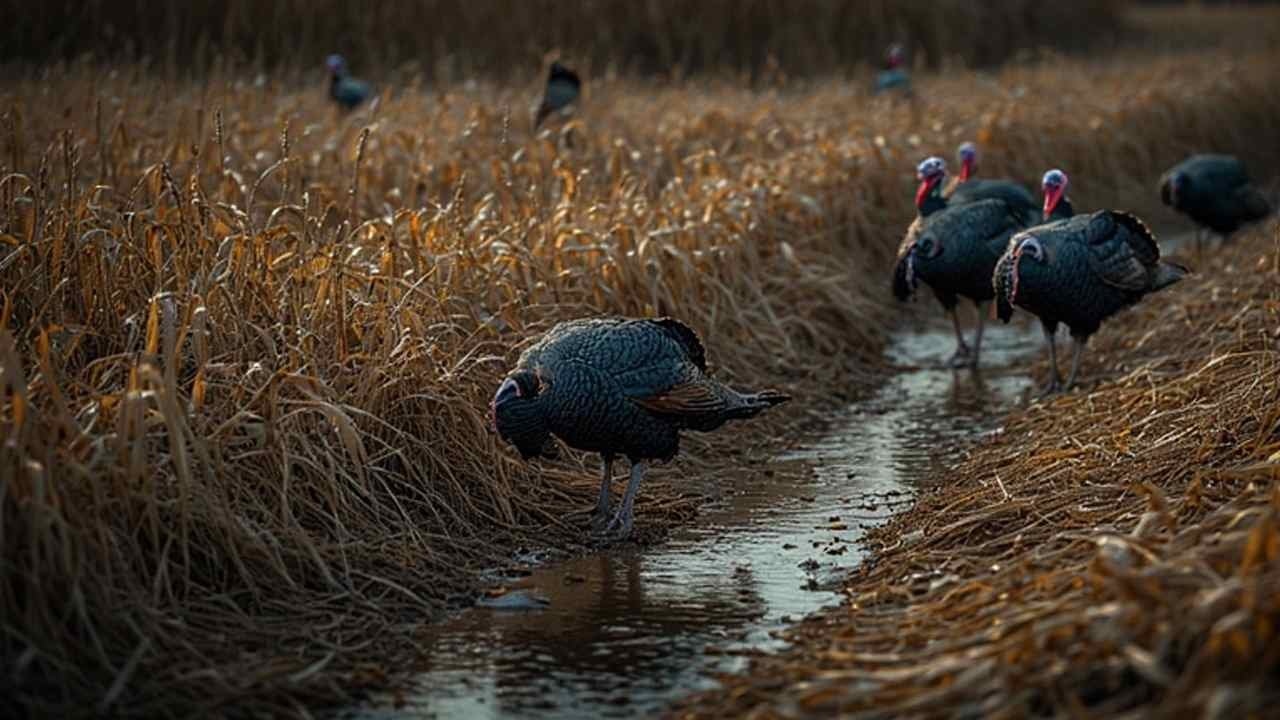
Kansas Turkey Season 2026-2027: Hunting Units and Regulations
Are you going to hunt in the Sunflower State in the spring or fall? This complete guide has all the information you need for hunting wild birds in the prairie landscapes and river valleys from 2026 to 2027. We will explain the rules, zones, and best practices to make sure you have a safe, legal, and enjoyable time outside. This includes exact dates and license needs.
It’s important to know the current laws for managing wildlife, whether you’re an experienced hunter who knows the bottomlands or a newbie who wants to learn the ropes. Let’s talk about what makes hunting in this Great Plains state both hard and very rewarding.
Quick Overview Table
| Game Bird Type | 2026-2027 Open Dates | Legal Methods |
|---|---|---|
| Wild Turkey (Spring) | April 1 – May 31, 2026 | Shotgun, archery, muzzleloader |
| Wild Turkey (Fall) | October 1 – January 31, 2027 | Shotgun, archery, muzzleloader |
| Youth Spring | March 28-29, 2026 | Shotgun, archery, muzzleloader |
All Turkey Seasons (Detailed Table)
| Season Name | Exact Dates | Zones/Regions | Bag Limit | Permit Details |
|---|---|---|---|---|
| Youth-Only Spring | March 28-29, 2026 | Statewide | 1 bearded bird | Valid hunting license + turkey permit |
| Spring Archery | April 1 – May 31, 2026 | Statewide | 2 bearded birds | Archery permit required |
| Spring Firearms | April 15 – May 31, 2026 | Statewide | 2 bearded birds | Valid firearms permit + license |
| Fall Archery | October 1 – December 31, 2026 | Statewide | 2 birds (either sex) | Fall archery permit |
| Fall Firearms | November 10 – January 31, 2027 | Statewide | 2 birds (either sex) | Fall firearms permit |
Note: Youth hunters under 16 must be accompanied by an adult with a valid license.
From my experience preparing for spring hunts, marking opening day on your calendar early and scouting public land access points in March can make all the difference when April rolls around.
More Bird Species 🕊️
While wild birds with wattles are the stars of the show, the state offers additional upland game bird opportunities worth noting:
- Pheasant: Open October 10, 2026 – January 31, 2027 (check regional unit maps for specifics)
- Quail (Bobwhite): Open November 14, 2026 – January 31, 2027
- Prairie Chicken: Limited permit season, typically early spring (check lottery details)
- Mourning Dove: Split seasons in September 2026 and December 2026 – January 2027
Each species has unique bag limits and habitat preferences. If you’re chasing ringnecks after your spring gobbler hunt wraps up, consider exploring the Iowa turkey season or neighboring states with extended upland bird opportunities.
Kansas Turkey Regulations 🌾
Staying within legal boundaries protects wildlife populations and ensures everyone has a fair chance. Here’s what you need to know:
- Legal Weapons: Shotguns (10-gauge or smaller), archery equipment meeting draw weight minimums, muzzleloaders (.40 caliber or larger)
- Shooting Hours: One-half hour before sunrise to sunset (no night hunting)
- Land Access: Permission required on private property; public wildlife areas and Walk-In Hunting Access (WIHA) lands open to permitted hunters
- Tagging Requirements: Immediately attach harvest tag upon taking a bird; transport with tag visible
- Electronic Calls: Legal during fall hunts; prohibited during spring firearms and archery seasons (check current year regulations)
- Baiting Prohibited: Hunting over bait, including feed piles or attractants, is illegal
- Ethical Practices: Take only clean shots within effective range; practice firearm safety at all times; respect other hunters and landowners
These rules aren’t just red tape—they’re rooted in decades of conservation science aimed at maintaining healthy populations for future generations.
License & Tag Fees 🎟️
Understanding costs upfront helps with budgeting your outdoor adventures. Here’s the breakdown for 2026-2027:
Resident Pricing:
- Hunting License: $42.50
- Spring Permit: $12.50
- Fall Permit: $12.50
- Combination Spring + Fall Permit: $22.50
Non-Resident Pricing:
- Hunting License: $97.50
- Spring Permit: $52.50
- Fall Permit: $52.50
Discounts:
- Youth (under 16): Discounted license at $17.50; permits at standard rates
- Senior (65+): Reduced lifetime license options available
- Landowner/Tenant: May qualify for free permits on own property (conditions apply)
Licenses can be purchased online through the Kansas Department of Wildlife and Parks website, at authorized retail vendors statewide, or by phone. I always recommend buying early—especially for limited-quota units where permits can sell out fast.
For hunters exploring multiple states, comparing permit structures like those found in the Colorado turkey season can help you plan multi-state trips more efficiently.
License Requirements
Who needs what? Let’s break it down:
- General Rule: Anyone 16 or older pursuing game birds must possess a valid hunting license and appropriate permits
- Hunter Education: Required for all hunters born on or after July 1, 1957. Completion of an approved hunter safety course is mandatory before purchasing a license
- Youth Hunters: Those under 16 must have a youth license and be accompanied by an adult (21+) with a valid license when hunting
- Landowner Exemptions: Resident landowners and immediate family may hunt on their own land without a permit under specific conditions (verify eligibility annually)
- Physical Possession: Carry your license, permits, and photo ID while hunting; digital licenses accepted via mobile app
The state takes hunter education seriously, and for good reason. Firearms safety training and wildlife identification skills reduce accidents and promote ethical hunting practices.
FAQs Section
Q: What’s the best time of day to hunt gobblers in the prairie?
Early morning, just after flydown from roost trees, tends to be most productive. Birds are vocal and actively seeking hens. Evening hunts can work during fall but require patience.
Q: Can a complete beginner participate in spring hunts?
Absolutely. Complete a hunter education course, purchase the required license and permit, and consider joining a mentor or guided hunt to learn calling techniques and field safety. Many public wildlife areas offer beginner-friendly terrain.
Q: Are electronic calls allowed during spring firearms hunts?
No. Electronic calling devices are prohibited during spring archery and firearms periods. Mouth calls and manual friction calls are your best friends.
Q: How do I access Walk-In Hunting Access (WIHA) lands?
WIHA properties are privately owned lands open to public hunting through voluntary landowner agreements. Download the WIHA atlas from the state wildlife agency website, respect posted boundaries, and always leave gates as you found them.
Q: Do I need permission to hunt on state-managed wildlife areas?
No written permission is required for designated public hunting areas, but you must possess valid licenses and permits. Some areas have specific rules or seasonal closures—check area brochures before heading out.
Q: What should I do if I accidentally take a bird outside legal hours?
Immediately contact a conservation officer and self-report. Honest mistakes are handled differently than intentional violations, but transparency is critical.
Q: Can non-residents hunt on private land with permission?
Yes, as long as they hold valid non-resident licenses and permits. Landowner permission must be explicit and verifiable.
Conservation & Safety
Wildlife management in the Great Plains relies on science-based regulations to balance hunter opportunity with population sustainability. Harvest data collected through mandatory reporting helps biologists set future limits, adjust zones, and protect nesting habitats. When you follow bag limits and ethical practices, you’re directly contributing to conservation success.
Safety Reminders:
- Always positively identify your target and what’s beyond it
- Wear hunter orange when required (check upland bird regulations)
- Inform someone of your hunting location and expected return time
- Carry a first aid kit and know basic emergency procedures
- Avoid hunting alone in remote areas whenever possible
- Respect private property boundaries—trespassing damages landowner relations and hunting access for everyone
For authoritative guidance on wildlife management practices, visit the National Wild Turkey Federation, which partners with state agencies nationwide to support habitat conservation and hunter education programs.
Conclusion
The hunting chances in the Sunflower State from 2026 to 2027 will be different for both novice and experienced hunters. If you want to catch a vocal gobbler in the spring or mixed flocks in the fall, you need to know the rules, be respectful to animals, and prepare ahead.
Before you go hunting, always check the Kansas Department of Wildlife and Parks to be sure you know the current restrictions. restrictions might change every year based on population surveys and habitat circumstances. This year, have tight lines, clean shots, and safe travels. See you in the field.