
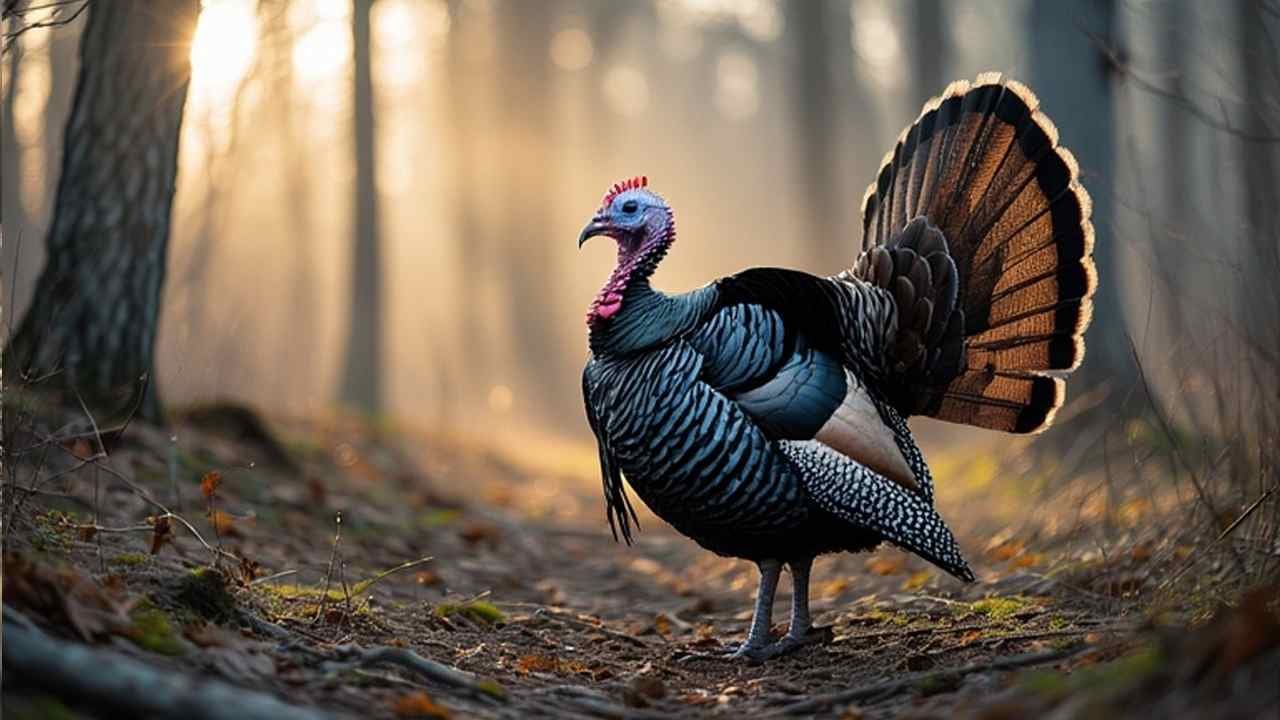
Maine’s Turkey Season 2026-2027: Spring and Fall Hunting Options
Are you planning a spring gobbler hunt or an autumn bird adventure in the Pine Tree State? This guide tells you all you need to know about hunting wild turkeys in Maine for the 2026–2027 seasons. We have everything you need to know, from the exact dates of opening and closing to bag restrictions, zone splits, and license needs. Knowing the rules and getting ready ahead of time may make the difference between a fun hunt and a frustrating one, whether you’re a first-time hunter or a pro.
Maine is a great place to hunt wild turkeys since it has a wide range of habitats, from southern hardwood hills to the thick coniferous woods in the north. The state takes good care of these birds to make sure there are plenty of them and that people may have fun outside. Let’s go into the details so you may plan your quest with confidence.
Quick Overview Table
| Turkey Type | Open Date | Close Date | Legal Methods |
|---|---|---|---|
| Spring Youth Hunt | May 2, 2026 | May 3, 2026 | Shotgun, bow, crossbow |
| Spring General (Resident) | May 4, 2026 | June 6, 2026 | Shotgun, bow, crossbow |
| Fall Hunt | October 5, 2026 | November 7, 2026 | Shotgun, bow, crossbow (either sex) |
All Turkey Seasons for 2026-2027 (Detailed Table)
| Season Name | Dates | Zones/Regions | Bag Limit | Permit Details |
|---|---|---|---|---|
| Spring Youth Hunt | May 2–3, 2026 | Statewide | 1 bearded bird | Youth hunters under 16 with licensed adult supervision |
| Spring Resident Hunt | May 4 – June 6, 2026 | Statewide | 1 bearded bird per spring permit (up to 2 permits available) | Purchase up to 2 separate spring permits |
| Fall Archery/Shotgun | October 5 – November 7, 2026 | Statewide | 1 bird of either sex | Included with big game or small game license |
| Spring Non-Resident Hunt | May 4 – June 6, 2026 | Statewide | 1 bearded bird per permit | Limited non-resident permits via lottery; apply early |
Maine’s spring hunt is the highlight for most gobbler enthusiasts. The two-day youth hunt gives younger hunters a head start, which is a great way to introduce them to the sport without the pressure of crowded woods. From my experience preparing for spring hunts in the Northeast, those first cool mornings when toms are actively gobbling at fly-down can be electric—there’s nothing quite like hearing that first thunderous call echo through a foggy hollow.
The fall opportunity is often overlooked but offers a different challenge. You can legally harvest a hen or a gobbler, and the hunting pressure is typically lighter. Many hunters are focused on whitetails by then, so if you enjoy a quieter woods experience, October and early November can be ideal.
More Bird Species 🕊️
While wild turkeys get most of the attention, Maine provides hunting opportunities for other upland game birds worth noting:
- Ruffed Grouse: October 1, 2026 – December 31, 2026 (statewide bag limit of 4 per day)
- Woodcock: October 1, 2026 – November 14, 2026 (3 per day)
- Pheasant (stocked areas): October 1, 2026 – December 31, 2026 (varies by Wildlife Management Area)
These species offer great opportunities to extend your time afield and hone your shotgunning skills. If you’re already geared up with hunting gear and a small game license, pursuing grouse or woodcock after your spring gobbler tags are filled can be incredibly rewarding.
Maine Turkey Regulations 🌾
Understanding the rules isn’t just about staying legal—it’s about respecting the resource and ensuring future generations can enjoy the same opportunities. Here’s what you need to know:
- Legal Firearms: Shotguns (10 gauge or smaller), muzzleloaders (.40 caliber or larger), bows (minimum 30 lbs draw), and crossbows are permitted.
- Shooting Hours: Spring hunts run from 1/2 hour before sunrise to sunset. Fall hunts follow the same schedule.
- Decoys and Calls: Both are legal. Electronic calls are prohibited during spring hunts but allowed in fall.
- Tagging Requirements: Successful hunters must immediately attach the transportation tag to the bird and register the harvest within 18 hours (online or at an authorized agent).
- Land Access: Always obtain written permission before hunting private property. Respect posted boundaries and gates.
- Prohibited Practices: No hunting from vehicles, no use of live decoys, no baiting, and no shooting turkeys in trees (unethical and often unsafe).
- Hunter Orange: Not required for spring hunts, but strongly recommended during fall when other hunters may be pursuing deer or other game.
- Safety First: Always positively identify your target. Never stalk a gobbling bird—set up and call instead. Wear camouflage that includes some blaze orange on your back during fall hunts.
These regulations exist for good reasons. Shooting hours protect birds during vulnerable roosting times. Tagging and reporting requirements help biologists monitor population health and adjust management strategies. And the ban on electronic calls during spring preserves the fair-chase nature of the hunt while reducing disturbance to nesting hens.
License & Tag Fees 🎟️
Here’s a breakdown of what you’ll pay to hunt wild turkeys in Maine for the 2026-2027 period:
Residents:
- Spring Turkey Permit (1st): $22
- Spring Turkey Permit (2nd): $22
- Hunting License (required if you don’t have one): $27
- Junior Hunting License (ages 16-17): $9
Non-Residents:
- Spring Turkey Permit: $71 (limited availability; lottery application required)
- Non-Resident Hunting License: $115
- Small Game License (covers fall turkeys): $48
Where to Purchase:
Licenses and permits can be purchased online through the Maine Department of Inland Fisheries and Wildlife (MDIFW) website, at authorized agents throughout the state (sporting goods stores, town offices), or by phone. I recommend buying online for convenience—you’ll get your confirmation immediately and can print your license at home.
Youth and senior discounts are available for some licenses, so check the MDIFW site for eligibility. If you’re a non-resident planning a spring hunt, apply for the lottery early. Permits are allocated in late winter, and popular Wildlife Management Areas fill quickly.
License Requirements
Not everyone needs the same credentials to hunt in Maine. Here’s who needs what:
- General Hunters (16+): Must possess a valid Maine hunting license and appropriate turkey permit(s).
- Hunter Education: Anyone born after January 1, 1975, must complete a hunter safety course approved by MDIFW before purchasing a license. This applies to both residents and non-residents.
- Youth Hunters (10-15): Must be accompanied by a licensed adult (21 or older) and have completed hunter education. The supervising adult must remain within arm’s reach and not carry a firearm themselves during the youth hunt.
- Landowner Exemptions: Maine residents who own 10+ acres may hunt on their own land without a license, but they still need a turkey permit and must follow all regulations.
- Military/Disabled Veterans: Eligible Maine residents may qualify for reduced-cost or free licenses. Check with MDIFW for details.
Firearms safety training isn’t just a box to check—it’s foundational knowledge that keeps you and others safe in the field. If you’re new to hunting or bringing a young person into the sport, take the time to find a quality course. Many are offered through local fish and game clubs or community education programs.
FAQs Section
Q: What’s the best time of day to hunt wild turkeys in Maine?
Early morning right after fly-down is prime time during spring. Gobblers are vocal, hens are still on roost, and you can often strike up a conversation with calling. Late morning (9 AM–noon) can also be productive once hens leave to nest and toms start searching. Evening hunts are legal but generally less active.
Q: Can a beginner hunt turkeys in Maine, or do I need prior experience?
Absolutely—beginners are welcome! Just make sure you’ve completed hunter education if required by age, and consider tagging along with an experienced hunter your first time out. Many local sportsmen’s clubs also offer mentored hunts. Watching someone set up, call, and react to a gobbler teaches you more than any article can.
Q: Are electronic calls allowed during spring hunts?
No. Electronic or recorded calls are prohibited during the spring season. You’ll need to rely on friction calls, box calls, diaphragms, or other manual devices. This rule preserves the challenge and tradition of calling birds in yourself. During fall, electronic calls are legal.
Q: Is there a difference between hunting public land and private land in Maine?
Yes. Public land access is generally open to licensed hunters, but some Wildlife Management Areas have specific regulations or require separate permits. Always check signage and MDIFW maps. On private property, you must have written permission from the landowner. Many large timber companies allow public access for hunting—research those opportunities if you lack private land connections.
Q: Can I hunt turkeys on Sundays in Maine?
Yes! Maine allows Sunday hunting statewide, which is a nice flexibility compared to some neighboring states. Just be mindful of increased recreational activity on weekends—hikers, bikers, and other outdoor enthusiasts may be sharing the same trails and forests.
Q: What should I do if I harvest a turkey late in the day and can’t register it within 18 hours?
Plan ahead. Most online registration systems are available 24/7. If you’re in a remote area without cell service, note the time of harvest and register as soon as you have connectivity. Tagging the bird immediately with your transportation tag is mandatory and covers you until formal registration.
Q: Do I need a separate license for fall turkey hunting?
If you already have a valid Maine hunting license or small game license, fall turkeys are included—no separate permit needed. Just follow the bag limit of one bird and comply with tagging requirements.
Conservation and Why These Regulations Matter 🌿
Maine’s wild turkey populations weren’t always robust. In fact, turkeys were nearly extirpated from the state by the early 1900s due to unregulated hunting and habitat loss. Restoration efforts beginning in the 1970s—including careful trapping and transplanting programs—brought these magnificent birds back. Today’s regulations reflect decades of wildlife management science aimed at sustaining healthy flocks while allowing quality hunting opportunities.
Bag limits, seasonal timing, and method restrictions all help balance harvest with reproduction. Spring hunts target male birds after breeding is underway, minimizing impact on nesting hens. Fall hunts allow either-sex harvest but occur after young birds are independent. Mandatory reporting gives biologists real-time data to adjust future seasons if populations fluctuate.
By following the rules and practicing ethical hunting, you’re directly contributing to conservation. License fees fund habitat improvements, research, and enforcement. Every tagged bird helps inform management decisions that benefit all wildlife.
Safety Reminders
Hunting turkeys comes with unique risks. Here are a few safety tips to keep top of mind:
- Positively Identify Your Target: Never shoot at movement, sound, or color alone. Confirm you’re looking at a legal bird before pulling the trigger.
- Choose Your Setup Wisely: Sit against a tree wider than your shoulders and avoid setting up in thick cover where you’re not visible to other hunters.
- Avoid Stalking: Don’t sneak toward a gobbling bird. That’s how accidents happen. Set up, call, and let the bird come to you.
- Wear Camouflage Thoughtfully: Cover your hands, face, and head, but consider adding blaze orange on your back or cap during fall when deer hunters are afield.
- Communicate: If you’re hunting with others, maintain awareness of their locations and never swing your firearm across another person’s position.
Turkey hunting is one of the most thrilling pursuits in the woods, but it demands focus and discipline. A moment of carelessness can have tragic consequences. Stay sharp, stay safe, and enjoy the experience.
Respect Public Access and Private Land
Maine is fortunate to have extensive public hunting land, but that access is a privilege, not a right. Treat every acre—public or private—with respect. Pack out your trash, close gates, stay on designated trails where required, and avoid disturbing livestock or property.
If you’re hunting private land, a simple thank-you note or offer to help with chores goes a long way in maintaining good relationships with landowners. These gestures help ensure hunting access remains available for everyone.
Public land access can sometimes feel competitive, especially near urban areas or popular Wildlife Management Areas. Scout early, be flexible, and don’t be afraid to hike deeper than most. Some of the best hunting happens where the crowds thin out.
Conclusion
In Maine, hunting wild turkeys during the 2026–2027 seasons is a great way to connect with nature, test your abilities, and help protect the environment. It makes all the difference to be prepared and know what you’re doing, whether you’re hunting a spring gobbler in the hardwoods or an autumn bird in the mixed woodlands. Before you go, double-check the dates, get your permits early, and always check with the Maine Department of Inland Fisheries and Wildlife to be sure you know the rules.
Take care of the resource, put safety first, and enjoy every sunrise in the woods. This year, you get tight patterns and complete fans.
If you’re curious about how other states manage their gobbler populations, check out our guides on Connecticut’s spring opportunities or Kansas spring regulations. For more local insights, visit our Maine hunting seasons overview.
You can also explore official resources from the National Wild Turkey Federation for conservation updates and hunting tips, or review detailed state regulations on the Maine Department of Inland Fisheries and Wildlife website to ensure you’re fully prepared.
Disclaimer: This guide is for informational purposes only. Regulations can change, and it’s the hunter’s responsibility to verify all dates, limits, and legal requirements with the Maine Department of Inland Fisheries and Wildlife before hunting. Always hunt ethically, legally, and safely.