
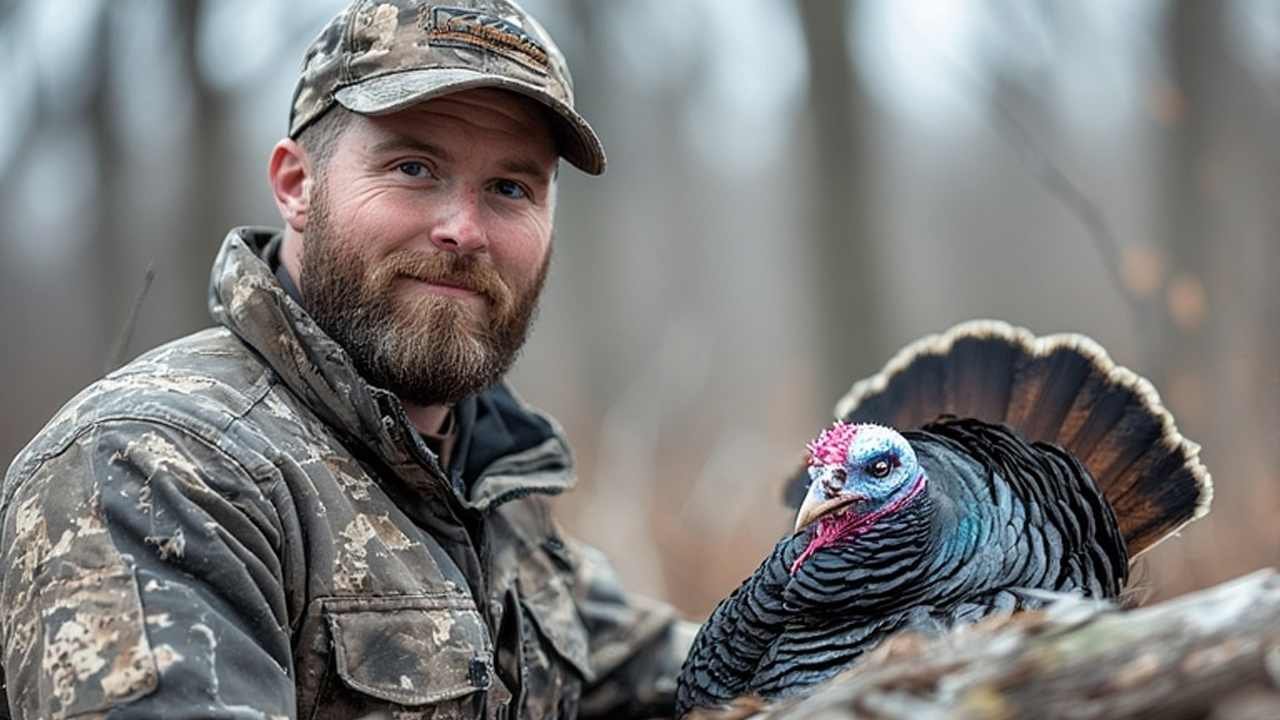
Michigan Turkey Season 2026-2027: Unit-Based Hunting Dates
If you’ve ever heard a wild tom’s deep gobble echoing through a foggy Michigan morning, you know why spring is the best time for hunters in the Great Lakes State. This guide tells you everything you need to know about the hunting seasons in 2026 and 2027. It includes dates, management units, licensing requirements, and ethical practices. If you know the rules set by the Michigan Department of Natural Resources (DNR), you’ll be ready for opening day, whether it’s your first time or you’ve done it before.
Quick Overview: What to Expect
Over the past few decades, Michigan’s wild bird population has grown back beautifully. This makes it one of the best places in the Midwest to hunt Eastern wild types. There are many chances to hunt in the spring and fall of 2026–2027. Each time has its own rules for bag limits, weapon choices, and hunting methods. There are detailed zone breakdowns, licensing options for both residents and non-residents, and important safety tips to make sure your experience is both fun and safe.
| Bird Type | Primary Dates | Legal Methods |
|---|---|---|
| Eastern Wild (Spring Youth) | April 18–19, 2026 | Shotgun, bow, crossbow |
| Eastern Wild (Spring General) | April 20 – May 31, 2026 | Shotgun, bow, crossbow |
| Eastern Wild (Fall) | October 1 – November 14, 2026 | Shotgun, bow, crossbow |
Note: Always verify specific zone dates and any emergency closures with the Michigan DNR before heading out.
Detailed Season Breakdown for 2026-2027
Understanding the nuances between youth, general, and fall frameworks helps you plan scouting trips, secure permits, and arrange time off work. Michigan divides opportunities by calendar year, so pay close attention to which period applies to your preferred hunting area.
| Season Name | Dates | Zones/Regions | Bag Limit | Permit/Tag Notes |
|---|---|---|---|---|
| Spring Youth Hunt | April 18–19, 2026 | Statewide | 1 bearded bird | Youth must be accompanied; valid license required |
| Spring General Hunt | April 20 – May 31, 2026 | Statewide | 2 bearded birds (1 per day) | Base license + combo or single tags |
| Fall Hunt | October 1 – November 14, 2026 | Statewide (check local unit restrictions) | 1 bird of either sex | Fall tag required; some units may have shorter windows |
| Spring 2027 (Preliminary) | Mid-April – Late May 2027 | Statewide (subject to confirmation) | 2 bearded birds | Dates typically released in late winter 2027 |
From my experience preparing for spring hunts in Michigan’s Lower Peninsula, I’ve learned that the general opener on April 20 brings a surge of activity. Gobblers are often most vocal in the first week, so if you can take opening day off, you’ll increase your odds significantly. However, later dates—especially mid-May—can still produce action as subordinate birds begin seeking mates after dominant toms are harvested.
More Bird Species You Can Pursue 🕊️
Michigan’s diverse habitats support a variety of upland game birds beyond wild gobblers. If you’re looking to extend your time afield, consider these additional opportunities during the 2026-2027 seasons:
- Ruffed Grouse: September 15 – November 14, 2026, and December 1, 2026 – January 1, 2027. Daily bag limit of 5.
- Woodcock: September 24 – November 7, 2026. Daily bag limit of 3.
- Pheasant: October 10 – November 14, 2026, in designated zones. Daily bag limit varies by unit (typically 2–3 roosters).
- Waterfowl (Ducks/Geese): Specific split dates in September, October, and November 2026. Refer to federal and state frameworks for precise openings.
These seasons offer excellent chances to diversify your hunts, especially if you enjoy working with a hunting dog or exploring Michigan’s expansive public land tracts. Just remember that hunting licenses and appropriate stamps (such as the federal duck stamp for waterfowl) are required for each species.
Michigan Turkey Regulations You Must Know 🌾
Following state rules isn’t just about avoiding fines—it’s about preserving the resource for future generations and ensuring everyone stays safe. The Michigan DNR enforces these regulations to maintain healthy flocks and ethical hunting standards.
- Legal Weapons: Shotguns (10-gauge or smaller), bows with a minimum 35-pound draw weight, and crossbows are permitted. Rifles and handguns are prohibited for this species.
- Shooting Hours: Begin one-half hour before sunrise and end at sunset (specific times vary by date; check the DNR’s sunrise/sunset table).
- Decoys and Calls: Electronic calls are illegal. Mouth calls, box calls, slate calls, and non-motorized friction calls are allowed. Decoys are legal but must not obstruct roads or walkways.
- Tagging and Transport: Immediately attach your kill tag to the bird’s leg after harvest. The tag must remain attached during transport and processing until the meat is stored at your residence.
- Baiting: Using bait or hunting over baited areas is strictly prohibited and can result in license suspension and fines.
- Land Access: Obtain written permission before entering private property. Michigan’s vast public land system offers thousands of acres for hunting, but always respect posted boundaries and follow specific area regulations.
- Ethical Considerations: Take only clean shots within your effective range. Avoid shooting hens during spring frameworks (only bearded birds are legal). If you wound a bird, make every effort to recover it before continuing your hunt.
Understanding these rules upfront saves headaches later. I once watched a fellow hunter lose a bird because he didn’t attach his tag immediately—a costly mistake that could have been avoided with a simple zip tie and thirty seconds of attention.
License and Tag Fees for 2026 🎟️
Michigan offers tiered pricing based on residency status, age, and the specific permits you need. Here’s a breakdown of the primary fees (subject to minor adjustments; always verify current pricing on the DNR’s official portal):
Resident Fees:
- Base Hunting License: $11
- Small Game License (includes fall opportunity): $15
- Spring Combination Hunt License (2 tags): $15
- Turkey Combo (Spring + Fall): $20
Non-Resident Fees:
- Base Hunting License: $151
- Small Game License: $161
- Spring Combination Hunt License: $50
- Turkey Combo (Spring + Fall): $75
Youth and Senior Discounts:
- Youth (under 17): Base license often reduced or waived; tags may be discounted.
- Senior (65+): Reduced fees on base licenses (typically $6 for residents).
Where to Purchase:
You can buy licenses online through the Michigan DNR’s eLicense system, at authorized retailers (sporting goods stores, bait shops), or by phone. The eLicense platform is convenient and allows you to print tags immediately, which is handy if you’re planning a last-minute trip.
For those considering guided hunts on private land, many outfitters include license procurement assistance in their packages. While this adds cost, it can simplify logistics for out-of-state hunters unfamiliar with Michigan’s system. Additionally, if you’re investing in premium hunting gear or firearms safety training, factor those expenses into your budget early—especially if you’re new to the sport.
Who Needs a License? Understanding Requirements
General Rule:
Anyone 17 years or older must possess a valid base hunting license plus the appropriate species-specific tags. For those aged 10–16, a youth license is required, but fees are reduced.
Hunter Education:
Michigan mandates hunter safety certification for anyone born on or after January 1, 1960. This applies to both residents and non-residents. You can complete an in-person course or, in some cases, an online hybrid program followed by a field day. Check the DNR’s hunter education page for upcoming classes.
Age Limits:
- Youth hunts are open to hunters aged 10–16.
- Children under 10 may accompany a licensed adult but cannot carry or discharge a firearm or bow.
Landowner Exemptions:
Michigan residents who own at least 20 contiguous acres may hunt on their own property without purchasing a base license, but they still need the appropriate tags for each species. Non-residents and renters do not qualify for this exemption.
From a practical standpoint, even if you qualify for the landowner exemption, buying a license supports wildlife conservation programs. The funds generated from hunting licenses and tags go directly toward habitat restoration, law enforcement, and research—so you’re investing in the future of the sport.
Frequently Asked Questions About Hunting in Michigan
1. What’s the best time of day to hunt gobblers in Michigan?
Early morning, starting about 30 minutes before sunrise, is prime time. Birds leave their roosts and begin searching for hens. Late afternoon can also be productive, especially in May when toms are still seeking mates. Midday action slows down, but patient hunters sometimes catch birds moving between feeding and strutting areas.
2. Can a beginner hunt during the general framework, or is the youth hunt the only option?
Absolutely—beginners of any age (provided they meet the hunter education requirement) can participate in the general framework. The youth hunt is a special two-day period designed to give younger hunters a less crowded experience, but it’s not mandatory. If you’re an adult just getting started, the general dates from April 20 through May 31, 2026, are your window.
3. Are electronic or motorized calls legal in Michigan?
No. Michigan regulations prohibit electronic calls for this species. Stick with traditional mouth calls, box calls, slate calls, or other non-motorized friction devices. This rule preserves the challenge and fairness of the hunt.
4. Can I hunt on public land, or do I need private property access?
Michigan has extensive public land access, including state game areas, national forests, and Department of Natural Resources-managed tracts. You can hunt these areas without special permission, though some units have specific regulations or require a recreation passport. Always check the DNR’s public land atlas and any posted signs. For private property, written permission from the landowner is required.
5. What if I accidentally shoot a hen during spring frameworks?
Only bearded birds are legal during spring. If you mistakenly harvest a hen, immediately contact a conservation officer. Honesty is critical—accidental violations are treated differently than willful disregard, but you must report the incident. Ethical hunters verify their target before pulling the trigger, so take your time and use binoculars if needed.
6. Do I need special permits for hunting on federal lands like the Hiawatha or Huron-Manistee National Forests?
Your Michigan state license and tags are valid on these federal lands, but you may need a free recreation permit (depending on the specific area). Some national forests also have seasonal closures or special use restrictions, so review the U.S. Forest Service’s guidelines before you head out.
7. How do I scout effectively before opening day?
Look for tracks, droppings, scratching in leaf litter, and feathers. Listen for gobbles during pre-season scouting trips (bring binoculars, not your shotgun). Note roosting areas, strut zones, and travel corridors. Many hunters use trail cameras to monitor bird movement, which is legal in Michigan as long as you comply with baiting rules. If you’re hunting unfamiliar territory, consider guided hunts for your first outing—experienced guides know the land and can significantly boost your success rate.
Conservation and the Role of Regulations 🌿
The rules in Michigan aren’t just random red tape; they’ve been based on years of research on wildlife and population monitoring. The return of wild birds to the Great Lakes area is proof that science-based management works. Bag limits, limited shooting hours, and seasonal frameworks help keep harvest levels at a level that can be maintained, so that future generations can enjoy the thrill of calling in a gobbler.
In addition, license fees pay for important conservation programs. The Michigan DNR uses this money to improve habitats, keep an eye on diseases, and control predators. When you buy your tags, you are directly helping the health of Michigan’s forests, wetlands, and grasslands. These ecosystems are home to many other species as well as game birds.
Respecting the environment is also part of ethical hunting. Don’t shoot at birds when they’re roosting or in dangerous situations, and don’t walk on sensitive habitats. Always pack out your trash. The goal is a clean, quick harvest, and patience is often the best tool you have.
Safety Reminders Before You Head Out
Hunting is inherently risky, but following these guidelines minimizes accidents:
- Wear Hunter Orange: While not always required for this specific species, wearing an orange hat or vest increases your visibility to other hunters, especially during fall frameworks when multiple species overlap.
- Identify Your Target: Never shoot at movement or sound alone. Confirm the bird’s beard and ensure a safe backdrop.
- Communicate Your Location: If hunting with a partner, establish clear boundaries and maintain radio or cell contact.
- Check Your Firearm: Inspect your shotgun for obstructions and ensure it’s functioning properly before each outing. Consider enrolling in firearms safety training if you’re rusty on the fundamentals.
- Know Your Limits: Don’t take shots beyond your effective range. Practice at the range with the ammunition and choke you’ll use in the field.
- First Aid Kit: Carry a basic kit with bandages, antiseptic, and any personal medications. Cell service can be spotty in remote areas, so prepare accordingly.
Safety isn’t just about you—it’s about protecting other hunters, hikers, and wildlife. Responsible behavior ensures that Michigan’s woods remain open and welcoming for everyone.
Wrapping It All Up
The turkey seasons in Michigan from 2026 to 2027 are great for both new and experienced hunters. You can call in a mature bird in the spring from April to May and in the fall from October to November. If you know the exact dates, zone rules, and licensing requirements set by the Michigan Department of Natural Resources, you’ll be ready, legal, and able to make the most of your time in the field.
Before you leave, make sure to check the DNR’s official website or call a local field office for the most up-to-date information. Sometimes, bad weather, disease outbreaks, or changes in habitat can cause rules to be changed or places to be closed. If you plan ahead, respect the resource, and hunt ethically, your trips will be more fun and this tradition will live on for the next generation of outdoor lovers.
If you’re curious about how neighboring states structure their frameworks, you might find it interesting to compare Alabama’s regulations or explore opportunities in Florida’s diverse habitats. For more in-depth information specific to Michigan, including zone maps and application deadlines, visit the official Michigan hunting seasons page.
Stay safe, hunt hard, and enjoy every moment in Michigan’s stunning outdoors. The gobbles are waiting—now go answer the call.
For authoritative guidance on wildlife management and hunter education programs, visit the Michigan DNR official site or review federal regulations through the U.S. Fish and Wildlife Service.