Nevada Turkey Season 2026-2027: Hunting Units and Legal Requirements
You’ve come to the right spot if you want to go on a wild bird hunt in the Silver State during the next cycle. This guide explains everything you need to know about hunting Rio Grande gobblers and other upland game birds in Nevada’s varied terrain, which includes pine-covered mountains and high desert valleys. We’ll go over zone boundaries, precise open and close dates, licensing information, and the guidelines you must adhere to in order to remain morally and legally compliant in your line of work.
Knowing the state’s framework will help you plan more effectively, hunt more safely, and support the Nevada Department of Wildlife’s (NDOW) wildlife conservation initiatives, regardless of your level of experience.
Quick Overview
| Species | 2026-2027 Dates | Legal Methods |
|---|---|---|
| Rio Grande Wild Turkey (Spring) | April 11 – May 10, 2026 | Shotgun, archery equipment, legal calls |
| Rio Grande Wild Turkey (Fall) | October 10 – November 8, 2026 | Shotgun, archery equipment, legal calls |
| Youth-Only Spring Hunt | April 4–5, 2026 | Shotgun, archery equipment (accompanied by adult) |
All Turkey Seasons
| Season Name | Exact Dates | Zones/Regions | Bag Limit | Permit Details |
|---|---|---|---|---|
| Youth Spring Hunt | April 4–5, 2026 | Statewide | 1 bearded bird | Youth tag required; hunter must be under 18 |
| General Spring Hunt | April 11 – May 10, 2026 | Statewide (all hunt units) | 1 bearded bird per tag | Valid spring tag required; harvest report mandatory |
| General Fall Hunt | October 10 – November 8, 2026 | Statewide (all hunt units) | 1 bird of either sex per tag | Valid fall tag required; harvest report mandatory |
Note: The youth hunt is a special two-day opportunity designed to introduce younger hunters to the sport in a controlled, mentored environment. Adults can accompany but may not carry a firearm unless they hold their own valid tag.
More Bird Species 🕊️
While wild turkeys get most of the attention, Nevada offers solid opportunities for other upland game birds. Here’s a snapshot of what else you can pursue:
- Chukar Partridge: September 19, 2026 – February 28, 2027 (statewide; daily bag limit of 6)
- Hungarian Partridge: September 19, 2026 – February 28, 2027 (statewide; daily bag limit of 6, combined with chukar)
- Gambel’s Quail: October 17, 2026 – January 31, 2027 (southern units; daily bag limit of 10)
- Mountain Quail: October 17, 2026 – January 31, 2027 (select northern units; daily bag limit of 4)
- Sage Grouse: Currently closed statewide due to conservation concerns—check NDOW updates annually
These birds thrive in Nevada’s sagebrush flats, juniper woodlands, and rocky hillsides. If you’re already out for a gobbler, consider a combo hunt in the fall when upland birds are abundant.
Nevada Turkey Regulations 🌾
Staying legal isn’t just about dates—it’s about knowing how you can hunt. Here’s what you need to follow:
- Legal Weapons: Shotguns (10-gauge or smaller), archery equipment (minimum 40 lbs. draw weight for compounds), and crossbows (with appropriate permits). Rifles and handguns are prohibited for wild turkeys.
- Shooting Hours: One-half hour before sunrise to one-half hour after sunset. Exact times vary by date and location—check a sunrise/sunset table or app.
- Electronic Calls: Legal for fall hunts; prohibited during spring hunts. Manual calls (slate, box, diaphragm) are allowed year-round.
- Tagging Requirements: Immediately after harvest, you must validate your tag by notching the appropriate month and day. The tag must remain attached to the bird during transport.
- Land Access: Public land access is generous—Bureau of Land Management (BLM) and U.S. Forest Service lands are open unless posted. Always respect private property boundaries and seek written permission where required.
- Ethical Expectations: Shoot only within effective range, identify your target completely before firing, and never shoot at sound alone. Turkey hunting can be competitive—give other hunters space and avoid crowding known roosting areas.
From my experience preparing for spring hunts in the Great Basin, patterning your shotgun and practicing with turkey loads at 20 to 40 yards makes a huge difference. Don’t skip the range work.
License & Tag Fees 🎟️
Understanding the cost structure helps you budget your hunt and support conservation funding.
Resident Fees (2026-2027 projected):
- Hunting License: $33
- Spring Turkey Tag: $25
- Fall Turkey Tag: $25
Non-Resident Fees:
- Hunting License: $142
- Spring Turkey Tag: $146
- Fall Turkey Tag: $146
Youth & Senior Discounts:
- Youth (ages 12–17): Reduced hunting license ($13 resident); regular tag fees apply
- Seniors (65+): Discounted hunting license ($17 resident); tag fees apply
Where to Buy:
- Online via the NDOW website (fastest, available 24/7)
- Authorized license agents (sporting goods stores, rural general stores)
- NDOW regional offices (limited hours; call ahead)
All fees directly fund habitat restoration, population surveys, and hunter education programs. Buying your license early also helps with planning—spring tags can sell out in popular units.
For comparison, if you’re curious about how neighboring states structure their programs, you might find the California turkey season guide helpful, especially if you hunt near the border.
License Requirements
Before you head to the field, make sure you meet these legal qualifications:
- Who Needs a License: Anyone 12 years or older pursuing wild game in Nevada must possess a valid hunting license and appropriate species tag. No exceptions.
- Hunter Education: First-time hunters born after January 1, 1960, must complete an NDOW-approved hunter education course. The certificate is valid for life and recognized nationwide. Online courses are available, but a field day may be required.
- Age Limits: Hunters under 14 must be accompanied by a licensed adult (18+) at all times. The adult does not need to carry a firearm but must stay within normal voice contact.
- Landowner Exemptions: Nevada does not offer landowner turkey permits. All hunters, regardless of property ownership, must purchase tags through the standard draw or over-the-counter system.
If you’re planning a multi-state trip, confirm reciprocity and education requirements with each state’s wildlife agency. For instance, Arizona turkey season regulations differ slightly, especially around unit boundaries and draw odds.
FAQs Section
Q: What’s the best time of day to hunt wild turkeys in Nevada?
A: Early morning, right after flydown, is prime time. Gobblers are vocal, hens are moving, and competition is high. Late afternoon can also be productive, especially on warm spring days when birds return to roost areas. Midday hunts work if you’re willing to cover ground and call aggressively.
Q: Can I hunt as a complete beginner, or do I need prior experience?
A: Beginners are absolutely welcome. Completing a hunter education course will teach you firearm safety, ethics, and basic hunting strategies. Consider joining a mentored hunt or connecting with local hunting clubs—Nevada has a strong community of experienced hunters willing to help newcomers.
Q: Are electronic calls allowed during spring hunts?
A: No. Electronic or recorded calls are prohibited during the spring season to maintain fair chase standards. You can use mouth calls, box calls, slate calls, and other manual devices. Fall hunts allow electronic calls.
Q: How much public land is accessible for turkey hunting?
A: Nevada has millions of acres of public land managed by the BLM and Forest Service. Most hunt units have significant public access, especially in rural areas. Use mapping apps like onX Hunt or the NDOW’s online hunt planner to identify boundaries and access points.
Q: Do I need to apply for a tag, or can I buy one over the counter?
A: Most turkey tags are available over the counter without a draw. However, some premium or limited units may require a draw application—check NDOW’s regulations each year. Tags are allocated on a first-come, first-served basis once the sales period opens.
Q: Can I hunt on private land without permission?
A: Never. Even if land is unfenced or looks unused, you must obtain written permission from the landowner before accessing private property. Trespassing laws are enforced, and violations can result in fines, license suspension, and criminal charges.
Q: What should I do if I harvest a bird?
A: Immediately validate your tag by notching the correct date. Attach the tag securely to the bird (leg or body). You must report your harvest within five days via the NDOW website or by phone. Failure to report can result in penalties and affect future tag allocations.
Conservation & Safety
Nevada’s wild bird populations are carefully managed through science-based harvest quotas, habitat projects, and population monitoring. The fees you pay for licenses and tags go directly into programs that restore riparian zones, control invasive species, and study nesting success. By following bag limits and reporting your harvest, you’re contributing real data that shapes future regulations.
Quick Safety Reminders:
- Always positively identify your target—never shoot at movement, sound, or color alone.
- Wear hunter orange when required (fall hunts) and consider orange even in spring for visibility to other hunters.
- Know your backstop—avoid shooting toward roads, buildings, or ridgelines.
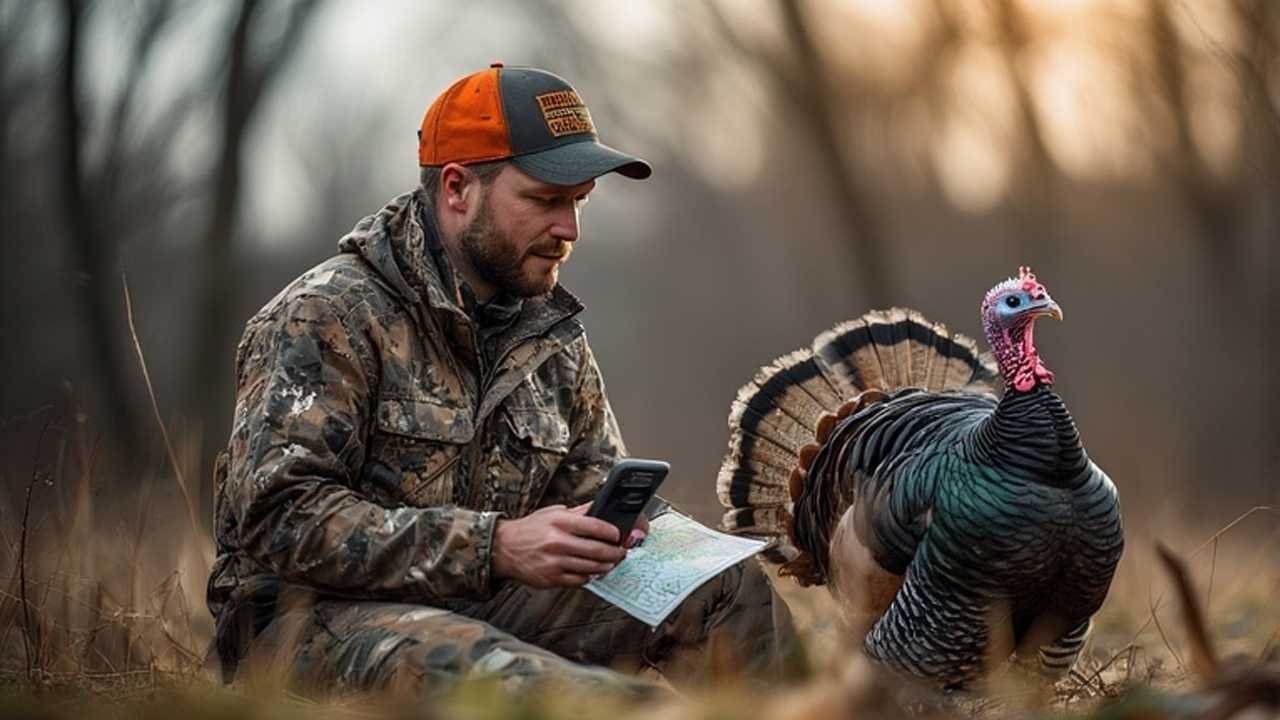
- Carry a first aid kit, GPS device or map, and enough water for the day.
- Inform someone of your hunting location and expected return time.
- Practice ethical shot placement—headshots are traditional, but clean kills are the priority.
Public land access in Nevada is a privilege. Pack out all trash, avoid damaging fences or gates, and respect wildlife beyond your target species. If you’re new to backcountry navigation, consider investing in quality hunting gear and a GPS unit—getting lost in remote units can be dangerous.
For additional context on how western states manage wild bird populations, the National Wild Turkey Federation (NWTF) offers in-depth resources on habitat conservation and hunter participation trends.
Conclusion
Pursuing wild turkeys through the rough terrain of Nevada is a fulfilling challenge that calls for patience, fieldcraft, and respect for wildlife. Knowing the 2026–2027 regulations will guarantee that you hunt in a way that is lawful, safe, and moral, whether you are glassing sagebrush valleys at dawn or setting up on a pine ridge at first light. Before leaving, confirm any last-minute changes with the Nevada Department of Wildlife, double-check dates, and get your tags in advance. Good luck, hunt wisely, and have fun while you’re out there.